Top 10 Trekking in Nepal
1 Jan 2023
Nepal is a trekker's paradise, with its majestic mountain ranges, diverse landscapes, and rich cultu...

When I first mentioned to my trekking buddies that I was planning to trek to Everest Base Camp in January, the reactions ranged from impressed to outright concern. "Isn't it freezing?" "Won't everything be closed?" "Are you sure that's even possible?" These questions echo what most people think about winter trekking in the Himalayas, and honestly, I had the same doubts before I experienced it firsthand.
Here's what nobody tells you: winter might actually be the best time to trek to Everest Base Camp, provided you know what you're getting into. While October and November hog all the glory as peak trekking season, December through February offers something that crowds and perfect weather can never provide—solitude, crystal-clear mountain views, and an authentic experience that feels more like exploration than tourism.
This guide isn't your typical "should you or shouldn't you" article. Instead, I'm going to walk you through everything you need to know about tackling the Everest Base Camp trek during winter months, based on extensive research, conversations with experienced guides, and real accounts from trekkers who've done it. Whether you're an experienced hiker looking for a new challenge or someone who simply can't make it during peak season, this comprehensive resource will help you decide if winter is your season for standing at the foot of the world's highest mountain.
TheEverest Base Camp trek has traditionally been viewed as a spring and autumn adventure. Tourist boards, trekking agencies, and guidebooks have long promoted October-November and March-May as the "only" viable windows. But something interesting has been happening over the past few years: a growing number of experienced trekkers are deliberately choosing winter.
This shift isn't about bragging rights (though there's admittedly something special about having Everest to yourself). It's about rediscovering what trekking in the Himalayas originally meant—challenge, solitude, and authentic cultural immersion without the commercial overlay that peak season inevitably brings.
During peak season, the trail to Everest Base Camp can feel less like a wilderness adventure and more like a well-organized queue. Tea houses fill up by mid-afternoon, popular viewpoints become photo-staging areas, and the rhythm of the trek is often dictated by crowd flow rather than your own pace.
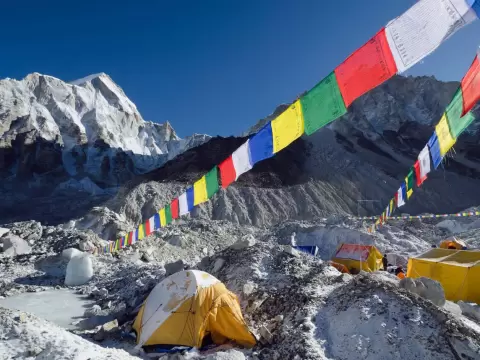
Winter flips this entirely. You might go hours without seeing another trekker. Tea houses that struggle to accommodate everyone in October will welcome you like family in January. That iconic photo at Base Camp with prayer flags in the background? You'll have time to compose it perfectly without dozens of people waiting their turn.
But the benefits go deeper than just fewer selfie-sticks. The uncrowded trails mean you can actually hear the mountains—the wind whistling through high passes, the distant rumble of avalanches on far peaks, the absolute silence that only exists above the tree line. You'll have genuine conversations with Sherpa families rather than rushed exchanges. You'll witness daily life in mountain villages without the performance aspect that tourism sometimes creates.
Here's something that surprised me when I first researched winter trekking: the visibility is actually superior to peak season in many ways. While autumn trekkers deal with lingering monsoon haze and spring brings pre-monsoon cloudiness, winter offers atmospheric clarity that's simply unmatched.
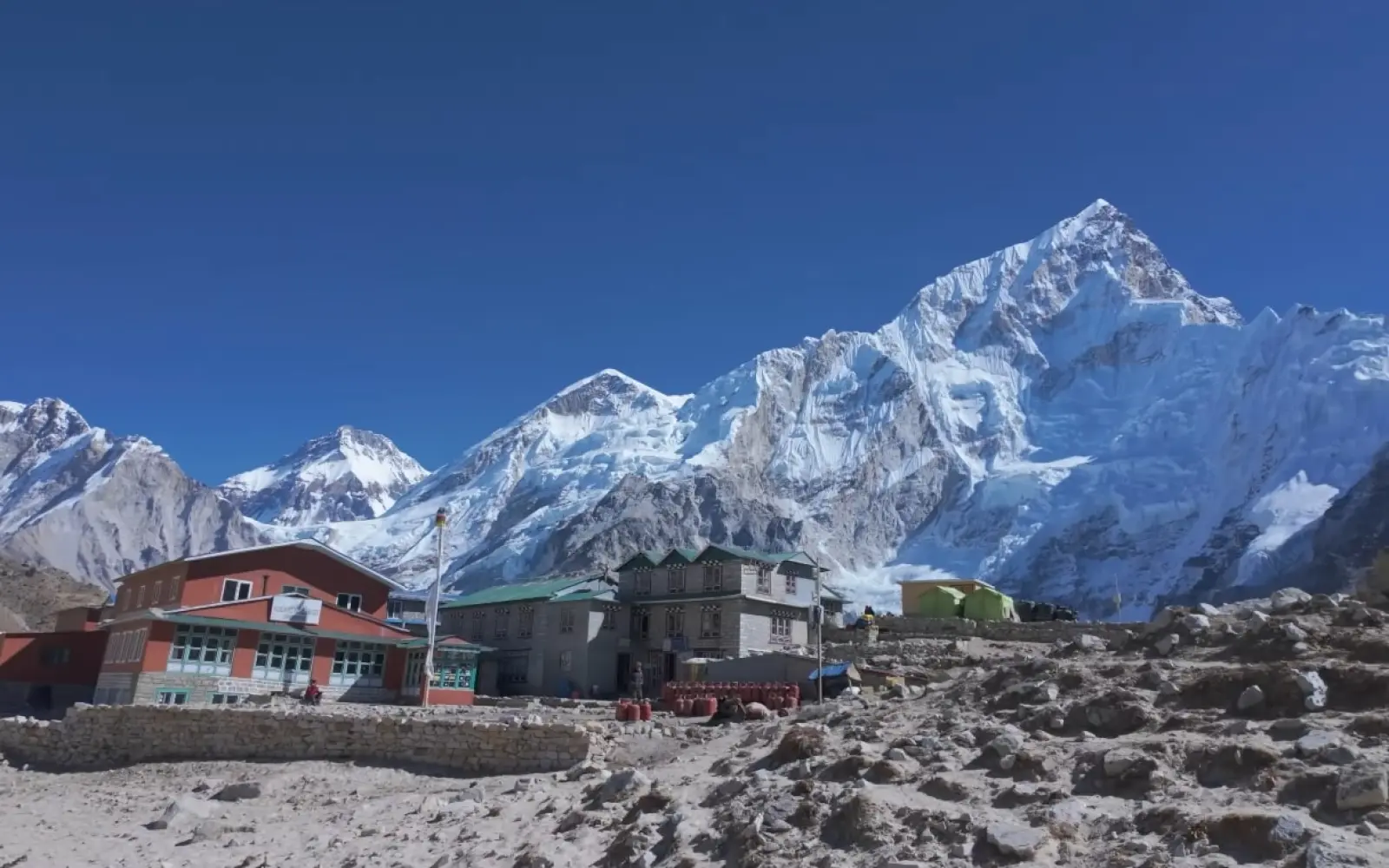
The dry, cold air contains minimal moisture and virtually no dust or haze. This creates viewing conditions that landscape photographers dream about. Mountains that seem distant in October appear startlingly close in January. The definition between rock, snow, and sky becomes razor-sharp. Ama Dablam,Lhotse, and Everestitself reveal details invisible during other seasons.
Sunrise at locations like Kala Patthar becomes an almost spiritual experience. The light doesn't just illuminate the peaks—it transforms them. The low winter sun angle creates dramatic shadows and highlights that give dimension to the mountains. The golden hour stretches longer, and the alpenglow seems more intense against the deep blue winter sky.
Let's address the elephant in the room: yes, it's cold. But "winter in the Himalayas" conjures images that don't quite match reality in the Everest region. Understanding the actual weather patterns helps separate legitimate concerns from misconceptions.
The temperatures you'll encounter vary dramatically by altitude and time of day. In Lukla (2,860 meters), winter daytime temperatures typically hover between 5-10°C (41-50°F), dropping to around -5 to 0°C (23-32°F) at night. Perfectly manageable with proper gear.
As you ascend to Namche Bazaar (3,440 meters), expect daytime temperatures around 0-5°C (32-41°F) and nighttime temperatures dropping to -10 to -15°C (-4 to 5°F). This is where your layering system becomes important, but it's still far from extreme.
The significant cold comes at higher elevations. At Gorak Shep (5,164 meters), you're looking at daytime temperatures around -5 to -10°C (14-23°F) and nighttime temperatures that can plummet to -20 to -25°C (-4 to -13°F). These are the numbers that scare people, but here's the context: you're sleeping in insulated tea houses, not camping. You're moving during the day, generating body heat. And with modern cold-weather gear, these temperatures are entirely manageable for properly prepared trekkers.
"Will there be too much snow?" is probably the most common winter trekking question, and the answer is nuanced. The Everest Base Camp trek follows a well-traveled route that doesn't typically accumulate impassable snow levels during normal winter conditions.
The Khumbu region actually receives most of its precipitation during monsoon season (June-September). Winter is part of the dry season, meaning snowfall, while present, isn't as heavy as many people assume. What does happen is that snow that does fall tends to stick around rather than melting, gradually accumulating throughout the winter months.
The critical factor isn't snow depth on the main trail—porters and locals keep the primary route relatively clear—but rather the condition of high passes and side trips. The path to Everest Base Camp itself rarely becomes impassable, but excursions like the Gokyo Lakes trekor crossing the Cho La Pass can become genuinely challenging or impossible depending on recent snowfall.
Timing matters significantly. Early winter (December) typically has less accumulated snow than late winter (February). If snow conditions are a primary concern, December or early January offers the best balance of winter benefits with lower snow risk.
Temperature is one thing; wind chill is another entirely. TheEverest region experiences strong winds during winter, particularly at higher elevations and at mountain passes. This is actually your biggest weather adversary, more so than cold temperatures alone.
At Namche Bazaar and below, wind is rarely a significant issue. The valleys provide natural protection, and settlements are strategically located in sheltered areas. As you climb higher, especially once you reach the exposed areas around Dingboche and beyond, wind becomes a constant companion.
The key to managing wind isn't just having a good windproof outer layer (though that's essential). It's about understanding when wind is strongest and planning accordingly. Winds typically increase throughout the day, reaching peak intensity in the afternoon and evening. This is why successful winter trekkers often adopt an "alpine start" mentality—beginning the day's trek early when winds are calmest and reaching the next tea house by early afternoon.
Trekking toEverest Base Camp in any season demands good physical fitness. Adding winter conditions raises the bar slightly, though perhaps not in the ways you'd expect.
Many people prepare for high-altitude treks by focusing on leg strength—endless squats, lunges, and stair climbing. While leg conditioning certainly helps, cardiovascular endurance matters more, especially in winter when cold air makes breathing more challenging.
Your preparation should emphasize sustained aerobic activity. Long hikes of 4-6 hours with a weighted backpack (around 8-10 kg) provide the best training specificity. If you don't have access to trails, incline treadmill walking works well. The goal isn't to sprint; it's to maintain a steady pace for extended periods while carrying weight.
Altitude affects everyone differently, but cardiovascular fitness gives you a buffer. The fitter your heart and lungs, the better they can compensate for reduced oxygen availability. In winter, when cold air makes breathing feel more labored, this fitness buffer becomes even more valuable.
Here's an aspect of preparation that most people overlook: your body can actually adapt to cold exposure if you give it gradual exposure before your trek. This doesn't mean suffering through hypothermia training, but rather strategic cold exposure that helps your body become more efficient at maintaining core temperature.
If you're trekking in January or February, start incorporating cold exposure into your training routine a few months beforehand. This might mean doing some of your training hikes in cold weather without overdressing, taking cold showers, or spending time outdoors in winter conditions without immediately retreating to warmth.
The physiological adaptations are real. Your body becomes better at maintaining peripheral blood flow, your metabolism becomes more efficient at generating heat, and psychologically, you become more comfortable in cold conditions. By the time you're standing at Kala Patthar in sub-zero temperatures, your body won't be shocked by the cold—it'll be ready for it.
Altitude sickness doesn't care what season it is, but winter adds complexity to acclimatization strategy. The cold means you're burning more calories, potentially becoming dehydrated more easily (cold air is dry air), and possibly sleeping less well due to temperature discomfort. All of these factors can increase altitude sickness susceptibility.
Your acclimatization schedule shouldn't be rushed in any season, but winter demands extra patience. The standard acclimatization advice—climb high, sleep low—remains crucial. Rest days at Namche Bazaar and Dingboche aren't optional; they're essential for allowing your body to produce more red blood cells and adjust to lower oxygen levels.
What changes in winter is that you need to be even more attentive to early altitude sickness symptoms. The headache, nausea, or sleep disturbance that might be mild AMS in October could escalate more quickly in winter when your body is also managing cold stress. Conservative pacing and willingness to descend if symptoms worsen aren't signs of weakness—they're signs of wisdom.
Gear lists for Everest Base Camp are everywhere online, but winter-specific recommendations are harder to find. Let's cut through the noise and focus on what actually makes the difference between comfortable and miserable.
Forget rigid rules about how many layers you need. Winter trekking requires a flexible layering system that adapts to constantly changing conditions. What works for the climb from Namche to Tengboche won't work for the push from Gorak Shep to Kala Patthar.
Your base layer is where many people make mistakes. Merino wool sounds great in theory, but in practice, a quality synthetic base layer often performs better in extreme cold and at high altitude where drying time matters. You want moisture management more than you want warmth at this layer. When you're climbing, you'll generate heat and sweat even in sub-zero temperatures. That sweat needs to move away from your skin.
The mid-layer is where warmth comes from. A quality fleece or synthetic insulated jacket provides the bulk of your temperature regulation. The key is having enough loft to trap warm air but not so much that you can't fit it under your outer layer. Many winter trekkers carry two mid-layers—a lighter one for active climbing and a heavier one for rest and evening.
Your outer layer faces the most demanding job: blocking wind while releasing moisture vapor. A proper mountaineering shell jacket with pit zips and a helmet-compatible hood is essential. This isn't the place to economize. The difference between a budget hardshell and a quality one becomes painfully obvious when you're facing sustained wind at 5,000 meters.
Tea houses provide blankets, but winter temperatures at high altitude demand more. A quality sleeping bag rated for at least -15°C (5°F) is the minimum, and -20°C (-4°F) provides a better comfort margin. The rating should be the comfort rating, not the survival rating.
Here's what nobody tells you: bag rating assumes you're sleeping in proper sleepwear on an insulated pad. Many trekkers show up with a -15°C bag but sleep in minimal clothing on a thin foam pad and wonder why they're cold. Your sleeping pad's R-value (insulation rating) matters as much as your bag's temperature rating.
For winter trekking, look for a sleeping pad with an R-value of at least 5, preferably higher. Inflatable pads typically provide better insulation than foam, but carrying both—a foam pad as a base and an inflatable on top—provides redundancy and superior insulation. The ground sucks heat away from your body faster than cold air, so the pad underneath you is arguably more important than the bag on top of you.
Your boots are probably the single most important gear decision for winter EBC trekking. This isn't a trail where you can get by with three-season hiking boots. You need insulated, waterproof mountaineering boots designed for cold conditions.
Look for boots rated for winter mountaineering, with insulation (200-400 grams), full leather or synthetic uppers, and soles that remain flexible in freezing temperatures. The boots should be large enough to accommodate thick socks without constricting your toes—circulation is crucial for warmth.
Many experienced winter trekkers use vapor barrier liners (VBL) inside their boots. These are waterproof socks that trap moisture from your feet but prevent it from reaching and freezing in your boot insulation. It sounds counterintuitive to trap moisture, but in extreme cold, it's more effective than trying to wick it away.
Gaiters are non-negotiable for winter. They prevent snow from entering your boots and add an extra layer of insulation around your ankles and lower legs. Full-length gaiters work better than ankle gaiters for this environment.
Some pieces of gear seem minor until you don't have them. A quality balaclava or neck gaiter protects your face from wind and prevents heat loss from your head and neck. Many trekkers bring both—a lighter buff for moderate days and a full balaclava for extreme cold.
Hand warmth is challenging at altitude. Your body prioritizes core temperature, meaning your extremities get less blood flow. Bring both insulated gloves for active trekking and thick mittens (warmer than gloves) for rest stops and early mornings. Chemical hand warmers can help, but they work less effectively at altitude due to lower oxygen levels.
Sunglasses and glacier glasses aren't optional. Winter sun at altitude, especially reflecting off snow, can cause snow blindness in surprisingly short exposure times. You need category 4 eye protection with side shields. Bringing both glasses and ski goggles provides backup if one gets damaged and gives you options for different weather conditions.
The practical aspects of organizing a winter EBC trek differ significantly from peak season. Some things become easier; others require more advance planning.
During peak season, virtually every tea house along the EBC route operates at full capacity. In winter, this changes. Many tea houses close completely, particularly at higher elevations. The owners descend to lower villages for the winter, leaving only a handful of lodges open to serve the reduced trekker numbers.
This sounds limiting, but it's actually manageable with proper planning. The main trail always has sufficient tea houses open to support trekkers. What you lose is choice—in October, you might have a dozen lodging options in a village; in January, you might have two or three. This means you can't be as flexible about where you stop each day.
The reduced options create a different dynamic. The tea houses that do remain open are genuinely happy to see guests. You'll often be the only trekkers staying, which leads to more personal interactions with the family running the lodge. Meals are often shared with the hosts around the kitchen stove, creating cultural exchanges that rarely happen during peak season crush.
While the Everest Base Camp trekis possible independently during peak season, winter changes the equation. The combination of fewer trekkers, more challenging conditions, and reduced tea house availability makes going with a guide significantly more advisable.
A knowledgeable guide provides more than just navigation. They understand current trail conditions, know which tea houses are open, can communicate with lodge owners in Nepali, and most importantly, can recognize and respond to altitude sickness or weather-related emergencies when help is farther away.
The guide decision isn't just about safety—it's about access to local knowledge that dramatically improves your experience. A good guide knows when to push forward and when to wait out weather. They understand the microclimates of different valleys and can time your trek to avoid the worst wind exposure. They have relationships with tea house owners that can mean the difference between sleeping in a barely heated room and getting the warmest spot in the house.
Porters become even more valuable in winter. Carrying a full pack at altitude in cold conditions is exhausting and increases your risk of exhaustion and altitude sickness. A porter allows you to trek with a light daypack, preserving your energy for the altitude challenge rather than weight management.
The permit requirements for EBC don't change with seasons, but the practical aspects of obtaining them can vary. You'll need two permits: the Sagarmatha National Park Entry Permit and the Khumbu Pasang Lhamu Rural Municipality Permit.
During peak season, you can sometimes obtain these permits inKathmanduon the same day or even at the entry point in Lukla (though this isn't recommended). In winter, office hours might be reduced, and processes can move more slowly. Getting your permits sorted in Kathmandu before flying to Lukla is essential.
If you're trekking with an organized group or through an agency, they handle permit acquisition. If you're trekking independently, allocate a full day in Kathmandu for permits and any last-minute gear acquisition.
The flight from Kathmandu to Lukla is famous for being one of the world's most dramatic flights. It's also famous for being unpredictable. While weather-related cancellations happen year-round, winter weather patterns can create multi-day delays.
Successful winter trekkers build buffer days into their schedule both before and after the trek. If your international flight home is scheduled for the day after you're supposed to return to Kathmandu, you're setting yourself up for disaster. Weather delays at Lukla are common enough that you should assume they'll happen and be pleasantly surprised if they don't.
Helicopter evacuation services exist as a last resort for leaving Lukla if you're truly stuck and time-constrained, but they're expensive and weather-dependent themselves. The better approach is simply planning for flexibility. If you have two weeks total in Nepal, plan an 8-10 day trek rather than trying to maximize every possible day on the trail.
The basic route to Everest Base Camp doesn't change with seasons, but the experience of that route transforms completely.
The trek's opening days from Lukla to Namche Bazaar (2,860m to 3,440m) are pleasant in winter. These altitudes are low enough that temperatures remain moderate, and the rhododendron forests provide wind protection. What you gain in winter is rhythm—you're not constantly stepping aside for other trekking groups or competing for trail space with yak trains.
The suspension bridges, iconic features of the trek, can be more challenging in winter if they're covered in ice or snow. The locals manage this by spreading dirt or ash on bridge walkways, but you still need to watch your footing. Trekking poles aren't optional here; they provide crucial stability on potentially slippery surfaces.
Namche Bazaar itself is fascinating in winter. The bustling market town of peak season becomes quieter but not empty. Locals go about their business, shops remain open, and you get a sense of what this community is like when it's not overwhelmed by tourism. The famous Saturday market still operates, though on a smaller scale.
The section from Namche through Tengboche to Dingboche takes you from 3,440m to 4,410m. This is where winter conditions become more present. The trail climbs out of the valley, and wind exposure increases. The famous view from Tengboche Monastery, stunning in any season, becomes absolutely spectacular in winter with crisp air and zero haze.
Tea houses in Tengboche and Dingboche operate on reduced capacity in winter. The lodges that remain open are the ones with the best heating systems and the most committed owners. You'll find that rooms are basic but functional, and the dining areas become evening gathering spots where heat, food, and conversation blend together.
This is also where you really start to notice the altitude. The combination of reduced oxygen and cold air makes breathing feel more labored. Your pace naturally slows, which is exactly what should happen. Fighting the altitude never works; accepting it and adjusting does.
The final push from Lobuche (4,940m) to Gorak Shep (5,164m) and then to Everest Base Camp (5,364m) is where winter truly shows itself. This high, exposed terrain faces the full force of winter conditions. Temperatures are consistently below freezing, wind is persistent, and every physical action requires more effort.
Gorak Shep is essentially a few tea houses in a desolate glacial valley. In winter, it's surreal—a tiny outpost of human habitation in an utterly hostile environment. The tea houses here are heated primarily in the dining rooms; sleeping quarters are cold. This is where your sleeping system really matters.
The walk from Gorak Shep to Base Camp itself is relatively straightforward in terms of terrain but challenging in terms of conditions. It's fully exposed to weather, and the trail can be covered in snow and ice. Trekking poles are essential, and moving slowly and deliberately is the only safe approach.
Base Camp itself in winter is dramatically different from the tent city that exists during climbing season. There are no expeditions, no tents, just snow, ice, prayer flags, and the overwhelming presence of the Khumbu Icefall and the mountains beyond. The solitude is absolute. For many trekkers, this stripped-down, elemental version of Base Camp is more powerful than the busy version.
Most trekkers consider Kala Patthar (5,643m), not Base Camp, as the trek's highlight. The summit provides the best view of Everest's actual peak, along with panoramic vistas of the surrounding giants.
In winter, Kala Patthar becomes a true mountaineering objective. The pre-dawn start to catch sunrise means beginning in the coldest temperatures you'll experience on the entire trek. The thin air at this altitude, combined with the physical effort of climbing, pushes you to your limits.
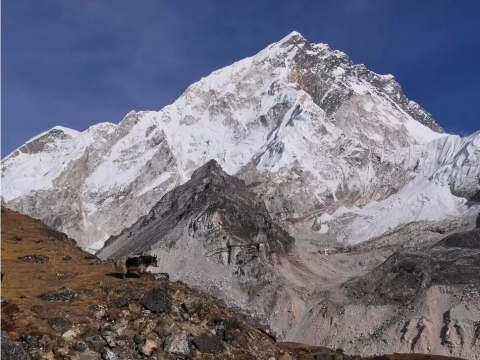
But what you get in return is worth every freezing breath. The winter clarity creates viewing conditions that simply don't exist in other seasons. Everest, Lhotse, Nuptse, Pumori—every peak stands in perfect definition against a deep blue sky. The sunrise light transforms the scene moment by moment. If you've made it this far, fatigue and cold fade into insignificance as you witness something genuinely extraordinary.
Winter trekking introduces additional health and safety considerations beyond the standard altitude and exertion challenges.
Frostbite is the winter-specific health risk that most concerns people, and rightfully so. But understanding frostbite helps you prevent it. Frostbite occurs when tissue freezes, and it happens in stages. Frostnip, the early stage, is reversible and common. Actual frostbite, where tissue damage occurs, is preventable with proper awareness.
Your extremities are most vulnerable—fingers, toes, nose, ears. The keys to prevention are circulation, insulation, and awareness. Tight boots cut off circulation, so your boots should fit with room for thick socks. Wet socks or gloves lose insulating properties, so having dry backups is essential. And awareness means regularly checking your extremities and rewarming them before damage occurs.
If your toes or fingers go numb, that's a warning sign, not something to ignore. Get to shelter, remove wet items, and rewarm the affected areas gradually. Never rewarm frostbitten tissue if there's any chance of refreezing—the freeze-thaw-freeze cycle causes severe damage.
Hypothermia, the dangerous lowering of core body temperature, is actually a bigger risk than frostbite for trekkers. It creeps up gradually and can impair your judgment before you realize something is wrong.
The dangerous combination is cold, wet, wind, and fatigue. One of these is manageable; multiple simultaneously is dangerous. This is why staying dry is crucial. Sweat management through proper layering prevents internal moisture buildup. Waterproof outer layers prevent external moisture intrusion.
Early hypothermia symptoms include shivering, confusion, fumbling hands, and slurred speech. If you or your trekking partners show these signs, you need to stop, get warm, consume warm liquids, and add insulation. Pushing forward when hypothermic is how people get into serious trouble.
Dehydration is insidious at altitude and even more so in winter. Cold air is dry air, and you lose significant moisture through respiration. You're also less likely to feel thirsty in cold weather, so you don't get the same drinking cues your body provides in heat.
Force yourself to drink even when you don't feel thirsty. Aim for 3-4 liters per day at higher elevations. The challenge in winter is that water freezes. Insulated bottles help, but they're not perfect. Many experienced winter trekkers sleep with their water bottles in their sleeping bags to prevent overnight freezing.
Dark urine is a clear dehydration sign. In the morning, your first urination should be relatively clear. If it's dark yellow or amber, you're behind on hydration and need to catch up.
While we hope you never need it, understanding evacuation options in winter is important. Helicopter rescue is possible from most locations along the EBC route, even in winter. However, it's weather-dependent. Low clouds, high winds, or active snowfall can ground helicopters for days.
This is why trekking insurance that covers helicopter evacuation is essential, not optional. The costs can run into tens of thousands of dollars. Just as importantly, having insurance means rescue services will fly immediately without payment negotiations.
The other evacuation option is descent on foot or by horse/yak. This is slower and more uncomfortable but possible in most conditions. Having a guide becomes crucial here—they can arrange animals, communicate with tea house networks, and coordinate care.
One of winter trekking's unexpected rewards is the deeper cultural connection you develop with the Sherpa communities along the route.
Winter coincides with important periods in the Tibetan Buddhist calendar. While you won't typically encounter the major festivals, you might witness smaller religious ceremonies and practices that tourists rarely see. Monasteries continue their daily rituals, and the monks and nuns who remain through winter are often more available for conversation and cultural exchange.
The lack of tourist crowds means that religious sites like Tengboche Monastery feel more authentic. You can observe morning prayers without being part of a large tourist group. You might be invited to turn prayer wheels or light butter lamps alongside locals rather than feeling like an observer.
Tourism is the economic lifeline of Khumbu villages, but winter presents a different dynamic. The tea house owners, guides, and porters who work through winter do so knowing profits will be minimal. Yet many continue because they love the mountains and the lifestyle, not just for economic reasons.
This creates more authentic relationships. Without the pressure of serving large groups and maximizing revenue, there's time for real conversations. You'll learn about the challenges of mountain life, the balance between preserving culture and welcoming modernization, and the deep spiritual connection the Sherpa people have with the mountains.
In winter, you witness village life beyond its tourist function. You'll see locals going about essential tasks—cutting firewood, repairing buildings before the heavier winter weather, gathering for social and religious gatherings. Schools remain in session, and you might hear children's voices during lessons.
The pace of life slows in winter but doesn't stop. Families gather around kitchen fires, stories are shared, and the community bonds strengthen during the harsh season. As a trekker, you're welcomed into this quieter rhythm in ways that simply aren't possible when tea houses are packed with guests.
If photography is part of your trekking motivation, winter offers opportunities that peak season can't match.
The winter sun's lower angle creates longer golden hours and more dramatic shadows. The contrast between bright snow, dark rock, and deep blue sky provides stunning composition opportunities. The air clarity means you can capture distant mountain details that appear soft and hazy in other seasons.
The challenge is the cold's effect on batteries. Camera batteries drain faster in freezing temperatures. Keeping spare batteries in inside pockets close to your body heat and swapping them regularly is essential. Many photographers keep their cameras inside their jackets when not actively shooting to prevent both battery drain and condensation issues.
Winter provides subjects unavailable in other seasons. Ice formations along streams, frost patterns on stones, snow-loaded prayer flags, and the stark contrast of colorful monastery buildings against white snow all create compelling images.
The reduced crowds mean you can compose shots without waiting for people to move or timing shots between groups. That iconic photo of Ama Dablam's perfect pyramid? In winter, you can wait for the exact light without dozens of other photographers competing for the same spot.
Cold weather photography requires adjustments. Touchscreens don't work with heavy gloves, so having physical controls you can operate with gloved hands matters. Condensation when bringing cold camera gear into warm tea houses can cause serious damage—letting equipment warm up gradually in a camera bag before opening it prevents this.
Snow creates tricky exposure situations. Your camera's meter will often underexpose to prevent the snow from blowing out, leaving the scene looking gray rather than white. Learning to use exposure compensation, or shooting in manual mode, helps capture the scene as your eyes see it.
After absorbing all this information, the question remains: should you personally trek to Everest Base Camp in winter?
Winter EBC trekking suits people who value solitude and unique experiences over creature comforts and predictability. If you're the type of hiker who'd rather have an uncrowded trail with challenging conditions than a comfortable trail shared with hundreds of others, winter speaks to you.
Previous high-altitude experience helps significantly. This doesn't mean you need to be a mountaineer, but if EBC would be your first time above 3,000 meters, winter adds complexity you might not want on your introduction to altitude. Having at least one prior high-altitude trek gives you reference points for how your body responds.
Flexibility matters enormously. If your schedule is rigid and you absolutely must be back in Kathmandu on a specific date, winter's weather unpredictability creates stress. But if you can build buffer days and embrace the "it takes as long as it takes" mindset, winter's uncertainties become adventures rather than problems.
If you're drawn to the social aspects of trekking—meeting other trekkers, evening tea house gatherings with large groups, the shared summit celebration at Base Camp—peak season provides this better. Winter is more solitary, more introspective.
People with Raynaud's disease or other circulation issues should think very carefully about winter trekking. Managing extremity circulation in severe cold becomes genuinely challenging, and the risk of frostbite increases significantly.
If your experience with cold weather camping or winter hiking is limited, jumping straight to winter EBC might be more shock than adventure. Building cold-weather experience in less committing environments first makes sense.
If you're attracted to winter's benefits but concerned about the extremes, timing within winter season makes a difference. December and early January offer many of winter's advantages—reduced crowds, clear skies—with less accumulated snow and slightly warmer temperatures.
Late winter (late January and February) brings the most extreme conditions but also the greatest solitude and the most dramatic winter scenery. If you're genuinely comfortable in serious cold and have extensive winter experience, late winter rewards you with an experience very few people ever have.
Among the trekkers I've spoken with who've completed EBC in winter, I haven't encountered anyone who regretted it. Some found it harder than expected. A few would probably choose autumn if doing it again. But none regretted the decision to go in winter.
There's something transformative about pushing yourself in an environment that's genuinely challenging. The Everest Base Camp trek in peak season is certainly an achievement, but it's a well-supported, well-trodden achievement. Winter transforms it into something closer to an expedition—not technically demanding, but requiring genuine commitment, preparation, and resilience
Nepal is a trekker's paradise, with its majestic mountain ranges, diverse landscapes, and rich cultu...
Nepal is a trekker's paradise, known for its majestic mountain ranges and diverse landscapes. Howeve...
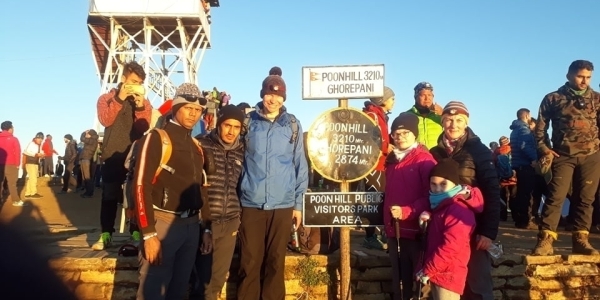
Nepal is a small landlocked country located in South Asia, between India and China. It is known for...
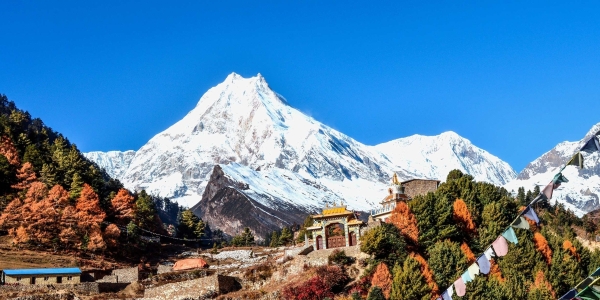
Nepal is renowned for its majestic Himalayan range, offering some of the world's most iconic trekkin...
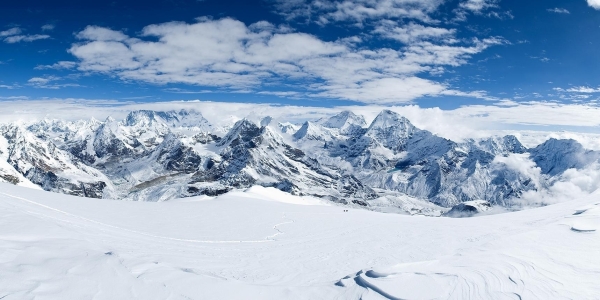
Are you an adventure enthusiast seeking the thrill of conquering peaks while immersing yourself in t...
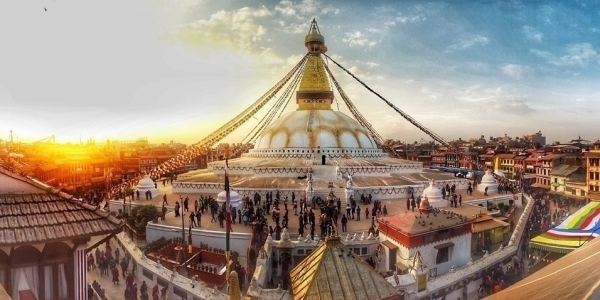
Nestled in the heart of Nepal lies the Kathmandu Valley, an ancient cradle of civilization brimming...
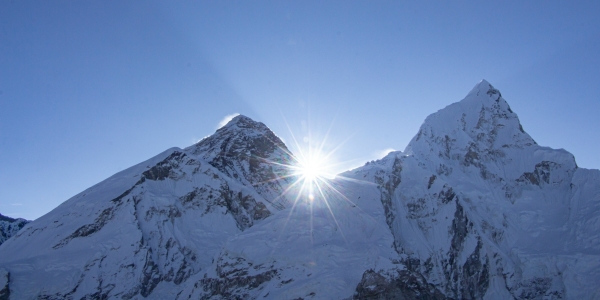
Trekking to Everest Base Camp is a dream shared by adventurers worldwide. The journey promises not j...

Namche Bazaar, a vibrant Sherpa town nestled in the heart of the Himalayas, is a key stop for trekke...
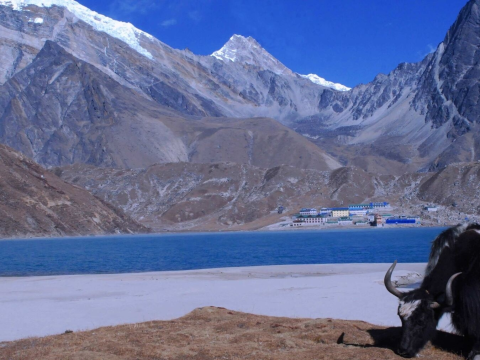
The Everest Base Camp (EBC) trek via Cho La Pass is a premier trekking experience in Nepal, renowned...
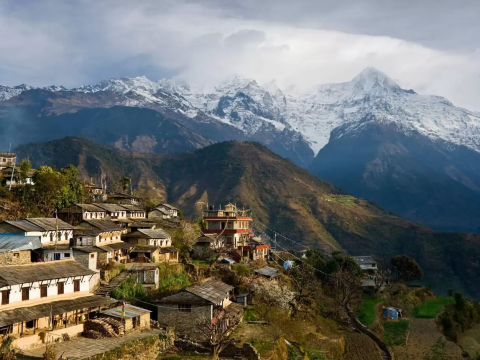
The Everest Base Camp (EBC) Trek and Annapurna Base Camp (ABC) Trek are two of the most iconic and s...
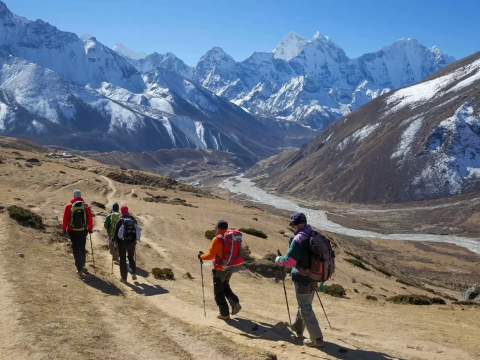
The Everest Base Camp (EBC) Trek is one of the most sought-after trekking experiences in the world,...
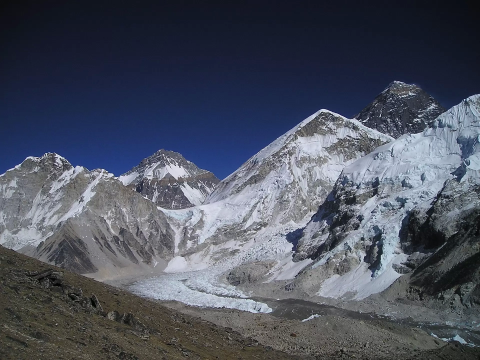
The Everest Base Camp (EBC) Trek is one of the most iconic trekking routes in the world, drawing adv...
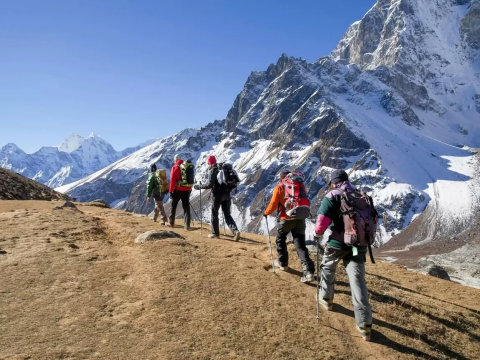
The Everest Base Camp Trek is one of the most popular and exhilarating trekking experiences in the w...
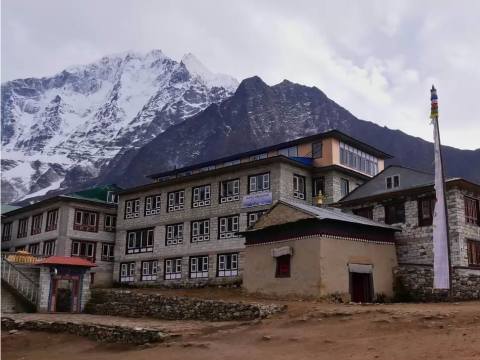
We carefully select teahouses that offer trekkers a warm welcome, excellent food, and essential amen...
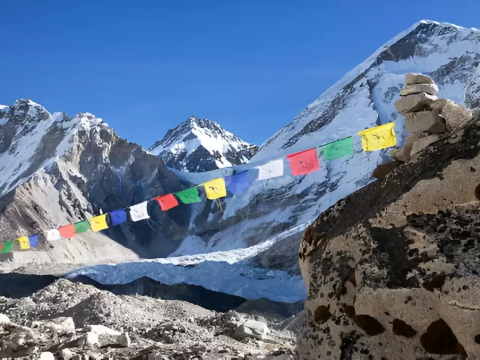
Permits are an integral part of the trekking experience to Everest Base Camp, and their necessity go...
The Everest Base Camp (EBC) trek in April is one of the most sought-after treks in Nepal, as it is d...

The Everest Base Camp Trek is one of the most iconic and exhilarating treks in the world. Taking on...
Trekking to Everest Base Camp (EBC) is an adventure of a lifetime, offering breathtaking views, rich...



