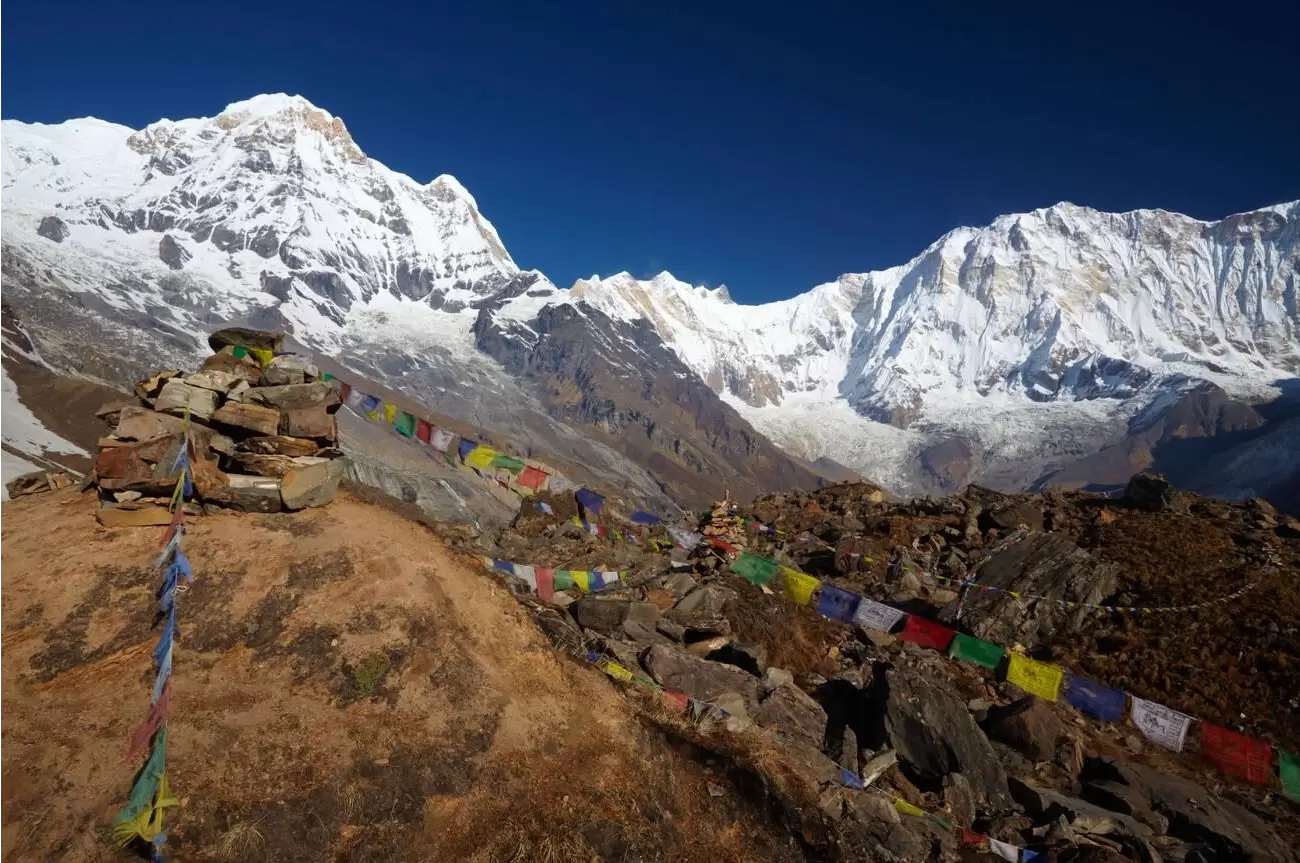
The Annapurna Base Camp Short Trek stands as one of Nepal's most rewarding mountain adventures, offering a perfect blend of dramatic Himalayan scenery, rich cultural encounters, and achievable physical challenge. This remarkable journey takes you deep into the heart of the Annapurna Sanctuary, where you'll stand surrounded by some of the world's most magnificent peaks, including the towering Annapurna I at 8,091 meters and the sacred Machapuchare, known as Fishtail Mountain.
Spanning approximately 10 to 12 days, this trek provides an ideal timeframe for adventurers who want a comprehensive Himalayan experience without the extended commitment required by longer routes. The journey showcases stunning landscapes ranging from lush terraced agricultural fields and traditional Gurung villages to dense rhododendron forests and the dramatic glacial amphitheater of Annapurna Base Camp at 4,130 meters (13,550 feet).
Himalayan Forever Treks has been organizing this incredible adventure for trekkers from around the globe, combining local expertise with international safety standards. Our experienced team ensures every aspect of your journey is carefully managed, from permits and logistics to cultural guidance and emergency support, allowing you to focus entirely on the transformative experience of Himalayan trekking.
The trek typically begins in Pokhara, Nepal's tourism capital, a picturesque lakeside city offering serene natural beauty and panoramic Himalayan views. Pokhara serves as the perfect launching point for Annapurna region adventures, with its relaxed atmosphere, diverse dining options, and stunning Phewa Lake providing an ideal transition between Kathmandu's urban energy and mountain wilderness.
From Pokhara, the adventure unfolds through diverse ecological zones and cultural landscapes. The trail winds through terraced hillsides where local farmers cultivate millet, rice, and vegetables using traditional agricultural methods unchanged for generations. These terraced fields demonstrate remarkable engineering, preventing erosion while maximizing arable land on steep mountain slopes.
The route passes through charming Gurung villages where stone houses with slate roofs cluster on ridgelines, offering spectacular mountain vistas. Villages like Ghandruk and Chhomrong provide cultural immersion opportunities, with friendly locals who have hosted trekkers for decades sharing stories about mountain life, Gurkha military traditions, and the dramatic changes tourism has brought to their communities.
As you ascend, the landscape transforms dramatically. Subtropical vegetation gives way to temperate rhododendron forests, where massive trees bloom in spectacular displays of red, pink, and white during spring months. These forests eventually transition to alpine meadows and finally to the stark, beautiful high-altitude environment of the sanctuary itself.
The trek culminates at Annapurna Base Camp, situated within a natural amphitheater created by the surrounding peaks. This sacred space offers 360-degree views of towering mountains including Annapurna I, Annapurna South, Hiunchuli, Gangapurna, and the distinctive Machapuchare. Sunrise at base camp ranks among trekking's most magical experiences, as alpenglow transforms peaks into glowing pink and orange masterpieces.
For those seeking different Himalayan experiences, the Everest Base Camp Trek offers the iconic Khumbu region adventure, while the Langtang Valley Trek provides beautiful mountain scenery closer to Kathmandu with fewer crowds.
Trekking in the Annapurna Conservation Area requires specific permits that support environmental protection and ensure trekker safety. Understanding these requirements and securing proper documentation before your trek begins is essential for a smooth, compliant journey.
The Annapurna Conservation Area Permit (ACAP) serves as your official entry authorization into one of Nepal's most important protected regions. This permit costs approximately NPR 3,000 (around USD 30) for foreign nationals and directly funds critical conservation initiatives. The Annapurna Conservation Area, established in 1986, encompasses 7,629 square kilometers of diverse ecosystems ranging from subtropical forests at lower elevations to high-alpine environments above 8,000 meters.
ACAP fees support numerous conservation programs including trail maintenance, waste management systems, reforestation projects, wildlife protection, and community education initiatives. The conservation area protects endangered species such as snow leopards, red pandas, Himalayan musk deer, and numerous rare bird species. Your permit contribution helps rangers conduct anti-poaching patrols, monitor wildlife populations, and work with local communities on sustainable resource management.
The conservation area has implemented progressive environmental policies including bans on single-use plastics, regulations requiring proper waste disposal, and restrictions on hunting and off-trail trekking. These measures have significantly improved environmental conditions along popular routes while maintaining the region's natural beauty for future generations.
The Trekkers' Information Management System (TIMS) Card provides a comprehensive safety tracking mechanism that monitors trekker movements throughout the region. This card costs approximately NPR 2,000 (around USD 20) for trekkers using registered agencies and helps authorities respond quickly during emergencies, natural disasters, or when trekkers go missing.
The TIMS database records trekker details including planned routes, expected timeline, emergency contacts, and insurance information. Checkpoint stations along the trail verify and update your progress, creating a real-time tracking system that proves invaluable during rescue operations. This system has significantly improved trekker safety since its implementation, enabling faster response times and more efficient search coordination when problems arise.
Both permits can be obtained through the Nepal Tourism Board office in Kathmandu or the Tourism Office in Pokhara. However, Himalayan Forever Treks handles all permit arrangements as part of our comprehensive service package, eliminating bureaucratic hassles and ensuring all documentation is correctly completed before your trek begins. Our established relationships with permit offices streamline the process, saving you valuable time and potential frustration.
Checkpoint stations verify permits at multiple locations including Chhomrong, Bamboo, and Machapuchare Base Camp. Keep permits accessible in waterproof protective pouches, as damaged or illegible permits can cause delays. Officials at checkpoints record your passage, contributing to the tracking system that enhances overall trekker safety.
Similar permit systems operate throughout Nepal's protected areas. The Manaslu Circuit Trek requires special restricted area permits due to its proximity to Tibet, while the Everest Base Camp Trek needs Sagarmatha National Park permits. The Upper Mustang Trek requires the most expensive permits in Nepal due to its restricted status and cultural preservation efforts.
Selecting the optimal season for your Annapurna Base Camp Short Trek significantly influences your overall experience, from weather conditions and mountain visibility to trail conditions and crowd levels. Nepal's mountain climate follows distinct seasonal patterns, each offering unique advantages and considerations.
Spring Season (March to May) represents one of two premier trekking periods in the Annapurna region. As winter's harsh conditions moderate, the hillsides awaken with spectacular displays of blooming rhododendrons—Nepal's national flower. These vibrant blooms create natural gardens along the trail, with massive rhododendron trees reaching 10-15 meters tall and displaying brilliant red, pink, and white flowers.
Spring temperatures provide comfortable trekking conditions, with daytime temperatures at lower elevations ranging from 15-20°C and higher altitudes maintaining pleasant 5-10°C during the day. Mornings typically offer crystal-clear skies providing excellent mountain photography opportunities, though afternoon cloud development becomes more common as the season progresses toward summer monsoon.
Beyond weather advantages, spring brings increased wildlife activity after winter dormancy. Himalayan tahr emerge from winter shelters, bird species become more vocal during mating season, and butterflies fill lower elevation forests. Agricultural activity intensifies as villagers prepare terraced fields for planting, offering cultural insights into traditional mountain farming practices.
The spring season's only disadvantage is increasing popularity, with trails and tea houses becoming progressively busier through April and May. However, the Annapurna region's well-developed infrastructure generally accommodates crowds without significant comfort compromises.
Autumn Season (September to November) rivals spring as the optimal trekking period and many consider it the absolute best time for Himalayan adventures. Following monsoon rains, the atmosphere achieves remarkable clarity, offering some of the year's finest mountain panoramas. The post-monsoon air lacks the dust and haze that can reduce visibility during other seasons, creating spectacular photographic conditions.
Autumn temperatures run slightly cooler than spring, with crisp mornings and comfortable daytime walking conditions. The stable weather patterns characteristic of this season provide reliable trekking conditions with minimal precipitation risk. Clear skies persist throughout most days, and the reduced cloud cover means sunrise and sunset mountain views consistently deliver spectacular displays.
Cultural festivals add vibrant dimensions to autumn trekking. Dashain, Nepal's biggest festival occurring in October, brings celebrations, family gatherings, and special foods to villages along the route. Tihar follows in November with its festival of lights honoring various animals and celebrating family bonds. If your trek coincides with these festivals, Himalayan Forever Treks guides facilitate appropriate cultural participation, creating memorable experiences beyond natural scenery.
Autumn's popularity means the busiest trails and fullest tea houses, particularly during October when international visitor numbers peak. Advanced booking becomes essential, and popular tea houses may fill completely during peak weeks. However, the social atmosphere and opportunities to meet fellow trekkers from around the world enhance the experience for many visitors.
Winter Season (December to February) offers a dramatically different but uniquely beautiful trekking experience. Snow transforms the sanctuary into a pristine winter wonderland, with fresh powder coating peaks and creating dramatic photographic opportunities. The stark beauty of snow-covered landscapes against deep blue skies creates stunning visual contrasts.
However, winter trekking demands serious preparation and realistic expectations. Temperatures plummet at higher elevations, with nighttime lows at Annapurna Base Camp reaching -15°C to -20°C or colder. Some higher-altitude tea houses close due to extreme conditions and reduced visitor numbers. Trails can become treacherous with ice and snow, requiring proper footwear and potentially microspikes for safe passage.
Winter's advantages include virtually empty trails, dramatic snow scenery, and exceptionally clear air on calm days. The solitude creates a wilderness experience increasingly rare on popular trekking routes. Winter suits experienced trekkers with proper cold-weather gear, realistic comfort expectations, and flexibility to adjust plans based on weather conditions.
Monsoon Season (June to August) sees minimal trekking activity due to heavy rainfall, leeches in forested sections, and reduced mountain visibility from persistent cloud cover. Rain typically falls during afternoon and evening hours, with mornings often remaining clear. However, the constant moisture creates slippery, muddy trail conditions and increases landslide risks on steep sections.
Despite these challenges, monsoon has devoted followers who appreciate the lush, vibrant landscapes, dramatic cloud formations, and near-empty trails. Wildflowers bloom prolifically, waterfalls flow at maximum volume, and the entire region glows with intense green vegetation. Monsoon trekking suits flexible adventurers willing to accept weather uncertainties and potential itinerary modifications.
Alternative monsoon destinations include rain-shadow regions like the Upper Mustang Trek, which receives minimal rainfall even during peak monsoon months, or the Dolpo Trek, protected by high Himalayan barriers from monsoon weather systems.
Understanding the Annapurna Base Camp Short Trek's difficulty level helps set realistic expectations and ensures proper physical preparation. While classified as moderate, the trek presents genuine challenges that demand respect, preparation, and appropriate fitness levels.
Physical Demands center on sustained daily walking over varied, often steep terrain. Expect 5-7 hours of trekking most days, with some stages extending to 8 hours during longer sections. The trail includes prolonged ascents on stone staircases that test cardiovascular fitness, steep descents challenging knee stability and balance, suspension bridge crossings requiring confidence with heights, and rocky sections demanding careful foot placement.
The infamous Chhomrong staircase exemplifies the trek's physical challenges. This section involves descending approximately 2,800 stone steps to cross the Chhomrong Khola river, then immediately climbing back up the opposite hillside. Legs burn, breathing becomes labored, and frequent rest stops become necessary. However, completing such sections builds physical adaptation and mental confidence that makes subsequent days progressively easier.
Cumulative fatigue over multiple consecutive trekking days affects even fit individuals. Muscles that feel fine after day one become progressively tired by day five or six. Proper pacing, adequate rest, sufficient nutrition, and listening to your body's signals prevent overexertion and allow sustainable progress throughout the trek.
Altitude Considerations become significant above 3,000 meters, with Annapurna Base Camp at 4,130 meters sitting in the zone where altitude sickness symptoms commonly appear. The gradual ascent profile built into most itineraries aids acclimatization, but individual responses to altitude vary dramatically regardless of fitness level or previous trekking experience.
Common altitude sickness symptoms include headaches, nausea, dizziness, fatigue, difficulty sleeping, and loss of appetite. Mild symptoms affect many trekkers and typically resolve with rest, hydration, and gradual acclimatization. However, symptoms can escalate rapidly to life-threatening conditions including High Altitude Pulmonary Edema (HAPE) or High Altitude Cerebral Edema (HACE) without proper recognition and response.
Prevention strategies include maintaining a slow, steady pace regardless of how good you feel, drinking 3-4 liters of water daily, eating carbohydrate-rich foods even when appetite decreases, avoiding alcohol and sleeping medications that suppress breathing, and considering altitude sickness medication like Diamox after consulting your physician. The golden rule of altitude safety remains simple: never ascend with severe symptoms, and descend immediately if symptoms worsen despite rest.
Technical Skills Required are minimal—the trek involves no rock climbing, rope work, or specialized mountaineering techniques. Anyone capable of sustained walking on varied terrain can complete the trek with proper preparation. However, confidence on steep terrain, adequate balance for uneven surfaces, and comfort with exposure on narrow sections prove beneficial.
Trekking poles significantly reduce impact forces on knees during descents, provide additional stability points on uneven terrain, and help maintain rhythm during ascents. Many trekkers initially skeptical about poles become converts after experiencing their benefits on steep Himalayan trails.
Weather Variables add unpredictability regardless of season. Mountain weather changes rapidly, with clear mornings transforming into snowy afternoons even during favorable seasons. Temperature fluctuations between sunny and shaded sections, combined with altitude effects, require efficient layering systems that adapt quickly to changing conditions.
Mental Aspects often prove more challenging than physical demands. Long days of repetitive walking, basic accommodation, simple food, altitude discomfort, and separation from normal life comforts test mental resilience. Breaking the trek into manageable segments—focusing on reaching the next tea house rather than dwelling on days remaining—helps maintain positive mindset and motivation.
The communal tea house atmosphere provides psychological support through shared experiences with fellow trekkers. Conversations about common challenges, mutual encouragement during difficult sections, and collective celebration of achievements create supportive social environments that help individuals push through challenging moments.
Age and Fitness Spectrum among successful ABC trekkers ranges from teenagers to retirees in their seventies. Physical fitness matters more than age or previous experience, though prior multi-day hiking provides mental preparation for consecutive trekking days and teaches valuable lessons about pacing, blister prevention, and gear selection.
Preparation Recommendations should begin 6-8 weeks before departure for optimal results. Cardiovascular training through running, cycling, swimming, or stair climbing builds necessary stamina. Hiking with weighted backpacks (8-12kg) on varied terrain simulates trekking conditions. Leg strengthening exercises including squats, lunges, and step-ups prepare muscles for constant elevation changes. Core strengthening aids balance on uneven terrain and supports heavy backpack carrying.
Previous high-altitude experience helps but isn't essential for ABC. Understanding your body's altitude response assists with symptom monitoring and decision-making. First-time high-altitude trekkers might consider starting with lower routes like the Ghorepani Poon Hill Trek orMardi Himal Trek to assess altitude tolerance before committing to ABC.
For those seeking greater challenges after successfully completing ABC, the Annapurna Circuit Trek crosses the demanding 5,416-meter Thorong La Pass, while theEverest Three Passes Trek involves three passes above 5,300 meters with extended high-altitude exposure.
Accommodation and dining experiences along the Annapurna Base Camp Short Trek blend basic mountain facilities with warm Nepali hospitality, creating comfortable rest stops after demanding trekking days. Understanding what to expect helps set appropriate expectations while appreciating the remarkable services local families provide in challenging mountain environments.
Tea House Accommodation defines the lodging experience throughout the trek. These family-run establishments offer twin-sharing rooms with two single beds, thin foam mattresses, pillows, and blankets. Rooms remain unheated—a critical consideration at higher altitudes where nighttime temperatures drop significantly below freezing. Wall construction typically uses thin plywood or fabric partitions, providing minimal sound insulation between rooms.
Lower elevation tea houses in villages like Ghandruk and Chhomrong generally provide more amenities including hot showers, reliable electricity, comfortable dining areas, and sometimes WiFi connectivity. As altitude increases, facilities become progressively more basic, with hot showers becoming expensive or unavailable, heating limited to dining area wood stoves, and electricity generation restricted to evening hours.
Despite basic facilities, tea houses provide adequate comfort for rest and recovery. The simple accommodations encourage social interaction in communal dining areas rather than isolation in private rooms, creating the vibrant tea house culture that many trekkers cherish as integral to the Himalayan experience.
Sleeping Arrangements require proper sleeping bags even though lodges provide blankets. Lodge blankets offer insufficient warmth at higher altitudes, and hygiene standards for shared bedding may not meet Western expectations. A quality sleeping bag rated to -10°C or -15°C ensures warm, comfortable sleep throughout the trek regardless of altitude or season.
Many trekkers sleep in thermal base layers, warm socks, and hats to maintain comfortable temperature through cold nights in unheated rooms. Hot water bottles provided by lodges offer additional warmth, though they gradually cool through the night. Some higher-altitude lodges provide electric blankets during busy seasons, though power availability can be unreliable.
Bathroom Facilities vary considerably by location. Lower elevations increasingly offer Western-style flush toilets with running water and basin sinks. Higher elevations typically provide squat toilets with bucket-flush systems. Shared bathrooms serve multiple rooms, and morning queues are common as everyone prepares for the day's trek.
Hot shower availability depends heavily on altitude and water heating methods. Solar water heaters provide reliable hot water at mid-elevation lodges on sunny days. Higher elevations require fuel-heated water, making hot showers expensive (NPR 300-500) and sometimes completely unavailable. Many experienced trekkers skip showers above 3,000 meters, instead using wet wipes or heated water basins for basic washing, saving hot showers for lower elevations on descent.
Dining and Social Areas serve as tea house hearts where the trekking community gathers. These communal spaces feature central wood-burning stoves (bukhari) providing heating and serving as social focal points. Trekkers from around the world collect around these stoves sharing stories, playing cards, reading, journaling, or simply enjoying warmth after cold days outside.
The dining hall atmosphere creates strong social bonds. Strangers become friends over shared meals and common challenges. These interactions—comparing difficult trail sections, sharing blister remedies, discussing altitude symptoms, or planning future treks—create memorable social experiences that many trekkers value as highly as the natural scenery.
Food Options and Nutrition provide surprising variety given remote mountain locations. Menus blend Nepali, Tibetan, Indian, and Western cuisines, offering options for diverse tastes and dietary requirements. The traditional dal bhat—lentil soup, rice, and vegetable curry with unlimited refills—provides excellent nutrition and energy for trekking at the best value, typically costing NPR 500-800.
Breakfast options include porridge with milk and honey, Tibetan bread with jam or peanut butter, pancakes, eggs prepared various ways, and muesli. Lunch and dinner menus feature fried rice, noodle soups (thukpa), momos (dumplings), pasta dishes, pizza, and various vegetable preparations. While Western items may not match home standards, the effort and creativity of mountain cooks proves impressive given remote locations and limited resources.
Hot beverages are essential for hydration and warmth. Ginger-lemon-honey tea offers soothing properties and immune support. Black tea, milk tea, coffee, and hot chocolate are widely available. Avoid tap water; instead, use purification tablets, filter systems, or purchase boiled water from tea houses, which costs less than bottled water while reducing plastic waste.
As altitude increases, appetites often decrease, but maintaining adequate caloric intake remains crucial for energy and altitude sickness prevention. Carbohydrate-rich foods are easiest to digest at elevation. Bringing supplementary items like energy bars, nuts, dried fruits, and chocolate provides quick energy boosts between meals and backup food if appetite diminishes.
Himalayan Forever Treks prioritizes dining experiences by selecting tea houses known for food quality and hygiene standards. Our guides order meals strategically to ensure fresh preparation and coordinate group orders to reduce kitchen workload, improving overall meal quality and service speed.
Similar tea house dining experiences characterize most popular trekking routes including the Everest Base Camp Trek, Langtang Valley Trek, and Manaslu Circuit Trek, though specific menu options and facility standards vary by region and development level.
Staying connected during the Annapurna Base Camp Short Trek balances modern communication desires with remote mountain realities. While the trek takes you into increasingly isolated areas, basic communication facilities exist along much of the route, though reliability and quality vary significantly with altitude and location.
Mobile Phone Coverage exists at major villages including Ghandruk, Chhomrong, and Bamboo where cell towers provide reasonable service for Nepal's main networks—Nepal Telecom (Ncell) and Nepal Telecom. Coverage quality varies throughout the day based on network traffic, and higher-altitude locations beyond Bamboo typically lack reliable mobile signals.
For trekkers wanting consistent mobile connectivity, purchasing a local SIM card in Kathmandu or Pokhara before starting the trek proves worthwhile. Nepal Telecom generally provides the most extensive mountain coverage, though speeds remain modest by international standards. SIM cards cost approximately NPR 100-200, with data packages offering reasonable rates for basic communication needs.
Remote sections between villages and above 3,500 meters generally lack mobile coverage entirely. This digital disconnect, while initially uncomfortable for constantly-connected individuals, often becomes a welcomed break from notification bombardment and social media pressures. Many trekkers report that freedom from digital distractions enhances their mountain experience, allowing fuller presence in spectacular natural surroundings.
WiFi Availability at tea houses provides alternative connectivity, particularly valuable where mobile coverage proves unreliable. Most lower and mid-elevation lodges offer WiFi for guests, typically charging NPR 200-500 daily for access. Connection speeds vary dramatically based on altitude, weather conditions, and simultaneous users, with higher elevations offering frustratingly slow speeds suitable only for basic messaging.
Some tea houses provide free WiFi as complimentary service, while others charge per hour or per device. Higher-altitude locations with satellite internet connections charge premium rates (NPR 500-1,000 daily) reflecting expensive infrastructure and limited bandwidth. During busy seasons, WiFi networks often become overloaded, making even basic tasks like sending messages or loading web pages time-consuming exercises in patience.
Charging Facilities for electronic devices become increasingly limited and expensive at higher elevations. Lower lodges offer charging for NPR 100-200 per hour using grid electricity. Mid-elevation lodges rely on solar panels, charging NPR 300-400 per hour when sunlight permits. Higher elevations with generator-based electricity charge NPR 500+ per hour, with availability limited to specific evening hours when generators operate.
Bringing portable power banks (20,000+ mAh capacity) and using charging opportunities strategically at lower elevations helps maintain device power throughout the trek. Many trekkers charge all devices fully in Pokhara before starting, use airplane mode to conserve battery, and limit device usage to essential communication and photography.
Emergency Communication capabilities matter more than casual connectivity. Himalayan Forever Treksguides carry satellite phones enabling communication from anywhere along the route, ensuring emergency contact capability regardless of location or mobile coverage. These devices provide critical safety infrastructure, allowing guides to coordinate rescue operations, request helicopter evacuations, or communicate with our base office about any situation requiring support.
Our guides also maintain regular check-ins with the base office at locations with mobile coverage, providing progress updates and ensuring the office knows your location should unexpected situations arise. This tracking system, combined with TIMS card checkpoint records, creates comprehensive safety monitoring throughout your trek.
Communication Strategy Recommendations help balance staying connected with mountain experience immersion. Consider informing family and friends before departure that communication will be sporadic and limited to specific locations. Schedule communication at major villages where coverage is most reliable rather than expecting constant connectivity. Use messaging apps like WhatsApp or Viber that work efficiently on limited bandwidth rather than data-intensive video calls.
Many trekkers find that reduced connectivity enhances their trek by encouraging present-moment awareness, facilitating deeper conversations with fellow trekkers, and creating space for reflection unavailable in constantly-connected daily life. Rather than viewing limited communication as inconvenience, consider it an opportunity for digital detox and authentic mountain experience.
For comparison, communication facilities on other popular treks vary considerably. The Everest Base Camp Trekoffers relatively good connectivity due to extensive infrastructure development, while remote routes like the Dolpo Trek provide virtually no connectivity for extended periods, requiring complete acceptance of communication isolation.
Selecting the right trekking company dramatically influences your Annapurna Base Camp Short Trek experience, affecting everything from safety and comfort to cultural insights and environmental impact. Himalayan Forever Treks has earned recognition as one of Nepal's most trusted operators through unwavering commitment to client satisfaction, safety standards, and responsible tourism practices.
Experience and Expertise form our foundation. Our team comprises licensed, experienced guides who possess intimate knowledge of the Annapurna region accumulated through years of leading treks. They're trained in wilderness first aid, altitude sickness recognition and management, emergency response protocols, and cultural sensitivity. This expertise transforms guides from mere trail navigators into knowledgeable mentors who enrich your journey through insights about mountain ecology, local culture, medicinal plants, wildlife, and Himalayan history.
Our guides' language skills facilitate meaningful interactions with local communities while ensuring you understand safety information, cultural practices, and logistical details. Their ability to recognize individual trekker needs—adjusting pace for struggling clients, providing encouragement during difficult sections, or allowing independence for strong walkers—demonstrates the personalized attention that distinguishes professional guiding from basic trail accompaniment.
Safety Infrastructure receives paramount attention in all our operations. We maintain small group sizes ensuring guides can monitor each trekker's condition and provide adequate attention. Equipment checks before departure identify any inadequate gear, with rental options available for missing items. Comprehensive first aid kits accompany all treks, and guides understand treatment protocols for common trekking ailments and injuries.
Our emergency response capability includes 24/7 base office availability, satellite phone communication from remote locations, established relationships with helicopter rescue companies, and clear evacuation protocols. This infrastructure provides peace of mind, allowing you to focus on enjoying your trek knowing expert help is accessible if problems arise.
Responsible Tourism Practices guide all our operations. We prioritize hiring from local communities, ensuring economic benefits reach those most affected by tourism. Our porter policies guarantee fair wages, proper equipment provision, reasonable load limits (maximum 20kg), and adequate rest and food. These ethical employment practices contrast sharply with some operators who maximize profits through porter exploitation.
Environmental responsibility includes waste management protocols, discouraging single-use plastics, supporting local conservation initiatives, and educating clients about Leave No Trace principles. Our established relationships with tea houses ensure we select accommodations meeting hygiene and environmental standards while supporting responsible local businesses.
Personalized Service distinguishes our approach from cookie-cutter group tours. We recognize each trekker brings unique fitness levels, interests, concerns, and expectations. Pre-trek consultations identify specific needs, allowing customized itinerary adjustments, dietary accommodation, and special interest focuses like photography, birdwatching, or cultural immersion.
Our flexibility extends to trek execution, with guides empowered to adjust pace, modify rest stops, or alter itineraries based on group needs and conditions. This adaptive approach ensures optimal experiences rather than rigid adherence to predetermined schedules regardless of circumstances.
Cultural Connection comes naturally through our local team's deep community roots. Guides facilitate authentic interactions with villagers, explain cultural practices you observe, and provide context for village life that external observers might misunderstand. These insights transform cultural encounters from superficial tourist interactions into meaningful exchanges that deepen your understanding and appreciation.
Our commitment to cultural respect includes appropriate behavior guidance at religious sites, photography etiquette instruction, and facilitation of cultural participation where appropriate. This sensitivity ensures your presence contributes positively to local communities rather than creating cultural disruption or discomfort.
Comprehensive Service covers all logistical elements from initial inquiry through trek completion. We arrange permits, domestic flights, hotel accommodation in Kathmandu and Pokhara, airport transfers, and all trekking logistics. This one-stop service eliminates coordination stress and ensures all elements work together seamlessly.
Pre-trek support includes detailed packing lists, preparation guidance, equipment rental information, and comprehensive briefings covering route details, safety protocols, and cultural considerations. Post-trek, we assist with onward travel arrangements, gather feedback for continuous improvement, and maintain connections with past clients who often return for other adventures.
Transparent Pricing reflects our ethical approach. We clearly explain what's included in packages, avoiding hidden charges that inflate final costs beyond quoted prices. Our pricing balances fair compensation for guides and porters with competitive rates for clients, rejecting unsustainably cheap options that depend on staff exploitation.
Client Testimonials consistently highlight our guides' knowledge and friendliness, selected tea house quality, seamless logistics, and responsive support during challenges. These authentic reviews from previous trekkers provide confidence that our service promises translate into actual delivery.
Beyond Annapurna Base Camp, our extensive portfolio includes diverse Nepal adventures: the iconic Everest Base Camp Trek, challenging Manaslu Circuit Trek, remote Upper Mustang Trek, beautiful Langtang Gosaikunda Trek, and peak climbing expeditions like Island Peak and Mera Peak.
Visit our website at www.himalayanforever.com to explore our complete offerings, read detailed itineraries, view photo galleries, and understand why thousands of satisfied clients have trusted Himalayan Forever Treks for their Himalayan adventures. Contact us through our contact page to begin planning your Annapurna Base Camp Short Trek today.
The Annapurna Base Camp Short Trek represents an ideal introduction to Himalayan trekking, combining spectacular mountain scenery, rich cultural experiences, achievable physical challenge, and transformative personal growth into one comprehensive adventure. Whether you're a first-time trekker discovering mountain magic or an experienced adventurer exploring new regions, this journey delivers unforgettable experiences that resonate long after you return home.
The trek's 10-12 day timeframe provides sufficient immersion without requiring extended time commitments, making it accessible for those with limited vacation availability. The moderate difficulty level welcomes reasonably fit trekkers while still offering genuine challenge and significant achievement. The cultural richness of Gurung villages adds depth beyond natural scenery, creating holistic experiences that engage mind and spirit alongside physical exertion.
Himalayan Forever Treks brings decades of experience, local expertise, and genuine passion for sharing the Himalayas with travelers worldwide. Our commitment to safety, quality service, responsible tourism, and client satisfaction has earned recognition as one of Nepal's most trusted operators. When you trek with us, you join our extended family, receiving personalized attention and support that transforms good treks into exceptional journeys.
The mountains are calling with promises of adventure, beauty, challenge, and transformation. Don't postpone your Himalayan dreams—the perfect time to experience the Annapurna Base Camp Short Trek is now. Visit www.himalayanforever.com today to begin planning your adventure. Explore our other exceptional treks including Kanchenjunga Base Camp, Gosaikunda Trek, Makalu Base Camp, and many others showcasing Nepal's incredible diversity.
Contact Himalayan Forever Treks today and take the first step toward your Himalayan adventure. The journey of a lifetime awaits in the Annapurna Sanctuary.
Best Annapurna Trekking Blogs to Read Before You Go
Discover essential insights, tips, and firsthand stories from experienced trekkers in these top Annapurna trekking blogs—perfect for planning your adventure to the world's highest peak.
What to Pack for Trekking in Nepal: The Ultimate Checklist
Pokhara Perfection: Stunning Lakeside Views and Mountain Hikes
A Beginner’s Guide to Annapurna Base Camp Short Trek
A Beginner’s Guide to the Mardi Himal Trek
Top 10 Highlights of the Poon Hill Trek
Top 10 Tips for a Successful Annapurna Base Camp Trek in 2026
Mardi Himal on a Budget: Day-by-Day Trekking Guide
Top 10 Must-Do Adventures in Pokhara: For the Wild at Heart
The Ultimate Guide to Trekking in Nepal’s Off the Beaten Path Routes
Top Seasons for Trekking and Tours in Nepal
Nepal’s Wilderness Awaits: Top Treks for Nature Lovers
The Best Treks in Nepal from September to November
Which Trek Is Right for You: Annapurna Circuit or Manaslu Circuit?
Tips for a Successful Annapurna Base Camp Trek
Top Trekking Packages for 2025/2026
Top Most Popular Places in the Annapurna Region
Top Faqs for Annapurna Base Camp Trek
Mountaineering and Trekking Expeditions in Nepal 2024/25
Toilet facilities in trekking areas in Nepal
Top Ten Trekking Areas in Nepal: A Journey Through the Himalayas
The Annapurna Circuit: A Journey Through One of the World's Most Popular Trekking Routes
Exploring the Top Trekking Destinations in Nepal: A Guide to Unforgettable Adventures
Journey to the Annapurna Base Camp: A Trekker’s Paradise
Exploring Nepal: Adventure Travel, Tours, Treks & Trips 2024/2025
The Magic of Trekking in the Himalayas: A Journey to Remember
Annapurna Base Camp: A Comprehensive Guide
Your adventure begins the moment you land at Tribhuvan International Airport. A friendly face from Himalayan Forever Treks will be waiting, holding a sign with your name—your first warm welcome to Nepal. After assisting with your luggage, you’ll be transferred to your comfortable hotel in the lively Thamel district. The drive is a quick introduction to Kathmandu's vibrant energy. Once you've checked in and freshened up, the rest of the afternoon is yours to start exploring. Wander Thamel’s labyrinthine lanes, filled with colorful shops, trekking gear stores, and cozy cafes. This evening, gather with your guide and fellow trekkers for a welcome dinner at a traditional restaurant. Over a delicious meal ofdal bhat(lentils and rice) or momos (dumplings), you’ll receive a detailed briefing about the incredible journey ahead, allowing any last-minute questions to be answered. It’s the perfect start to forging new friendships and building anticipation.
Wake up early for a spectacular experience: a scenic 25-minute flight to Pokhara. As your plane soars alongside the Himalayan wall, you’ll be treated to jaw-dropping, up-close views of the snow-capped Annapurna and Dhaulagiri ranges—a sight that perfectly sets the stage for your trek. Upon landing in serene Pokhara, a short drive brings you to the trailhead at Matkyu. Here, your boots finally hit the trail! The path winds gently through lush, terraced farmlands and traditional villages, offering a glimpse into rural Nepali life. Crossing small streams and passing through fragrant forests, you’ll feel the city stress melt away. Your destination for the day isSinuwa, a peaceful hamlet perched on the hillside. As you settle into your cozy teahouse, enjoy your first evening in the mountains, with the fresh air and quiet sounds of the forest providing a perfect backdrop. The flight to Pokhara is a highlight.
After a hearty breakfast, the trail descends to cross the Chhomrong Khola on a sturdy suspension bridge before climbing stone steps to the famous village ofChhomrong. This large Gurung settlement is spectacularly situated, offering postcard-perfect views of the colossal Fishtail Peak (Machhapuchhare). It’s a great spot for a tea break. Beyond Chhomrong, you officially enter the Annapurna Sanctuary Conservation Area. The trail weaves through enchanting, dense forests of rhododendron and bamboo, with the roar of the Modi River echoing from the gorge below. The air grows cooler and the sense of wilderness deepens as you climb toHimalaya, a small cluster of lodges named for its awe-inspiring surroundings. Today’s walk is a beautiful immersion into the heart of the mountains. Trekking in this region is a nature lover's dream.
This is the day you’ve been walking towards! The trail climbs steadily out of the forest and into a dramatic, high-alpine landscape of glacial moraines and towering rock faces. You’ll pass throughMachhapuchhare Base Camp (MBC), where the iconic Fishtail peak feels close enough to touch. The final stretch opens up onto the breathtaking, flat expanse of the Sanctuary itself—a natural amphitheater surrounded by a jaw-dropping 360-degree circle of peaks.Annapurna Base Camp (4,130m)sits humbly in the center of this icy cathedral. The sense of achievement and awe is overwhelming. Spend the afternoon absorbing the sublime views of Annapurna I, Annapurna South, Hiunchuli, and Gangapurna. The changing light on the peaks at sunset and sunrise is a memory you will carry forever. Standing at ABC is a powerful experience.
After a final, glorious sunrise over the Himalayas, you’ll enjoy breakfast surrounded by peaks. The descent allows you to witness the stunning scenery from a new perspective. Retracing your steps through MBC and Deurali, you’ll quickly lose altitude, feeling the air grow warmer and thicker. Re-entering the green, vibrant forest feels like a welcoming embrace after the stark beauty above the treeline. The long downhill trek is satisfying, and the journey back toSinuwais filled with camaraderie as you share stories and photos from the base camp. The familiar teahouse in Sinuwa will feel like a homecoming, a comfortable place to rest tired legs. Descending properly is important for your body.
Enjoy a more leisurely morning as you complete the final leg of your trek, descending through terraced fields back to the road head. Here, a private vehicle awaits to whisk you back to the lakeside tranquility ofPokhara. The contrast between the remote mountains and the comfortable resort town is immediate. Check into your hotel and revel in the simple pleasures of a hot shower! The afternoon is yours to relax and celebrate. Stroll along the serene Phewa Lake, visit the bustling lakeside market for souvenirs, or simply enjoy a well-earned slice of apple pie at a cafe with a panoramic view. Pokhara is the perfect place to unwind.
Bid farewell to Pokhara after breakfast. You’ll embark on a scenic drive back to Kathmandu via tourist bus, journeying alongside rushing rivers and through picturesque valleys and hill towns. It’s a wonderful opportunity to see more of Nepal’s diverse landscapes. Upon arrival in Kathmandu, you’ll check back into your hotel. The remainder of the day is free for last-minute exploration, souvenir shopping in Thamel, or simply relaxing. In the evening, reunite with your trekking family for a festive farewell dinner. It’s a time to celebrate the challenges overcome, the beauty witnessed, and the bonds formed—a fitting end to an incredible shared journey. Your time in Nepal might be ending, but the memories last.
Your remarkable Himalayan journey concludes today. Depending on your flight time, you may have a few final hours for some last-minute shopping or a visit to a local café. A representative from Himalayan Forever Treks will escort you to Tribhuvan International Airport three hours before your scheduled departure, ensuring a smooth and stress-free check-in. As you say your finalNamasteandDhanyabad(thank you), you carry with you more than photos—you carry the profound peace of the mountains, the warmth of Nepali hospitality, and the personal triumph of reaching Annapurna Base Camp. We wish you a safe journey home and hope to welcome you back to the Himalayas someday soon. Already dreaming of your next adventure?
Himalayan Forever's Annapurna Base Camp Short Trek was intense but incredible. Pokhara to Nayapul drive quick, trails through Ghandruk's Gurung villages charming, then steep push to Chomrong and Sinuwa. Deurali to MBC dramatic, ABC arrival surreal—sunrise over Annapurna I and Machhapuchhre framed perfectly was breathtaking. Guides paced us smartly, checked altitude daily, shared Gurung stories. Hot springs in Jhinu pure heaven on descent. This short ABC trek Nepal packs the sanctuary magic efficiently—their caring team made the fast pace feel safe and joyful.
The Annapurna Base Camp Short Trek with Himalayan Forever was fast-paced perfection. Drive to trailhead smooth, Ghandruk hospitality welcoming, Chomrong to Sinuwa lush forests, then relentless climb to MBC and ABC. Dawn at base camp—Annapurna South glowing pink—was emotional. Guides vigilant on breathing, full of encouragement and local lore. Teahouses cozy, meals hearty. Hot springs on return blissful. Great short Annapurna Base Camp itinerary Nepal for time-short adventurers wanting epic views. Their genuine support turned the rush into a highlight.
Himalayan Forever nailed the short Annapurna Base Camp Trek. Nayapul start, Ghandruk stone houses charming, Chomrong views stunning, then forested push to Deurali and MBC. ABC sunrise—Machhapuchhre so close—was pure awe. Guides attentive to health, shared laughs over tea, ensured comfort. Hot springs dip on descent revived us. This fast ABC trek Nepal delivers big sanctuary rewards without dragging. Their thoughtful care made the condensed route feel balanced and rewarding.
What a thrilling Annapurna Base Camp Short Trek with Himalayan Forever! Pokhara drive, Ghandruk to Chomrong paths lovely, Sinuwa rhododendrons blooming, then high to MBC and ABC. Sunrise over Hiunchuli and Gangapurna left me speechless. Guides monitored altitude closely, encouraged gently. Hot springs in Jhinu heavenly. Teahouses warm. Perfect short Annapurna sanctuary trek Nepal for busy travelers craving the full experience in less time—their supportive planning shone.
Himalayan Forever's short Annapurna Base Camp Trek felt epic. Trails through Gurung villages to Sinuwa, Deurali alpine air crisp, MBC to ABC triumphant. Sunrise at base camp—Annapurna massif closing in—was humbling. Guides kind, altitude-aware, full of encouragement. Hot springs relaxing end. Teahouses cozy. Condensed but immersive Nepal trek—their warm organization made it special
The Annapurna Base Camp Short Trek via Himalayan Forever was soul-stirring. Ghandruk charm, Chomrong to Deurali dramatic, ABC sunrise poetic. Guides supportive, hot springs perfect finish. Fast but fulfilling—their genuine care elevated this short ABC Nepal.
Himalayan Forever delivered a stunning short Annapurna Base Camp Trek. Sunrise views breathtaking, trails scenic, guides attentive. Hot springs ideal end. Condensed Nepal adventure—their heartfelt team perfect for this fast trek.
A wonderful Annapurna Base Camp Short Trek with Himalayan Forever—sunrise epic, Gurung villages heartwarming. Guides caring, hot springs relaxing. Short but soulful Nepal trek—their warmth unforgettable
Himalayan Forever made the short Annapurna Base Camp Trek beautiful. Sunrise humbling, trek immersive. Their genuine support perfect for this quick Nepal classic
The Annapurna Base Camp Short Trek through Himalayan Forever felt special. Peaks majestic, guides kind. Fast Nepal trek excellence—their heartfelt service shines.
Himalayan Forever turned the Annapurna Base Camp Short Trek into an unforgettable rush. Pokhara to Nayapul drive smooth, Ghandruk's Gurung welcome charming, Chomrong to Sinuwa lush and steep. Deurali to MBC dramatic, ABC arrival triumphant—sunrise over Annapurna I and Machhapuchhre was breathtaking. Guides paced us carefully, checked altitude daily, shared laughs and stories. Hot springs in Jhinu blissful reward. This short ABC trek Nepal packs epic sanctuary views perfectly—their caring team made the fast pace feel safe and special.
The Annapurna Base Camp Short Trek with Himalayan Forever was intense yet rewarding. Drive to trailhead easy, Ghandruk stone houses lovely, Chomrong views teasing the peaks. Sinuwa rhododendrons blooming, then push to MBC and ABC—dawn light on Annapurna South glowing pink was emotional. Guides vigilant on health, encouraging every step. Hot springs on descent heavenly. Teahouses cozy. Great condensed Annapurna Base Camp itinerary Nepal for time-short adventurers—their genuine support turned it into pure joy.
Himalayan Forever nailed the short Annapurna Base Camp Trek. Nayapul start, Ghandruk hospitality heartwarming, Chomrong to Sinuwa forested beauty, then high to Deurali and MBC. ABC sunrise—Machhapuchhre framing the massif—was awe-inspiring. Guides attentive, shared Gurung insights, kept energy high. Hot springs dip relaxing end. This fast ABC trek Nepal delivers big rewards efficiently—their thoughtful care made the condensed route feel balanced and thrilling
What a thrilling Annapurna Base Camp Short Trek with Himalayan Forever! Ghandruk to Chomrong paths scenic, Sinuwa misty forests, Deurali alpine air crisp. MBC to ABC push rewarding—sunrise over Hiunchuli and Gangapurna stunning. Guides monitored breathing closely, full of encouragement. Hot springs in Jhinu pure bliss. Teahouses warm. Perfect short Annapurna sanctuary trek Nepal for busy travelers wanting the full experience—their supportive planning made it shine.
Himalayan Forever's short Annapurna Base Camp Trek felt epic. Trails through Gurung villages to Sinuwa, Deurali high views dramatic, MBC to ABC triumphant. Sunrise at base camp—Annapurna massif closing in—humbling. Guides kind, altitude-aware, motivating. Hot springs relaxing finish. Teahouses cozy. Condensed but immersive Nepal trek—their warm organization elevated it
The Annapurna Base Camp Short Trek via Himalayan Forever was soul-stirring. Ghandruk charm, Chomrong to Deurali steep but scenic, ABC sunrise poetic. Guides supportive, hot springs perfect end. Fast but fulfilling—their genuine care made this short ABC Nepal special.
Himalayan Forever delivered a stunning short Annapurna Base Camp Trek. Sunrise views breathtaking, trails diverse, guides attentive. Hot springs ideal reward. Condensed Nepal adventure—their heartfelt team perfect for this fast trek
A wonderful Annapurna Base Camp Short Trek with Himalayan Forever—sunrise epic, Gurung villages heartwarming. Guides caring, hot springs relaxing. Short but soulful Nepal trek—their warmth unforgettable.
Himalayan Forever made the short Annapurna Base Camp Trek beautiful. Sunrise humbling, trek immersive. Their genuine support perfect for this quick Nepal classic
The Annapurna Base Camp Short Trek through Himalayan Forever felt special. Peaks majestic, guides kind. Fast Nepal trek excellence—their heartfelt service shines
Himalayan Forever's short Annapurna Base Camp Trek was pure joy. Sunrise poetic, trails scenic, guides warm. Condensed adventure done right—their care makes it shine.
A serene Annapurna Base Camp Short Trek with Himalayan Forever—ABC sunrise stunning. Guides supportive, hot springs perfect finish. Their genuine warmth elevates this fast Nepal trek
Himalayan Forever delivered a lovely short Annapurna Base Camp Trek. Sunrise views epic, trek rewarding. Their caring team makes this condensed Nepal adventure unforgettable.
The Annapurna Base Camp Short Trek via Himalayan Forever was magical. Sunrise humbling, guides kind. Short but complete Nepal trek—their warmth shines.
Himalayan Forever's short Annapurna Base Camp Trek felt rewarding. Sunrise breathtaking, trails scenic. Their genuine care perfect for this quick Nepal classic.
The best times to undertake the Annapurna Base Camp Short Trek are during the spring (March to May) and autumn (September to November). These seasons provide the most stable weather conditions, with clear skies and moderate temperatures, making for optimal trekking experiences. However, be prepared for possible rain during the pre-monsoon months.
To trek in the Annapurna region, you will need two essential permits: the Annapurna Conservation Area Permit (ACAP) and the Trekkers’ Information Management System (TIMS) card. These can be obtained in Pokhara or Kathmandu, and your trekking agency can assist you with the paperwork if you are traveling with one.
Teahouses along the trek typically offer a variety of food options, including traditional Nepali dishes like dal bhat (lentil soup with rice), as well as international cuisine such as pasta, pizza, and pancakes. Vegetarian options are widely available, but if you have specific dietary requirements, it’s best to inform your trekking agency in advance.
The Annapurna Base Camp Short Trek is a popular trekking route in Nepal that takes you to the base of Annapurna, one of the world’s highest peaks. This trek typically spans 5 to 10 days and offers stunning views of the Annapurna massif, lush landscapes, and rich cultural experiences with local Gurung villages. It’s an excellent choice for those looking to experience the beauty of the Himalayas without committing to a longer trek.
Yes, trekking in the Annapurna region is generally safe, especially if you take standard precautions. It’s essential to stay hydrated, acclimatize properly to the altitude, and heed local advice. Hiring a local guide can enhance safety and provide valuable insights into the area, its culture, and its environment.
During the trek, accommodation is typically in teahouses or lodges along the route. These provide basic amenities, including meals, warm showers, and Wi-Fi in some locations. While the lodges vary in comfort, they generally offer a cozy atmosphere and the chance to meet fellow trekkers.

| No of people | Price per person |
|---|---|
| 1 - 1 | $900 |
| 2 - 4 | $775 |
| 5 - 9 | $750 |
| 10 - 12 | $725 |
| 13 - 20 | $700 |
| No of people | Price per person |
|---|---|
| 1 - 1 | $800 |
| 2 - 4 | $750 |
| 5 - 9 | $700 |
| 10 - 12 | $675 |
| 13 - 20 | $650 |
| No of people | Price per person |
|---|---|
| 1 - 1 | $600 |
| 2 - 4 | $475 |
| 5 - 9 | $450 |
| 10 - 13 | $425 |
| 14 - 20 | $400 |