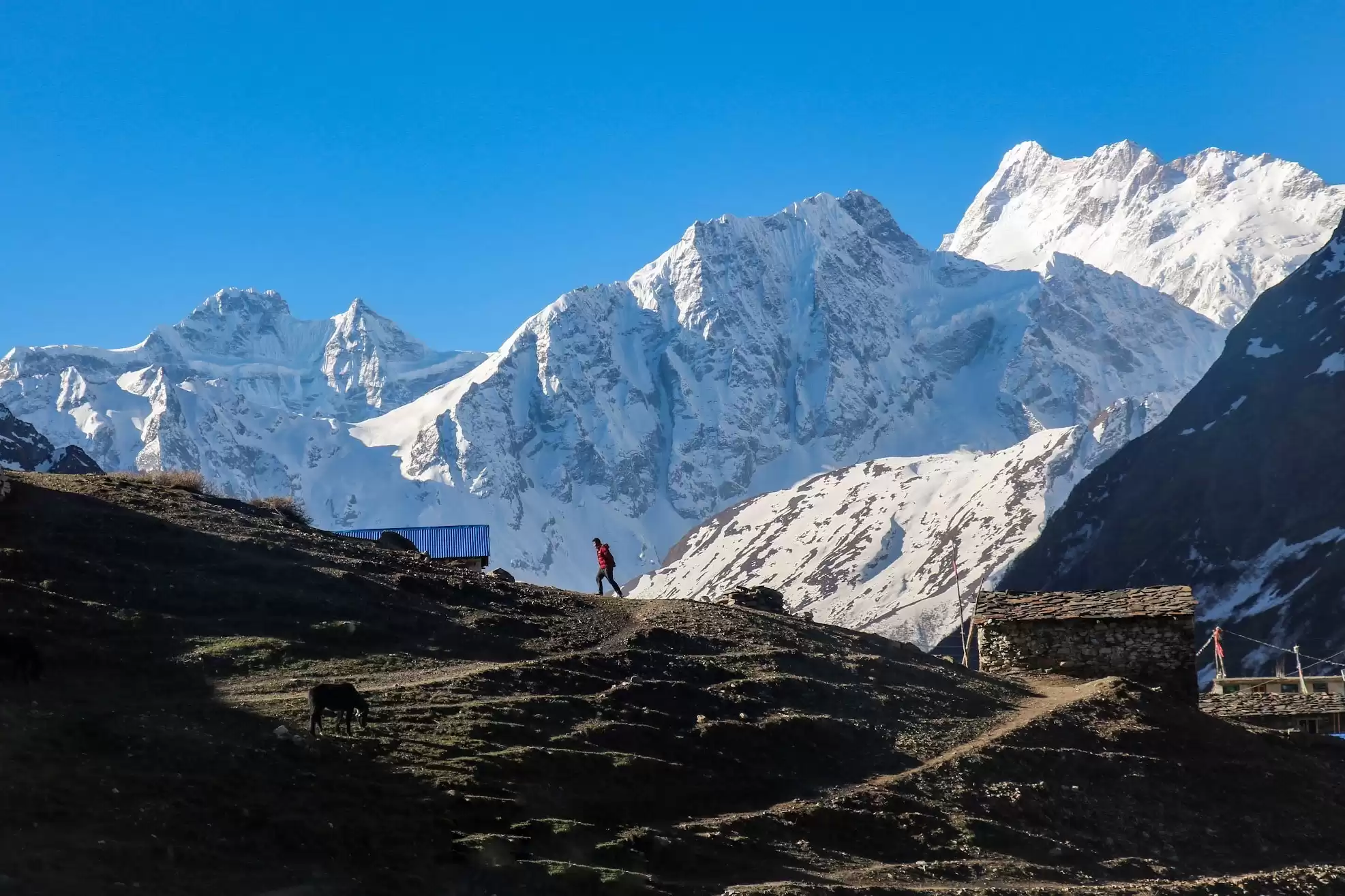
The Manaslu Circuit Trek represents one of Nepal's most magnificent yet remarkably uncrowded trekking adventures, circling Mount Manaslu—the world's eighth-highest peak at 8,163 meters. While thousands flock annually to the Everest Base Camp Trek and Annapurna Circuit Trek, the Manaslu region remains refreshingly pristine, offering authentic Himalayan experiences without the crowds that can diminish the magic of more popular routes.
This extraordinary trek follows the Buri Gandaki River from warm subtropical farmlands through temperate forests and into high alpine valleys, culminating in the challenging crossing of Larkya La Pass at 5,106 meters. The journey encompasses everything that makes Nepal legendary—towering snow peaks, ancient Buddhist culture influenced by Tibetan traditions, diverse ecosystems ranging from rice terraces to glacial moraines, and the warm hospitality of mountain communities living traditional lifestyles largely unchanged for centuries.
For trekkers seeking adventures beyond the well-trodden paths, Manaslu delivers spectacular mountain scenery comparable to Everest without the congestion, cultural richness rivaling any region in Nepal, the thrill of crossing a high mountain pass, and the satisfaction of completing one of Nepal's most rewarding tea-house treks. The region's restricted status until 1991 and continued special permit requirements have preserved its authentic character, creating an experience that recalls what the Annapurna Circuit was like before it became heavily trafficked.
The Manaslu region's designation as a restricted area means significantly fewer trekkers compared to the Everest or Annapurna regions. While popular routes might see hundreds of trekkers daily during peak season, Manaslu's trails remain pleasantly uncrowded. This relative solitude creates opportunities for genuine cultural interactions with local communities, peaceful mountain experiences without constant trail congestion, the ability to truly disconnect from the modern world, and encounters with wildlife spooked away from busier regions.
For trekkers who've completed popular routes like the Everest Three Passes Trek or Gokyo with Everest Base Camp via Cho-La Pass, Manaslu offers a refreshing contrast—the same caliber of mountain scenery and cultural richness without the crowded teahouses and busy trails.
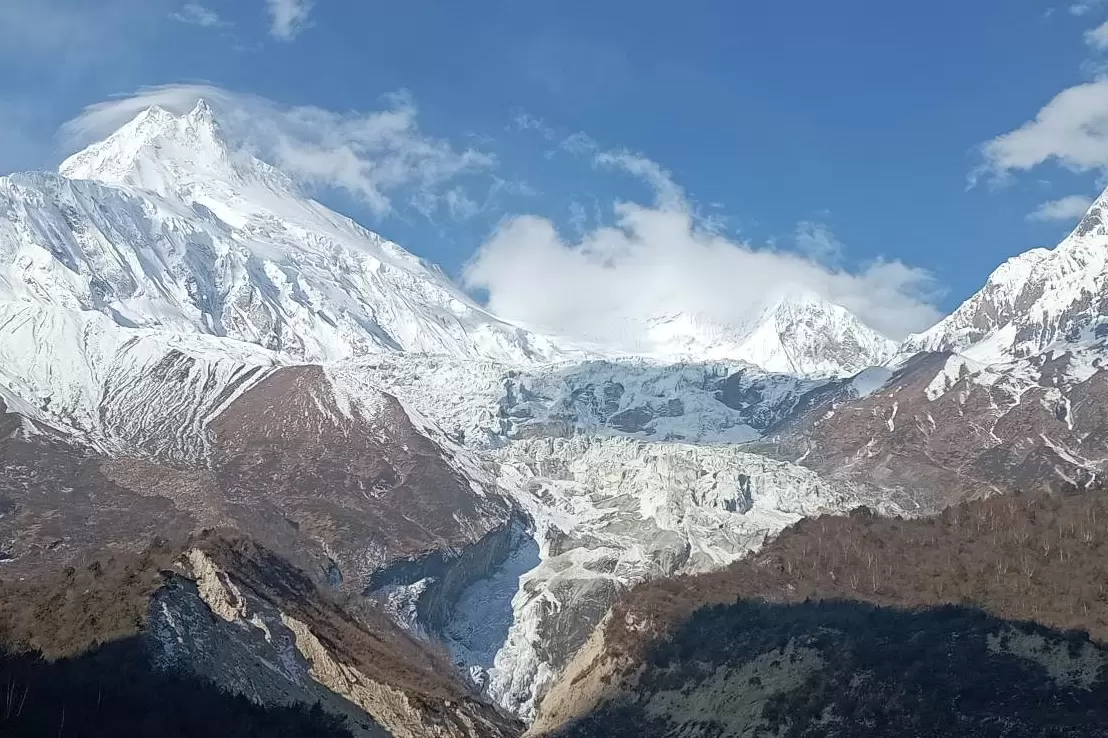
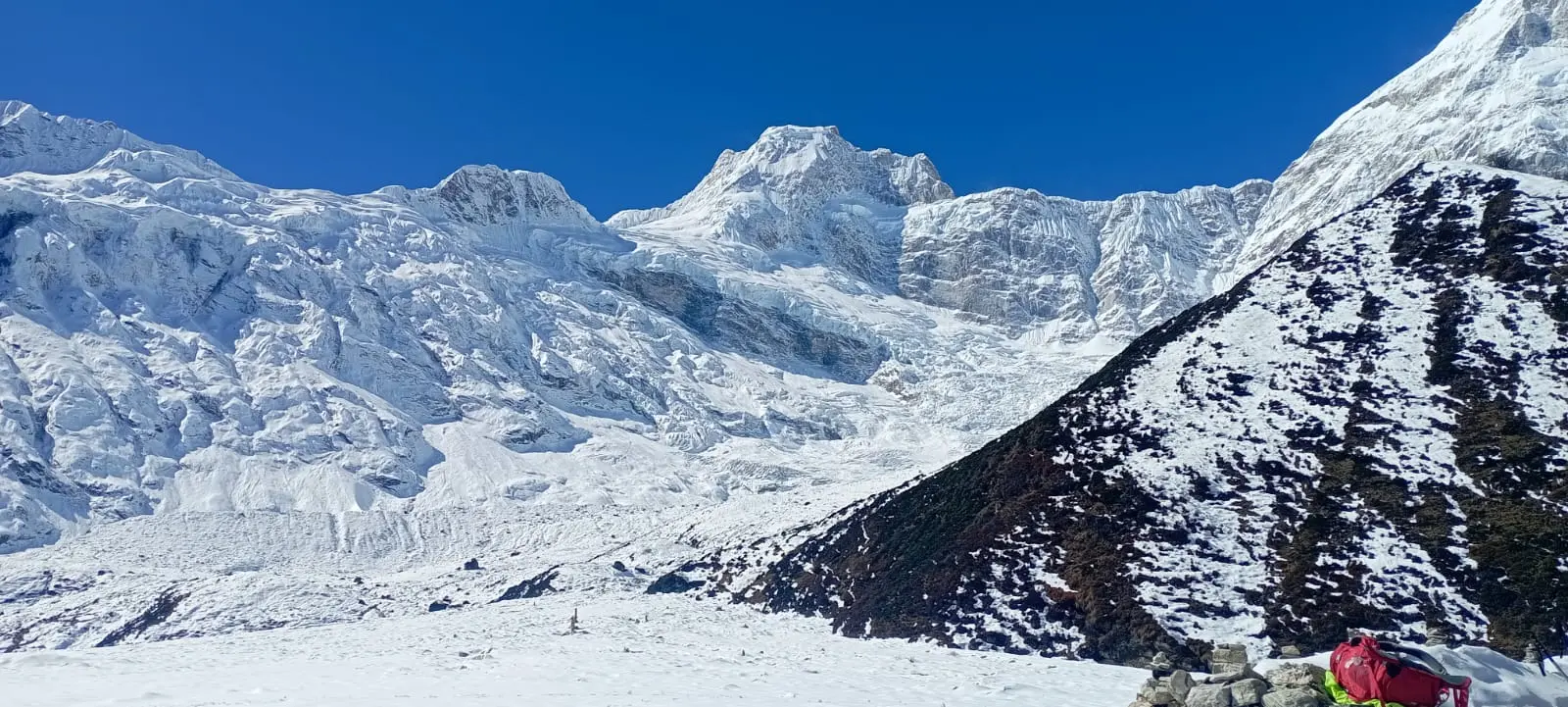
The Manaslu Himalayan range creates visual drama that rivals any region in Nepal. The circuit provides constantly changing perspectives on Mount Manaslu itself, one of Nepal's most beautiful eight-thousanders, with its massive North Face visible for days as you trek through the upper valley. Additional spectacular peaks include Himalchuli (7,893m), Ngadi Chuli (7,871m), Ganesh Himal range visible from eastern portions of the trek, Larke Peak and Cheo Himal framing the pass, and countless unnamed summits creating stunning panoramas.
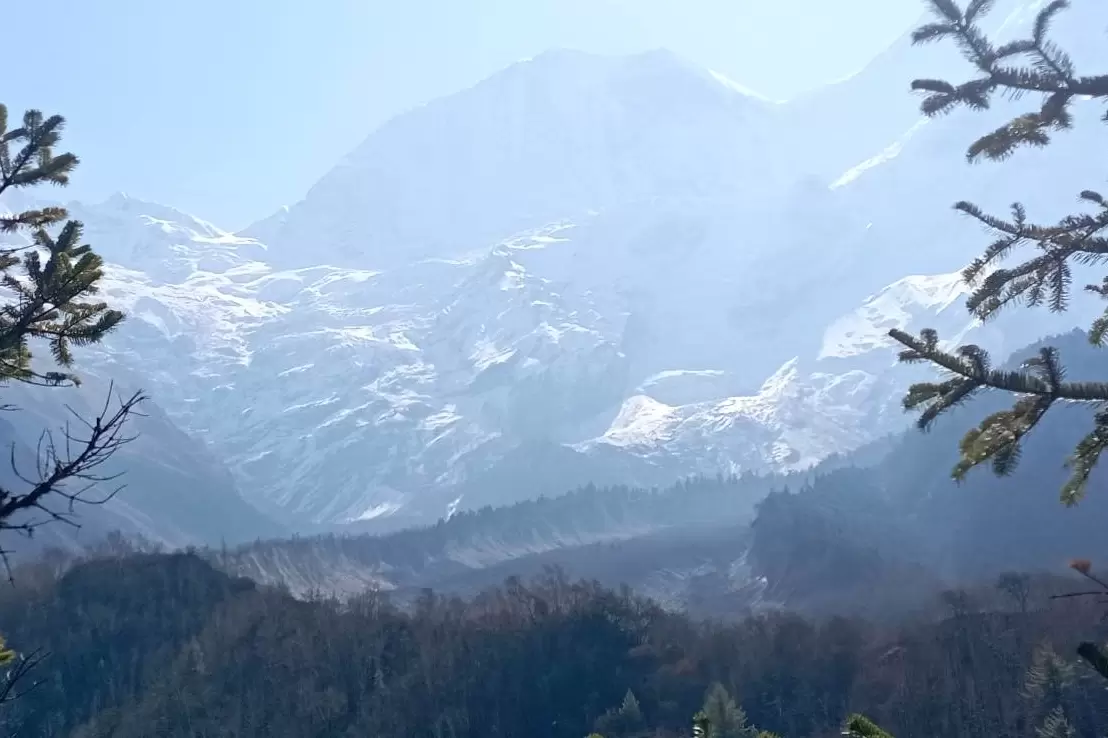
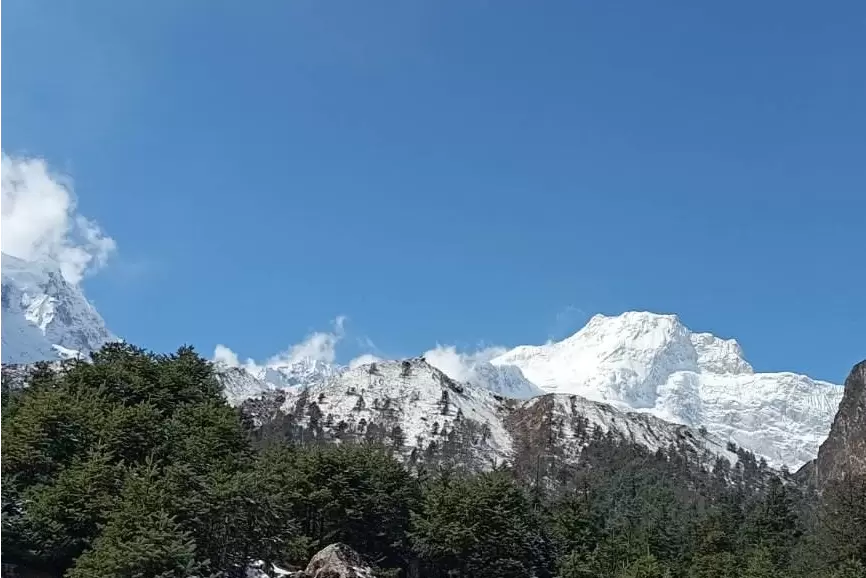
The trek's elevation gain creates remarkable ecological diversity—from subtropical farmland at Machha Khola around 900 meters through temperate rhododendron and pine forests in the middle elevations to high alpine meadows and glacial landscapes approaching Larkya La Pass. This variety keeps the trek visually engaging throughout, with dramatic scenery evolving daily.
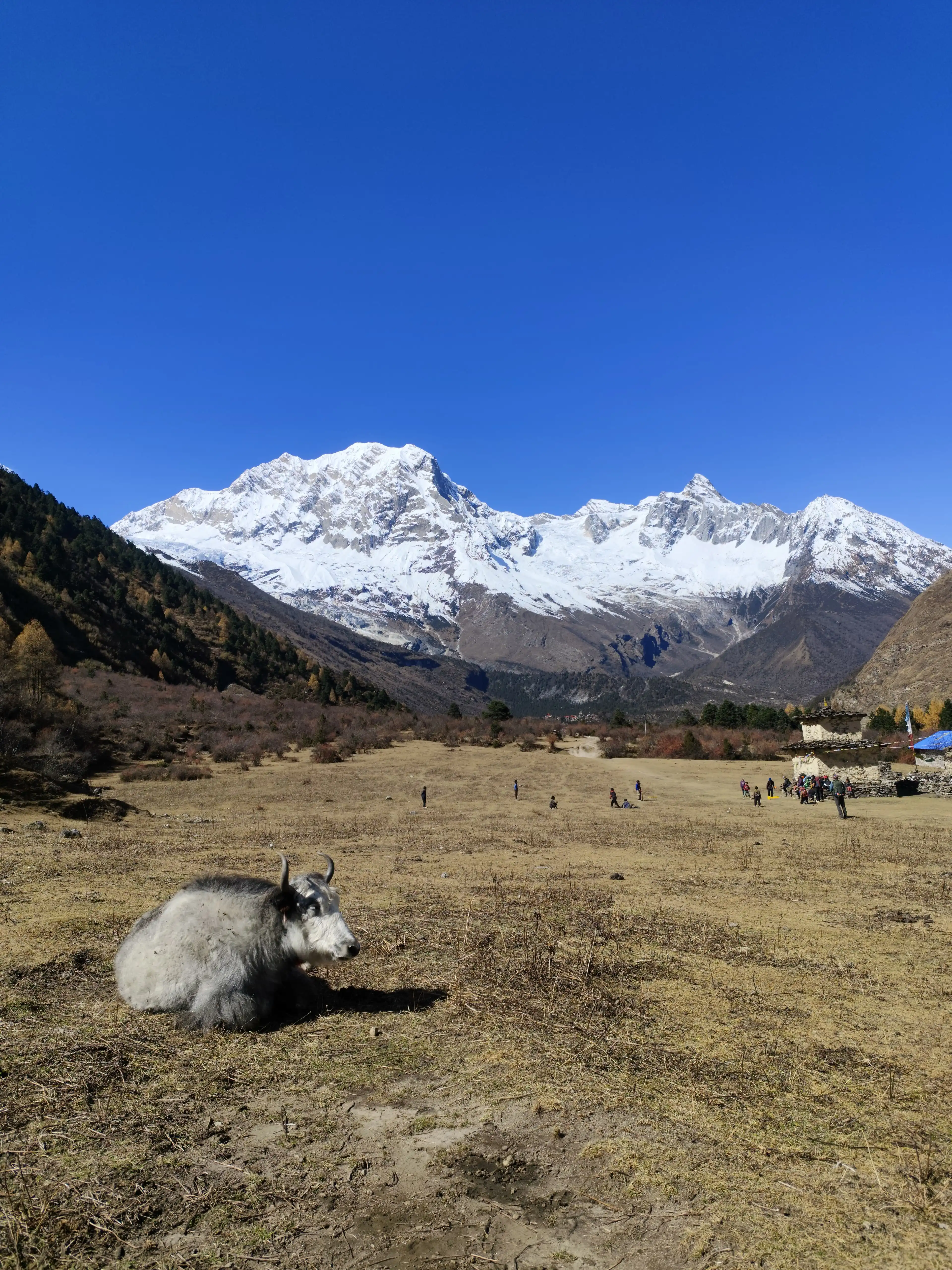
The Manaslu region's proximity to Tibet and its history as a salt trading route have created unique cultural fusion. The upper valleys, particularly from Lho Gaon onwards, feature strong Tibetan Buddhist influences visible in monasteries, chortens (stupas), prayer wheels and flags, traditional architecture, and local customs and dialects. The population descends largely from Tibetan traders who settled in these valleys centuries ago, maintaining cultural practices that have faded or changed elsewhere.
Village names like Sama Gaon, Samdo, and Dharmasala reflect this Tibetan heritage, while the lower valleys like Philim, Deng, and Namrung show fascinating cultural blending between Tibetan Buddhism and indigenous traditions. For trekkers interested in cultural immersion beyond merely viewing temples, Manaslu offers authentic experiences—from attending prayers at active monasteries to sharing butter tea with locals in their homes.
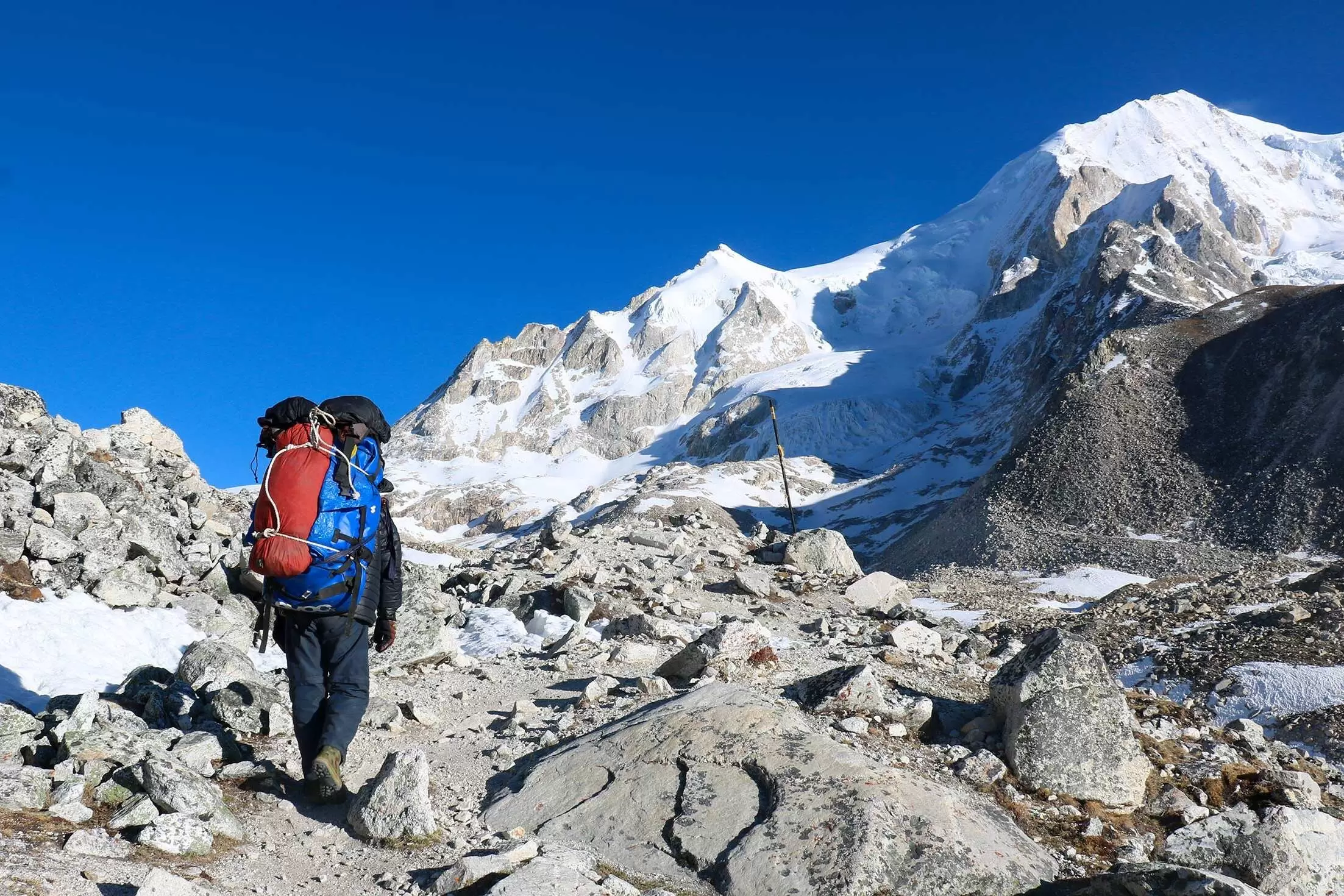
At 5,106 meters, the Larkya La Pass represents the trek's culminating challenge and crowning glory. While not requiring technical climbing skills, the pass demands proper acclimatization, good physical conditioning, appropriate gear for high-altitude conditions, and favorable weather for safe crossing. The crossing typically begins before dawn from Dharamsala (also called Larkya Phedi), with a steep climb through boulder fields and alongside glacial moraines, followed by an undulating traverse across the actual pass with prayer flags marking the highest point, and a long, knee-testing descent to Bimthang on the far side.
Standing atop Larkya La, surrounded by a 360-degree panorama of giant Himalayan peaks, creates one of trekking's most memorable moments. The sense of achievement—having crossed this high pass through your own efforts—adds profound satisfaction beyond merely viewing mountains from a distance.
For those who've tackled high passes on other treks like the Thorong La on the 10-day Annapurna Circuit or the Kongma La, Cho La, and Renjo La on the Everest Three Passes route, Larkya La offers comparable challenges with arguably superior mountain views and far fewer companions sharing the experience.
The adventure begins with a long but fascinating overland journey from Kathmandu, offering excellent opportunities to observe rural Nepalese life. The route follows the Prithvi Highway west toward Pokhara before diverting north through the Mid-Western hills toward Gorkha district—historically significant as the ancestral home of Nepal's Shah dynasty and gateway to the Manaslu region.
The drive typically takes 7-8 hours, though road conditions and traffic can extend this. The journey itself provides cultural insights as you pass through: traditional farming villages where agricultural methods haven't changed for generations, terraced hillsides creating geometric patterns across the landscape, roadside markets and tea shops where locals gather, and varied topography from subtropical river valleys to cooler hill environments.
Machha Khola, situated on the banks of the rushing Buri Gandaki River at approximately 900 meters elevation, serves as the trek's official starting point. This transition from motorable road to foot trail marks your entry into Manaslu's mountain world, where the pace slows and attentiveness to the journey replaces the hurry of modern life.
The trek's first days follow the Buri Gandaki River upstream through dramatic gorges, crossing suspension bridges, passing waterfalls, and climbing trails carved into cliff faces. The river, swollen and powerful during monsoon but more manageable in autumn and spring, provides constant companionship with its rhythmic roar.
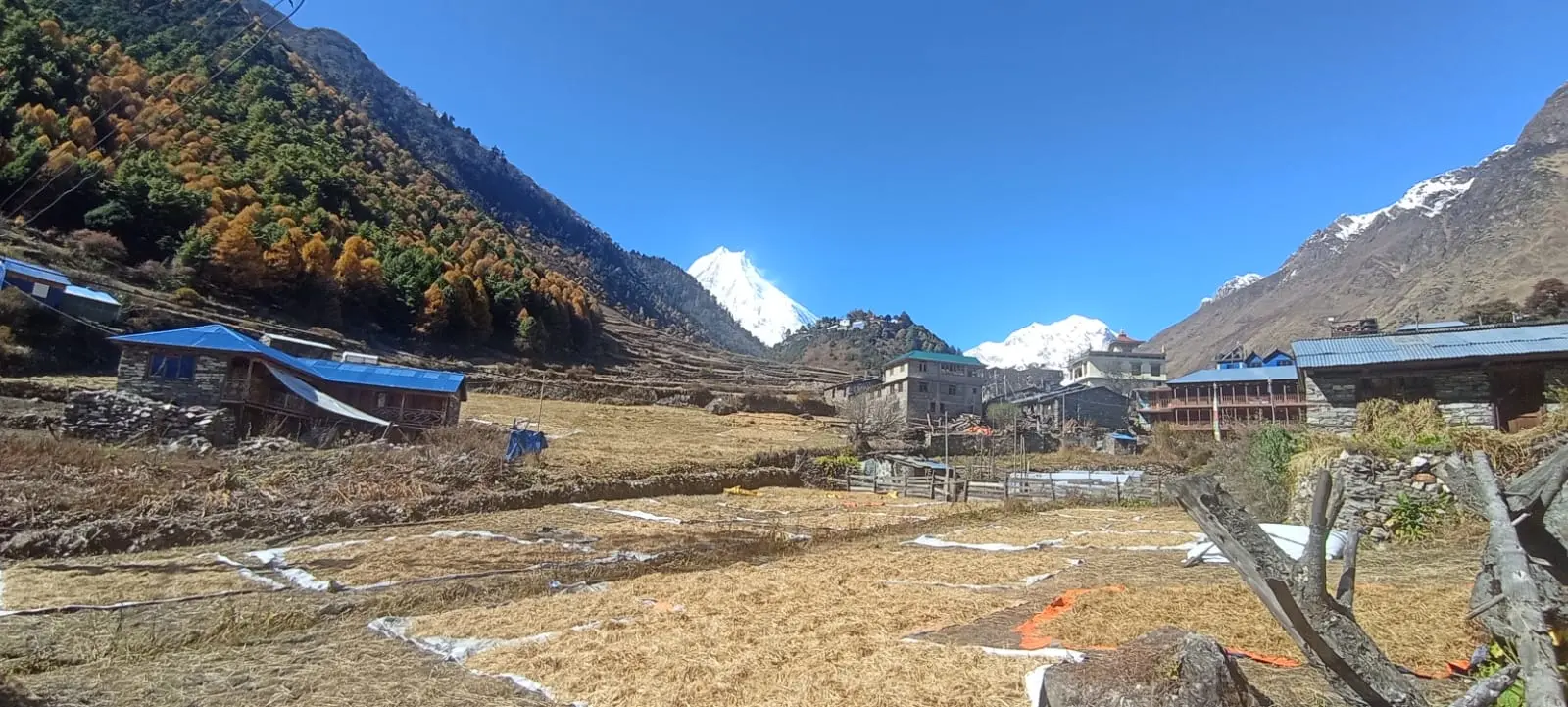
Villages en route include Jagat, marking the official entry into the Manaslu Conservation Area where you'll present your permits, Philim and Deng, showing the cultural transition toward more Tibetan-influenced communities, and Ghap and Prok, where prayer wheels and mani walls (stone walls carved with Buddhist mantras) become increasingly common. The trail oscillates between riverside paths and climbs high above the gorge when cliffs force elevation gains, creating varied terrain that keeps each day interesting.
The vegetation changes markedly as you gain altitude—subtropical species giving way to temperate forests of pine, rhododendron, and oak. During spring (March-May), rhododendron forests explode with blooms ranging from deep crimson to pale pink and white, creating spectacular natural gardens.
Namrung represents a significant milestone, situated at 2,630 meters where Tibetan cultural influences become dominant. The village architecture shifts to stone houses with flat roofs, Buddhist monasteries become more prominent, and locals increasingly follow traditional Tibetan customs. From Namrung, the first clear views of Manaslu's North Face emerge—a massive wall of ice and rock that dominates the skyline and marks your entry into the upper valley.
The section from Namrung through Lho to Sama Gaon showcases the Manaslu region at its cultural and scenic finest. Lho Gaon, situated at 3,180 meters directly beneath Manaslu's North Face, features a beautiful monastery perched above the village with prayer wheels, ancient murals, and monks maintaining centuries-old practices. The views from Lho encompass not only Manaslu but also Ngadi Chuli and surrounding peaks creating an amphitheater of snow-capped summits.
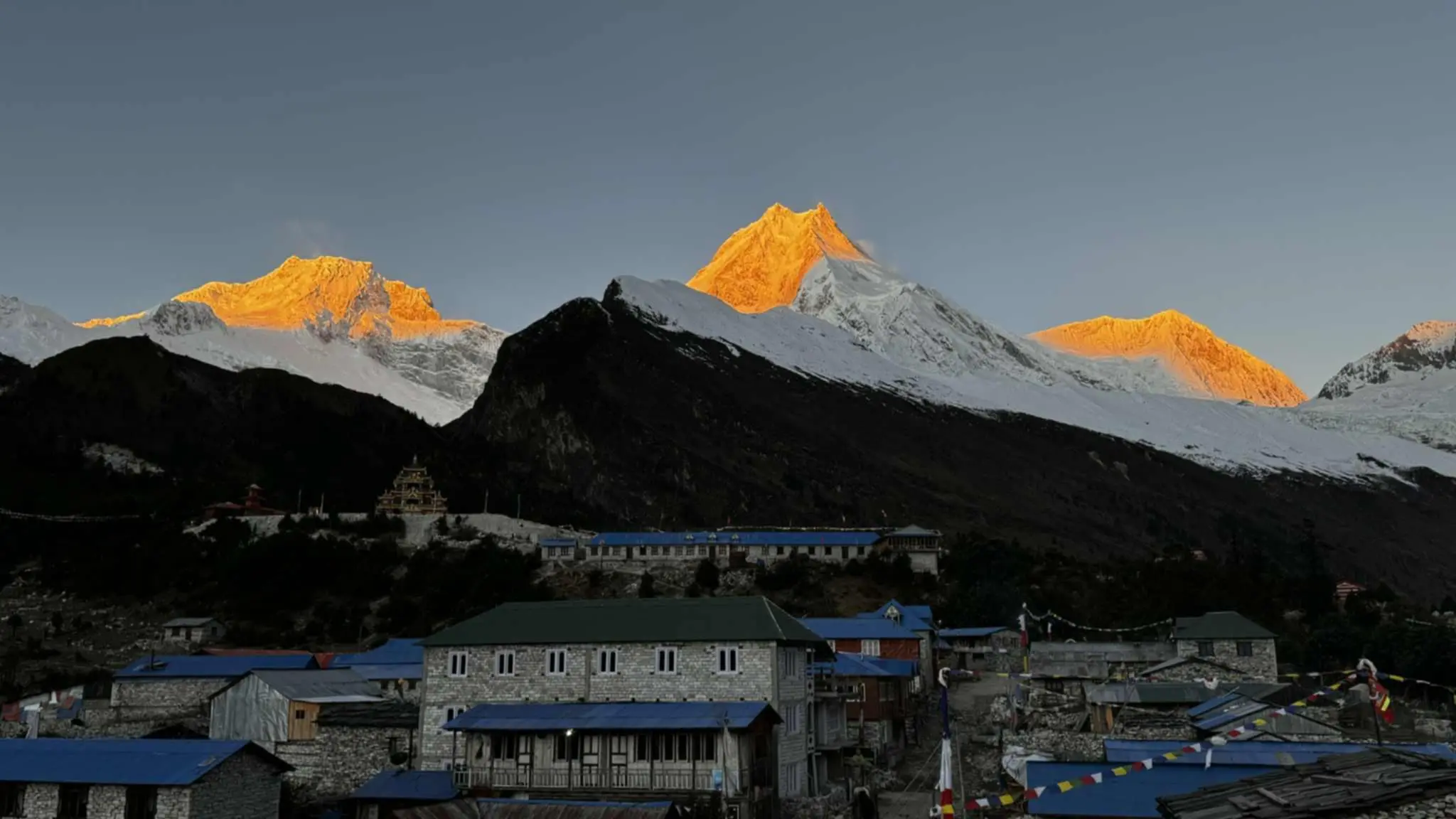
Shyala, a smaller village between Lho and Sama, offers a quieter atmosphere with spectacular mountain vistas. The trail section here provides some of the trek's best photography opportunities, particularly in early morning or late afternoon light when the peaks glow golden.
Sama Gaon (also spelled Samdo or Sama-Gaon—not to be confused with Samdo village higher up), situated at 3,530 meters, serves as the trek's primary acclimatization point. This substantial village features comfortable teahouses, a large monastery, and stunning 360-degree mountain views. Most itineraries schedule a rest day here, allowing your body to adjust to altitude while offering opportunities to: explore the village and monastery, hike to Manaslu Base Camp or Birendra Lake for additional acclimatization, interact with local families and learn about their lifestyles, or simply rest and enjoy the spectacular setting.
The acclimatization day proves crucial for safe passage over Larkya La Pass. Altitude sickness remains the primary health concern on this trek, and proper acclimatization dramatically reduces risks while increasing summit success rates.
From Sama Gaon, the trail continues climbing to Samdo village at approximately 3,860 meters, situated near the Tibetan border in an increasingly barren landscape. Samdo's strategic location made it historically important for trade between Nepal and Tibet, and the village retains this frontier atmosphere. The surrounding terrain grows more arid and windswept, reminiscent of the Tibetan Plateau visible in the distance.
Beyond Samdo, the trail traverses increasingly stark high-altitude terrain toward Dharamsala (also called Larkya Phedi, meaning "base of Larkya"). This final settlement before the pass sits at approximately 4,460 meters—high enough that trees cannot survive, leaving only hardy grasses and lichens coloring the rocky landscape.
Dharamsala consists of a few very basic stone structures offering simple shelter and meals. The accommodations are spartan—dormitory-style sleeping rooms, minimal heating, and basic food options—but adequate for one night before the pass crossing. Many trekkers struggle to sleep here due to altitude, excitement about the pass, and spartan conditions. This discomfort is temporary and part of the adventure.
The evening at Dharamsala should focus on preparation: organizing gear for an early start, hydrating and eating well despite possible appetite loss, getting maximum rest even if sleep proves elusive, and ensuring warm layers are readily accessible for the cold pre-dawn start.
Summit day typically begins around 3:00-4:00 AM, allowing time to reach the pass, enjoy the views, and descend safely before weather potentially deteriorates in the afternoon. The pre-dawn start in darkness, guided only by headlamps and the stars above, creates an otherworldly atmosphere as you begin the climb.
The initial section ascends steeply through boulder fields and moraine, requiring careful foot placement in the pre-dawn darkness. As daylight gradually illuminates the surrounding peaks, the landscape's scale becomes apparent—massive glaciers, towering summits, and the vast emptiness of the high Himalayas surrounding you.
The final approach to the pass undulates across a glacial valley, with the prayer flag-festooned summit visible ahead. The sight of those fluttering prayer flags, combined with the knowledge that you're nearing your goal, provides energy for the final push. Reaching the pass itself, marked by countless prayer flags and a small cairn, triggers profound emotions—achievement, relief, awe at the mountain panorama, and gratitude for the opportunity to stand in such a place.
The views from Larkya La encompass a stunning array of peaks: Manaslu dominating the western skyline, Cheo Himal and Larke Peak to the north, Himlung Himal, Kang Guru, and Annapurna II in other directions, and glaciers flowing like frozen rivers through valleys below. Take time here to absorb the experience, photograph the panorama, and simply exist in this remarkable high place before beginning the descent.
The descent to Bimthang is long and challenging, dropping approximately 700 meters over several hours through moraine, meadows, and eventually back into forested terrain. The knee-jarring downhill can be tough after the morning's exertions, but arriving at Bimthang's green meadows and comfortable lodges provides immense relief and satisfaction.
The final trekking days from Bimthang through Tilije, Thonje, and Dharapani descend through beautiful pine and rhododendron forests back to lower elevations. The rapid descent—from over 3,500 meters to below 2,000 meters in two days—can feel slightly anticlimactic after the high-altitude drama, but the landscape remains beautiful and the sense of accomplishment grows as you realize what you've achieved.
Dharapani, situated on the Annapurna Circuit trekking route, marks your return to "civilization" where jeepable roads end (or begin, depending on perspective). This connection point between the Manaslu and Annapurna circuits reminds you that you've traversed from one major trekking region to another through high mountain passes and remote valleys—a significant achievement.
The drive from Dharapani back to Kathmandu via Besisahar and the Prithvi Highway typically takes a full day, winding through river valleys and hill country as you return to the capital. This transition time allows reflection on the trek's experiences and challenges while readjusting to the pace and sensory overload of city life.
Autumn represents peak trekking season for Manaslu, offering optimal conditions in nearly every respect. The monsoon rains have cleared, leaving skies crystal clear and mountain views spectacular. Temperatures remain comfortable for trekking—warm during the day at lower elevations, cool but manageable at higher altitudes. The Larkya La Pass, while cold, remains crossable with proper gear.
Specific advantages of autumn trekking include: stable weather patterns with minimal precipitation, exceptional visibility for mountain photography, comfortable trekking temperatures in the valleys, harvest season providing cultural interest as villages bring in crops, and post-monsoon lushness creating verdant landscapes.
The main drawback is popularity—while Manaslu remains far less crowded than Everest or Annapurna, autumn sees peak trekker numbers. Teahouse accommodations can fill up, particularly at Sama Gaon and Dharamsala during October. Booking through a reputable agency like Himalayan Forever ensures room reservations and smooth logistics.
Spring provides Manaslu's second optimal trekking window, with conditions nearly as good as autumn and several unique advantages. The warming weather melts snow from the pass, temperatures rise from winter lows creating comfortable trekking, rhododendron forests burst into spectacular bloom, and wildlife becomes more active and visible after winter.
The primary consideration involves afternoon clouds that sometimes develop, particularly later in the season (April-May), potentially obscuring mountain views. These typically clear overnight, providing excellent morning visibility, but can mean fewer clear afternoon photo opportunities compared to autumn.
Spring sees fewer trekkers than autumn, creating even more solitude on the trails. For trekkers who've experienced crowded conditions on routes like the Everest Base Camp Trek during peak season, spring Manaslu offers a more peaceful alternative.
Winter (December-February) trekking on Manaslu is possible but challenging. The Larkya La Pass accumulates significant snow, requiring potentially dangerous conditions for crossing. Temperatures drop dramatically, particularly at higher elevations, teahouses at higher elevations may close for the season, and shorter daylight hours compress the trekking day. However, crystal-clear skies and absolute solitude attract hardy adventurers willing to accept the challenges.
Monsoon season (June-August) is generally not recommended for the Manaslu Circuit. Heavy rains create muddy, slippery trails, leeches proliferate at lower elevations, clouds obscure mountain views most of the time, and the Larkya La Pass becomes treacherous with snow and ice. The region lies partially in the rain shadow of Annapurna and Dhaulagiri, receiving somewhat less precipitation than southern Nepal, but still enough to make trekking uncomfortable and risky.
For those specifically interested in off-season trekking who've experienced similar on routes like the Upper Mustang Trek or Upper Dolpo Trek during monsoon, Manaslu presents similar challenges but less favorable rain shadow protection.
The Manaslu region's designation as a restricted area means special permits are required beyond the standard trekking permits needed elsewhere in Nepal. These restrictions serve conservation and cultural preservation purposes while controlling visitor numbers. The permits required include:
Manaslu Restricted Area Permit (RAP): Issued by the Department of Immigration, this permit is mandatory for entering the Manaslu region from Jagat onwards. The fee structure varies by season: September-November (peak): $100 for the first week, $15 per additional day, December-August (off-peak): $75 for the first week, $10 per additional day. These rates apply per person and must be obtained through a registered trekking agency—individual trekkers cannot secure this permit independently.
Manaslu Conservation Area Permit (MCAP): Issued by MCAP itself, this permit funds conservation efforts in the region and costs NPR 3,000 per person (approximately $30). The fees support sustainable tourism initiatives, wildlife protection, trail maintenance, and community development projects.
Annapurna Conservation Area Permit (ACAP): Required for NPR 3,000 per person because the final section from Dharapani falls within the Annapurna Conservation Area. This permit supports similar conservation work in the Annapurna region.
Himalayan Forever handles all permit arrangements for clients, navigating the bureaucracy and ensuring proper documentation. The permits require several business days to process, so advance planning is essential—booking your trek at least 2-3 weeks before departure allows adequate time for permit acquisition.
The restricted status comes with specific requirements that differ from unrestricted regions:
Minimum Group Size: At least two trekkers must travel together, though this can be two individuals joining forces who don't know each other previously. Solo trekking is not permitted in the restricted area.
Licensed Guide Requirement: A government-licensed guide must accompany all treks through the Manaslu region. This requirement ensures trekker safety, supports local employment, and helps preserve cultural and environmental integrity.
Organized Trek: The trek must be organized through a registered trekking agency. Himalayan Forever, as a fully licensed and experienced operator, provides complete logistics including permits, experienced guides, porter services if desired, accommodation arrangements, and emergency support systems.
These regulations, while adding structure and cost compared to independent trekking on unrestricted routes like the Annapurna Base Camp Trek, actually enhance the experience by: ensuring proper guide knowledge and safety protocols, supporting local economies through fair employment, limiting environmental impact through controlled numbers, and providing backup systems for emergencies.
The Manaslu Circuit follows a teahouse trekking system similar to Everest and Annapurna regions, eliminating the need for camping equipment and allowing lighter packs. Teahouses vary from basic to surprisingly comfortable, with standards generally improving in recent years as tourism develops.
Lower elevations (Machha Khola to Namrung) feature relatively comfortable lodges with private rooms (though sharing may be necessary during busy periods), attached or nearby bathrooms (varying cleanliness), hot showers (usually solar or gas-heated, sometimes available for a fee), and dining rooms with wood stoves for warmth.
Upper elevations (Lho, Sama Gaon, Samdo) offer more basic but adequate facilities with smaller rooms and thinner walls, shared bathroom facilities, less reliable hot water, simpler dining spaces, but still providing warmth, meals, and shelter. The teahouse at Dharamsala before Larkya La represents the most basic accommodation—dormitory-style sleeping, minimal heating, very simple facilities—but serves its purpose for one night before the pass.
After crossing to Bimthang and descending toward Dharapani, accommodations improve again as you reenter more developed trekking infrastructure. Rooms typically cost NPR 200-500 per night (essentially free if you eat meals there), bedding is provided (though sleeping bags add warmth and hygiene), and facilities improve yearly as tourism grows.
Teahouse menus throughout Manaslu offer surprising variety given the remote locations. Standard offerings include dal bhat (lentil soup with rice—the Nepali staple providing unlimited refills and excellent energy), momo (Tibetan-style dumplings stuffed with vegetables or meat), fried rice and noodle dishes, soups and bread, Western-style items like pizza, pasta, and pancakes (varying quality), and hot drinks including tea, coffee, and hot chocolate.
Food quality generally remains good throughout the trek, with fresh vegetables available at lower elevations becoming less common higher up as transport becomes more difficult. At Sama Gaon and above, menus become more limited and ingredients are either dried, canned, or carried up from lower valleys.
Nutritional advice for the trek includes eating plenty of carbohydrates for energy, maintaining hydration (3-4 liters daily at altitude), choosing cooked foods over raw to avoid stomach issues, and eating dal bhat regularly—the "Dal bhat power 24 hour" saying exists for good reason, providing complete nutrition and sustained energy.
Meal costs range from NPR 500-800 for main dishes, increasing with altitude as transport costs rise. Budgeting approximately $25-30 per day covers meals, accommodation, and incidentals like hot showers and device charging.
The Manaslu Circuit demands good physical condition—while not requiring technical mountaineering skills, the trek involves considerable challenges that test both strength and endurance. Trekkers should realistically assess whether they're prepared for: consecutive days of 5-8 hours trekking with elevation gains of 500-1,200 meters per day, carrying a daypack (10-15kg if using porters, more if carrying full gear), managing steep ascents and descents on rough, sometimes exposed trails, and functioning effectively at high altitudes up to 5,106 meters.
Most people in reasonable physical condition can complete the Manaslu Circuit with proper preparation, but understanding what "reasonable condition" means helps ensure success and enjoyment rather than suffering through an ordeal.
Ideally, begin training 2-3 months before your trek, focusing on building both cardiovascular endurance and leg strength. Effective preparation includes:
Cardiovascular Training: Regular hiking with weighted backpack (building to 10-12 kg), long walks or runs (building to 2-3 hour sessions), stair climbing or step aerobics, and cycling or swimming for variety and cross-training. Aim for 4-5 cardio sessions weekly, gradually increasing intensity and duration.
Strength Training: Focus on legs (squats, lunges, step-ups, calf raises), core strengthening (planks, crunches, balance work), and upper body (modest upper body work for balance). Include 2-3 strength sessions weekly.
Flexibility and Balance: Yoga or stretching routines, balance exercises (important for steep, uneven trails), and rest days for recovery and injury prevention.
Acclimatization: Unfortunately, you can't train for altitude at sea level. The trek's itinerary builds in gradual ascent and rest days for acclimatization, but genetic factors influence altitude response. Listening to your body and communicating openly with your guide about symptoms ensures safety.
Those who've successfully completed other high-altitude treks like the Everest Three Passes Trek or Gokyo Valley Trek have proven their altitude tolerance and should feel confident about Manaslu's challenges.
The Manaslu Circuit's elevation range (900m to 5,106m) creates dramatic temperature variations requiring a comprehensive layering system.
Base Layers: Moisture-wicking thermal tops and bottoms (2-3 sets), lightweight trekking shirts (2-3), trekking pants/convertible pants (2 pairs), and underwear and socks (sufficient for trip duration).
Insulation Layers: Fleece or down jacket (essential for high altitude), insulated vest or additional mid-layer, and lightweight down jacket or synthetic equivalent.
Outer Layers: Waterproof, windproof jacket (Gore-Tex or similar), waterproof pants or rain pants, and warm hat, sun hat, and buff or scarf.
Extremities: Warm gloves (waterproof outer, warm liner), trekking boots (broken in before departure), camp shoes or sandals for evenings, and wool or synthetic hiking socks (4-5 pairs).
Backpack: 40-50L daypack if using porters, 60-70L if carrying everything yourself.
Sleeping: Sleeping bag rated to -10°C to -15°C (high-altitude nights get very cold), sleeping bag liner (adds warmth and hygiene).
Trekking Essentials: Trekking poles (highly recommended for descents), headlamp with extra batteries, water bottles or hydration system (2L minimum capacity), water purification (tablets, filter, or SteriPEN), sunglasses (Category 4 recommended for snow glare), sunscreen (SPF 50+) and lip balm, basic first aid kit, toiletries and quick-dry towel, and camera and electronics with charging capabilities.
Documents: Passport and visa, permit copies (arranged by agency), travel insurance documents, and emergency contact information.
Himalayan Forever provides gear rental services in Kathmandu for items like sleeping bags, down jackets, and trekking poles if you don't wish to purchase or travel with bulky items.
For trekkers with extra time, the Tsum Valley and Manaslu Circuit Trek combines two remarkable regions into one comprehensive journey. The Tsum Valley, a hidden Himalayan valley north of the main Manaslu circuit, features ancient Tibetan Buddhist culture largely unchanged for centuries, spectacular mountain views including Ganesh Himal, remote monasteries and villages, and a sacred valley atmosphere (filming locations for "Himalaya" movie).
The combined trek typically requires 22-24 days, adding a 7-8 day detour from the main circuit route. This extension suits trekkers seeking deeper cultural immersion and those willing to invest extra time for a truly comprehensive Manaslu region experience.
For those with time constraints, a 10-day Manaslu Trek condenses the experience by: starting from higher elevations (driving further before beginning the trek), eliminating some acclimatization days, and moving faster through lower sections.
While possible, the compressed itinerary increases altitude sickness risk and reduces time for cultural interaction and mountain appreciation. The full 16-day circuit provides much better acclimatization and allows for a more relaxed, enjoyable experience. For those considering shorter variations, previous high-altitude experience and proven altitude tolerance are essential.
Himalayan Forever offers a Manaslu Circuit Budget Trek providing the same route and guide services at reduced cost through: more basic teahouse selections, larger group sizes to share costs, simplified service packages, and excluded optional expenses.
Budget treks maintain safety standards and quality guiding while reducing overall costs for price-conscious trekkers. This option attracts younger travelers, those extending their Nepal adventures across multiple treks, and anyone seeking value without compromising the core experience.
Acute Mountain Sickness (AMS) represents the primary health concern on the Manaslu Circuit. The trek's itinerary incorporates proper acclimatization through gradual ascent (following "climb high, sleep low" principles where possible), rest days at Sama Gaon and potentially Samdo, and daily elevation gains kept to reasonable levels (generally 300-600 meters).
Recognizing AMS symptoms proves crucial: headache, nausea and loss of appetite, dizziness and fatigue, difficulty sleeping, and shortness of breath beyond normal exertion. Mild symptoms often resolve with rest, hydration, and no further ascent. Worsening or severe symptoms require immediate descent.
Prevention strategies include: ascending slowly (never rushing the itinerary), staying well-hydrated (3-4 liters daily), avoiding alcohol and sleeping pills at altitude, eating adequately despite possible appetite loss, and communicating openly with guides about any symptoms.
Some trekkers take Diamox (acetazolamide) as preventive medication. Consult your doctor before departure about whether this suits your situation.
Himalayan Forever maintains comprehensive emergency protocols including experienced guides trained in altitude sickness recognition and wilderness first aid, communication systems for contacting support if needed, helicopter evacuation arrangements through insurance companies, and partnerships with Kathmandu medical facilities for serious issues.
Comprehensive travel insurance covering high-altitude trekking and helicopter evacuation is absolutely mandatory. Most standard travel insurance excludes trekking above certain altitudes, so specifically purchasing adventure/trekking coverage ensures protection. Verify your policy covers: medical treatment up to at least $100,000, helicopter evacuation from 6,000+ meters, repatriation to home country if necessary, and trip cancellation/interruption coverage.
The Manaslu Conservation Area's protected status reflects the region's ecological importance and requires trekker participation in preservation efforts.
Leave No Trace Principles: Carry out all non-biodegradable waste (wrappers, batteries, toiletries), dispose of waste properly at designated facilities, minimize plastic use (refillable water bottles with purification), stay on established trails (erosion prevention), and respect wildlife (observation from distance, no feeding).
Cultural Respect: Ask permission before photographing people, dress modestly (covering shoulders and knees), remove shoes before entering monasteries and homes, walk clockwise around religious structures, avoid pointing feet at religious objects or people, and support local economies (purchasing crafts from artisans, eating at local establishments).
Resource Conservation: Minimize shower time (water and fuel conservation), order food thoughtfully (reducing waste), choose lodges with solar power where possible, and avoid requesting wood fires (deforestation concerns).
Himalayan Forever emphasizes sustainable tourism, working with local communities to ensure tourism benefits reach them while protecting the environment and culture that make the region special.
With over 25 years organizing treks throughout Nepal including countless successful Manaslu Circuits, Himalayan Forever brings unmatched expertise to your journey. Our advantages include government registration and full licensing (TAAN, NMA memberships), experienced guides with extensive Manaslu knowledge, proven safety records and emergency protocols, smooth permit processing and logistics, and responsive customer service before, during, and after your trek.
Our guides aren't just trail navigators—they're cultural interpreters who bring the region alive through their knowledge of Buddhism, local customs, natural history, and mountain lore. Many have completed the circuit dozens of times and know every lodge owner, monastery monk, and trail condition intimately.
We understand that every trekker brings unique interests, capabilities, and preferences. Himalayan Forever customizes itineraries to match: physical fitness levels and altitude experience, pace preferences (standard vs. relaxed schedules), cultural vs. nature focus (more monastery visits vs. more nature time), budget considerations (standard, comfort, or budget options), and special interests (photography, bird watching, cultural deep-dives).
Whether you're a solo traveler joining a group, a couple seeking a private trek, or a larger group of friends or family, we create experiences that match your vision while maintaining safety and quality standards.
Himalayan Forever provides complete trek support including pre-trek briefing in Kathmandu covering route details, gear checks, and questions, quality equipment rentals if needed, experienced guide and porter services, accommodation and meal arrangements, permit processing and documentation, and post-trek support for feedback or future planning.
Our Kathmandu office remains accessible throughout your trek, providing backup support if needed. While our guides handle all on-trail situations, knowing additional resources exist provides peace of mind for trekkers and their families.
We're committed to fair wages and working conditions for guides and porters, supporting local communities through employment and purchasing, environmental protection through Leave No Trace practices, cultural preservation through respectful tourism, and transparent pricing without hidden costs.
This ethical approach ensures your tourism dollars support local livelihoods and environmental protection, creating positive impacts that extend beyond your immediate experience.
The Manaslu Circuit's conclusion at Dharapani on the Annapurna Circuit creates natural opportunities for extended adventures. Trekkers with extra time might continue on the Annapurna Circuit to Manang, Thorong La, and Jomsom, visit Annapurna Base Camp from Pokhara after completing Manaslu, or explore the Mardi Himal Trek for a shorter addition.
These combinations create comprehensive Himalayan experiences showcasing multiple regions' unique characteristics—Manaslu's solitude and pristine nature followed by Annapurna's developed infrastructure and cultural richness.
For those seeking multi-trek itineraries without excessive time commitment, shorter options like the Ghorepani Poon Hill Trek before or after Manaslu, Langtang Valley Trek as a pre-Manaslu acclimatization trek, or Pikey Peak Trek for Everest views without the commitment work well.
These combinations allow experiencing diverse Himalayan landscapes and cultures within 3-4 weeks total, maximizing Nepal adventure within typical vacation constraints.
Balancing trekking with cultural exploration creates well-rounded Nepal experiences. Consider combining Manaslu with Kathmandu Valley sightseeing, Chitwan Jungle Safari for wildlife encounters, or Pokhara and Lumbini Tour visiting Buddha's birthplace.
These extensions provide cultural context for the mountain experiences, showcase Nepal's diversity beyond the Himalayas, and offer relaxation between or after strenuous trekking.
Both treks offer world-class mountain scenery and cross high passes, but differ significantly in character. The Everest Base Camp Trek provides the prestige of reaching the world's highest mountain's base, well-developed infrastructure with comfortable lodges, strong Sherpa cultural experiences, and the excitement (or stress) of sharing trails with many other trekkers.
Manaslu offers comparable mountain scenery with different peaks, significantly fewer crowds and more solitude, Tibetan Buddhist culture (different from Sherpa Buddhism), and the adventure of a more remote, less developed region. Maximum elevation is actually higher on Manaslu (5,106m vs. 5,364m at Kala Patthar).
For those who've completed Everest and loved it, Manaslu provides similar rewards without repeating the same experience. For first-time Himalayan trekkers torn between the two, consider whether prestige or solitude matters more—both deliver spectacular mountains and cultural richness.
The Annapurna Circuit and Manaslu Circuit share many characteristics—both circle a major Himalayan massif, cross high passes, transition through multiple climate zones, and showcase Hindu-Buddhist cultural blending. However, Annapurna has become increasingly developed with road access eliminating sections of trail, more commercial infrastructure, and significantly more trekkers. The route offers incredible geographic diversity (from subtropical jungle to high desert), established trekking culture and services, and the famous pilgrimage site at Muktinath.
Manaslu maintains more pristine character with roads not yet replacing trails, rougher infrastructure creating more adventure, fewer trekkers throughout, and a more consistently "wild" feeling. The Larkya La Pass at 5,106m is actually higher than Thorong La at 5,416m despite common perception.
For trekkers who completed Annapurna years ago and loved it, Manaslu offers what Annapurna once was. For those choosing between them, Manaslu provides a more adventurous, solitary experience while Annapurna offers more amenities and easier logistics.
Compared to truly remote treks like Upper Dolpo, Lower Dolpo, or Kanchenjunga Base Camp, Manaslu strikes a middle ground. These ultra-remote regions offer even greater solitude and cultural preservation, require full camping with greater logistical complexity, demand more time (typically 20+ days), and present greater physical challenges.
Manaslu provides substantial remoteness and adventure while maintaining teahouse infrastructure (no camping required), moderate duration (16 days standard), and more accessible logistics. For trekkers seeking off-the-beaten-path experiences without the full commitment of expedition-style camping treks, Manaslu hits the sweet spot.
The Manaslu Circuit rates as moderate to challenging, primarily due to altitude rather than technical difficulty. Trekkers need good cardiovascular fitness, ability to walk 5-8 hours daily, tolerance for basic accommodations at high altitude, and mental resilience for challenging conditions. Previous high-altitude trekking experience helps but isn't absolutely required—many first-time Himalayan trekkers successfully complete Manaslu with proper preparation and realistic expectations.
The trek is more challenging than Ghorepani Poon Hill or Langtang Valley, comparable to Annapurna Base Camp or standard Everest Base Camp, and less demanding than Everest Three Passes or Upper Dolpo.
The restricted area regulations require a minimum of two trekkers, so truly solo trekking isn't permitted. However, "solo" travelers have several options: join a scheduled group departure (meeting other trekkers), find another individual trekker to partner with, or book a private trek with just you and the guide/porter staff.
Himalayan Forever can help solo travelers connect with others or organize private treks suited to individual schedules. Many solo travelers actually prefer joining groups, finding the camaraderie enhances rather than detracts from the experience.
Phone signal exists intermittently up to Sama Gaon, becoming unreliable higher. Most lodges offer WiFi (paid), though connection quality and speed decrease with altitude. Electricity is available at most lodges for charging devices (often for a small fee), powered by solar panels at higher elevations. Bringing battery packs and being strategic about charging ensures device availability throughout the trek.
Don't expect to remain constantly connected—embrace the digital detox as part of the experience. Emergency communication systems (satellite phones) exist through guide services if needed.
Beyond the trek package cost (which includes guides, permits, most logistics), budget for meals and accommodation (covered if in package or $25-30 daily if separate), hot showers and device charging ($2-5 per use), tips for guides and porters (typically 10-15% of package cost), drinks and snacks, and personal gear purchases or rentals.
Total additional expenses typically range from $400-600 for the trek duration beyond the package cost, though this varies based on personal spending habits and whether meals/accommodation are included in your package.
Your guide carries first aid supplies and has wilderness first aid training. Most issues (minor illnesses, blisters, stomach troubles) can be managed on the trail. For serious problems, evacuation options include walking out (if able), porter-assisted evacuation, or helicopter evacuation (requires travel insurance). Himalayan Forever maintains emergency protocols and communication systems for managing medical situations.
The best prevention involves proper acclimatization, good hygiene practices, staying hydrated and well-fed, and honest communication with guides about symptoms. Most trekkers complete Manaslu without significant health issues if they follow basic precautions.
Trek days typically follow a pattern: wake around 6:00-7:00 AM, breakfast and pack, begin trekking around 7:30-8:00 AM, morning hiking session (3-4 hours), lunch stop at a village en route, afternoon hiking session (2-3 hours), arrival at destination around 3:00-4:00 PM, rest and explore village, dinner and socializing, and early bed (8:00-9:00 PM) for rest and altitude acclimatization.
This rhythm creates meditative simplicity—wake, walk, eat, sleep, repeat. The lack of distractions and demands allows full presence in each moment, one of trekking's great gifts.
The teahouse system creates natural social opportunities. Dining rooms become communal spaces where trekkers from various countries share tables, swap stories, and form temporary communities. Guides often eat separately, respecting client privacy while remaining available if needed.
Some trekkers cherish this social aspect, while others prefer solitude. The beauty of Manaslu's relative uncrowding means both are possible—engage when you want company, retreat to private rooms when you need quiet.
Beyond physical challenge, treks like Manaslu offer emotional and psychological experiences many find profoundly meaningful. The sustained effort required creates a meditative state where daily concerns fade, natural beauty inspires awe and perspective, cultural encounters challenge assumptions, and personal limits are tested and often exceeded.
Many trekkers report returning home changed—more confident, more grateful, clearer about priorities. The mountains have a way of stripping away superficialities, leaving you face-to-face with fundamental questions about who you are and what matters. This introspective dimension, while unpredictable, often proves as valuable as the stunning scenery and cultural encounters.
The Manaslu Circuit Trek offers one of Nepal's most rewarding trekking experiences for those seeking adventure beyond the well-trodden paths. This magnificent journey delivers spectacular mountain scenery rivaling any trek in Nepal, authentic cultural encounters in Tibetan-influenced villages, the challenge and satisfaction of crossing Larkya La Pass, and relative solitude compared to more popular routes.
The trek suits trekkers who have good physical fitness and previous multi-day hiking experience, appreciate cultural immersion alongside natural beauty, prefer less crowded trails over developed infrastructure, are comfortable with basic accommodations, and seek genuine adventure with appropriate challenge.
If you've completed treks like Annapurna Base Camp, Langtang Valley, or Everest Base Camp and loved them, Manaslu provides a natural next step—more challenging, more remote, more pristine, while building on the skills and confidence you've developed.
For first-time Himalayan trekkers with good fitness and adventurous spirits, Manaslu represents an ambitious but achievable goal with proper preparation. The journey will test you physically and mentally, but the rewards—standing atop Larkya La surrounded by Himalayan giants, sharing butter tea with monks in ancient monasteries, experiencing the kindness of mountain people, and discovering capabilities you didn't know you possessed—justify every challenging step.
Himalayan Forever stands ready to guide your Manaslu adventure with the expertise, professionalism, and genuine care that come from over 25 years of experience in the Himalayas. Whether you choose the standard Manaslu Circuit Trek, the extended Tsum Valley and Manaslu Circuit, or the condensed 10-day Manaslu Trek, we'll ensure your journey is safe, enjoyable, and truly unforgettable.
The mountains are calling, Manaslu awaits, and the adventure of a lifetime is just a decision away. Will you answer the call? Contact Himalayan Forever today to begin planning your Manaslu Circuit trek and discover why this hidden gem has captured the hearts of trekkers from around the world.
Best Manaslu Trekking Blogs to Read Before You Go
Discover essential insights, tips, and firsthand stories from experienced trekkers in these top Manaslu trekking blogs—perfect for planning your adventure to the world's highest peak.
Manaslu Trek: Off-the-Beaten-Path Nepal Adventure
Manaslu Circuit Trekking Guide: Budget, Costs & Success Tips
Manaslu Circuit Trek 2025: A Beginner’s Guide to Nepal’s Hidden Gem
Top Best Manaslu Region Trekking Trips for 2024/2025 Adventures
Unveiling the Mystique of the Manaslu and Tsum Valley Trek
Manaslu Circuit Trek: A Tapestry of Heights, Landscapes, and Cultures
What to Pack for Trekking in Nepal: The Ultimate Checklist
Pokhara Perfection: Stunning Lakeside Views and Mountain Hikes
The Ultimate Guide to Trekking in Nepal’s Off the Beaten Path Routes
Top Seasons for Trekking and Tours in Nepal
Nepal’s Wilderness Awaits: Top Treks for Nature Lovers
The Best Treks in Nepal from September to November
Which Trek Is Right for You: Annapurna Circuit or Manaslu Circuit?
Top Trekking Packages for 2025/2026
Mountaineering and Trekking Expeditions in Nepal 2024/25
Toilet facilities in trekking areas in Nepal
Top Ten Trekking Areas in Nepal: A Journey Through the Himalayas
Exploring the Top Trekking Destinations in Nepal: A Guide to Unforgettable Adventures
Exploring Nepal: Adventure Travel, Tours, Treks & Trips 2024/2025
The Magic of Trekking in the Himalayas: A Journey to Remember
Mode of Trekking: In the best available Lodges and Guest-Houses on treks.
Trekking Grade: Moderate to Adventurous with steep ups and downhill.
Area of Trekking: Far North Mid-West, from Gorkha to Manang districts.
Highest points: On top Larke-La Pass 5,106 m /16,752 feet high.
People and culture: Populated by high Manaslu native with Gurung and Manang tribes of strong Tibetan origin, interwoven to Buddhism religion and cultures.
Trekking duration: 12 Nights and 13 Days (with drives both ways).
Total Trip: 15 Nights / 16 Days from arrival to main departures.
Best Seasons: The best seasons are spring and autumn/fall, the springtime begins from March to May, and autumn from September to November.
The best time is late spring from April and May when the days a fine, and clear for views and pleasant walks. Enough sunlight hours, however, can get cloudy in the late afternoon, with chances of rain and snow sometimes. Higher above from Deng till Dharapani villages, morning and late afternoon, including night time, will be cold.
The next best season is autumn/fall from September to October when days are crystal clear with full of sunshine. But shorter days hours due to autumn and sunlight hours, much cold morning and night time. Expect snowfall sometime around the higher region, November is good but most villagers migrate to low warm areas to escape the winter cold. Most lodges will be closed for winter from November onwards till mid-March around the high / peak trekking season.
On arrival at Kathmandu, Nepal International Airport our guide and staff will receives you with traditional welcome. After knowing the staff of Himalayan Forever Treks, a short drive to your hotels. Located in the heart of a city within an exciting Thamel area, an interesting place where most good hotels and restaurants situated. Reaching at the hotel, check your lovely rooms, after getting refreshed join in for group briefing. Provided by your guide or Group Leader, offers useful and important information of the trek, hotels and local lodge.


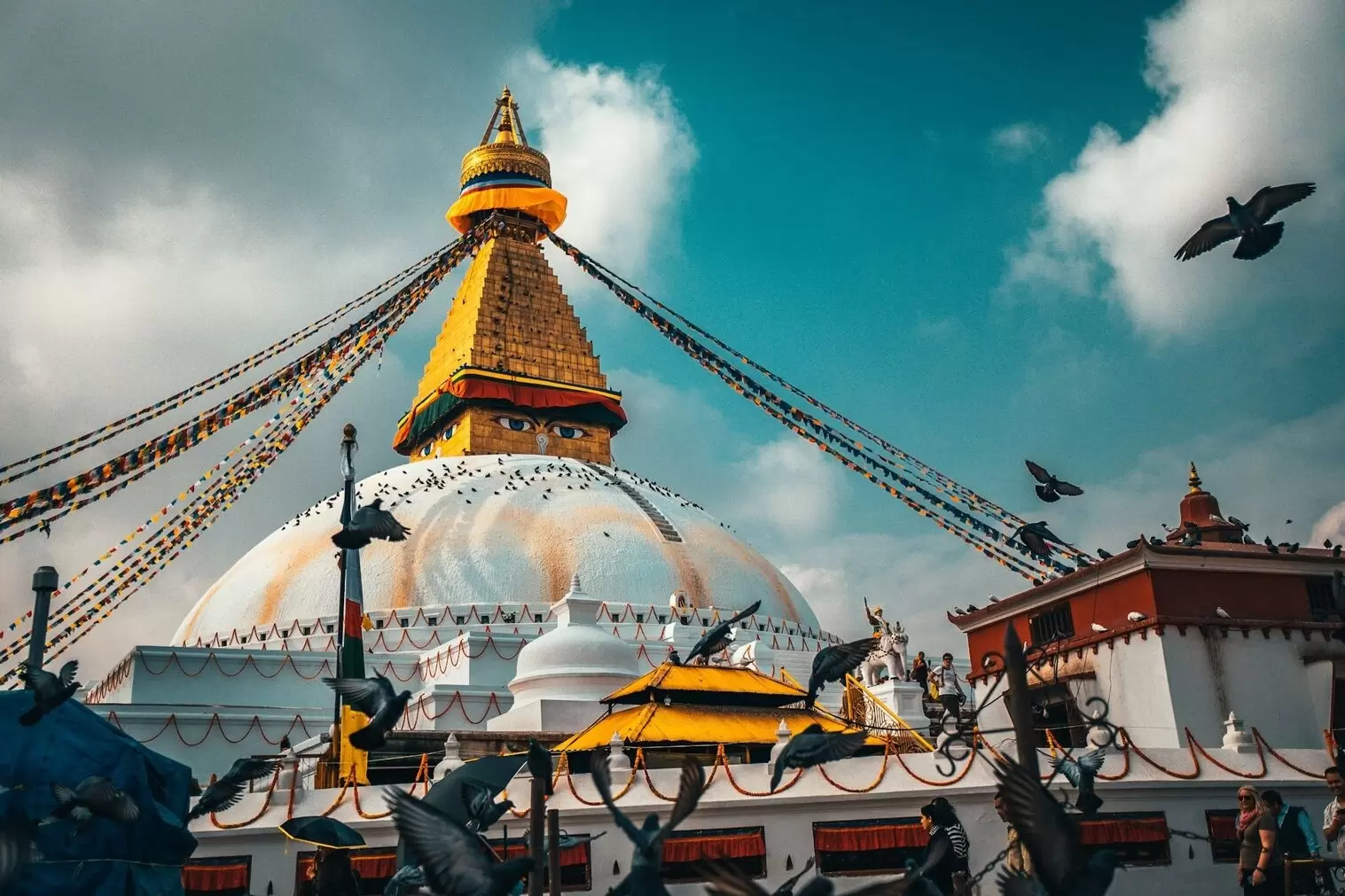
Trekking Preparation Day is spent before the trek to ensure everything is ready. It includes a trek briefing, gear check, permit preparation, and final packing. This day helps you stay safe, confident, and fully prepared for an enjoyable trekking adventure in the Himalayas
An interesting overland journey to Nepal Mid-Western Nepal, the drive leads on the main highway for some hours. Then our route diverts heading towards Gorkha district, reaching the mid-hills and down to low warm farm country.
After an exciting journey reaching Arughat town and then on dirt tracks to Machha Khola for overnight stop. A small farm village slowly turning into a town due to the construction of motorable road.
After a long drive from Kathmandu, having a pleasant overnight in a nice local lodge at Machha Khola farm village. A long day walk but interesting, after breakfast, start the first day trek heading north. Follow the Buri-Gandaki River for some hours, as the trail leads through spread-out farm villages. Entering a serene forest of Sal and pine trees to a small settlement of Tatopani, a place with natural hot-spring. Having short refreshing break continue walk past Khorla Besi village.
The trail leads on steep uphill for few hour, reaching Jagat a nice large village with mixed race of hill tribes. Check into a nice lodge for overnight stop after a long days walk, with time to browse and observe the village life. The villagers of both Hindu and Buddhism religions and cultures.
From Jagat morning walk follows to a short climb into a forest of pines trees and bamboo grooves. As trail heads higher air gets cooler facing lovely scenery of landscapes, then reach another lovely farm village at Philim.
A possible lunch stop time permitting, from Philim on the high trail overlooking grand views of beautiful green hills. After few hours of steady walk reaching our overnight halt at Deng, a small farm village with nice simple lodges.
Enjoy the morning walks on leaving Deng, from here onwards with strong Buddhism religion. As you can notice every houses adorned with prayer flags with Mani stone walls. The trail leads to a climb and down to a tributary stream of Buri-Gandaki River. From the river side head for a steep climb within forest of pines and rhododendron trees. The altitude gains gradually as walk leads to Namrung for overnight halt in the comfort of nice lodge. Namrung a moderate size village, with views of Manaslu and Ganesh Himal range of peaks.
After an enjoyable overnight stop at Namrung village, start the morning with steep climb into dense forested trail above Buri-Gandaki River. The walk follows short down with more ups and on winding path past few small settlements with shops smaller tea-houses. Slowly the day completes reaching a nice village at Lo-Gaon, offers many good lodges. Located beneath majestic North Face of Mt. Manaslu facing views of Sringi and Boudha Himal. A charming village to explore with an old monastery of great cultural, religious Interest worth a visit.
From Lo-Gaon onwards enter the scenic Upper Manaslu valley, the trail follows through several smaller settlements. Walking past summer camp of cattle herder beneath the mighty Mt. Manaslu and adjoining peaks. The walk is pleasant with slow rise in altitude, overlooking fabulous views of peaks on both side of the valley. The trek continues on gradual ups to Sama-Gaon, a lovely large village with nice lodges for overnights stops.
Sama Gaon the major village around Upper Manaslu, the main route to Manaslu base camp. As well to the border of Tibet and towards Dharmasala and Larke-La Pass.
At Sama-Gaon rest day for acclimatization before heading towards our final highlight of the adventure. A perfect place and altitude to have leisure time for short hike to view-points. Enjoy a short day hike on route to Manaslu base camp where beautiful glacial pond called Birendra Tal situated. Rest of the day explore the village of immense Buddhism culture.
After a pleasant rest day at Sama-Gaon, leaving the lovely village on windswept high terrain. Walk leads to Samdo the last village of Gorkha and Manaslu valley,the trail follows on gradual ups. Enjoy the grand beautiful views of snow-clad peaks, as walk continues, a short steep climb leads to Samdo village.Located on a wide small plateau, a moderate size settlement of more than forty houses for near two hundred inhabitants.
Morning, on leaving the last Samdo village of Gorkha and Upper Manaslu valley, walk leads on a wide river valley. Overlooking views of giant snow peaks with Mt. Manaslu also called Kutang in native language of Tibetan origin language.
The trail follows to cross few streams and then reaching Dharmasala or Larke Phedi. Which means the base of a hill or pass, the name Dharmasala for rest house or shelter for travelers. After checking into simple room, having lunch afternoon free for short walk, and preparations for early morning climb to cross Larke-La pass towards Manang areas.
Start the day, early morning having breakfast, and carrying packed lunch for the long hours. From Larke Phedi the path leads to steep climb over moraine of rocks and boulders, following north of Larke glacier. Facing view of Cho Danda and Larke Peak.
Slowly the undulating climb reaches on top of Larke-La Pass, the highest point of the adventure. The pass is festooned with thousands of Buddhist colorful prayer flags and rock cairns as a marker of Larke-La top. Although a strenuous climb rewards you with glorious morning views of surrounding Himalayan range. Includes views of Larke Peak, Himlung, Cheo Himal, Kang Guru and Annapurna-II includes all of Manaslu Himal range.
From the top enter the Manang district, a long descend past a small settlement of Tambuche. Finally the downhill ends reaching the bottom of Larke-La other side base at 3,900 m. From the bottom few hour walk brings you at Bhimphedi also called Bhimthang for overnight stop after a long day walks.
Bhimthang a lovely spot, amidst a green wide meadow surrounded by tall trees of rhododendron-pines and oaks. This nice settlement provides good lodges and food menu to enjoy after a vigorous walks of the day.
From Bhimphedi or Bhimthang, a short and pleasant day walk heading downhill as altitude get lower. The trail leads into dense tree lines with few small climb but more or less downhill to reach Gho for overnight stop. Gho a small settlement with few nice lodges, situated in the midst of lovely woodland.
After a pleasant overnight halt at Gho, enjoy the last day trek of the adventure, heading down to Dharapani village. An exciting leisure walk to Tilje, a nice village, located on the shelf of Marsyangdi River. At Tilje for refreshing break or for lunch stop, from Tilje a short climb to cross a bridge towards Dharapani.
Enjoy the last overnight stop at Dharapani village, located on motorable road Which is also on route of famous and popular Annapurna Circuit trek. At Dharapani transfer into a nice lodge, the accommodation are much better standard than other previous overnights.
Start early morning for a long interesting drive to Kathmandu, an exciting journey following the Marsyangdi River downstream. Reaching low warm farm villages of Syange and Bulbule to Bhesisar a big town, headquarter of Lamjung district.
From here either transfer to another vehicles or carry on chartered four-wheel drive, heading on the good highway. As drive follows through several town and villages, then uphill to enter the Kathmandu valley and city area.
Finally the long drive ends reaching Kathmandu and back to your hotel by evening or late afternoon.
Last day in Nepal and at Kathmandu, get ready for final departure as per your international flight time. Himalayan Forever Trek guide and staff transfer you to the airport. Bidding farewell to the guide and staff as you depart for homeward bound flight, after a wonderful experience and adventure on Manaslu Circuit Trekking.
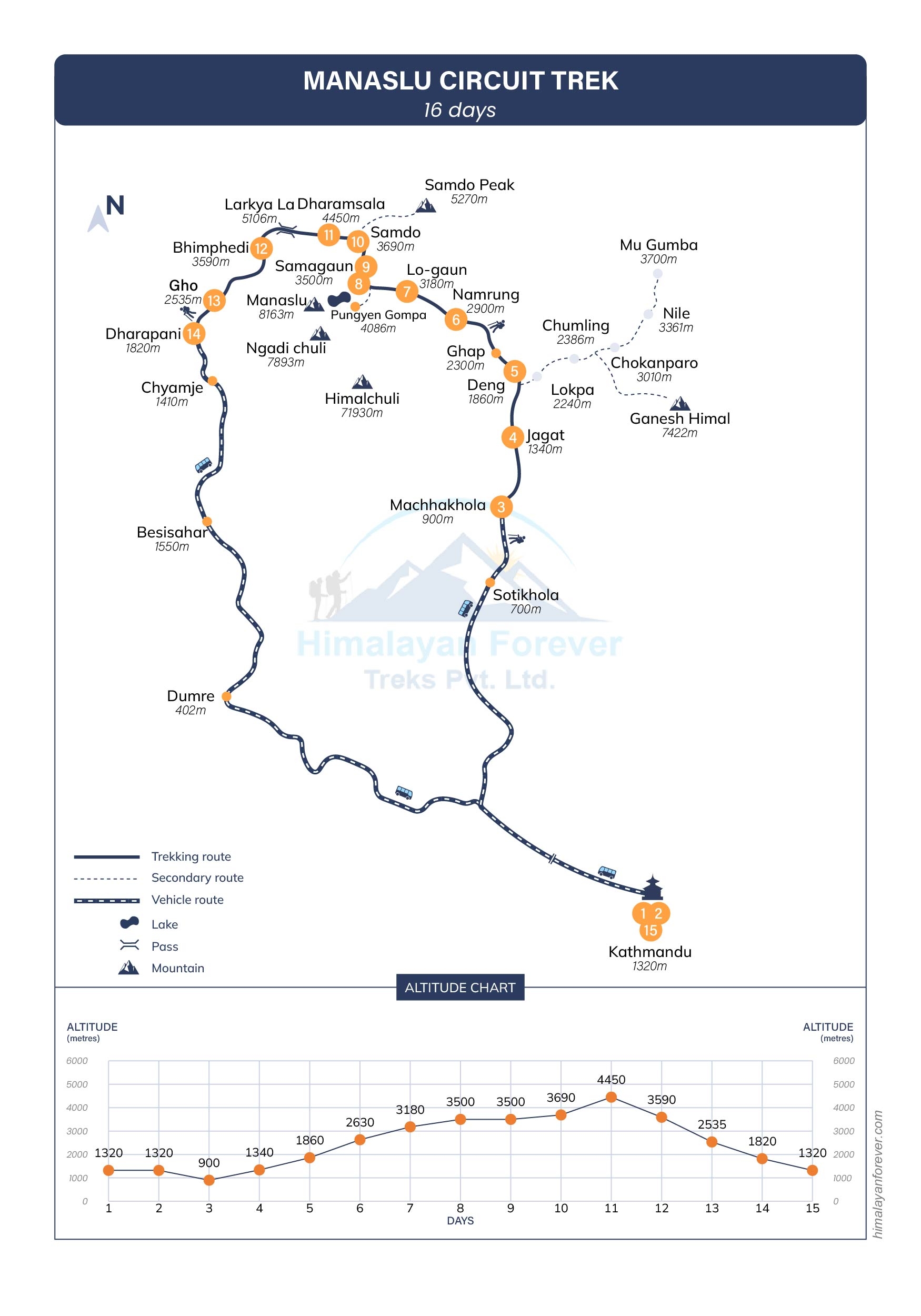
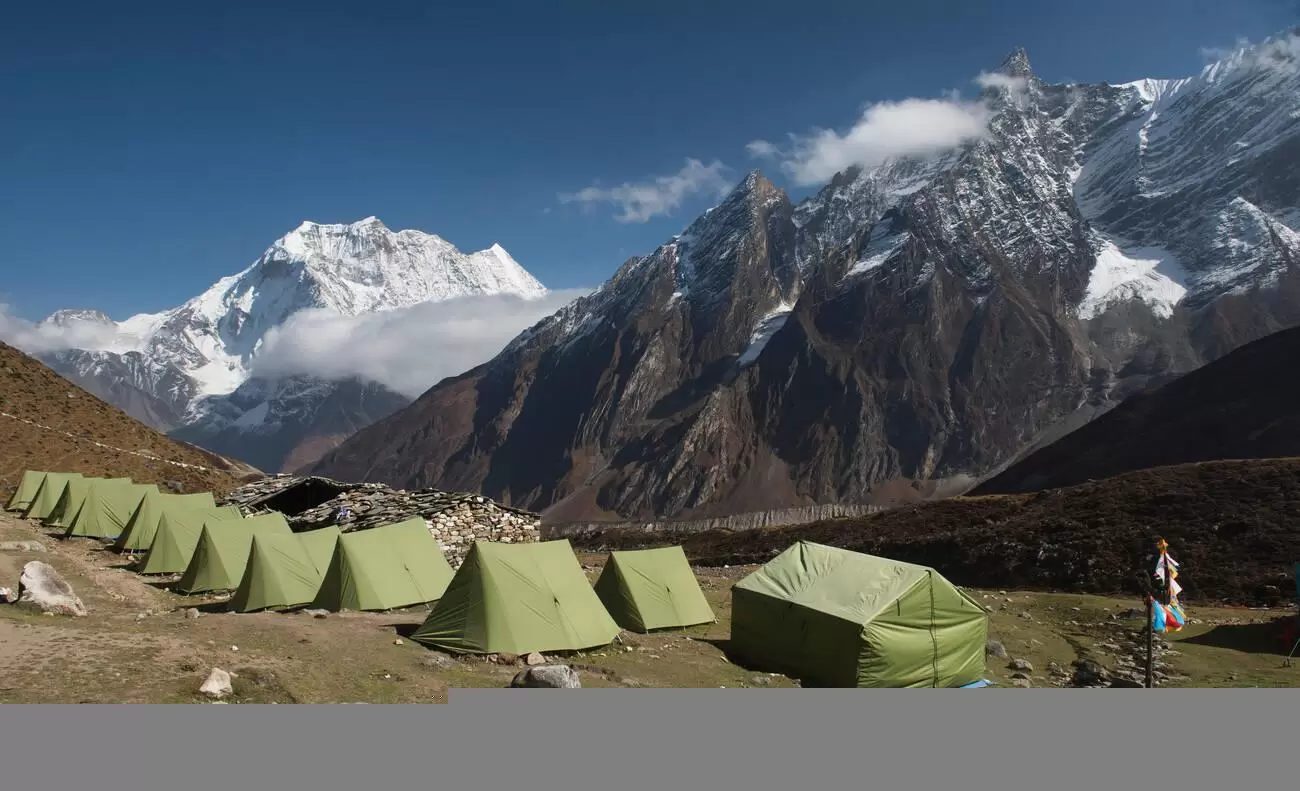


The Manaslu Circuit Trek is a restricted area trek that requires a special permit known as the Restricted Area Permit (RAP). Additionally, trekkers must obtain the Manaslu Conservation Area Permit (MCAP) to enter the conservation area. These permits are facilitated by registered trekking agencies such as Himalayan Forever and are essential for maintaining conservation efforts and regulating the number of visitors in the region. Permits are obtained based on a valid passport, trekking itinerary, and necessary fees.
The journey typically begins with a scenic drive from Kathmandu to the town of Soti Khola or Arughat, depending on the chosen route. The road journey passes through picturesque landscapes, terraced fields, and rural villages before reaching the starting point of the trek. Trekkers then proceed on foot, following well-defined trails that wind through diverse terrain, including lush forests, alpine meadows, and high mountain passes.
The Manaslu Circuit Trek is a challenging yet rewarding adventure that spans approximately 15-17 days. The trek circumnavigates Mount Manaslu (8,163 meters), the eighth highest peak in the world, offering stunning vistas of snow-capped Himalayan peaks, serene glacial lakes, and traditional villages. The weather in the Manaslu region varies with altitude and season. The best times to undertake this trek are spring (March to May) and autumn (September to November), characterized by clear skies, mild temperatures, and favorable trekking conditions.
Spring and autumn are considered the optimal times for the Manaslu Circuit Trek due to stable weather conditions and excellent visibility of the surrounding mountain peaks. During these seasons, the trails are generally dry, the temperatures are moderate, and the landscapes are adorned with blooming rhododendrons and other alpine flora.
Himalayan Forever's team for the Manaslu Circuit Trek comprises experienced trekking guides and support staff who are well-versed in the intricacies of the route, local cultures, and environmental conservation. They provide expert guidance, ensure safety protocols are followed, and offer insights into the region's flora, fauna, and cultural heritage throughout the journey.
The trek commences from Soti Khola or Arughat, where trekkers embark on a gradual ascent along the Budhi Gandaki River valley. The trail meanders through subtropical forests, terraced fields, and quaint villages inhabited by diverse ethnic groups such as Gurungs, Magars, and Tamangs. Along the way, trekkers are treated to glimpses of traditional Nepali rural life and encounters with hospitable locals.
The trek culminates with a challenging ascent over the Larkya La Pass (5,160 meters), offering panoramic views of the Manaslu range and neighboring peaks. Descending from the pass, the trail winds through alpine meadows, pristine forests, and remote villages before concluding in the village of Dharapani or Bhimphedi. From there, trekkers return to Kathmandu by road, reflecting on their memorable journey through the rugged landscapes of the Manaslu region.
Due to the high-altitude nature of the trek, proper acclimatization is crucial to prevent altitude sickness. Trekkers should maintain a steady pace, stay hydrated, and heed the advice of their guides throughout the trek. It's also advisable to have comprehensive travel insurance covering trekking activities and emergency evacuations.
Himalayan Forever is a reputable trekking agency known for its dedication to sustainable tourism practices, safety standards, and client satisfaction. With customized itineraries, experienced guides, and a commitment to preserving local cultures and environments, Himalayan Forever ensures that trekkers have a safe, enriching, and responsible adventure in the Manaslu region.
The Manaslu Circuit Trek offers a rich tapestry of experiences, from encountering remote villages and ancient monasteries to crossing high mountain passes and witnessing breathtaking Himalayan panoramas. Highlights include exploring the culturally significant village of Samagaon, visiting the serene Birendra Tal (lake), and interacting with the friendly inhabitants of the region. This trek provides an immersive journey through one of Nepal's lesser-traveled regions, offering trekkers a profound connection with nature and local traditions.
What type of accommodation is available during the Manaslu Circuit Trek?
A: Accommodation ranges from basic tea houses in remote villages to more comfortable lodges in larger settlements along the trekking route.
Are meals provided during the trek?
Yes, three meals a day (breakfast, lunch, and dinner) are included. Meals typically consist of locally sourced Nepali and Tibetan dishes served at the tea houses.
Is it possible to extend the Manaslu Circuit Trek or customize the itinerary?
Yes, Himalayan Forever offers options to customize the trekking itinerary or extend the journey to include side trips or additional days for exploration, depending on the preferences of the trekkers.
What level of physical fitness is required for the Manaslu Circuit Trek?
Participants should have a good level of fitness and stamina to trek for several hours each day over varied terrain and high altitudes. Prior trekking experience at altitude is beneficial but not mandatory.
This detailed description provides prospective trekkers with comprehensive information about permits, transportation, trip details, and the unique experiences offered by Himalayan Forever on the Manaslu Circuit Trek, ensuring they are well-prepared for an unforgettable adventure in the Himalayas.
I recently travel in Nepal. I spent two weeks with Himalayan Forever Treks Guide Gakul It was amazing trip with Gakul he has been working many years experience with local nature and culture and best trekking route. He is very knowledgeable, friendly and customer service was above the beyond, owner Prakash was providing extraordinary service.operational management was stunning.
I and my friends had gone to trek to Manaslu. And we can surely tell that this trek was one of the best treks of our lives. The company’s owner was also very friendly and welcoming. He really made our trip an unforgettable one.
I recently completed the Manaslu Circuit Trek with Himalayan Forever Treks and it was an absolutely incredible experience. From start to finish, the team at Himalayan Forever Treks went above and beyond to ensure that every aspect of the trek was seamless and enjoyable. The communication before the trek was excellent, and the team was always available to answer any questions and provide guidance. Upon arrival in Kathmandu, we were greeted warmly by our guide and provided with a thorough briefing on the trek. Throughout the trek, our guide was extremely knowledgeable and attentive to our needs. He provided insightful information about the culture and history of the region, and ensured that we were comfortable and safe at all times. The porters were also fantastic - always cheerful, friendly and incredibly hardworking. The accommodations and meals provided by Himalayan Forever Treks were excellent, even in the remote areas of the trek. We were impressed with the variety and quality of the food, and the accommodations were always clean and comfortable. Overall, I highly recommend Himalayan Forever Treks for anyone looking to do a trek in Nepal. The level of professionalism, expertise, and personal attention that they provide is second to none. Thank you to the entire team for an unforgettable experience!
My experience with Himalayan Forever Treks on the Manaslu Trek was truly extraordinary! From start to finish, they exceeded my expectations. The knowledgeable guides ensured our safety and shared captivating stories about the region. The breathtaking landscapes, serene villages, and towering peaks left me in awe. The well-organized itinerary, comfortable accommodations, and delicious meals made the trek even more enjoyable. I highly recommend Himalayan Forever Treks for an unforgettable Himalayan adventure!
We were in Nepal to do the Manaslu Trek, it was our third trekking trip with Himalayan Forever Treks. Manaslu Trek has amazing landscapes and many breathtaking moments with local people. The whole organization was perfect. Our guide Gakul, whom we had three times now, took care of us in every situation, was always on time and well prepared. The overnight stays were also very pleasant, even at higher altitudes. It is a strenuous trekking, not for beginners. But the view compensates for the effort.
I recently completed the Manaslu Trek, it was our first trekking trip with Himalayan Forever Treks and it was truly unforgettable! From start to finish, the team's professionalism and expertise were evident. Manaslu Trek has amazing landscapes and breathtaking views, challenging trails, and warm hospitality made this journey an absolute delight. Special thanks to our knowledgeable guide Gakul who ensured our safety and comfort throughout. Highly recommend Himalayan Forever Treks for an incredible Trekking adventure!
The Manaslu Circuit Trek was a symphony of natural beauty and cultural immersion. The towering peaks, challenging passes, and encounters with local communities made every day an adventure. A trek that seamlessly blends the best of the Himalayas.
For those craving an escape from the crowds, the Manaslu Circuit is a wild frontier waiting to be explored. The pristine landscapes, diverse flora, and fauna, and the thrill of navigating remote trails made this trek an exhilarating journey into nature's embrace.
Embarking on the Manaslu Circuit was a spiritual revelation. The ancient monasteries, prayer flags fluttering in the mountain breeze, and the rhythmic chants of monks created a serene atmosphere. Each step felt like a meditation, bringing peace to mind and soul.
Having trekked in the Annapurna region, I thought I'd seen it all. The Manaslu Circuit, however, surpassed my expectations. The raw beauty of the landscape, the challenging Larke Pass, and the warmth of the local hospitality redefine trekking in the Himalayas.
Reaching the summit of Larke Pass was the pinnacle of my Manaslu Circuit experience. The panoramic views of the surrounding peaks, the sense of accomplishment, and the camaraderie among fellow trekkers made this journey an unforgettable chapter in my trekking adventures.
The Manaslu Circuit Trek with Himalayan Forever was simply unforgettable. From the stunning Larkya La pass to the peaceful high-altitude villages, every moment felt special. Our guide was experienced and always checked on our well-being. The views of Manaslu and surrounding peaks were breathtaking, especially at sunrise. Himalayan Forever’s planning made everything seamless, from permits to teahouse stays. I appreciated the care they took with acclimatization, and the team’s local knowledge made the culture come alive. Truly a life-changing trek.
I chose the Manaslu Circuit Trek for a real Himalayan experience, and Himalayan Forever delivered beyond expectations. The scenery was dramatic and ever-changing — snow-capped giants, deep valleys, and traditional Gurung and Tibetan influenced villages. Our guide was patient, encouraging, and made sure we all stayed safe and comfortable. The trek challenged me, but the support from the entire team made it achievable. Every step was worth it. I’ll never forget the sense of accomplishment at Larkya La Pass. Absolutely recommended.
The Manaslu Circuit Trek was challenging but incredibly rewarding. Himalayan Forever provided excellent support, from organizing permits to guiding us safely across the high pass. The route felt authentic and less crowded than other popular treks. The mountains, rivers, and remote villages made every day special. The guides were very professional, and I always felt well taken care of. The views from Larkya La were unforgettable — a real Himalayan highlight. If you want adventure with strong support, this trek is ideal.
Our Manaslu Circuit Trek with Himalayan Forever was brilliantly managed. They handled all logistics professionally, and the guide was knowledgeable and encouraging. I loved the variety in the landscape — lush forests, high alpine terrain, and snow-dusted peaks. The local teahouses were comfortable, and meals were always warm after long trekking days. Crossing Larkya La was tough, but the sense of achievement was incredible. This trek gives a deep appreciation for Nepal’s beauty and culture. It’s truly unforgettable.
The Manaslu Circuit is one of the most authentic treks in Nepal, and experiencing it with Himalayan Forever made it even better. The route had fewer crowds, amazing mountain panoramas, and welcoming teahouse hosts. Our guide took great care in helping us acclimatize properly. The team’s local knowledge enriched the experience, especially when sharing cultural insights about the villages and traditions. Crossing Larkya La was a personal highlight — yes it was hard, but incredibly satisfying. Deeply recommended for anyone seeking a Himalayan adventure with heart.
If you’re looking for a trek that pushes you and rewards you, the Manaslu Circuit Trek with Himalayan Forever is a fantastic choice. The organization was excellent — permits, teahouses, and logistics flowed smoothly. The guides were encouraging and knew how to pace our group for success. Each day brought stunning scenery and a sense of progression toward the high pass. Crossing Larkya La was tough, but the support from the Himalayan Forever team made all the difference. I loved every moment.
The Manaslu Circuit Trek was one of the most memorable travel experiences of my life. Himalayan Forever took excellent care of all organization and details, which allowed me to enjoy the trek fully. The landscapes were breathtaking — from lush forests to rugged snow-draped peaks. I loved interacting with locals in the small mountain villages. Our guide was always attentive, supportive, and imparted a deep love for the region. Crossing Larkya La was physically demanding but incredibly rewarding. I highly recommend this trek.
Trekking the Manaslu Circuit with Himalayan Forever was a beautiful blend of nature, culture, and personal challenge. The route was dramatic — each day offered new mountain vistas, ridges, and culturally rich villages. The guides were professional, communicative, and genuinely cared about our safety and happiness. Himalayan Forever’s planning meant we never had to worry about permits or accommodation. The highlight was definitely Larkya La Pass — tough, but the panoramic views were beyond worth it. A truly unforgettable adventure.
From start to finish, the Manaslu Circuit Trek with Himalayan Forever was seamless. Everything was well organized, and our guide handled unexpected changes with ease. The trail was spectacular — rugged mountains, rivers, and high-altitude meadows made each day unique. I especially appreciated the care in acclimatization, which helped us tackle Larkya La with confidence. The views from the top were astonishing. This is a trek for serious adventurers, and having a reliable partner like Himalayan Forever made it truly unforgettable.
I’ll always remember the Manaslu Circuit Trek as one of my best adventures. Himalayan Forever provided great support at every step — from logistics to local insight. The terrain was diverse and breathtaking. I loved how remote and authentic the route felt, especially compared to busier trails. Our guide was experienced and always ensured our group stayed safe and energized. Crossing Larkya La was challenging, but the sense of achievement afterward was wonderful. A beautiful, powerful trek with dependable support.
The Manaslu Circuit Trek with Himalayan Forever was truly rewarding. The trek itself is long and challenging, but the scenery is spectacular — huge peaks, deep valleys, and welcoming village communities. Our guide was very experienced and helped us pace the trek comfortably. Himalayan Forever made sure all logistics were handled smoothly, which allowed us to focus on the beauty around us. Crossing the high pass was the highlight. I felt supported, safe, and inspired throughout the journey.
Himalayan Forever helped turn the Manaslu Circuit into one of my most treasured travel memories. The route is pristine, breathtaking, and full of cultural charm. Our guide was friendly, supportive, and always ready with a helpful tip or story. The logistics were well handled — from permits to teahouse bookings. Crossing Larkya La Pass was tough, but the sense of achievement and the mountain views were unforgettable. This trek stays with you long after you return home.
The Manaslu Circuit Trek offered a sense of remoteness that few other treks do, and Himalayan Forever ensured we experienced it safely and smoothly. Our guide knew the trail intimately and made sure we all stayed comfortable and well acclimatized. The landscapes were jaw-dropping — from ancient paths to snowy high passes. Himalayan Forever’s thorough planning took the stress out of trekking, so we could focus on nature and culture. Crossing Larkya La was tough but empowering. Highly recommended for adventurous trekkers.
My journey on the Manaslu Circuit Trek with Himalayan Forever was one of the best decisions of my trip to Nepal. The guides were professional, encouraging, and full of local knowledge. Every day brought new mountain views, valleys, and memorable moments. I appreciated how well organized the whole trek was — from permits to accommodations. The panoramic views at higher altitudes were breathtaking, and overcoming the high pass was an amazing feeling. A true Himalayan classic!
The Manaslu Circuit Trek is without a doubt one of the most beautiful treks I’ve done. Himalayan Forever took great care of the planning which allowed me to focus on the experience. The route offers a mix of culture, dramatic landscapes, and peaceful trekking days. Crossing Larkya La was tough but very rewarding — the views at each high point were stunning. The guide was experienced and attentive. I felt supported and well taken care of throughout. A trek that every serious hiker should consider.
The Manaslu Circuit Trek with Himalayan Forever exceeded all my expectations. The trail is remote and serene, with incredible mountain views at every turn. Our guide was patient, helpful, and knowledgeable about both the mountains and local culture. Crossing Larkya La was physically challenging, but the team’s support made it possible. Every day offered a new discovery — from quaint villages to breathtaking panoramas. Himalayan Forever made the logistics effortless, allowing me to fully enjoy the trek. Highly recommended for adventure lovers.
The Manaslu Circuit is a trek that truly pushes you, and Himalayan Forever ensured I felt prepared and supported throughout. The scenery was stunning — massive peaks, lush forests, and high-altitude valleys. I appreciated how the guide carefully managed acclimatization and paced the group for success. Crossing Larkya La was demanding, but the reward of the panoramic views made it unforgettable. Himalayan Forever’s organization and local knowledge made this challenging trek feel achievable and incredibly rewarding.
I loved the authenticity of the Manaslu Circuit Trek. It felt less crowded than other Himalayan routes, which allowed for more meaningful encounters with locals and nature. Himalayan Forever arranged everything flawlessly — permits, teahouses, and transport. Our guide’s expertise helped us navigate high passes safely. The highlight was definitely Larkya La, where the views were awe-inspiring. This trek is perfect for those who want a genuine Himalayan experience without the tourist crowds.
The Manaslu Circuit Trek was a remarkable journey, and Himalayan Forever made it stress-free and enjoyable. Each day revealed different landscapes — green valleys, dense forests, and snow-capped peaks. The guide was supportive, encouraging, and always checked on the group’s well-being. I especially enjoyed the quieter sections of the trek where I could truly connect with nature. Crossing Larkya La was challenging but exhilarating. This trek is ideal for anyone looking to combine adventure and comfort.
Trekking the Manaslu Circuit with Himalayan Forever was a highlight of my travels. The team handled every logistical detail, allowing me to focus on the experience. The landscape is breathtaking — steep ridges, traditional villages, and vast mountain views. Our guide was patient, knowledgeable, and attentive to everyone’s needs. Crossing Larkya La was a challenge, but I felt fully supported. I would recommend this trek to anyone seeking adventure, culture, and incredible Himalayan scenery.
The Manaslu Circuit Trek was beautifully organized by Himalayan Forever. The daily distances were challenging but reasonable, and the guide kept everyone motivated. The scenery was dramatic — snow-dusted peaks, flowing rivers, and remote villages. Larkya La was the ultimate highlight, with breathtaking views that made the effort worthwhile. I appreciated how the team managed logistics and meals so I could fully focus on the trek. Highly recommended for adventurous travelers.
The Manaslu Circuit Trek with Himalayan Forever was unforgettable. The trail offers incredible scenery, from dense forests to high alpine ridges. Our guide was experienced, encouraging, and ensured we were all safe and comfortable. The teahouses were cozy, and meals were filling after long trekking days. Crossing Larkya La was challenging but extremely rewarding. Himalayan Forever’s organization made the trek smooth and enjoyable. I highly recommend it to anyone seeking a serious Himalayan adventure.
The Manaslu Circuit is not easy, but with Himalayan Forever, it felt achievable and deeply rewarding. The guides were experienced and attentive, making sure we acclimatized properly. The scenery was breathtaking — snowy peaks, high valleys, and peaceful villages. Crossing Larkya La was tough but unforgettable. The trek combines adventure, culture, and natural beauty perfectly. Himalayan Forever’s organization made the experience stress-free and memorable.
I loved how remote the Manaslu Circuit feels compared to other treks. Himalayan Forever made the journey seamless and safe. The landscape is spectacular, with snow-covered peaks and quiet villages. The guide was professional, patient, and knowledgeable about local culture. Crossing Larkya La was physically demanding, but the sense of accomplishment was immense. This trek is perfect for travelers seeking adventure, beauty, and solitude in the Himalayas.
Himalayan Forever ensured that my Manaslu Circuit Trek was perfectly organized from start to finish. Everything from transport to teahouse bookings was smooth. The scenery is diverse and stunning, with high passes, forests, and panoramic views. The guide kept us safe, motivated, and informed about the region. Crossing Larkya La was the highlight of the trek. I felt fully supported and able to enjoy the journey. A truly unforgettable Himalayan adventure.
Trekking the Manaslu Circuit with Himalayan Forever offered an authentic and immersive Himalayan experience. The trail is quiet and scenic, with friendly village communities along the way. The guide was attentive and knowledgeable, making sure we acclimatized properly. Crossing Larkya La was challenging but immensely satisfying. Himalayan Forever managed all logistics smoothly, which allowed me to focus entirely on the natural beauty around me. I can’t recommend this trek enough.
The Manaslu Circuit Trek was epic in every sense. Himalayan Forever provided excellent support, ensuring all logistics and permits were handled flawlessly. The trek itself is full of breathtaking views, remote villages, and lush forests. Our guide was highly experienced and kept the group motivated and safe. Crossing Larkya La was tough but unforgettable. I felt completely supported throughout the trek, and the experience will stay with me forever.
The Manaslu Circuit Trek is challenging but worth every step. Himalayan Forever took care of all logistics, leaving me free to enjoy the trek. The scenery is phenomenal, with high ridges, villages, and snow-capped peaks. Our guide was supportive, knowledgeable, and attentive to everyone’s needs. Larkya La Pass was a true highlight, and the sense of achievement was unforgettable. I would highly recommend this trek to any serious adventurer.
Himalayan Forever managed my Manaslu Circuit Trek perfectly. From permits to accommodations, everything ran smoothly. The guide was attentive and knowledgeable, making the high-altitude sections manageable. The scenery is stunning — peaceful villages, high passes, and dramatic peaks. Larkya La was the most challenging part, but also the most rewarding. I felt safe and supported throughout the trek. A truly unforgettable Himalayan journey.
The Manaslu Circuit Trek is one of the most breathtaking treks I’ve ever done. Himalayan Forever made everything easy — logistics, accommodations, and guidance. The trail was beautiful, with rivers, forests, and panoramic mountain views. Crossing Larkya La was demanding but incredibly satisfying. The guide was professional, supportive, and knowledgeable. I felt well cared for the entire journey. This trek is perfect for adventurers seeking natural beauty and cultural immersion in the Himalayas.
Clothing
Handwear
Footwear
Gear
Miscellaneous
While independent trekking is possible, hiring a guide and/or porter is recommended for navigation, safety, and cultural insights.
Depending upon the starting point of the trek till the end at Dharapani village, from Machha-Khola. Covering the walking distance approx. 160 k.m. / 100 miles, average 5-6 hours of walks with a distance of more than 10-12 k.m. per day.
Not counting the rest day at Sama-Gaon and side hike or excursion, the longest walks is from Machha-Khola to Jagat about 15 k.m. The other long walks is from Dharmasala to Bhimphedi or Bhimthang crossing over Larke-La approx. 18 k.m.
The trek overall is not too tough or difficult, the trail is well defined leading to strenuous ups facing with great views. The rise in altitude makes the walk tiring and tough. But taking slowly and having rest will overcome the difficultness as well stopping to enjoy the surrounding views.
For several reasons the Upper Manaslu from Jagat village onwards (Day 04) remains as restricted area. Due to its close border with Tibet-China, the other reason is to preserve its pristine country with limited number of trekkers.Where individual / solo trekkers are not allowed has to travel with minimum of 2-3 pax, using the service of a Government Registrated guide and porters.
The Manaslu Circuit Trek is a trekking route around Mount Manaslu, the eighth-highest mountain in the world. It offers a remote and less crowded alternative to popular treks like the Annapurna and Everest Base Camp.
The trek typically takes around 14-18 days, depending on the chosen itinerary, acclimatization days, and individual trekker's pace.
The Larkya La Pass is the highest point, standing at an elevation of approximately 5,160 meters (16,930 feet).
The Manaslu region is culturally rich with a mix of Hindu and Tibetan Buddhist influences. Trekkers pass through traditional villages, monasteries, and encounter friendly locals.
Side trips like the Tsum Valley Exploration and Pungen Gumpa side trip offer additional cultural experiences for those with more time.
Prioritize cardiovascular fitness, endurance, and altitude acclimatization. Invest in suitable gear and clothing for varying weather conditions.
Respect local customs and nature. Avoid littering, use teahouse facilities responsibly, and carry out all waste.
Every villages and settlements have hydroelectricity or solar power, where trekkers can charge electronic items. A fee is charged for each gadgets as per hour basis, the price differs from one place to another.
Manaslu region is slowly gaining popular, every villages offers best lodge accommodation. Only at Dharmasala the lodge accommodation are simple and basic, with common bath and toilets.
But all lodges restaurants provides comprehensive food menu to choose from, with options for overnight accommodations from budget, moderate to standard rooms. Trekkers can enjoy having rooms with attached bath / toilets, or using common bathe and toilets around big villages and at Dharapani village.
Foods are served in a large warm dining room, the foods served as per the menu from Continental, Chinese, Indian, Tibetan and Nepali. Some lodge restaurants also serves fresh homemade bakeries products.
The most famous and popular is Nepali Dal / Bhat (boiled or steam rice, served with various lentil soups, vegetable or meat mild curry, includes pickles of choice).
Yes, it's strongly recommended to have travel insurance that covers high-altitude trekking and emergency evacuations.

| No of people | Price per person |
|---|---|
| 1 - 1 | $1,550 |
| 2 - 4 | $1,275 |
| 5 - 7 | $1,250 |
| 8 - 12 | $1,225 |
| 13 - 20 | $1,200 |
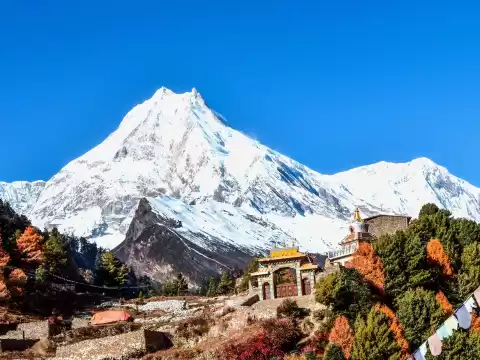
| No of people | Price per person |
|---|---|
| 1 - 1 | $1,700 |
| 2 - 4 | $1,575 |
| 5 - 8 | $1,550 |
| 9 - 12 | $1,525 |
| 13 - 20 | $1,500 |

| No of people | Price per person |
|---|---|
| 1 - 1 | $900 |
| 2 - 4 | $775 |
| 5 - 9 | $750 |
| 10 - 12 | $725 |
| 13 - 20 | $700 |