Everest Base Camp Trek in March
8 Jan 2025
The Everest Base Camp (EBC) Trek is one of the most iconic trekking routes in the world, drawing adv...

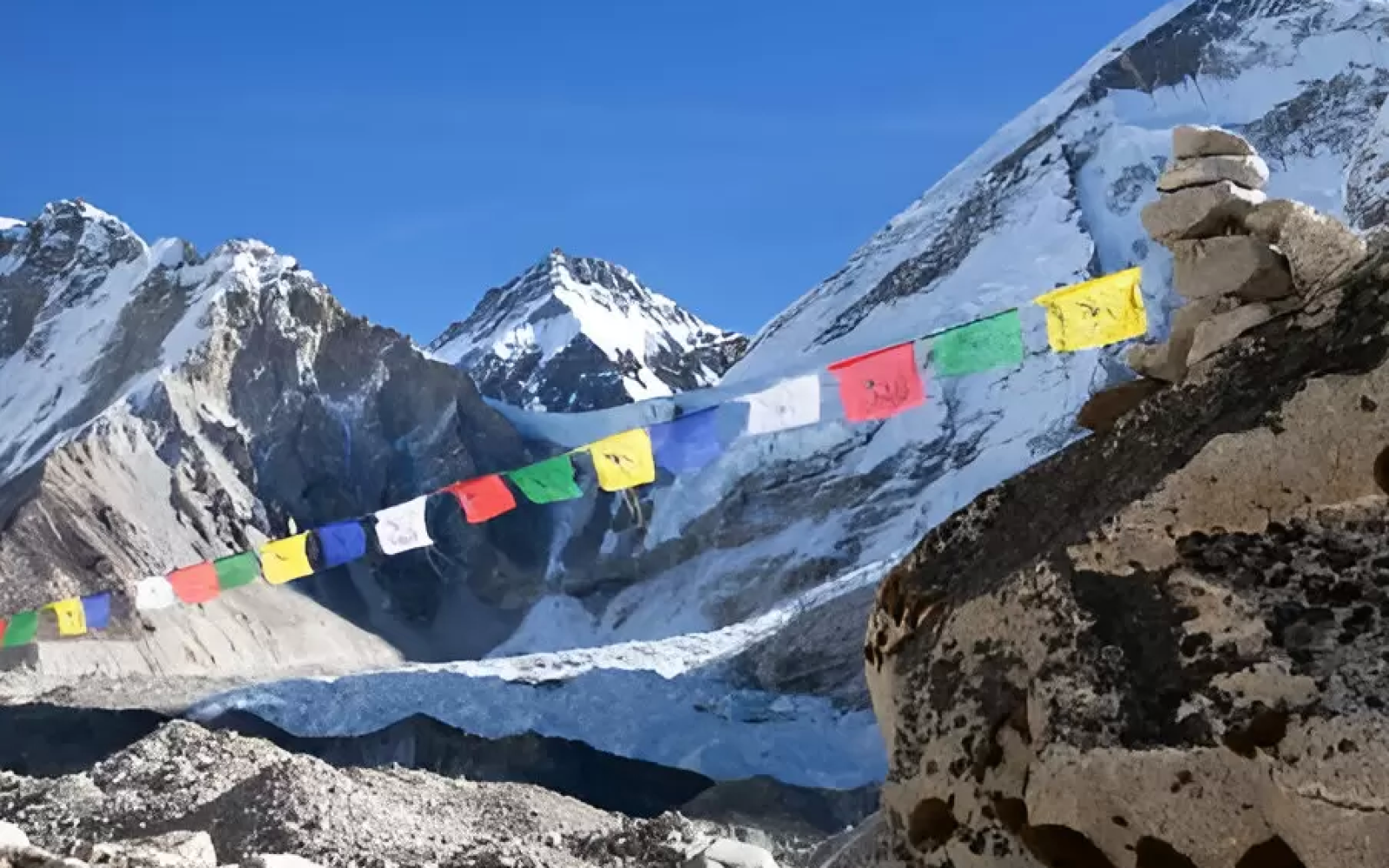
The Everest Base Camp (EBC) trek is one of the most iconic trekking routes in the world, attracting adventurers from all corners of the globe. Located in Nepal's Solu-Khumbu region, the trek offers breathtaking views of towering peaks, including Mount Everest, the highest point on Earth. The journey takes trekkers through remote Sherpa villages, ancient monasteries, lush forests, and rugged terrains. As trekkers make their way to the base camp, they are treated to unforgettable landscapes and a sense of accomplishment. The route is a blend of physical endurance, cultural discovery, and natural beauty, making it a must-do trek for avid mountaineers and nature lovers.
The trekking journey typically takes around 12-14 days, depending on acclimatization and individual trekking pace. However, despite the allure of the trek, adventurers must be prepared to navigate through a number of logistical requirements, including obtaining the necessary permits. The importance of these permits cannot be overstated, as they regulate the flow of trekkers, protect the natural environment, and ensure the safety of all travelers. In Nepal, permits are mandatory for trekkers to ensure proper management of trekking activities, preserving the unique landscape and culture of the Khumbu region, and enhancing the overall trekking experience.
The Everest Base Camp trek begins in Lukla, where trekkers fly into the Tenzing-Hillary Airport before embarking on a multi-day journey toward the base of the world's highest peak. The route passes through the Sagarmatha National Park, a UNESCO World Heritage Site, and includes iconic destinations like Namche Bazaar, Tengboche, Dingboche, and Gorak Shep, before reaching Everest Base Camp at 5,364 meters (17,598 feet). Along the way, trekkers are greeted with mesmerizing panoramic views of Everest and other famous peaks like Lhotse, Nuptse, and Ama Dablam.
Though the trek is accessible for those in good physical condition, it is considered moderate to challenging. The altitude can be a significant factor, as the trek involves ascending to high altitudes where the risk of altitude sickness increases. For this reason, acclimatization days are incorporated into the itinerary to allow trekkers to adjust to the thinning air. Regardless of experience level, obtaining the right permits and following the guidelines set by local authorities is essential for trekkers embarking on the Everest Base Camp journey.
Permits are an integral part of the trekking experience to Everest Base Camp, and their necessity goes beyond mere formalities. Firstly, they serve to manage the influx of trekkers, ensuring that the trail is not overcrowded and the local communities are not overwhelmed by excessive tourism. This helps maintain the delicate balance between economic benefits for the region and preserving the cultural heritage and natural environment. Additionally, permits also contribute to the safety of trekkers by keeping track of their whereabouts and movements. In the event of an emergency or unexpected situation, authorities can respond quickly to assist trekkers, ensuring a safer experience.
Moreover, permits are essential for the conservation efforts within the Sagarmatha National Park, where Everest Base Camp lies. The park is home to diverse flora and fauna, some of which are unique to the region. By requiring trekkers to obtain permits, the government ensures that the area is well-managed and protected from the adverse effects of over-tourism. The funds generated from permit sales also go toward maintaining trails, supporting local communities, and funding environmental protection programs. As such, obtaining the correct permits not only supports sustainable trekking but also contributes to the preservation of this majestic landscape for future generations.
The Trekkers' Information Management System (TIMS) card is one of the most essential permits required for trekking in Nepal, including the Everest Base Camp trek. The TIMS card was introduced by the Nepal Tourism Board to ensure trekkers’ safety and to streamline the management of trekking activities across the country. It serves as an identification and registration document for trekkers, allowing authorities to keep track of trekking groups and monitor their safety. This card helps officials track the movement of trekkers, ensuring that no one goes missing in remote areas without a trace. It also provides vital information in the case of an emergency.
The application process for the TIMS card is straightforward. It can be obtained either through a trekking agency or directly from the Nepal Tourism Board or the trekking associations. The process generally requires a passport copy, passport-sized photographs, and the payment of the associated fee. For trekkers traveling with a registered trekking agency, the agency typically handles the TIMS card application as part of their services, simplifying the process for trekkers. There are two categories of TIMS cards: the Individual TIMS card, for independent trekkers, and the Group TIMS card, for those trekking in groups with a registered agency. Group permits tend to be more affordable, and trekkers in groups are required to follow a more regulated route.
Purpose and Necessity
The purpose of the TIMS card is primarily to enhance the safety and organization of trekkers throughout Nepal. It acts as an official record of trekkers entering the trekking regions, helping the authorities track the number of visitors and identify any potential safety risks. For trekkers, the TIMS card is a necessary form of documentation that ensures access to trails and parks, such as the Sagarmatha National Park, which is a required part of the Everest Base Camp trek. In addition, the TIMS card helps to prevent illegal trekking, ensuring that all trekkers have followed the correct processes and are in good standing with Nepalese authorities.
Application Process
To apply for the TIMS card, trekkers will need to submit the required documentation to either the Nepal Tourism Board or a registered trekking agency. These documents include a valid passport, a passport-sized photograph, and any necessary fees. Independent trekkers will be required to show proof of their trek, while those in a group must provide the necessary paperwork through their agency. The application can usually be completed in person or through the agency, and trekkers can often obtain the card within a short period. It is important to apply for the TIMS card before starting the trek to avoid delays at the entry points.
Costs and Categories (Individual and Group)
The cost of the TIMS card varies depending on whether you are traveling independently or as part of a group. For individual trekkers, the fee is generally higher, as they are required to apply for a separate card. In contrast, group trekkers benefit from a reduced cost per person if they are traveling with a registered trekking agency. The exact fees can fluctuate, so it’s important for trekkers to check the current prices before embarking on the trek. Regardless of the type, the TIMS card is a crucial requirement for any Everest Base Camp trekker, ensuring both safety and access to the region.
Importance of the Sagarmatha National Park in the Trek
The Sagarmatha National Park Permit is one of the most essential permits required for trekking to Everest Base Camp, as the entire route passes through this UNESCO World Heritage-listed park. Sagarmatha, meaning "Forehead in the Sky" in Nepali, is the local name for Mount Everest, and the national park was created to protect the unique ecosystem and biodiversity of the region. As trekkers make their way to Everest Base Camp, they will pass through diverse landscapes, from dense rhododendron forests to alpine meadows and glaciers, all of which are within the park's boundaries. The park is home to several endangered species, such as the snow leopard and red panda, as well as a variety of flora, including alpine flowers and fir trees.
Besides its natural significance, the Sagarmatha National Park is culturally important, as it is the home of the Sherpa people, whose rich traditions and deep-rooted connection to the mountains shape the trekking experience. As part of their cultural conservation efforts, the park ensures that local communities benefit from tourism while maintaining the pristine beauty of the environment. For trekkers, obtaining the Sagarmatha National Park Permit is crucial to access the park's trekking routes, including the iconic Everest Base Camp trail. Without it, trekkers would be unable to legally traverse the protected region, ensuring that the park's ecosystem and cultural heritage remain intact.
Where to Obtain It
The Sagarmatha National Park Permit can be obtained at the Nepal Tourism Board offices in Kathmandu or at the entry points of the park, such as in Monjo or the park’s entrance near Jorsalle. Many trekkers opt to secure their permits through a registered trekking agency like Himalayan Forever Treks, which simplifies the process and ensures that all necessary documentation is in order before beginning the trek. Obtaining the permit in Kathmandu is convenient for those who prefer to get their paperwork in advance. However, trekking agencies often provide all-inclusive packages that include the park permit, TIMS card, and other necessary permits, making it hassle-free for travelers. For those arriving independently, the process can be completed at the park entrance.
Fees and Regulations
The fee for the Sagarmatha National Park Permit is typically charged in US dollars and varies depending on the trekking season. As of recent years, the fee for foreign nationals is around USD 30 for each trekker, though this is subject to change, so it is advisable to confirm the exact fee with the relevant authorities before traveling. The fee helps fund the maintenance and conservation efforts of the park, ensuring the continued protection of its unique ecosystem. The regulations require trekkers to carry their permit while on the trail, and there are check-posts along the route where officials will verify it. Additionally, trekkers should be aware of the park’s guidelines, such as respecting local wildlife, following the established trail routes, and minimizing environmental impact to help preserve the natural beauty of the region.
Overview and Purpose of This Permit
The Khumbu Pasang Lhamu Rural Municipality Permit is another necessary permit for trekkers planning to visit Everest Base Camp. This permit is required by the local government of the Khumbu region, which includes the Solu-Khumbu area where Everest Base Camp is located. The primary purpose of this permit is to generate revenue for the local communities within the Khumbu Pasang Lhamu Rural Municipality. The permit is used to fund community development programs, infrastructure maintenance, and other local services that benefit the people living in this mountainous region. It plays a crucial role in the sustainable development of the area, helping to support the livelihoods of the Sherpa people who rely heavily on tourism and trekking for their income.
In addition to contributing to local development, the Khumbu Pasang Lhamu Rural Municipality Permit is essential for managing the influx of trekkers and regulating tourism. It helps local authorities keep track of the number of visitors in the region, which is important for planning, resource allocation, and maintaining the cultural and environmental integrity of the area. Without this permit, trekkers would not be able to continue their journey beyond certain points of the trek, as the authorities strictly enforce the requirement. This means that acquiring this permit is a mandatory step in the preparation for the Everest Base Camp trek.
Where to Get It
The Khumbu Pasang Lhamu Rural Municipality Permit can be obtained at the municipal offices in Lukla or from various trekking agencies such as Himalayan Forever Treks, which offer package deals that include this permit as part of their services. Many trekkers prefer to get the permit directly through a trekking agency, as it streamlines the process and ensures that all documentation is properly handled. For those trekking independently, it is possible to get the permit at the local municipality office in Lukla, which is typically the starting point of the Everest Base Camp trek. The process involves submitting basic identification documents and paying the relevant fees.
Current Fee Structure
The current fee structure for the Khumbu Pasang Lhamu Rural Municipality Permit is generally lower than that of the Sagarmatha National Park Permit but still contributes significantly to the local economy. As of recent years, the fee for foreign trekkers has been approximately NPR 2,000 (around USD 15) per person. This fee is payable at the entry point in Lukla or through a trekking agency before starting the trek. As with all trekking permits, the fee is subject to change, so trekkers should verify the latest rates before embarking on their journey. The funds collected from this permit are used for the improvement of local infrastructure such as trails, lodges, and bridges, as well as for preserving the unique cultural heritage of the Khumbu region.
Kathmandu
In Kathmandu, trekkers can obtain most of the necessary permits for the Everest Base Camp trek, including the TIMS card and Sagarmatha National Park Permit. These permits can be acquired at the Nepal Tourism Board (NTB) office, located in the heart of the capital. The NTB is the official government body responsible for issuing permits for trekking in Nepal. For trekkers who prefer not to handle the paperwork themselves, a registered trekking agency like Himalayan Forever Treks can assist with obtaining the necessary permits as part of their trek package. This is a popular choice for trekkers as it simplifies the entire process and ensures that all permits are in order before departure.
Additionally, the TIMS card, which is required for tracking the trekkers’ information and safety, can be obtained at the TIMS counter located within the NTB office in Kathmandu. The Sagarmatha National Park Permit can also be processed at this office, although it can sometimes be obtained in the Everest region itself if trekkers are traveling independently. The benefit of securing these permits in Kathmandu is that it provides trekkers with everything they need before heading to Lukla or starting the trek, minimizing the risk of delays.
Monjo or Lukla
For trekkers who are already in the Everest region, permits can also be obtained at Monjo or Lukla, which are common entry points to the Everest Base Camp trek. At Monjo, which lies at the entrance to the Sagarmatha National Park, trekkers can purchase the Sagarmatha National Park Permit and the Khumbu Pasang Lhamu Rural Municipality Permit. Similarly, Lukla, where trekkers typically fly into at the start of the trek, also has the necessary offices where trekkers can buy the required permits. However, obtaining permits in these locations might require extra time and can lead to delays, especially during peak trekking seasons when the offices are busy with trekkers. Many choose to get their permits in Kathmandu to avoid any disruptions to their itinerary.
While purchasing permits at the park’s entrance or in Lukla is feasible, it is recommended that trekkers arrange their permits ahead of time to avoid last-minute issues. Agencies like Himalayan Forever Treks provide this service, which ensures a smooth transition from Lukla to the trekking route, saving time and hassle for trekkers.
How to Buy Them Before Starting the Trek
To purchase the necessary permits before starting the trek, trekkers can either go directly to the Nepal Tourism Board and relevant offices in Kathmandu or work with a registered trekking agency. If trekkers choose to go independently, they will need to visit the designated offices for each permit (e.g., NTB for the TIMS card and Sagarmatha National Park permit). If trekkers prefer a more streamlined process, most trekking agencies, like Himalayan Forever Treks, can assist by obtaining the permits on their behalf. The agency will ensure that all permits are in order, saving trekkers time and allowing them to start their trek without worrying about paperwork. This is a particularly convenient option for those unfamiliar with the process or those short on time.
Detailed Costs for TIMS, Sagarmatha National Park, and Khumbu Municipality Permits
The cost for permits required for the Everest Base Camp trek can vary depending on nationality, the type of trek (group or individual), and the trekking season. Below is a general cost breakdown for the main permits:
TIMS Card
The TIMS card is mandatory for all trekkers and serves as a basic registration for safety and management purposes.
Sagarmatha National Park Permit
This permit is required to enter the Sagarmatha National Park, where trekkers will trek through to reach Everest Base Camp. The fee helps fund conservation and maintenance efforts within the park.
Khumbu Pasang Lhamu Rural Municipality Permit
This permit supports the local economy by contributing funds for community development and infrastructure in the Khumbu region. It is essential for trekkers to legally enter the region and is required in addition to the other permits.
Fee Variations Based on Nationality
The costs mentioned above are typical for foreign nationals, but there may be variations for Nepali nationals and SAARC (South Asian Association for Regional Cooperation) countries. For example:
Trekking agencies like Himalayan Forever Treks are well-versed in handling permit costs and can provide trekkers with the most accurate and up-to-date fee structures. They also ensure that trekkers receive the correct permits at the appropriate price based on nationality.
By acquiring the necessary permits in advance, trekkers can avoid delays during their journey and focus on the incredible experience that awaits them on the way to Everest Base Camp.
How Long Permits Are Valid
The permits required for the Everest Base Camp trek, including the TIMS card, Sagarmatha National Park permit, and the Khumbu Pasang Lhamu Rural Municipality permit, are valid for a limited period. Typically, these permits are valid for the duration of your trek, which usually ranges from 12 to 14 days, depending on the trek's specific itinerary and acclimatization days. For the TIMS card, validity is tied to the period during which you are actively trekking. It’s important to note that once you complete the trek and leave the Everest region, the permits are no longer valid. However, if you are planning to trek in other regions of Nepal after the Everest Base Camp trek, you may need to obtain new permits for those areas.
The Sagarmatha National Park Permit is valid for the duration of your time within the park, and trekkers are typically expected to complete the trek to Everest Base Camp within 1 to 2 weeks. Similarly, the Khumbu Pasang Lhamu Rural Municipality Permit is valid for the same period. Trekkers should make sure to carry their permits with them during the entire trek, as it is crucial for ensuring their legal presence in these protected regions. Always check the expiry dates and confirm the validity period at the time of application to avoid complications while trekking.
Rules About Permit Checks Along the Trekking Route
There are several checkpoints along the Everest Base Camp trekking route where trekkers will be asked to present their permits for verification. Common points where checks are conducted include the entry points at Monjo (Sagarmatha National Park entrance) and Lukla, and several other locations within the park. The authorities at these checkpoints are responsible for ensuring that all trekkers have the necessary documentation to be on the trails. If you are found trekking without valid permits, you could face penalties, be asked to turn back, or even be escorted out of the park by officials.
It’s important to note that permits are checked regularly by park officials, and trekkers should always have their permits easily accessible to avoid delays. If you are trekking with a guide or agency, they will ensure that all the required permits are in order before you begin the trek, reducing the chances of being caught off-guard during routine checks.
What to Do If You Lose Your Permits
Losing your permits while trekking in the Everest region can be problematic, but it’s important to stay calm and take immediate action. If you lose your permits, the first step is to inform your trekking agency (if you are using one) or the nearest local authority as soon as possible. If you’re trekking independently, visit the nearest police station or trekking office and report the loss. In some cases, the authorities may issue a replacement permit, though there may be an administrative fee or delay involved. You may need to show proof of your original permit or provide identification to obtain a replacement.
If you are trekking with a guide, they will likely know the local procedures and can help facilitate the process of replacing the lost permits. However, prevention is key — it’s always a good idea to keep a copy of your permits in a separate, secure location (like a different bag or phone) in case the originals are lost or damaged.
How to Prepare for the Permit Application
Proper preparation is essential for ensuring a smooth permit application process for your Everest Base Camp trek. First, make sure that you have all the required documents ready before heading to Kathmandu or the trekking office. These include a valid passport (with a minimum of 6 months validity), passport-sized photographs, and any relevant visa documentation if needed. If you’re applying for the permits through a trekking agency like Himalayan Forever Treks, provide them with your travel details well in advance to ensure they can process the permits on time.
For the TIMS card, ensure that you clarify whether you’ll be trekking independently or as part of a group. This will determine the type of TIMS card you need (individual or group). It’s also helpful to double-check the trekking route and the number of days you’ll be on the trail to ensure that all permits align with your travel plans. Agencies like Himalayan Forever Treks are skilled at managing these requirements and will ensure you have all the necessary permits before starting your trek.
Best Practices for Obtaining Permits on Time
To avoid delays, it’s recommended to apply for permits at least a few days in advance of your planned trek. For trekkers who are organizing their permits through an agency, this process can be completed much more efficiently, as agencies often handle all permit applications in bulk and know the exact requirements. However, if you’re doing it independently, visit the permit offices early during your stay in Kathmandu, as waiting until the last minute can result in a rushed process or even missing out on the opportunity to obtain your permits in time.
Another best practice is to verify the costs of the permits and any required documents before applying, especially considering that fees may vary based on nationality and the time of year. It’s also essential to check whether there are any new regulations or changes to permit requirements before you go, as these can change frequently depending on government decisions or seasonal factors.
Common Mistakes Trekkers Make During the Permit Process
By avoiding these common mistakes and following these tips, you can ensure that your permitting process goes smoothly, allowing you to focus on the incredible journey ahead to Everest Base Camp.
How to Handle Permit-Related Issues During the Trek
While trekking to Everest Base Camp, permit-related issues can occasionally arise due to misplaced permits, incomplete paperwork, or unforeseen regulatory changes. If you encounter any problems, it's essential to remain calm and take immediate action. If you lose your permit or face a check-post issue, your first step should be to notify your trekking guide or agency immediately. Registered trekking agencies like Himalayan Forever Treks are well-versed in handling such challenges and can assist in communicating with the authorities to resolve the situation.
If you're trekking independently and lose your permit or face issues at a checkpoint, head to the nearest police station or trekking office and report the problem. Some trek regions may have arrangements in place to issue a temporary permit replacement for trekkers facing genuine issues. However, this process can take time and may cause delays, so it’s best to carry extra copies of your permits and keep them in a separate, safe location to minimize the risk of complications. Being proactive and ensuring your permits are securely stored can prevent unnecessary stress and ensure that you continue your trek smoothly.
Alternatives if Permits Are Not Available at Specific Checkpoints
While most trekkers acquire their permits before beginning the trek in Kathmandu or Lukla, there are instances when trekkers may not be able to obtain certain permits at specific checkpoints. If you are unable to purchase a permit at a checkpoint like Monjo or Lukla due to unforeseen issues (such as unavailability, long queues, or missing documents), it’s important to have backup options. In some cases, you might be able to continue to the next permit office or trekking office, where permits are more readily available.
If you are trekking with a guide, they will likely know where to go in case of such issues, and many agencies like Himalayan Forever Treks will ensure that permits are ready and available before your trek begins, eliminating the chance of encountering these problems along the way. However, if you're trekking independently, make sure to plan extra time at the start of your trek for permit-related issues. Always have a contingency plan, such as knowing the locations of nearby permit offices, so you can resolve permit issues without significant delays to your trek.
Restrictions Related to Trekking Permits (e.g., Solo Trekking Restrictions)
One of the most important restrictions for trekkers planning to visit Everest Base Camp is the rule prohibiting solo trekking in the Everest region. According to Nepali trekking regulations, trekkers must be accompanied by a licensed guide or be part of an organized trekking group. This regulation applies to the Sagarmatha National Park as well as to the wider Khumbu region. The purpose of this rule is to ensure the safety of trekkers in a region that can be treacherous due to extreme weather conditions, altitude sickness, and challenging terrain. Solo trekking can pose risks, and having a guide provides both safety and local expertise.
If you are an individual trekker planning to go to Everest Base Camp, you must hire a licensed guide or porter-guide through a registered agency, such as Himalayan Forever Treks. This is mandatory for obtaining the necessary permits, and without a guide, you will not be able to secure the TIMS card or the Sagarmatha National Park Permit. In addition to the solo trekking restriction, guides are also valuable for navigating the often complex trail, ensuring you stay on track, and offering support with logistics.
Regulations for Group Trekkers
For group trekkers, the regulations are generally more flexible compared to solo trekkers. However, group trekking permits still require certain documentation, including a valid TIMS card for each member of the group. Groups can apply for a group TIMS card, which is cheaper per person than individual cards, and they do not need to hire a guide for every single member. However, it is highly recommended for group trekkers to have a guide, as a licensed guide can help manage the group, provide local knowledge, and ensure that everyone is safe throughout the trek.
Group trekkers must still obtain the Sagarmatha National Park Permit and the Khumbu Pasang Lhamu Rural Municipality Permit. All permits must be shown at checkposts along the trekking route, and group leaders should ensure that all members are carrying the necessary documentation. In some cases, if one of the members in a group does not have the correct permit, the entire group may be delayed or asked to return to obtain the missing permit, so it’s essential to confirm that every member’s paperwork is in order.
Tips for Ensuring a Smooth Trek with All Necessary Permits
By following these tips and understanding the permit challenges and regulations, you can ensure a smooth and enjoyable Everest Base Camp trek, allowing you to focus on the breathtaking beauty and cultural experiences that await you in the Himalayas.
The Everest Base Camp (EBC) Trek is one of the most iconic trekking routes in the world, drawing adv...
The Everest Base Camp Trek is one of the most popular and exhilarating trekking experiences in the w...
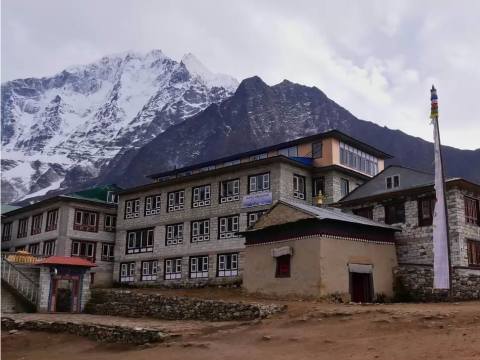
We carefully select teahouses that offer trekkers a warm welcome, excellent food, and essential amen...



