Top 10 Tips for a Successful Annapurna Base Camp Trek in 2026
28 Oct 2025
The Annapurna Base Camp (ABC) Trek is one of Nepal’s most iconic trekking adventures, attracting tho...

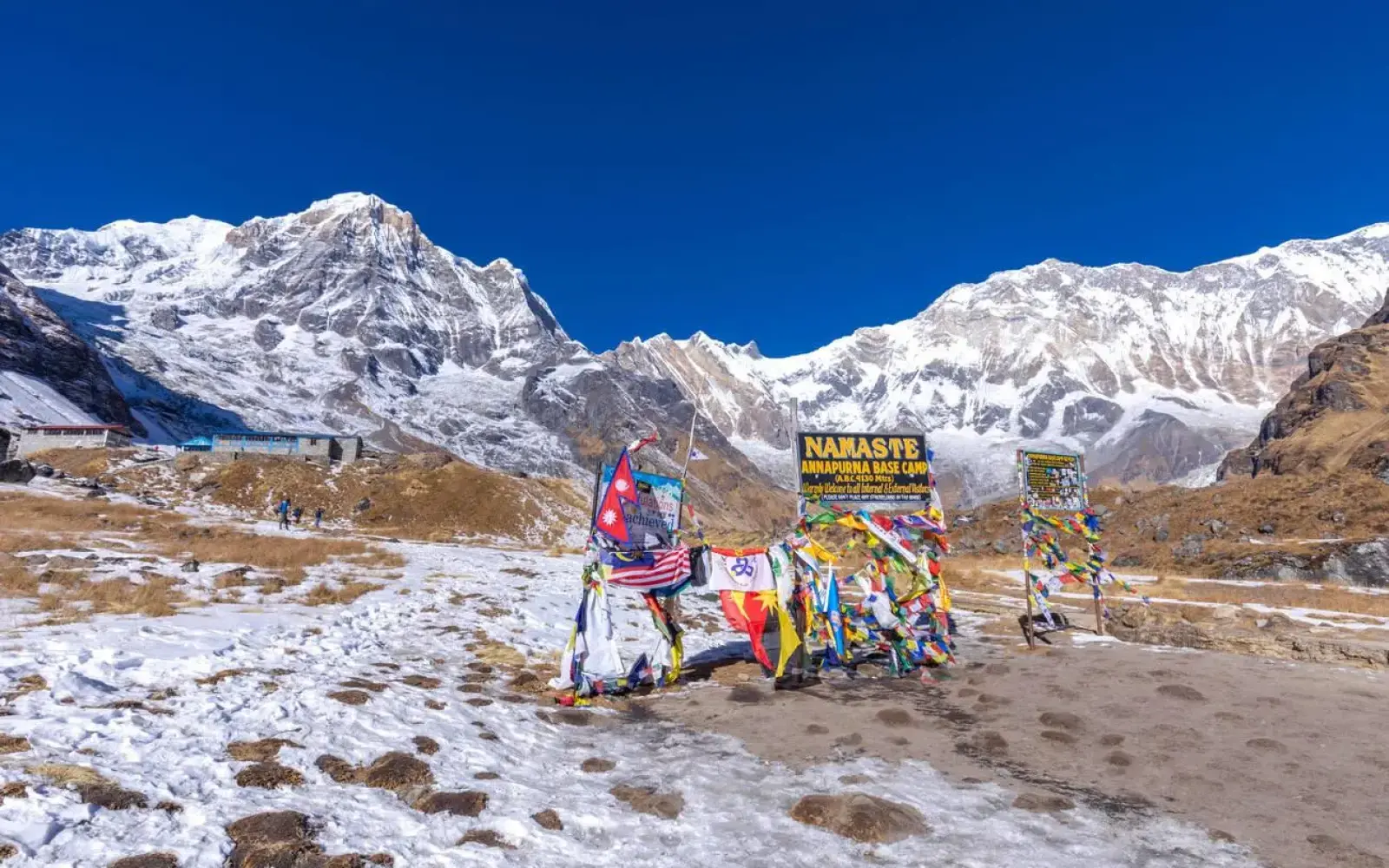
The Annapurna Base Camp Trek is one of the most popular trekking routes in Nepal, and it lies inside protected conservation land. Because of this, trekkers cannot enter freely without official permission. These permits are designed to regulate tourism, protect the environment, and ensure the safety tracking of trekkers in the region.
For most travelers, two main permits are required before starting the journey. These are issued by the Nepal government and conservation authorities. If you are trekking with a registered agency like Himalayan Forever Treks, they usually arrange all permits on your behalf, making the process simple and stress-free.
Key points:
Permits are not just formal paperwork—they play a critical role in managing tourism in sensitive mountain ecosystems. The Annapurna Base Camp Trek passes through remote villages, forests, and high-altitude terrain, where uncontrolled tourism could harm wildlife, increase waste, and affect local livelihoods.
Another important reason for permits is safety management. Authorities use permit records to track trekkers in case of emergencies, natural hazards, or rescue operations. This system ensures that trekking in the Himalayas remains organized and secure for both visitors and local guides.
When trekking with companies such as Himalayan Forever Treks, trekkers also benefit from guidance on permit rules, updates, and compliance with conservation regulations.
Key points:
The trek lies inside the Annapurna Conservation Area, which is Nepal’s largest protected area. This region covers diverse landscapes—from subtropical forests and terraced farmlands to alpine zones and glaciers. It is home to rare wildlife species, unique flora, and culturally rich mountain communities.
Because of its ecological and cultural importance, the conservation area is strictly managed. Entry fees collected through permits directly support conservation efforts, trail maintenance, waste management, and community development projects in local villages.
Trekkers traveling with agencies like Himalayan Forever Treks are often briefed on responsible trekking practices, including waste disposal, respecting local traditions, and staying within designated trails.
Key points:
To complete the journey to Annapurna Base Camp Trek, trekkers typically need two essential permits. These are mandatory and must be carried throughout the trek, as checkpoints along the route will verify them.
When organized through Himalayan Forever Treks, these permits are usually arranged before the trek begins, ensuring trekkers do not face delays or administrative issues.
Main permits include:
Annapurna Conservation Area Permit (ACAP)
Trekkers’ Information Management System (TIMS) Card
Additional local permits (if applicable)
Key points:
The Annapurna Conservation Area Permit (ACAP) is the most important and mandatory permit for the Annapurna Base Camp Trek. It is issued by the National Trust for Nature Conservation (NTNC) and allows trekkers to enter the protected Annapurna Conservation Area, which is the largest conservation area in Nepal. Without this permit, no trekker is allowed to begin or continue the journey inside the region.
The main purpose of ACAP is to protect the fragile Himalayan ecosystem, preserve wildlife, and support local communities through tourism revenue. The permit fee directly contributes to trail maintenance, waste management, and community development projects in remote villages along the ABC route. Trekkers are required to carry this permit at all times, as it is checked at multiple entry points during the trek.
Himalayan Forever Treks arranges the ACAP permit in advance for trekkers, ensuring a smooth and hassle-free start to the journey without delays at government offices.
Key points:
The TIMS Card (Trekkers’ Information Management System) was originally introduced to track trekkers for safety and record-keeping in Nepal. It contains important information such as passport details, emergency contacts, and trekking routes, helping authorities manage rescue operations in case of emergencies in the Himalayas.
However, in recent years, the requirement for TIMS has changed for the Annapurna Base Camp Trek. Some updated regulations suggest it is no longer strictly enforced on certain Annapurna routes, while other sources still list it as required depending on trek type and booking method. Because of this variation, most trekking agencies still include it as part of the permit package to avoid confusion at checkpoints.
With Himalayan Forever Treks, travelers receive up-to-date guidance on whether TIMS is needed for their specific itinerary, ensuring compliance with the latest government rules.
Key points:
Permits for the Annapurna Base Camp Trek can be obtained either in Kathmandu or Pokhara, which are the main trekking hubs in Nepal. The ACAP permit is issued by the NTNC offices, while TIMS (if required) is issued by the Nepal Tourism Board (NTB) or authorized trekking agencies. Trekkers must apply before starting the trek, as permits are not issued on the trail.
The process involves filling out an application form, submitting passport copies, providing passport-sized photos, and paying the required fees. Many trekkers find the process slightly time-consuming, especially during peak trekking seasons. For this reason, most visitors prefer to let a registered agency handle everything in advance.
Himalayan Forever Treks simplifies the process by preparing all permits before arrival or before the trek begins, saving time and avoiding confusion at government offices.
Key points:
The cost of permits for the Annapurna Base Camp Trek is relatively affordable compared to overall trekking expenses. The ACAP permit typically costs around NPR 3,000 (approx. USD 25–30) for foreign nationals. TIMS fees vary depending on whether it is issued individually or through a trekking agency, generally ranging from NPR 1,000–2,000.
These fees are used directly for conservation projects, safety management systems, and infrastructure improvements in the Annapurna region. Prices may slightly vary depending on policy updates, nationality, and trekking arrangements, so it is always recommended to check the latest rates before departure.
When booking with Himalayan Forever Treks, permit costs are clearly explained and included in the package, ensuring transparent pricing with no hidden charges.
Key points:
To obtain permits for the Annapurna Base Camp Trek, trekkers must provide a few essential documents at the time of application. These are required to verify identity, ensure safety tracking, and complete the official registration process with government authorities.
The most important documents include a valid passport, passport-sized photographs, and a completed application form. Some agencies may also request emergency contact details and travel insurance information, especially for high-altitude trekking. Having these documents ready in advance helps avoid delays at permit offices.
When traveling with Himalayan Forever Treks, trekkers receive guidance on preparing all necessary documents in advance, making the permit process fast and stress-free.
Key points:
Yes, trekkers can easily obtain all required permits for the Annapurna Base Camp Trek in both Kathmandu and Pokhara, which are the two main tourism hubs in Nepal. The Annapurna Conservation Area Permit (ACAP) is issued by the National Trust for Nature Conservation (NTNC), and it is available in designated offices in both cities. If TIMS is required, depending on current regulations, it is also issued through authorized tourism offices or registered agencies.
Most trekkers prefer applying in Kathmandu, as it is the entry point for international arrivals and has centralized permit offices. However, Pokhara is more convenient for trekkers who start their journey directly toward the Annapurna region. In both locations, the process is straightforward but may take time during peak trekking seasons.
With Himalayan Forever Treks, all permits can be arranged in advance, meaning trekkers often arrive in Nepal with permits already prepared or receive them shortly before the trek begins.
Key points:
Technically, trekkers do not need a guide to physically obtain permits, as individuals can apply on their own at official offices. However, the process involves paperwork, fee payment, and understanding current regulations, which can sometimes change. For this reason, many trekkers choose to use a registered trekking company for convenience.
While a guide is not mandatory for obtaining permits, having a guide or trekking agency significantly simplifies the process. Agencies handle documentation, updates, and government compliance, ensuring that trekkers avoid mistakes or delays. This is especially helpful for first-time visitors to Nepal.
With Himalayan Forever Treks, all permit arrangements are handled professionally, so trekkers can focus entirely on the trekking experience instead of administrative procedures.
Key points:
Permit rules for the Annapurna Base Camp Trek differ slightly depending on whether you are trekking solo or with a guided group. Solo trekkers can still obtain ACAP and other required permits, but they must handle all documentation and ensure they follow updated regulations on their own. This includes tracking entry points and carrying permits at all times.
For guided treks, the process is much easier. Registered agencies like Himalayan Forever Treks manage all permit requirements, including application, fees, and compliance with local regulations. In many cases, guided trekkers also receive additional support such as emergency assistance and official route registration.
Guided trekking is generally more secure, especially in remote mountain regions, while solo trekking offers more independence but requires greater preparation and awareness of regulations.
Key points:
One of the most common mistakes trekkers make is failing to check updated permit regulations before arriving in Nepal. Rules regarding TIMS and entry requirements can change, and outdated information may lead to confusion or delays. Another frequent issue is not carrying physical copies of permits during the trek, which is mandatory at checkpoints.
Some trekkers also underestimate the importance of applying early, especially during peak seasons when permit offices are crowded. Incomplete documents, missing photos, or incorrect details can also delay the application process. These mistakes can easily be avoided with proper planning or professional support.
By booking with Himalayan Forever Treks, trekkers receive complete guidance, ensuring all permits are correctly processed, up-to-date, and ready before the trek begins.
Key points:
During the Annapurna Base Camp Trek, trekkers pass through several official checkpoints where permits are strictly checked. The most important permit, the Annapurna Conservation Area Permit (ACAP), is verified at entry points such as Nayapul, Birethanti, and other trail stations, depending on the route you choose. These checkpoints are managed by conservation authorities and local offices to ensure that every trekker is properly registered.
As you move deeper into the Himalayas toward the base camp, additional informal checks may occur in villages and trekking hubs. These checkpoints help track trekking activity, maintain safety records, and support conservation monitoring. Trekkers must always carry physical copies of their permits, as digital versions are usually not accepted.
With Himalayan Forever Treks, all permits are properly prepared in advance, ensuring trekkers pass through all checkpoints smoothly without delays or complications.
Key points:
Trekking without valid permits in the Annapurna Base Camp region is strictly illegal and can lead to serious consequences. Authorities at checkpoints will stop trekkers without permits and may require them to return to the nearest permit office to obtain proper documentation. This can cause delays, additional costs, and disruption of your trekking schedule.
In some cases, trekkers without permits may also face fines or penalties depending on the situation. More importantly, trekking without permits means you are not officially registered in the safety system, which can be risky in emergencies such as altitude sickness, accidents, or route confusion.
This is why professional trekking companies like Himalayan Forever Treks ensure that all permits are arranged correctly before the trek begins, preventing any legal or safety issues.
Key points:
A smooth permit process begins with proper preparation before arriving in Nepal. Trekkers should ensure their passport is valid, carry extra passport-sized photos, and be aware of updated trekking regulations. It is also important to check whether TIMS is currently required, as rules may vary depending on government updates.
Another important tip is to avoid last-minute applications, especially during peak trekking seasons like spring and autumn. Permit offices can become crowded, leading to delays. The easiest solution is to use a registered trekking agency that handles everything in advance, ensuring permits are ready before the trek starts.
With Himalayan Forever Treks, trekkers receive complete assistance, from document preparation to permit collection, making the entire process stress-free and efficient.
Key points:
Before starting the Annapurna Base Camp Trek, it is essential to double-check that all permits are correctly issued and safely packed. The most important documents include the ACAP permit and any additional permits required based on updated regulations. Trekkers should also ensure that personal identification and emergency contact details are available.
A final review of trekking essentials, including insurance documents, passport copies, and guide information, helps ensure a smooth journey. Being well-prepared not only avoids delays at checkpoints but also enhances safety throughout the trek in the Himalayas.
With Himalayan Forever Treks, travelers receive a complete pre-trek checklist, ensuring everything from permits to logistics is fully organized before the adventure begins.
Final checklist:

The Annapurna Base Camp (ABC) Trek is one of Nepal’s most iconic trekking adventures, attracting tho...

The Annapurna Base Camp Trek 2026 is one of Nepal’s most iconic trekking adventures, taking trekkers...

The Annapurna Base Camp (ABC) Trek is one of the most popular trekking routes in Nepal, renowned for...



