The Kathmandu to Everest Base Camp Trek – The Original Foot Trail is one of the most immersive long-distance trekking journeys in Nepal, following the historic walking route from the low hills near the capital to the world’s highest trekking destination, Kathmandu, and ultimately to Everest Base Camp. This itinerary is unique because it blends traditional trail sections like Jiri–Shivalaya with the classic Khumbu route, offering a deeper cultural and geographical transition than the standard flight-to-Lukla trek.
Starting from the Kathmandu Valley, the trail gradually ascends through lush hills, terraced farmland, rhododendron forests, and high alpine terrain. Early sections such as Sundarijal, Chisopani, Nagarkot, and Dhulikhel introduce trekkers to panoramic Himalayan views and local village life. As the route progresses through Dolalghat, Khadichaur, Mude, Charikot, and Jiri, trekkers experience authentic rural Nepal before entering the Everest region via Shivalaya and Bhandar.
The trek continues into the legendary Solu-Khumbu region, passing through villages such as Sete, Junbesi, Nunthala, and Bupsa before connecting to Lukla and the main Everest trail. From here, the journey follows the iconic route through Phakding, Namche Bazaar, Tengboche, Dingboche, Lobuche, Gorakshep, and finally Everest Base Camp.
This trek is considered a full cultural-himalayan expedition rather than just a hike, offering unmatched diversity in landscapes, people, and altitude progression.
The best seasons for the Kathmandu to Everest Base Camp Trek – The Original Foot Trail are spring (March–May) and autumn (September–November). These months offer the most stable weather, clear mountain visibility, and comfortable trekking temperatures throughout the diverse elevation range from Kathmandu to Everest Base Camp.
In spring, the trail is decorated with blooming rhododendrons, especially between lower hill regions like Chisopani and Junbesi. Temperatures are moderate, and skies are generally clear in the mornings. Autumn, on the other hand, is the most popular trekking season due to post-monsoon clarity, excellent mountain views, and dry trails. This is when the visibility of peaks like Everest, Lhotse, and Ama Dablam is at its best.
Winter (December–February) is possible but extremely cold in higher regions like Lobuche and Gorakshep. Summer/monsoon (June–August) brings heavy rain, landslides in lower sections like Dolalghat–Khadichaur, and limited visibility, although it offers lush green landscapes and fewer trekkers.
Because this trek is long (31 days), seasonal timing is especially important for comfort, safety, and consistent trail conditions.
Key seasonal insights:
The Kathmandu to Everest Base Camp Trek – The Original Foot Trail is considered a moderate to challenging expedition trek due to its long duration, varied terrain, and high-altitude sections above 5,000 meters. Starting from Kathmandu, the trek gradually builds endurance through rolling hills and mid-altitude villages before reaching extreme alpine environments near Everest Base Camp.
Difficulty increases significantly after Namche Bazaar, where oxygen levels drop, and acclimatization becomes essential. Daily trekking ranges from 5 to 10 hours, with steep ascents and descents, particularly between Tengboche, Dingboche, and Lobuche. The final push to Everest Base Camp and Kala Patthar is physically demanding due to altitude, cold temperatures, and thin air.
Transportation is an important aspect of this itinerary. Unlike standard Everest treks that fly directly to Lukla, this route includes overland travel from Kathmandu to Sundarijal and continues through Dhulikhel, Dolalghat, Khadichaur, Mude, Charikot, Jiri, and Shivalaya. This road journey is followed by trekking through the original foot trail until connecting to Lukla and the Khumbu route. Return transport includes a flight from Lukla back to Kathmandu.
Difficulty summary:
Transport highlights:
Accommodation during the Kathmandu to Everest Base Camp Trek – The Original Foot Trail ranges from comfortable city hotels in Kathmandu to basic yet cozy tea houses along the trekking route leading to Everest Base Camp. Early sections of the trek, including Nagarkot, Dhulikhel, and Charikot, provide lodge-style accommodations with private or shared rooms. As the trek progresses into higher altitudes such as Dingboche, Lobuche, and Gorakshep, facilities become simpler due to remoteness.
Food is mostly provided in tea houses and lodges, offering a mix of Nepalese, Tibetan, and basic Western meals. The staple dish is dal bhat (rice, lentils, vegetables), which provides essential energy for long trekking days. As altitude increases, menu variety decreases, but remains sufficient for nutrition and stamina.
Hygiene standards are generally good in lower regions and more basic at higher elevations. Hot showers, Wi-Fi, and charging facilities are available in most places for an additional cost, especially up to Namche Bazaar.
Accommodation & food highlights:
Key notes:
For the Kathmandu to Everest Base Camp Trek – The Original Foot Trail, several trekking permits are required by the Government of Nepal. Since the route passes through protected areas and the Sagarmatha region leading to Everest Base Camp, proper documentation is mandatory and arranged by Himalayan Forever Treks for convenience and compliance.
The main permits include the Sagarmatha National Park Entry Permit, the Khumbu Pasang Lhamu Rural Municipality Permit, and, in some sections of the lower trail, the Gaurishankar Conservation Area Permit may be required, depending on the exact route variations via Jiri and Shivalaya. These permits help fund conservation efforts, trail maintenance, and local community development.
Trekkers must carry passport copies and passport-sized photos for permit processing. These permits are checked at various checkpoints such as Monjo, Namche Bazaar, and other entry points into restricted areas.
Permit summary:
Important notes:
Choosing the Kathmandu to Everest Base Camp Trek – The Original Foot Trail with Himalayan Forever Treks offers a deeper and more authentic Himalayan experience compared to the standard Lukla flight trek. This route preserves the traditional walking approach from Kathmandu to Everest Base Camp, allowing trekkers to experience gradual altitude gain, cultural immersion, and historical trail sections that most modern itineraries skip.
The biggest advantage is acclimatization. Because the trek begins at lower elevations and progresses slowly through villages like Jiri, Bhandar, and Sete, the body adjusts more naturally to high altitude, reducing the risk of altitude sickness. Additionally, trekkers experience untouched rural Nepal, rich Sherpa culture, and less commercialized trails.
Himalayan Forever Treks enhances this journey with experienced guides, safety-focused planning, and well-organized logistics from start to finish. The trek combines adventure, culture, nature, and endurance into a single expedition.
Why choose this trek:
Mode of Trekking: Comfortable lodges, tea houses, and local guesthouses throughout the trekking route, providing basic to moderate facilities with warm hospitality.
Trekking Grade: Moderate to adventurous trek, requiring good physical fitness and endurance due to the long duration, varied terrain, and high-altitude sections above 5,000 meters.
Trekking Region:The trek covers the scenic hills east of Kathmandu and the world-famous Khumbu-Everest region in northeastern Nepal, following the historic foot trail used before regular Lukla flights became common.
Highest Elevations: Kala Patthar (5,545 m / 18,192 ft) offers the finest close-up views of Mount Everest, while Everest Base Camp stands at 5,364 m / 17,598 ft.
People and Culture: The trail passes through diverse ethnic settlements before reaching the homeland of the Sherpa people, renowned for their mountaineering heritage, warm hospitality, and strong Tibetan Buddhist traditions.
Best Seasons: Spring (March to May) and autumn (September to November) provide the most favorable weather, clear mountain views, and comfortable trekking conditions. Winter trekking from December to February is also possible, with crisp skies and fewer crowds, although temperatures can be significantly colder at higher elevations.
Weather Consideration: Monsoon season from mid-June to mid-September brings frequent rainfall, slippery trails, and reduced mountain visibility, particularly in the lower sections of the route.
Accommodation and Services: Facilities become more basic with increasing altitude. Hot showers, charging facilities, and internet services may be available in many villages for an additional charge.
Health and Safety: Proper acclimatization days at Namche Bazaar and Dingboche are essential for minimizing the risk of altitude-related illnesses and ensuring a safe and enjoyable trekking experience.
Operated by: Himalayan Forever Treks, committed to providing professional guides, quality services, safety-focused itineraries, and authentic Himalayan experiences throughout the journey.
Upon arrival in Kathmandu, you will be warmly welcomed by a representative from Himalayan Forever Treks and transferred to your hotel in the vibrant Thamel area. This first day is designed for rest and adjustment after your journey. Depending on your arrival time, you may explore nearby cultural streets, local markets, and traditional eateries. In the evening, a briefing session will introduce you to the full Everest Base Camp trekking route, safety guidelines, and preparation tips. You will also meet your guide and fellow trekkers, setting the tone for the adventure ahead.
Leaving Chisopani, the trail gradually descends and then ascends through forested ridges and rural farmlands toward Nagarkot. This route offers sweeping panoramic views of the Himalayan range on clear days, including distant peaks shimmering on the horizon. You will pass small villages where traditional farming practices are still active. Nagarkot is a famous hill station known for its sunrise views over the Himalayas. Upon arrival, you can relax at a lodge overlooking the mountains, enjoying a calm evening surrounded by fresh mountain air and quiet landscapes.
From Nagarkot, the trail continues through forest paths, terraced fields, and rural settlements toward Dhulikhel. This day offers a blend of natural beauty and cultural richness, as you pass through traditional Newari villages known for their architecture and hospitality. The views of the Himalayas remain impressive throughout the trek. Dhulikhel is a cultural town with ancient temples, stone-paved streets, and panoramic viewpoints. You will spend the evening exploring the town or resting at a hillside lodge overlooking the valley.
Leaving Dhulikhel, the trail descends gradually toward Dolalghat. This section transitions from hill landscapes to river valleys. You will walk through agricultural land, small villages, and suspension bridges over streams. The scenery becomes more subtropical as you descend. Dolalghat is located near the confluence of rivers and serves as a traditional trading point. The warm climate and riverside setting provide a contrast to the cooler highlands of previous days, making it a relaxing and scenic trekking day.
From Dolalghat, the trail follows the Sun Koshi River corridor toward Khadichaur. This route is less steep and passes through rural roads, farmlands, and scattered villages. You will observe local life closely, including farming, river fishing, and roadside markets. The journey is gradual, allowing time to appreciate the changing landscapes. Khadichaur is a small but important junction town in the region, where trekkers often rest before continuing deeper into the Himalayan foothills.
Leaving Khadichaur, the trail begins a steady uphill climb toward Mude. The terrain becomes more rugged, and the surrounding hills grow denser with forests. As you ascend, the air becomes cooler and the landscapes more mountainous. This section is less traveled by tourists, offering an authentic experience of rural Nepal. Mude is a quiet hillside village where traditional lifestyles remain strong, and the hospitality of locals adds warmth to the remote setting.
From Mude, the trail continues toward Charikot. The path includes forest trails, ridges, and occasional road sections. As you approach Charikot, views of the Himalayan foothills become more prominent. Charikot is a larger town with markets, administrative centers, and mountain views. It serves as an important stop for supplies and rest before entering deeper trekking regions. The evening offers opportunities to explore local culture and enjoy views of nearby peaks.
Leaving Charikot, you trek toward Mainapokhari. The route climbs steadily into higher elevations with cooler temperatures and alpine vegetation. Forests of rhododendron and pine dominate the landscape. Mainapokhari is a sacred lake site surrounded by hills and spiritual significance for locals. The peaceful environment, combined with mountain views, makes this a spiritually enriching trekking day.
From Mainapokhari, the trail descends toward Jiri, historically known as the “Gateway to Everest.” The landscape changes to greener valleys and cultivated hillsides. Jiri is culturally rich and was the original starting point of early Everest expeditions. The town has a relaxed atmosphere, making it a comfortable stop for trekkers before entering more remote Himalayan trails.
Leaving Jiri, the trail leads to Shivalaya. This is the beginning of more rugged Himalayan trekking terrain. The path includes ascents and descents through forests and small settlements. Suspension bridges and river crossings add adventure to the journey. Shivalaya is a small village surrounded by hills, offering basic accommodations and a quiet atmosphere.
Leaving Shivalaya, the trail begins a demanding ascent toward Bhandar. This section marks a clear transition into more remote Himalayan terrain. The path winds through dense forests, terraced farmlands, and scattered settlements where traditional rural life remains untouched by modern development. Expect long uphill climbs and occasional rest stops at small teahouses. As altitude increases, the air becomes cooler and the landscape more dramatic. Bhandar sits on a ridge with wide views of surrounding valleys, offering a peaceful atmosphere and a rewarding sense of progress in the Everest foothill journey.
From Bhandar, the trail continues deeper into the hills toward Sete. The route is challenging, with a series of steep ascents and descents through rhododendron and pine forests. This is a quieter trekking section, where you are more likely to encounter local villagers than other trekkers. Suspension bridges and stone stairways add variety to the terrain. Sete is a traditional Sherpa settlement where cultural heritage is still strongly preserved. The village offers basic but welcoming lodges, and evenings are often spent enjoying warm meals and conversations with locals under the mountain sky.
Departing Sete, the trail climbs steadily through forested ridges before descending into the culturally rich valley of Junebesi. This day is physically demanding but extremely scenic, with occasional glimpses of distant Himalayan peaks. As you approach Junebesi, the landscape opens into cultivated fields and traditional stone houses. Junebesi is known for its monasteries, spiritual ambiance, and strong Sherpa cultural identity. The village provides a peaceful resting environment, where trekkers can explore local traditions and experience authentic Himalayan hospitality after a long day on foot.
From Junebesi, the trail descends gradually through lush forests and river valleys toward Nunthala. The route includes multiple suspension bridge crossings and stretches of terraced farmland where local farming life is visible. This section offers a mix of natural beauty and cultural immersion, with small villages scattered along the way. Nunthala sits on a hillside overlooking green valleys and provides comfortable teahouses for trekkers. The day is moderately long but rewarding, offering a sense of entering deeper into the Everest region’s traditional rural landscape.
Leaving Nunthala, the trail becomes more rugged as it climbs through dense forests and stone-paved paths toward Bupsa. This is a physically demanding day with continuous ascents, but the natural surroundings are rich and rewarding. You will pass small settlements where life is simple and closely connected to the land. As you gain elevation, the air becomes noticeably cooler. Bupsa is a quiet hillside village offering basic accommodation and a calm environment, ideal for resting before entering more alpine terrain in the coming days.
From Bupsa, the trail continues through forests and ridgelines toward Surke. The terrain alternates between ascents and descents, making the trek moderately challenging. You will begin to feel the proximity of the main Everest region as the landscape becomes more dramatic and mountainous. Small tea houses along the route provide rest points. Surke lies in a scenic valley below Lukla and serves as an important approach point to the main trekking corridor. The atmosphere becomes noticeably more active as trekkers begin converging toward the Everest Base Camp route.
From Surke, the trail joins the main Everest trekking route and heads toward Phakding (2,645m). The walk follows the Dudh Koshi River, crossing several suspension bridges and passing through pine forests and small Sherpa villages. This is an exciting milestone, as you officially step onto the classic Everest Base Camp trail. Phakding is a peaceful riverside village with well-established lodges, offering a comfortable first night in the mainstream Everest trekking corridor.
Departing Namche Bazaar, the trail follows a spectacular contour path offering uninterrupted views of Everest, Lhotse, and Ama Dablam as you head toward Tengboche (3,867m). The route begins with a gentle descent to the Dudh Koshi River before a steady uphill climb through rhododendron forests. Wildlife such as Himalayan tahr and colorful birds may appear along the way. The highlight of the day is Tengboche Monastery, the spiritual center of the Khumbu region, surrounded by dramatic peaks. Evening prayers inside the monastery create a deeply peaceful and reflective atmosphere, making this one of the most culturally significant stops of the trek.
Leaving Tengboche, the trail gradually transitions into a more alpine environment as you move toward Dingboche (4,410m). The dense forests begin to disappear, replaced by open valleys, rocky landscapes, and glacial terrain. Passing through Pangboche, one of the oldest Sherpa settlements, you witness traditional stone houses and agricultural fields protected by stone walls. The air becomes noticeably thinner and cooler as altitude increases. Dingboche welcomes trekkers with a wide valley surrounded by towering peaks such as Lhotse and Island Peak. The village atmosphere is calm and spacious, offering a perfect setting for rest and gradual acclimatization.
At Dingboche, you take another essential acclimatization day to prepare for higher elevations ahead. A popular option is a hike to Nagarjun Hill, which rewards trekkers with breathtaking views of Makalu, Lhotse, Ama Dablam, and Island Peak. The climb is steep but short, designed to improve oxygen efficiency and stamina. Back in the village, trekkers relax in teahouses, sharing experiences and preparing mentally for the challenging days ahead. The landscape remains open and windswept, reinforcing the sense of isolation and grandeur in the Himalayas. This rest day is critical for safe progression toward Everest Base Camp.
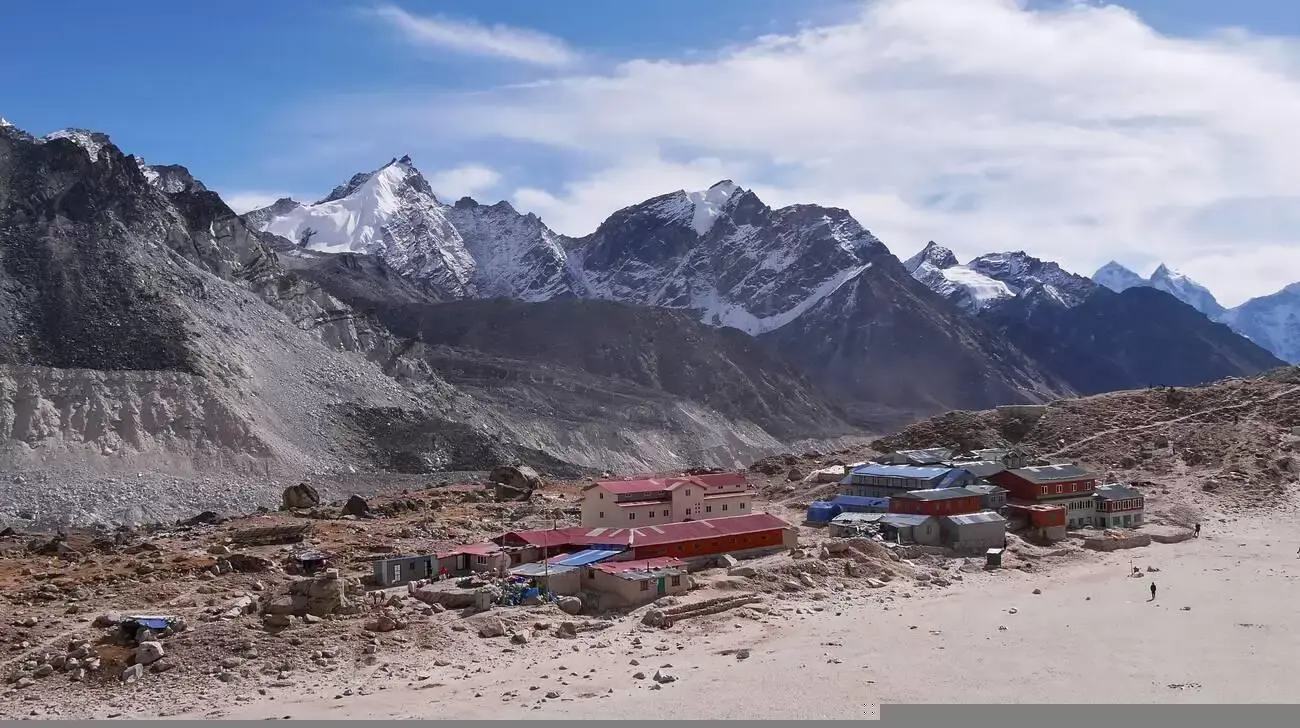
From Dingboche, the trail ascends steadily toward Lobuche (4,960m). The terrain becomes increasingly rugged, with rocky paths, glacial moraine, and memorials dedicated to climbers who lost their lives in the Himalayas. The vegetation disappears almost entirely, replaced by stark alpine wilderness. The air is noticeably thin, requiring a slow and steady trekking pace. Lobuche is a remote settlement nestled beneath towering peaks, offering basic accommodation and a dramatic high-altitude atmosphere. This section of the trek feels powerful and humbling as you approach the final stage before Everest Base Camp.
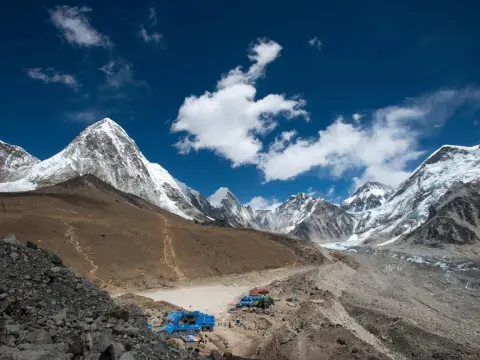
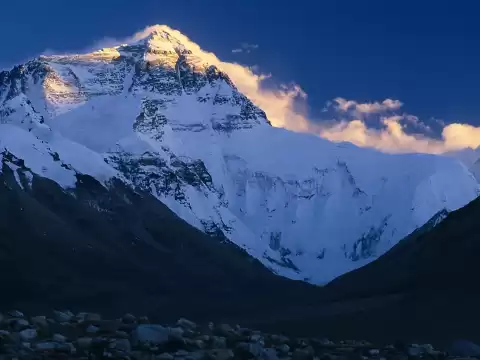
Leaving Lobuche, you trek toward the legendary Everest Base Camp (5,364m), passing through Gorakshep. The trail crosses the rocky moraine of the Khumbu Glacier, with dramatic ice formations and rugged terrain surrounding you. Reaching Everest Base Camp is an emotional and unforgettable moment, standing at the foot of the world’s highest peak. Expedition tents, prayer flags, and glacier views create an iconic scene. After spending time at base camp, you return to Gorakshep for overnight rest, reflecting on the achievement of reaching this legendary destination.
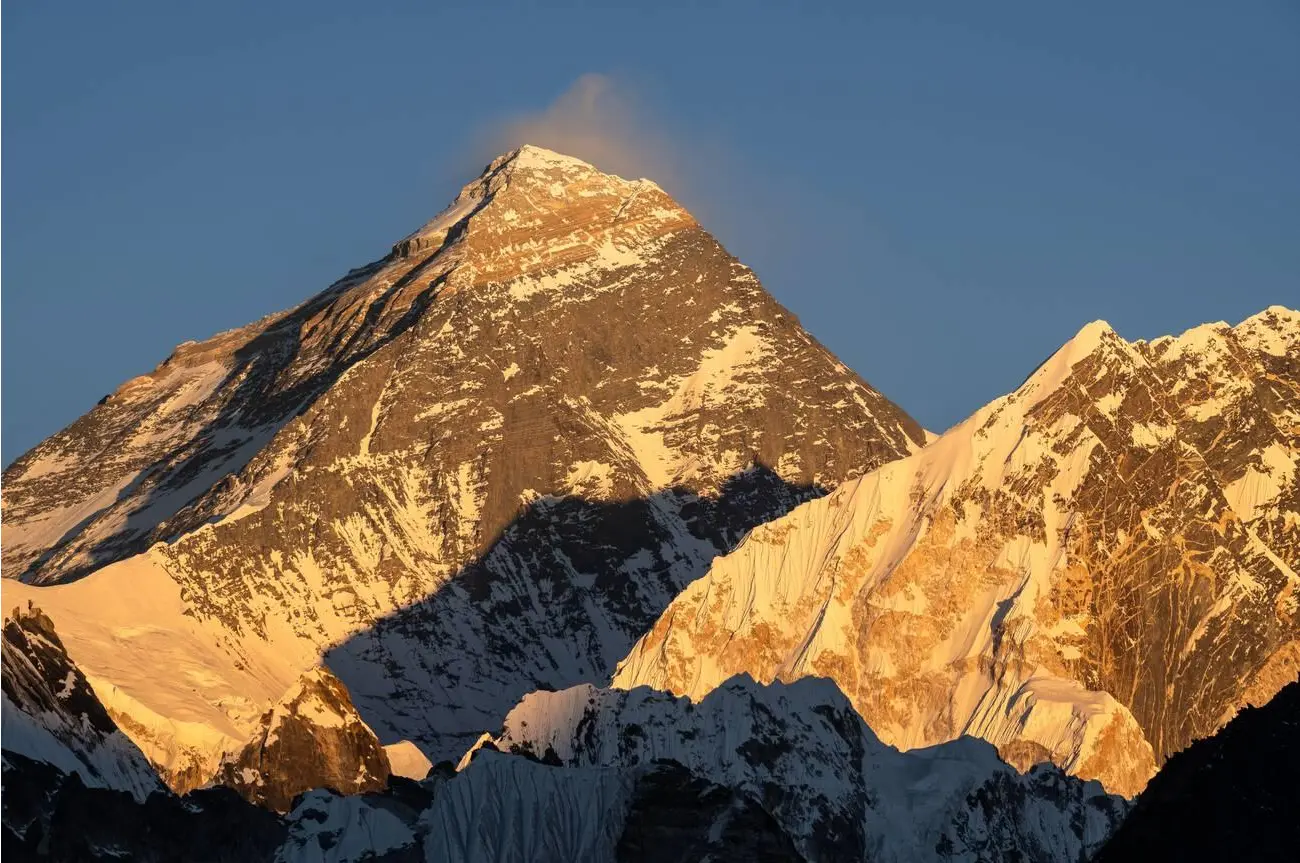
Early morning ascent to Kala Patthar (5,545m) provides the most breathtaking panoramic view of Mount Everest, glowing in sunrise light. The climb is steep but rewarding, offering unmatched photographic opportunities. After descending back to Gorakshep, you continue your trek down toward Pangboche (3,900m). As altitude decreases, breathing becomes easier and the landscape gradually softens into greener valleys. Pangboche is one of the oldest Sherpa settlements in the Khumbu region, known for its monastery, spiritual heritage, and traditional stone-built houses surrounded by stunning mountain scenery.
From Pangboche, you retrace your steps back to Namche Bazaar. The descent through Tengboche and river valleys feels significantly easier after days at high altitude. Familiar trails, forests, and suspension bridges accompany you as you move downward through the Khumbu region. Passing through rhododendron forests and traditional villages, you gradually re-enter the lively atmosphere of Namche Bazaar. The return feels both nostalgic and satisfying, marking the near completion of your Everest Base Camp journey.
Leaving Namche Bazaar, you descend all the way to Lukla. The trail involves long downhill sections, suspension bridge crossings, and riverside paths through small villages. The final day of trekking is emotional as you pass familiar landscapes and reflect on the entire journey. Upon reaching Lukla, trekkers celebrate the completion of the trekking circuit with guides and porters, sharing gratitude and memorable experiences from the Himalayas.
A morning flight from Lukla returns you to Kathmandu. The contrast between the rugged mountains and the bustling city is immediate and striking. After days in remote Himalayan terrain, Kathmandu feels energetic and colorful. The afternoon is free for rest, souvenir shopping, or exploring cultural sites. Himalayan Forever Treks ensures smooth airport transfers and may organize a farewell dinner to celebrate the successful completion of the trek.
On your final day in Kathmandu, you will be transferred to the international airport for your onward journey. This marks the conclusion of your incredible adventure through the Himalayas. With unforgettable memories of Everest Base Camp, sacred monasteries, glacial landscapes, and Sherpa culture, your journey with Himalayan Forever Treks comes to a close. The experience leaves a lasting impression of resilience, natural beauty, and the grandeur of the world’s highest mountains.
The Kathmandu to Everest Base Camp Trek – The Original Foot Trail with Himalayan Forever Treks is a remarkable Himalayan journey that follows the historic route used by early Everest adventurers before regular flights to Lukla. Starting from Kathmandu, the trek passes through traditional villages, scenic hills, lush forests, and Sherpa settlements before reaching Everest Base Camp and Kala Patthar. This adventure offers gradual acclimatization, rich cultural experiences, breathtaking mountain scenery, and an authentic trekking experience in the heart of the Everest region. Himalayan Forever Treks provides professional guides, comfortable accommodations, permit arrangements, transportation, and dedicated support throughout the journey, ensuring a safe, enjoyable, and unforgettable trekking experience.
Booking the Kathmandu to Everest Base Camp Trek – The Original Foot Trail with Himalayan Forever Treks is simple and secure. To confirm participation, trekkers are required to complete the booking form and submit the necessary deposit. Booking is highly recommended, especially during the busy spring and autumn trekking seasons when accommodation and domestic flights can become limited.
Participants must provide valid passport details, travel insurance information, and emergency contact details before arrival in Nepal. The company reserves the right to modify itineraries when required due to weather conditions, natural events, government regulations, or safety concerns. Himalayan Forever Treks always prioritizes the safety and well-being of its clients.
Key Points:
Himalayan Forever Treks understands that travel plans may occasionally change. Booking deposits help secure accommodations, permits, transportation, and trekking arrangements. Any cancellation request must be submitted in writing.
Refund eligibility depends on the timing of cancellation and the services already arranged. Certain costs, such as permit fees, hotel reservations, flight tickets, and administrative expenses, may be non-refundable. In case of trip interruption due to weather, flight delays, or natural events beyond the company's control, every effort will be made to minimize inconvenience.
Key Points:
This unique trek follows the original historical route from Kathmandu to the Everest region. Transportation includes private vehicle transfers within Kathmandu and road transportation to the trekking starting point. The route gradually connects traditional settlements before reaching the famous Everest trail.
The return journey includes a scenic mountain flight from Lukla to Kathmandu. Flight schedules may occasionally be affected by mountain weather conditions. Himalayan Forever Treks carefully manages all transportation logistics to ensure a smooth travel experience.
Key Points:
The Kathmandu to Everest Base Camp Trek – The Original Foot Trail passes through multiple climate zones. Trekkers experience warm subtropical hills, temperate forests, alpine valleys, and cold high-altitude environments as the journey progresses toward Everest Base Camp.
Weather conditions in the Himalayas can change rapidly. Clear mornings may be followed by clouds, snowfall, or strong winds in higher elevations. Himalayan Forever Treks continuously monitors local conditions and prioritizes safe trekking practices throughout the expedition.
Key Points:
Spring and autumn are considered the best seasons for this trek. During spring, blooming rhododendron forests, mild temperatures, and colorful landscapes create excellent trekking conditions. Mountain visibility is generally good, and the trails are vibrant with nature.
Autumn offers crystal-clear skies, stable weather, and outstanding Himalayan panoramas. Winter trekking is possible for experienced adventurers seeking quieter trails, while monsoon months bring heavier rainfall and reduced visibility in lower sections.
Key Points:
The success of every Himalayan journey depends on an experienced and dedicated team. Himalayan Forever Treks employs knowledgeable trekking guides, professional trekking staff, and reliable local support teams familiar with every section of the route.
The team is committed to safety, cultural understanding, environmental responsibility, and personalized service. Their expertise ensures that trekkers enjoy a memorable and rewarding experience from arrival in Nepal until final departure.
Key Points:
The journey begins in Kathmandu with arrival assistance and trip preparation before heading toward Sundarijal and the historical trekking route. Unlike standard Everest itineraries, this trek follows the original approach through traditional villages and scenic hill regions before joining the Khumbu trail.
The adventure concludes with a flight from Lukla back to Kathmandu, where trekkers can relax, celebrate their achievement, and prepare for their international departure. This complete route offers a far richer experience than the shorter fly-in trek.
Key Points:
This trek is a long-duration Himalayan adventure requiring good physical fitness, a positive attitude, and proper preparation. Acclimatization days are included to reduce altitude-related risks and enhance safety.
Accommodation consists mainly of lodges and tea houses. Facilities become simpler at higher elevations. Trekkers should carry suitable clothing for varying temperatures and weather conditions. Himalayan Forever Treks provides detailed pre-departure information to help participants prepare effectively.
Key Points:
Himalayan Forever Treks specializes in authentic trekking experiences throughout Nepal. The company focuses on personalized service, safety standards, experienced guides, and carefully designed itineraries that showcase the true beauty of the Himalayas.
For the Kathmandu to Everest Base Camp Trek – The Original Foot Trail, Himalayan Forever Treks offers complete logistical support, expert guidance, quality accommodations, permit management, and local knowledge gained through years of trekking operations. The company is dedicated to providing unforgettable adventures while maintaining responsible tourism practices.
Key Points:
Clothing
Handwear
Footwear
Gear
Miscellaneous
The best seasons for the Everest Base Camp trek via the original foot trail are spring (March to May) and autumn (September to November). During these months, weather conditions are generally stable, skies are clear, and mountain views are spectacular. Spring offers blooming rhododendron forests along the lower trails, while autumn provides crisp air and excellent visibility. Winter is possible but colder and more demanding, while monsoon season brings rain and slippery paths. Himalayan Forever Treks usually recommends spring and autumn for the safest and most enjoyable experience.
To complete the Everest Base Camp trek via the original foot trail, trekkers require permits such as the Sagarmatha National Park entry permit and local area permits for certain regions. These permits are mandatory and help support conservation and local communities. They are typically arranged in advance by the trekking agency to avoid delays. Carrying proper identification is also required during checkpoints. Himalayan Forever Treks handles all necessary documentation, ensuring trekkers have a smooth and hassle-free experience from start to finish.
Mobile network coverage is available in several sections of the Everest region, especially in lower villages like Lukla and Namche Bazaar. However, connectivity becomes weaker and less reliable at higher elevations. Wi-Fi is available in some teahouses for a small fee but may be slow due to remote infrastructure. Trekkers are advised to stay prepared for limited digital access and enjoy the natural environment. Himalayan Forever Treks encourages travelers to disconnect and fully experience the Himalayan journey.
The Kathmandu to Everest Base Camp trek via the original foot trail is considered a challenging but achievable adventure for physically fit trekkers. It involves long trekking days, steep ascents, and high-altitude walking above 5,000 meters. While no technical climbing is required, stamina, mental preparation, and gradual acclimatization are essential. The route is longer than the Lukla flight version, allowing better adaptation to altitude. With proper preparation and guidance from Himalayan Forever Treks, even first-time Himalayan trekkers can successfully complete the journey.
Prior trekking experience is helpful but not mandatory for this trek. The key requirement is good physical fitness and the ability to walk 6–8 hours daily over varied terrain. Beginners can successfully complete the journey if they train beforehand with hiking, stair climbing, or cardio exercises. The gradual ascent of the original foot trail helps reduce altitude stress compared to flying directly to Lukla. With proper preparation and support from experienced guides at Himalayan Forever Treks, even first-time trekkers can safely reach Everest Base Camp.
Altitude sickness is a common concern on high Himalayan treks, but it can be effectively managed with proper acclimatization, hydration, and a slow trekking pace. The itinerary includes key rest days in places like Namche Bazaar and Dingboche to help your body adjust gradually. Symptoms such as headache or fatigue are closely monitored by guides. If needed, descent is always prioritized for safety. Himalayan Forever Treks ensures trained guides carry medical knowledge and emergency protocols to minimize risks and maintain safe progression throughout the trek.
The full Kathmandu to Everest Base Camp trek via the original foot trail typically takes around 30–31 days. This longer itinerary compared to the flight-based route allows gradual altitude gain, better acclimatization, and a deeper cultural experience through remote villages. Each section of the journey is carefully planned to balance trekking distance and rest days. The extended duration also makes the experience more immersive and safer. Himalayan Forever Treks designs this itinerary to maximize both safety and cultural exploration.
Accommodation along the Everest Base Camp trail consists mainly of teahouses and mountain lodges. These are simple but comfortable, offering twin-sharing rooms, warm meals, and communal dining areas. As altitude increases, facilities become more basic, especially above 4,000 meters. Hot showers and Wi-Fi may be available at lower elevations but become limited higher up. Despite the simplicity, teahouses provide essential warmth and hospitality. Himalayan Forever Treks carefully selects reliable lodges to ensure trekkers receive safe, clean, and welcoming accommodations throughout the journey.
Meals on the trek include a variety of freshly prepared local and international dishes such as dal bhat (rice and lentils), noodles, pasta, soups, potatoes, and eggs. As you ascend higher, menu options become more limited due to transportation challenges. However, teahouses along the route ensure trekkers receive sufficient nutrition and energy-rich meals. It is important to eat well to maintain strength at altitude. Himalayan Forever Treks ensures hygienic meal arrangements and guides assist trekkers in choosing healthy, high-energy food options during the expedition.
Safe drinking water is available throughout the trek but must be properly treated. Bottled water is available in lower regions but becomes expensive and environmentally discouraged at higher altitudes. Most trekkers use boiled water or purification tablets provided by trekking companies. Staying hydrated is crucial for preventing altitude sickness and maintaining energy levels. It is recommended to drink 3–4 liters of water daily. Himalayan Forever Treks ensures trekkers are guided on safe hydration practices and supports sustainable water use throughout the journey.
Essential packing includes layered clothing for changing temperatures, a warm down jacket, trekking boots, gloves, thermal wear, sunglasses, sunscreen, and a quality backpack. A sleeping bag rated for cold conditions is highly recommended. Personal items like water bottles, basic medicines, and hygiene products are also necessary. Since weather can change quickly in the Himalayas, preparation is key. Himalayan Forever Treks provides a detailed packing list before departure and helps trekkers prepare properly for high-altitude conditions.

| No of people | Price per person |
|---|---|
| 1 - 1 | $1,550 |
| 2 - 4 | $1,275 |
| 5 - 7 | $1,250 |
| 8 - 12 | $1,225 |
| 13 - 20 | $1,200 |
| No of people | Price per person |
|---|---|
| 1 - 1 | $3,199 |
| 2 - 4 | $2,999 |
| 5 - 7 | $2,950 |
| 8 - 12 | $2,899 |
| 13 - 20 | $2,850 |