Top 10 Tips for a Successful Annapurna Base Camp Trek in 2026
28 Oct 2025
The Annapurna Base Camp (ABC) Trek is one of Nepal’s most iconic trekking adventures, attracting tho...

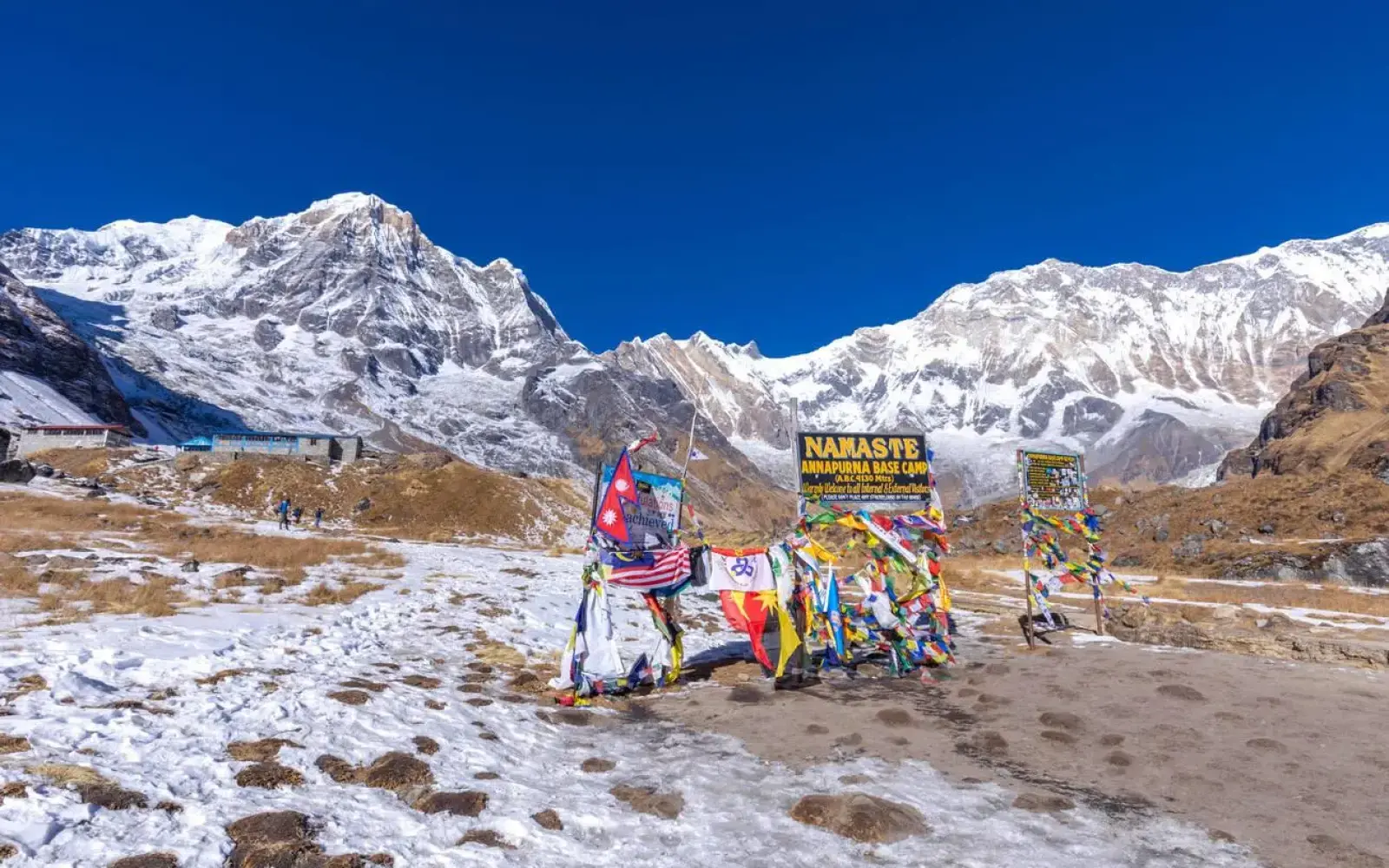
The Annapurna Base Camp (ABC) Trek is one of the most popular trekking routes in Nepal, renowned for its breathtaking mountain landscapes, lush forests, and diverse cultural experiences. While the traditional trek usually takes 8–12 days, adventurous trekkers often wonder whether it’s possible to complete it in just 6 days. With proper planning, a good fitness level, and support from experienced guides like Himalayan Forever Treks, it is feasible to achieve this shorter itinerary.
Attempting the trek in 6 days requires careful time management, shorter rest periods, and long trekking days. While this fast-paced approach may appeal to those with limited time, it demands physical endurance and mental preparedness to tackle steep ascents, high altitudes, and variable weather conditions.
Annapurna Base Camp sits at an elevation of 4,130 meters and serves as the gateway to the majestic Annapurna Massif. The trek offers panoramic views of snow-capped peaks like Annapurna South, Machapuchare (Fishtail), and Hiunchuli, making it a bucket-list destination for trekkers worldwide. The trail passes through rhododendron forests, terraced villages, and serene riversides, giving trekkers an immersive Himalayan experience.
Many trekkers are drawn to ABC not only for the dramatic scenery but also for the opportunity to experience the rich Gurung and Magar cultures of the region. Local teahouses provide basic amenities and a chance to interact with friendly villagers, adding a cultural layer to the adventure.
Key Points:
Completing the ABC trek in 6 days compresses the experience, leaving less time for acclimatization and leisurely exploration. Each day becomes more physically demanding, with longer distances and higher elevation gains. Trekkers must maintain a steady pace and manage fatigue while ensuring adequate hydration and nutrition.
The support of an experienced trekking company like Himalayan Forever Treks becomes crucial in a condensed itinerary. They handle logistics, guide navigation, and monitor your health at high altitudes, significantly reducing the risks associated with rapid ascents. While the shorter trek is rewarding, it requires determination, stamina, and preparation to enjoy the journey fully.
Key Points:
The Annapurna Base Camp (ABC) Trek is one of Nepal’s most scenic and rewarding treks, taking trekkers through diverse landscapes, traditional villages, and breathtaking mountain vistas. The trail generally begins from Jhinu Danda or Nayapul, winding through subtropical forests, terraced farmlands, and high-altitude landscapes before reaching ABC at 4,130 meters. The total round-trip distance is roughly 70–75 km, depending on the starting point and route variations, and includes significant elevation gain, making it both physically challenging and visually spectacular.
A typical itinerary spans 8–12 days, allowing time for gradual acclimatization and enjoying the cultural and natural highlights along the way. Trekkers usually pass through key stops such as Chhomrong, Bamboo, and Deurali, with teahouses nestled in valleys or along ridges. Each stage offers a mix of moderate climbs, steep ascents, and occasional river crossings, with panoramic views of peaks like Annapurna South, Machapuchare (Fishtail), and Hiunchuli. For trekkers with limited time, Himalayan Forever Treks can help plan a fast-paced schedule without compromising safety.
Key Points:
Attempting the Annapurna Base Camp trek in just 6 days is ambitious and requires a good level of fitness, mental resilience, and careful planning. Factors such as physical endurance, trekking experience, acclimatization ability, and weather conditions play a crucial role in determining whether you can safely complete the trek in a condensed timeframe. Fast trekking means covering longer distances per day and facing higher elevation gains, which can increase fatigue and the risk of altitude sickness if not managed properly.
Despite the challenges, a 6-day itinerary offers the benefit of experiencing the iconic ABC scenery in a shorter time, making it ideal for travelers with limited vacation days. The key is to balance speed with safety. Guided support from Himalayan Forever Treks ensures proper pacing, accommodation arrangements, and monitoring for altitude-related issues, which significantly reduces the risks of a condensed schedule. While the trek is more strenuous than the traditional pace, the sense of achievement and the spectacular mountain views make it worthwhile.
Key Points:
Completing the Annapurna Base Camp trek in just 6 days requires careful planning and a well-structured itinerary. Each day involves long trekking hours, often 6–9 hours, with significant elevation changes. The trek typically starts from Jhinu Danda or Nayapul, progressing through Chhomrong, Bamboo, Deurali, and finally reaching Annapurna Base Camp (4,130 m). Descending usually follows the same trail, with overnight stops at Bamboo and Jhinu Danda before returning to Pokhara. Proper planning ensures that trekkers can enjoy the breathtaking Himalayan views while minimizing the risk of altitude sickness or fatigue.
Key stops along the way also serve as essential rest points for acclimatization. Even with a fast-paced schedule, short breaks at villages or teahouses, like Chhomrong and Deurali, help your body adjust to higher elevations. Additionally, Himalayan Forever Treks can arrange transportation, meals, and accommodations, allowing trekkers to focus on trekking without worrying about logistics. Careful timing, early morning starts, and steady pacing are crucial to making a 6-day trek successful and enjoyable.
Key Points:
A 6-day Annapurna Base Camp trek is physically demanding, so preparation is essential. Training should focus on endurance, strength, and cardiovascular fitness. Activities like hiking on hilly terrain, stair climbing, running, and strength exercises for the legs, core, and back are highly recommended. Regular aerobic workouts, such as jogging or cycling, improve stamina and make long trekking days more manageable. A well-prepared body reduces the risk of injuries and ensures you can maintain the fast pace required for a condensed itinerary.
High-altitude trekking also requires mental readiness and awareness of altitude-related risks. Before the trek, it’s important to practice hiking at higher elevations if possible, and learn how your body responds to altitude changes. Staying hydrated, consuming high-energy meals, and listening to your body are essential strategies. Himalayan Forever Treks guides pacing, acclimatization techniques, and monitoring for symptoms of altitude sickness, ensuring that trekkers remain safe and healthy throughout the trek.
Key Points:
Packing smart is crucial when attempting the Annapurna Base Camp trek in just 6 days. A condensed itinerary means you will be on the move for longer hours each day, so carrying only essential items is key. Lightweight, multipurpose gear reduces fatigue while ensuring you have everything needed for comfort, safety, and quick transitions between stops. Trekking backpacks around 30–40 liters are ideal for storing essentials without adding unnecessary weight.
Essential clothing should include layered options to manage changing temperatures, moisture-wicking base layers, insulated jackets, and waterproof outer layers. Trekking poles can help with steep ascents and descents, reducing strain on knees and improving stability. Footwear should be sturdy, waterproof trekking boots with good grip. Additional essentials include a headlamp, sunglasses, sunscreen, gloves, and a reusable water bottle. Himalayan Forever Treks can also advise on gear rental or purchase in Pokhara, making preparation convenient for those traveling light.
Key Points:
Accommodation along the Annapurna Base Camp trek is primarily in tea houses and lodges, offering basic but comfortable facilities. These provide meals, hot showers (where available), and a place to rest after long trekking days. A 6-day itinerary requires minimal downtime, so planning overnight stays at strategic locations like Chhomrong, Bamboo, Deurali, and ABC ensures that you cover significant distances while allowing enough rest to acclimatize.
Food planning is equally important for maintaining energy on a fast-paced trek. Most tea houses serve local Nepali dishes like dal bhat (rice and lentils), noodles, and soups, along with snacks and tea or coffee. Eating balanced meals and staying hydrated is crucial to sustaining energy during longer trekking days. Himalayan Forever Treks can organize meal options in advance and advise on high-energy snacks, ensuring trekkers stay nourished and can maintain the pace required to complete the trek in just 6 days.
Key Points:
A 6-day Annapurna Base Camp trek is ambitious and comes with several challenges. Altitude sickness is a major concern, as rapid ascent limits the body’s time to acclimatize. Symptoms can range from mild headaches and nausea to more serious conditions like acute mountain sickness. Long trekking days also contribute to fatigue, especially on steep trails with heavy elevation gains. Additionally, the weather in the Himalayas is unpredictable—sudden rain, snow, or cold winds can make trekking more difficult and slow down progress.
Managing these risks requires preparation and vigilance. Trekkers should monitor their bodies closely, take short rest breaks, and stay hydrated. Himalayan Forever Treks provides experienced guides who can adjust pacing, suggest acclimatization strategies, and respond to altitude-related issues promptly. Carrying essential gear like warm clothing, trekking poles, and a first-aid kit also helps minimize risks. With careful planning, trekkers can safely enjoy a fast-paced journey to ABC despite these challenges.
Key Points:
For trekkers who want a more relaxed experience, longer itineraries of 8–12 days are available. These allow gradual acclimatization, shorter daily treks, and more time to enjoy scenic viewpoints and cultural experiences in villages along the route. A relaxed schedule also reduces fatigue and lowers the risk of altitude sickness.
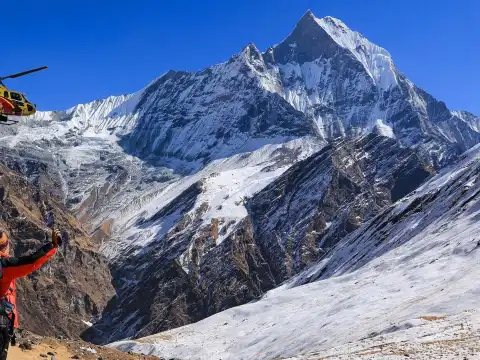
For those short on time but still wanting a shorter return journey, helicopter or flight options are available from Annapurna Base Camp or nearby villages like Ghorepani. These options provide a fast and dramatic way to descend, giving trekkers more flexibility while still enjoying the highlights of ABC. Himalayan Forever Treks can arrange these alternatives, tailoring the trek to your schedule, fitness, and comfort level.
Key Points:
Completing the Annapurna Base Camp trek in 6 days is challenging but achievable for physically fit and prepared trekkers. The pros include experiencing the iconic Himalayan scenery quickly and fitting the trek into a short vacation. However, the cons involve long trekking days, limited rest, and higher risks of altitude sickness and fatigue. Trekkers must be realistic about their fitness, experience, and mental stamina before attempting a condensed itinerary.
Ultimately, with proper preparation, pacing, and support from an experienced company like Himalayan Forever Treks, a 6-day trek can be a rewarding adventure. It’s best suited for those seeking an intense, high-adrenaline experience and willing to trade leisure for speed. For most travelers, longer itineraries provide a safer and more immersive experience, but the choice depends on your personal goals, schedule, and appetite for adventure.
Key Points:

The Annapurna Base Camp (ABC) Trek is one of Nepal’s most iconic trekking adventures, attracting tho...
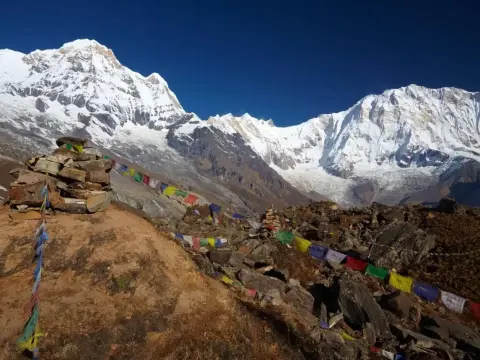
The Annapurna Base Camp (ABC) short trek is one of Nepal’s most popular trekking routes, offering br...

The Annapurna Base Camp Trek 2026 is one of Nepal’s most iconic trekking adventures, taking trekkers...



