
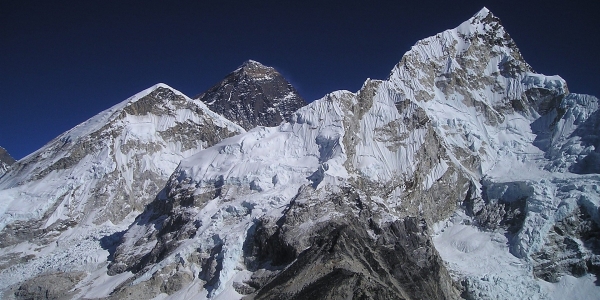
Exploring the Everest Region: A Trekking Adventure of a Lifetime
1 Jan 1970
The Everest region, also known as the Khumbu region, is a world-renowned trekking destination that a...

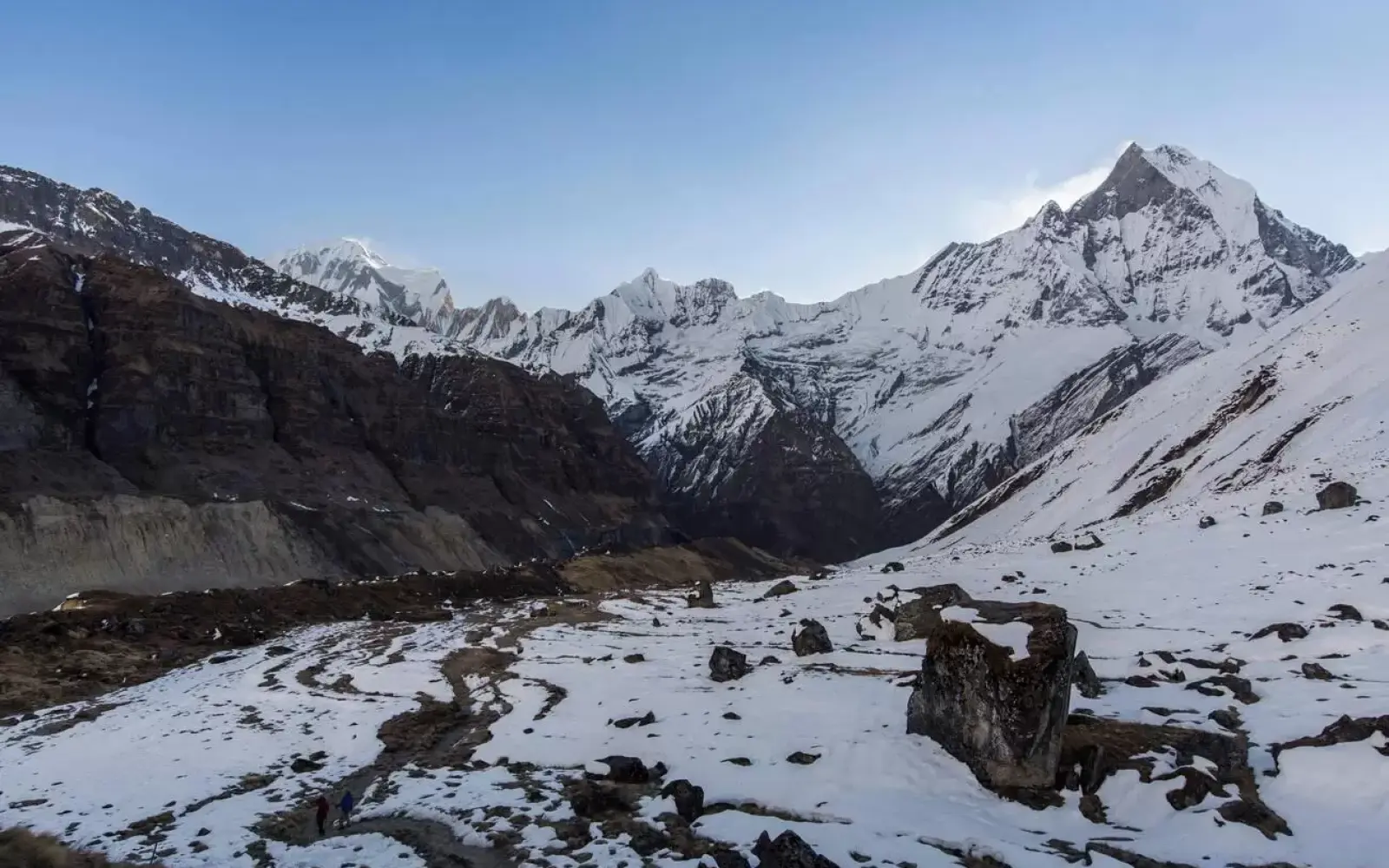
The Annapurna Base Camp Trek 2026 is one of Nepal’s most iconic trekking adventures, taking trekkers deep into the heart of the Annapurna Sanctuary. Surrounded by towering Himalayan giants such as Annapurna I (8,091 m), Machhapuchare (Fishtail), Hiunchuli, and Annapurna South, this trek offers an unforgettable blend of natural beauty, cultural richness, and moderate trekking challenges. Himalayan Forever Treks has carefully designed this itinerary to ensure comfort, safety, and an authentic Himalayan experience.
This trek is ideal for both first-time Himalayan trekkers and experienced hikers looking for a rewarding journey without extreme altitude risks. The route passes through traditional Gurung villages, lush rhododendron forests, alpine landscapes, and glacial valleys. With proper acclimatization and pacing, the Annapurna Base Camp Trek in 2026 remains achievable, scenic, and deeply satisfying.
Key Highlights of the Trek Overview
The Annapurna Base Camp Trek is a classic Himalayan journey that has remained popular for decades, and in 2026, it continues to attract trekkers from around the world. This trek offers a rare opportunity to walk directly into a natural amphitheater of snow-capped peaks, where mountains rise dramatically from all sides. Himalayan Forever Treks ensures a well-balanced itinerary that allows trekkers to enjoy both the scenery and cultural encounters at a comfortable pace.

Starting from Kathmandu and moving through the beautiful lakeside city of Pokhara, the trek gradually ascends through charming villages such as Ghandruk and Chomrong before entering the Annapurna Sanctuary. Each day brings changing landscapes—from terraced farmlands and waterfalls to alpine forests and glaciers—making the journey as rewarding as the destination itself.
Why This Introduction Matters
The popularity of the Annapurna Base Camp Trek in 2026 is driven by its accessibility, scenic diversity, and relatively moderate difficulty compared to other high-altitude treks. Unlike remote expeditions, this trek provides comfortable teahouse accommodation, reliable trails, and well-established infrastructure, making it safe and enjoyable even for beginners when guided properly by Himalayan Forever Treks.
Another reason for its continued popularity is the trek’s all-season appeal. While spring and autumn remain the best times, improved trail management and local facilities allow trekking almost year-round. The warm hospitality of local communities, combined with breathtaking mountain scenery, ensures that the ABC Trek remains one of Nepal’s top trekking choices in 2026.
Reasons for Ongoing Popularity
What truly sets the Annapurna Base Camp Trek apart is the experience of reaching a base camp surrounded by 360-degree Himalayan views. Unlike Everest Base Camp, where the main peak is not visible from the base camp itself, Annapurna Base Camp offers dramatic, close-range views of multiple peaks rising directly above you. This creates a powerful and immersive mountain experience.
Additionally, the trek passes through a wide range of landscapes in a relatively short time. From subtropical forests and waterfalls to snow-covered alpine terrain, the diversity is unmatched. Himalayan Forever Treks enhances this experience by carefully selecting routes, rest stops, and acclimatization days to maximize enjoyment and safety.
Unique Features of ABC Trek
The Annapurna Base Camp Trek 2026 is a classic Himalayan trekking experience that leads adventurers into the protected Annapurna Conservation Area, one of Nepal’s most diverse and scenic regions. This trek offers a perfect balance of natural beauty, cultural exploration, and manageable physical challenge. Himalayan Forever Treks has designed this journey to ensure gradual altitude gain, proper acclimatization, and comfortable teahouse stays throughout the route.
Unlike remote expeditions, the Annapurna Base Camp Trek is well-supported with established trails and local lodges, making it suitable for trekkers with basic fitness and strong motivation. The route passes through traditional Gurung and Magar villages, dense rhododendron forests, alpine landscapes, and glacial valleys before reaching the iconic base camp surrounded by towering Himalayan peaks.
Overview Highlights
Annapurna Base Camp is located in north-central Nepal within the Annapurna Massif, one of the most spectacular mountain ranges in the Himalayas. The base camp lies inside a natural amphitheater known as the Annapurna Sanctuary, surrounded by some of the world’s highest peaks, including Annapurna I, Annapurna South, Hiunchuli, and Machhapuchare (Fishtail). This unique location offers trekkers uninterrupted panoramic views in all directions.
The altitude of Annapurna Base Camp is 4,130 meters (13,550 feet) above sea level. While this is considered high altitude, it is lower than Everest Base Camp, making it more accessible and safer for trekkers with proper acclimatization. Himalayan Forever Treks carefully structures the itinerary to ensure gradual elevation gain, reducing the risk of altitude-related issues and enhancing overall trekking safety.
Location & Altitude Highlights
The total trekking distance of the Annapurna Base Camp Trek ranges between 110–130 kilometers (round trip), depending on the chosen starting point and route variation. With Himalayan Forever Treks’ itinerary, the trek is spread across 13 days, including arrival, departure, sightseeing, and trekking days. This duration allows for comfortable walking hours, proper acclimatization, and enough time to enjoy the surroundings without rushing.
In terms of trekking style, the Annapurna Base Camp Trek is a teahouse trek, meaning trekkers stay in locally operated lodges along the route. This style eliminates the need for camping equipment and porters carrying heavy gear, making the trek more accessible and comfortable. Meals are freshly prepared, and rooms are basic but cozy, offering a genuine Himalayan trekking experience supported by local communities.
Distance, Duration & Trekking Style Highlights
Choosing the right season is crucial for a safe and enjoyable Annapurna Base Camp Trek. In 2026, the trek can be completed in all four seasons, but weather, visibility, trail conditions, and crowd levels vary significantly. Himalayan Forever Treks recommends selecting the trekking season based on your experience level, comfort with weather conditions, and personal travel goals.
Spring and autumn remain the most popular seasons due to stable weather and clear mountain views. However, winter and monsoon treks offer unique experiences for adventurous trekkers who prefer fewer crowds and are prepared for challenging conditions.
Best Time Overview
Best seasons: Spring and Autumn
Off-season trekking possible with preparation
Weather and visibility vary by month
Expert guidance recommended in winter and monsoon
Spring Season (March–May): Weather, Views & Crowd Level
Spring is one of the most beautiful times to trek to Annapurna Base Camp. During this season, the trails come alive with blooming rhododendron forests, lush greenery, and vibrant landscapes. The weather is generally mild, with warm days and cool nights, making trekking comfortable at lower and mid-altitudes. Clear mornings often provide stunning mountain views, especially of Machhapuchare and Annapurna South.
Because of these ideal conditions, spring attracts a large number of trekkers from around the world. While the trails and teahouses can be busy, Himalayan Forever Treks manages logistics carefully to ensure comfortable accommodation and smooth trekking experiences even during peak periods.
Spring Season Highlights
Autumn Season (September–November): Best Conditions Explained
Autumn is widely considered the best overall season for the Annapurna Base Camp Trek. After the monsoon rains, the air becomes fresh and clear, offering unmatched visibility of the Himalayan peaks. Weather conditions are stable, with dry trails, mild temperatures, and crisp nights at higher altitudes.
This season is especially popular among photographers and trekkers seeking perfect mountain views. Although it is the busiest trekking period, Himalayan Forever Treks ensures proper planning, advance bookings, and flexible itineraries to maintain comfort throughout the journey.
Autumn Season Highlights
Winter Trek (December–February): Pros, Cons & Challenges
Winter trekking to Annapurna Base Camp offers a quieter and more peaceful experience. Snow-covered landscapes, fewer trekkers, and clear skies on good weather days create a magical Himalayan atmosphere. Daytime temperatures can be comfortable at lower altitudes, but nights become extremely cold as you gain elevation.
The main challenges of winter trekking include snowfall, icy trails, and limited teahouse availability at higher elevations. Himalayan Forever Treks recommends winter treks only for physically fit trekkers who are well-prepared and guided by experienced professionals.
Winter Season Highlights
Monsoon Trek (June–August): Is It Worth It?
The monsoon season brings frequent rainfall, lush green landscapes, and occasional leeches on lower trails. While mountain views can be limited due to clouds, the Annapurna region lies in a partial rain-shadow, making it more suitable for monsoon trekking than some other regions of Nepal.
Monsoon trekking is ideal for those seeking solitude and greenery rather than clear mountain views. Himalayan Forever Treks carefully monitors weather conditions and trail safety during this season to ensure a secure trekking experience.
Monsoon Season Highlights
The Annapurna Base Camp Trek route is well-defined and flexible, offering multiple starting points and trail variations. Himalayan Forever Treks selects the most suitable route based on weather, season, and trekking pace to ensure safety and enjoyment. The trek gradually ascends through river valleys and mountain villages before entering the Annapurna Sanctuary.
The route map highlights a combination of cultural villages, forest trails, suspension bridges, and alpine landscapes. Each section of the trail offers unique scenery, making the journey as memorable as reaching the base camp itself.
Route Map Overview
The Annapurna Base Camp Trek can begin from several trailheads, each offering a slightly different experience. Nayapul is the traditional starting point, allowing trekkers to walk through villages and terraced farmlands from lower altitudes. Ghandruk is a popular starting point for shorter itineraries, offering immediate mountain views and cultural immersion.
Jhinu Danda is often used as an ending point rather than a starting point, famous for its natural hot springs. Himalayan Forever Treks customizes starting and ending points based on time availability and trekking preferences.
Starting Point Highlights
Classic ABC Route via Ghorepani vs Direct Route
The classic Annapurna Base Camp route via Ghorepani includes the famous Poon Hill viewpoint, offering spectacular sunrise views over the Annapurna and Dhaulagiri ranges. This route is slightly longer but adds significant scenic and cultural value to the trek.
The direct route skips Ghorepani and follows a shorter path through Chomrong and Bamboo. Himalayan Forever Treks recommends the direct route for trekkers with limited time or those focusing primarily on reaching Annapurna Base Camp.
Route Comparison Highlights
Via Ghorepani: Longer, scenic, Poon Hill sunrise
Direct route: Shorter, more direct ascent
Both routes lead into the Annapurna Sanctuary
Choice depends on time and fitness level
Key Villages and Landmarks Along the Trail
The Annapurna Base Camp Trek passes through several important villages and landmarks, each contributing to the overall experience. Ghandruk and Chomrong are major cultural stops with traditional Gurung settlements and mountain views. Bamboo, Dovan, and Deurali mark the transition into alpine terrain.
Machhapuchare Base Camp and Annapurna Base Camp are the highlights of the trek, offering breathtaking mountain panoramas. Himalayan Forever Treks ensures proper rest stops and acclimatization at these key locations.
Key Villages & Landmarks
The Annapurna Base Camp Trek is considered a moderate-level trek, meaning it does not require technical climbing skills but does demand good physical preparation. Trekkers should be able to walk 5–7 hours per day on uneven terrain, including long stone staircases and steady ascents. While prior trekking experience is helpful, first-time trekkers can successfully complete the ABC Trek in 2026 with proper training and guidance from Himalayan Forever Treks.
Preparation should begin several weeks before arrival in Nepal. Building stamina, leg strength, and cardiovascular endurance significantly improves comfort and reduces fatigue on the trail. A well-prepared body allows trekkers to enjoy the scenery and cultural experiences rather than focusing solely on physical strain.
Recommended Physical Fitness Level
Trekkers should have a reasonable level of fitness and be comfortable with sustained walking over multiple days. The ability to climb stairs continuously and walk uphill for extended periods is especially important on the ABC route.
Fitness Level Summary
A structured training routine 6–8 weeks before the trek is highly recommended. Activities such as hiking, jogging, cycling, stair climbing, and strength training help condition the body for daily trekking.
Training Tips
Mental readiness is just as important as physical fitness. High-altitude trekking can be mentally demanding due to cold weather, basic accommodation, and physical fatigue. A positive mindset, patience, and flexibility help trekkers adapt to changing conditions.
Mental Preparation Tips
Altitude plays a significant role in the Annapurna Base Camp Trek, with the highest point reaching 4,130 meters. While this altitude is lower than Everest Base Camp, trekkers can still experience altitude-related symptoms if ascent is rushed or hydration is neglected. Himalayan Forever Treks prioritizes gradual ascent and proper acclimatization to minimize risks.
Understanding altitude sickness and listening to your body are essential for a safe trekking experience. Early recognition of symptoms allows for timely action, ensuring a safe and enjoyable journey to Annapurna Base Camp.
Maximum Altitude and Risk of Altitude Sickness
Altitude sickness can affect anyone, regardless of age or fitness level. Common symptoms include headache, nausea, dizziness, and loss of appetite. Severe cases require immediate descent.
Altitude Facts
Himalayan Forever Treks follows a carefully designed itinerary that includes gradual elevation gain and proper rest. Walking slowly, staying hydrated, and avoiding alcohol are key components of acclimatization.
Acclimatization Tips
Packing correctly is crucial for comfort, safety, and enjoyment on the ABC Trek. Weather conditions can change rapidly, especially at higher altitudes, so layered clothing is essential. Himalayan Forever Treks recommends packing light but smart, focusing on versatile and high-quality gear.
A well-organized packing list ensures you are prepared for cold mornings, warm afternoons, rain, and snow depending on the season. Proper gear reduces fatigue and protects against weather-related risks.
Clothing and Gear for Different Seasons
Seasonal variations require different clothing combinations. Even in warmer months, temperatures drop significantly at night.
Clothing Essentials
In addition to clothing, personal gear and safety items play a vital role in high-altitude trekking.
Essential Gear
Safety Tips and Common Mistakes to Avoid
Safety is a top priority on the Annapurna Base Camp Trek. Weather conditions can change unexpectedly, especially in higher sections of the trail. Himalayan Forever Treks continuously monitors weather updates and trail conditions to ensure safe trekking decisions.
Many trekking challenges arise due to avoidable mistakes such as rushing the itinerary, underestimating altitude, or improper packing. Awareness and preparation help prevent most issues.
Weather Changes and Trail Safety
Mountain weather can shift rapidly, bringing cold winds, snowfall, or fog. Being prepared and flexible is essential.
Weather & Trail Safety Tips
Trekking Pace and Hydration Tips
Maintaining a steady pace and proper hydration helps prevent exhaustion and altitude sickness.
Pace & Hydration Tips
The Annapurna Base Camp Trek remains one of Nepal’s most rewarding trekking experiences in 2026. With its stunning mountain scenery, rich cultural encounters, and manageable difficulty level, it offers exceptional value for trekkers seeking a true Himalayan adventure. Himalayan Forever Treks ensures a well-planned, safe, and memorable journey from start to finish.
Whether you are a first-time trekker or an experienced hiker, the ABC Trek delivers a powerful sense of achievement and connection with nature. Proper preparation, the right season, and professional guidance make this trek a truly unforgettable experience.
Who Should Do This Trek
The Annapurna Base Camp Trek is suitable for a wide range of trekkers with basic fitness and a spirit of adventure.
Ideal For
Key Takeaways for Planning Your ABC Trek
Careful planning and choosing the right trekking partner make all the difference.
Key Planning Tips



