Why 2026 Is the Perfect Year to Trek to Everest Base Camp
26 Jan 2026
2026 presents an exceptional opportunity for adventurers to embark on the iconic Everest Base Camp (...

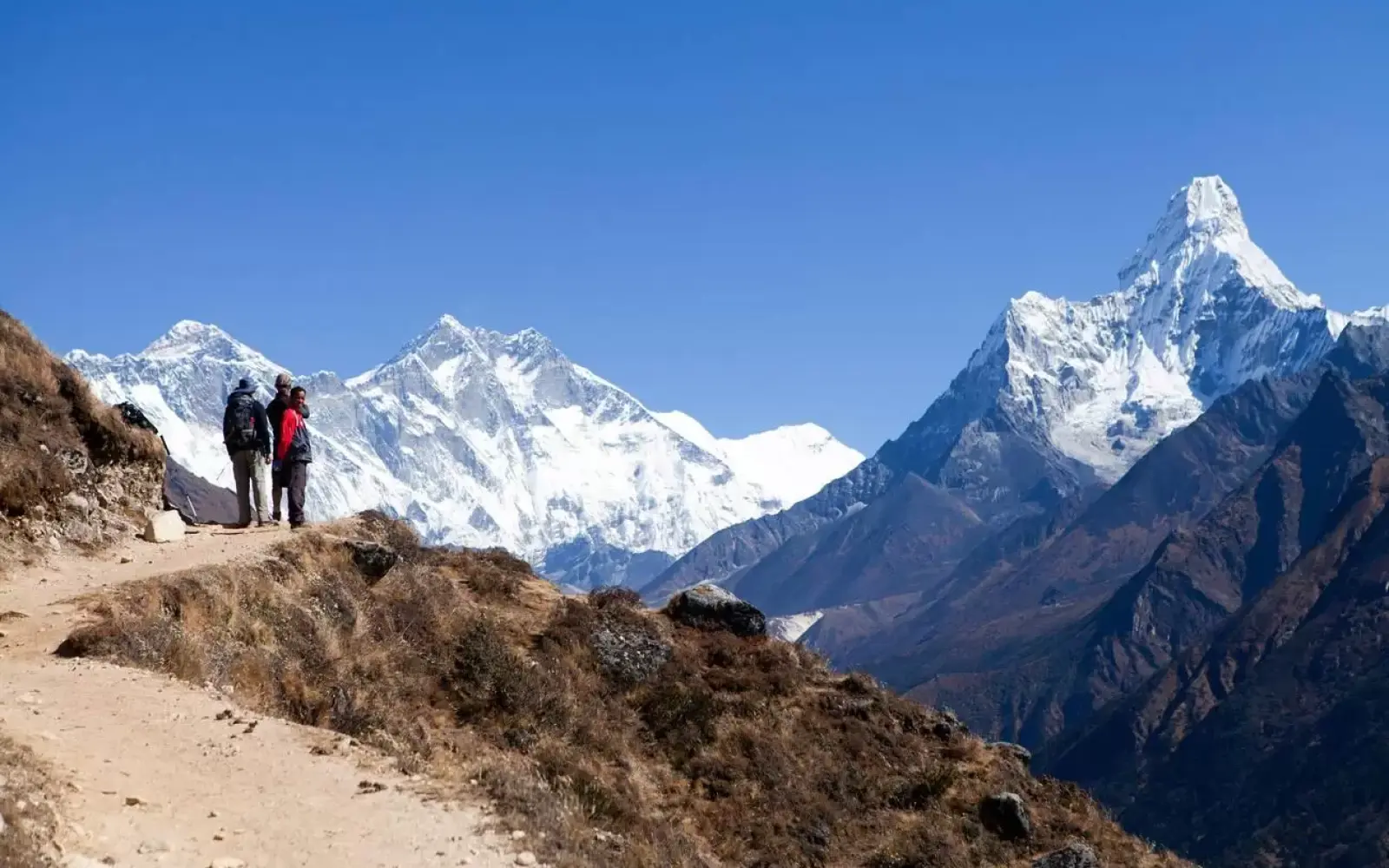
The journey to Tengboche Monastery is one of the most rewarding highlights of the Everest Short Trek operated by Himalayan Forever Treks. This sacred Buddhist monastery sits at around 3,867 meters and offers panoramic views of Everest, Ama Dablam, Lhotse, and other Himalayan giants. The trek blends natural beauty, cultural immersion, and spiritual experience in a compact but powerful itinerary.
Starting from Lukla and passing through iconic Sherpa villages, the trail gradually builds altitude while allowing proper acclimatization. The route is carefully designed to ensure trekkers experience both adventure and safety, with key stops such as Phakding, Namche Bazaar, and the famous viewpoint at Hotel Everest View before reaching Tengboche.
Key highlights
The Everest Short Trek is designed for trekkers who want a meaningful Himalayan experience within a limited timeframe. It offers a perfect balance between adventure and accessibility, making it ideal for beginners as well as experienced hikers who may not have time for a full Everest Base Camp expedition. The journey still delivers iconic views and deep cultural encounters.
A major highlight of this trek is the visit to Tengboche Monastery, a spiritual center nestled amidst towering peaks. The monastery provides a peaceful contrast to the rugged mountain trails and busy trekking routes. Guided by Himalayan Forever Treks, travelers not only explore landscapes but also gain insight into the traditions, rituals, and daily life of the Sherpa community.
Key highlights
The route begins with arrival in Kathmandu, where trekkers prepare for the journey into the Himalayas. A short but thrilling flight takes you to Lukla, the gateway to the Everest region. From here, the trail descends to Phakding and then gradually climbs toward Namche Bazaar, the bustling Sherpa capital.
From Namche Bazaar, trekkers often take an acclimatization hike to Hotel Everest View, offering stunning panoramas of Everest before continuing toward Tengboche. The final stretch leads to the majestic Tengboche Monastery, surrounded by alpine forests and mountain backdrops. After exploration, the return route follows the same trail back through Monjo and Lukla before flying back to Kathmandu.
Key route breakdown
Key highlights
The Tengboche Monastery is widely regarded as the spiritual heart of the Everest region and one of the most iconic highlights of the Everest Short Trek. Perched on a ridge surrounded by towering Himalayan peaks, it offers a rare combination of natural grandeur and deep Buddhist spirituality. The monastery is especially famous for its breathtaking backdrop dominated by Ama Dablam, often called the “Matterhorn of the Himalayas.”
For trekkers with Himalayan Forever Treks, this stop is more than just a viewpoint—it is a cultural and emotional high point of the journey. The peaceful chants of monks, fluttering prayer flags, and panoramic mountain views create an unforgettable atmosphere that stays with visitors long after the trek ends.
Key highlights
The best time to visit Tengboche Monastery is during the spring (March to May) and autumn (September to November) seasons. Spring brings blooming rhododendrons and mild temperatures, making the forested trails vibrant and colorful. Autumn offers the clearest skies, giving trekkers the most dramatic mountain views, especially of Everest and the surrounding peaks.
Winter trekking is also possible but comes with colder temperatures and occasional snow, which can make trails more challenging. Monsoon season (June to August) is generally avoided due to heavy rainfall, slippery paths, and limited visibility. Himalayan Forever Treks ensures proper seasonal planning so trekkers experience the monastery at its most beautiful and accessible time.
Key highlights
The journey from Namche Bazaar to Tengboche is one of the most scenic and spiritually uplifting sections of the Everest Short Trek. The trail begins with a gradual descent through pine forests, offering peaceful walking paths and occasional views of distant peaks. Trekkers cross suspension bridges over rushing rivers before beginning a steady uphill climb toward Tengboche.
As the altitude increases, the landscape opens up dramatically, revealing wide Himalayan panoramas. The first distant sight of Tengboche Monastery, perched on its ridge with snow-capped peaks behind it, is often an emotional moment for trekkers. Guided by Himalayan Forever Treks, the route is paced carefully to balance enjoyment, safety, and acclimatization.
Key highlights
At Tengboche Monastery, trekkers are welcomed into a serene spiritual environment where monks live, study, and perform daily rituals. Morning and evening prayer ceremonies often fill the monastery with rhythmic chanting, horns, and traditional instruments, creating a deeply calming atmosphere. The interior is beautifully decorated with murals, statues, and sacred Buddhist artifacts.
Visitors traveling with Himalayan Forever Treks can experience not only the visual beauty of the monastery but also its cultural depth. The surrounding courtyard offers one of the best panoramic viewpoints in the Everest region, making it an ideal place for reflection, photography, and rest before continuing the trek.
Key highlights
The Tengboche Monastery is the most important spiritual center in the Khumbu region and plays a vital role in preserving Tibetan Buddhist traditions in the Himalayas. For the local Sherpa community, the monastery is not just a religious site but also a cultural anchor that guides daily life, celebrations, and community values. It is closely connected with Buddhist teachings that emphasize compassion, mindfulness, and harmony with nature.
The monastery also serves as a place for major festivals such as Mani Rimdu, where monks perform sacred masked dances and rituals. These ceremonies attract both locals and trekkers, offering a rare glimpse into centuries-old Himalayan Buddhist culture. With Himalayan Forever Treks, travelers gain a deeper understanding of how spirituality is interwoven with the mountain lifestyle.
Key highlights
The trek to Tengboche Monastery is considered moderate in difficulty, making it suitable for trekkers with average fitness levels. However, the challenge mainly comes from altitude rather than technical terrain. As the trail ascends beyond 3,000 meters, the air becomes thinner, and trekkers may feel mild symptoms of altitude adjustment, especially if they do not acclimatize properly in places like Namche Bazaar.
The trail itself includes a mix of steep ascents, descents, suspension bridges, and rocky paths. Weather conditions can also change quickly in the Himalayas, adding an element of unpredictability. Himalayan Forever Treks ensures a well-paced itinerary, allowing proper rest and acclimatization to minimize risk and maximize enjoyment.
Key highlights
Accommodation near Tengboche Monastery consists mainly of simple teahouses and mountain lodges designed for trekkers. These lodges provide basic but comfortable facilities such as twin-sharing rooms, communal dining areas, and warm meals. Luxury is limited at this altitude, but the hospitality and mountain views more than compensate for the simplicity.
Food options typically include traditional Nepali meals like dal bhat, noodles, soups, and basic international dishes. Electricity and Wi-Fi may be limited or available at an extra cost, and hot showers are often not guaranteed. Trekkers with Himalayan Forever Treks are well-prepared in advance, so expectations remain realistic and the focus stays on the natural and cultural experience.
Key highlights
Reaching Tengboche Monastery on the Everest Short Trek is as much about preparation as it is about the journey itself. The trail gradually ascends from Kathmandu to high-altitude villages like Lukla, Phakding, and Namche Bazaar, before reaching the spiritual highlight at Tengboche Monastery. Proper pacing and acclimatization are essential to enjoy the trek safely and comfortably.
Weather in the Everest region can change quickly, and altitude plays a major role in your experience. Walking slowly, staying hydrated, and respecting rest days helps prevent altitude sickness while ensuring you fully enjoy the Himalayan scenery.
Trekking with a trusted operator like Himalayan Forever Treks ensures safety, proper guidance, and well-planned acclimatization throughout the journey.
The trek to Tengboche is one of the most visually rewarding journeys in the Everest region. One of the most iconic views is the panoramic sight of Mount Everest and the dramatic peak of Ama Dablam, especially visible from viewpoints near Hotel Everest View and along the trail from Namche Bazaar.
Sunrise and sunset moments are particularly magical, as golden light reflects off snow-covered peaks and deep valleys. Tengboche Monastery itself, framed by towering mountains, creates one of the most spiritual and cinematic landscapes in the Himalayas.
Himalayan Forever Treks guides often help trekkers reach optimal viewpoints at the right times, ensuring you don’t miss the best light conditions.
Tengboche Monastery is more than just a stop on the Everest trekking route—it is a place where nature, spirituality, and Himalayan culture come together. Surrounded by towering peaks and serene silence, it offers trekkers a rare moment of peace and reflection in the middle of a challenging journey.
As you descend back through Namche Bazaar and Phakding toward Lukla, the experience of Tengboche stays with you long after the trek ends. It is often remembered not just for its views but for its emotional and spiritual impact.
With Himalayan Forever Treks, the journey to Tengboche becomes more than a hike—it becomes a guided experience through the heart of the Himalayas, leaving lasting memories of both adventure and inner calm.
2026 presents an exceptional opportunity for adventurers to embark on the iconic Everest Base Camp (...
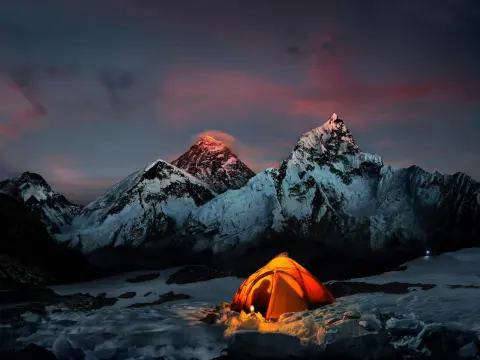
Perched high above Kala Patthar, the sunrise experience is widely regarded as the finest vantage poi...
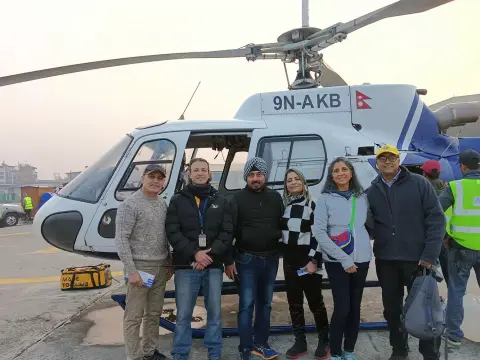
Breakfast at Everest Base Camp by helicopter is possible, but it is not always served directly in th...



