Step by Step to the Top: Elevation Guide for Everest Base Camp
11 Mar 2025
Trekking to Everest Base Camp (EBC) is an adventure of a lifetime, offering breathtaking views, rich...

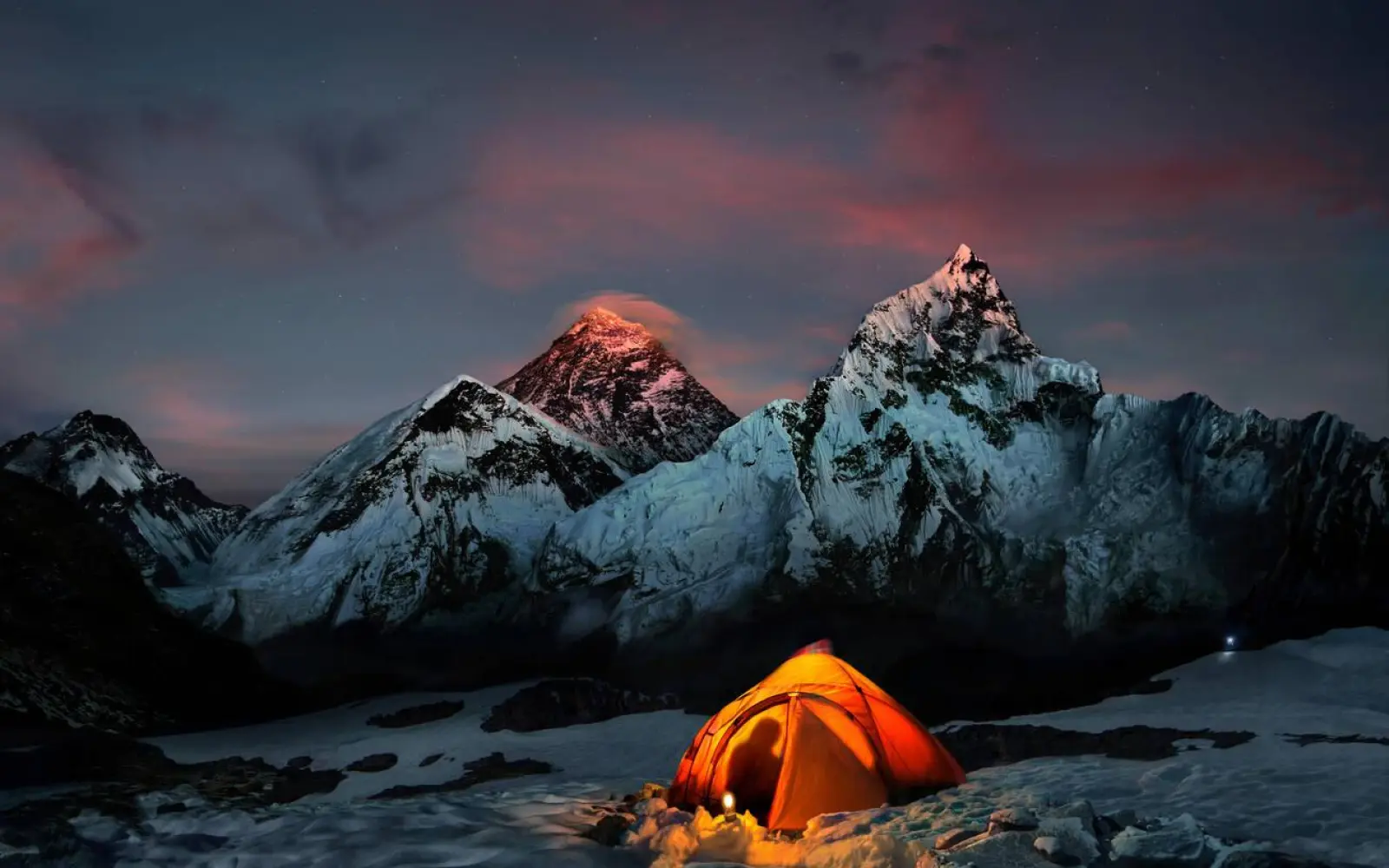
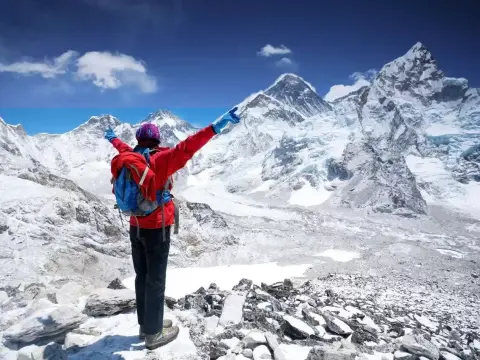
Perched high above Kala Patthar, the sunrise experience is widely regarded as the finest vantage point to witness the grandeur of Mount Everest and its surrounding giants. At an elevation of 5,644 meters, this rugged “black rock” outcrop offers a breathtaking 360-degree panorama that includes Lhotse, Nuptse, and the sprawling Khumbu Glacier. Unlike Everest Base Camp, where the summit of Everest remains hidden behind surrounding peaks, Kala Patthar provides a clear, unobstructed view of the world’s highest mountain.
For trekkers journeying through the Khumbu region, reaching Kala Patthar at sunrise represents both a physical milestone and an emotional high point. The early morning ascent, often beginning in darkness, builds anticipation as the first rays of light slowly reveal the Himalayan skyline. This magical moment is not just about the view—it’s about the journey, the silence of the mountains, and the sense of standing at the top of the world.
Key Highlights:
Imagine standing in the freezing predawn air, your breath visible in the thin Himalayan atmosphere, as darkness slowly gives way to a faint golden glow. This is the beginning of the sunrise experience at Kala Patthar—a moment that feels almost otherworldly. Trekkers often leave Gorak Shep hours before dawn, guided by headlamps and determination, to reach the summit just in time for nature’s grand spectacle.
As the sun rises, it paints the peaks with hues of gold, orange, and pink. Mount Everest gradually emerges from shadow, its summit catching the first light of day while the valleys below remain in darkness. This contrast creates a dramatic and unforgettable visual effect. The stillness, broken only by the whisper of wind, adds to the profound beauty of the moment.
Why It Feels Special:
Kala Patthar is located in Nepal’s Khumbu region, on the southwest ridge of Pumori. Rising above the small settlement of Gorak Shep, it serves as the highest accessible point for trekkers on the classic Everest Base Camp route. Despite its non-technical nature, the altitude alone makes the climb demanding, requiring proper acclimatization.
What sets Kala Patthar apart is its unique vantage point. While Everest Base Camp sits closer to Everest, it does not offer a direct view of the summit due to the surrounding mountain formations. Kala Patthar, however, rises at the perfect angle to reveal Everest in its full glory, making it the preferred viewpoint for trekkers and photographers alike.
Geographical Insights:
Sunrise at Kala Patthar transforms an already spectacular landscape into something truly magical. During the early morning hours, the atmosphere is typically clearer, offering sharper, more vivid views of Mount Everest and neighboring peaks. The first light of the day creates a golden halo on the summit, a phenomenon often referred to as “alpenglow,” which is rarely as striking later in the day.
Additionally, sunrise provides a sense of solitude and tranquility that is hard to find during busier daylight hours. The effort required to reach the viewpoint before dawn naturally limits crowds, allowing trekkers to enjoy a more intimate connection with the Himalayas. This combination of natural beauty, peaceful atmosphere, and personal achievement makes sunrise at Kala Patthar an unforgettable highlight of any Everest trek.
Why Sunrise Stands Out:
The trek to Kala Patthar is typically part of the classic Everest Base Camp itinerary and is considered one of the most rewarding short ascents in the entire journey. Starting from Gorak Shep, the trail climbs steeply over rocky and uneven terrain, gradually gaining altitude toward the viewpoint at 5,644 meters. Although the distance is not long, the thin air and steep incline make every step significantly more demanding than it appears on a map.
Most trekkers attempt this climb after already spending several days acclimatizing along the route toward Everest Base Camp. The ascent is non-technical, meaning no climbing equipment is required, but the physical challenge is real due to altitude and cold conditions. With proper pacing and guidance from experienced teams like Himalayan Forever Treks, the climb becomes a manageable and deeply rewarding achievement.
What to Expect on the Trek:
Preparation Tips:
The journey to Kala Patthar begins long before sunrise, often around 3:00–4:00 AM, when trekkers leave the warm teahouses of Gorak Shep. The sky is still completely dark, and the only source of light is a headlamp cutting through the silence. The cold is intense, and every breath feels sharp in the thin Himalayan air, yet the anticipation of witnessing sunrise over Everest keeps spirits high.
As the climb begins, the trail slowly reveals itself in faint outlines—rocks, ridges, and silhouettes of distant peaks. The group moves in a quiet rhythm, often single file, with only the crunch of boots breaking the silence. This pre-dawn ascent is as much a mental journey as a physical one, testing determination and focus with every upward step.
What the Night Climb Feels Like:
Key Experiences:
Reaching the top of Kala Patthar before sunrise is a moment of pure reward. As the first light breaks over the horizon, the dark silhouettes of the Himalayas slowly transform into glowing giants. Mount Everest begins to shine in brilliant shades of gold and orange, while surrounding peaks like Lhotse and Nuptse catch the same warm light, creating a surreal 360-degree panorama.
The emotional impact of this moment is often overwhelming. After days of trekking, physical exhaustion, and altitude challenge, seeing Everest illuminated at sunrise feels almost unreal. Many trekkers fall silent, simply absorbing the scale and beauty of the Himalayas. It is a moment of reflection, achievement, and awe—one that stays etched in memory long after the journey ends with Himalayan Forever Treks.
What Makes Sunrise Special:
Unforgettable Highlights:
From the summit of Kala Patthar, the view is far more expansive than just Mount Everest. The entire Khumbu region unfolds in a dramatic panorama of towering Himalayan giants, glaciers, and ridgelines. One of the most striking companions to Everest is Nuptse, which appears very close and forms a massive wall of jagged peaks right beside Everest.
Another dominant presence is Lhotse, the fourth-highest mountain in the world, which rises sharply behind Everest. On clear mornings, trekkers can also spot distant peaks such as Pumori and other surrounding ridges that frame the entire Everest massif. This layered composition of mountains creates a cinematic Himalayan skyline that feels almost unreal in scale and beauty, especially during sunrise with Himalayan Forever Treks.
Key Peaks Visible:
What Makes the View Special:
The best time to witness sunrise from Kala Patthar is during the pre-monsoon (spring) and post-monsoon (autumn) trekking seasons. Spring, from March to May, offers stable weather, moderate temperatures, and blooming rhododendrons at lower altitudes, while autumn, from late September to November, provides the clearest skies and sharpest mountain visibility.
Winter (December to February) can also offer exceptionally clear views, but extreme cold and heavy snowfall make trekking more challenging. The monsoon season (June to August) is generally avoided due to clouds, rain, and poor visibility. For the most reliable sunrise experience over Mount Everest, autumn is widely considered the best season, especially when guided by Himalayan Forever Treks.
Best Seasons Overview:
Ideal Conditions for Sunrise:
Photographing sunrise from Kala Patthar is a dream for many trekkers, as the moment the first light touches Mount Everest creates one of the most iconic landscapes in the world. The changing colors, shifting shadows, and vast mountain scale make it essential to prepare your camera settings in advance before the light arrives.
The best results often come from shooting in manual mode, allowing full control over exposure and focus. Wide-angle shots help capture the entire Himalayan panorama, while zoom lenses are ideal for isolating Everest’s glowing summit. Because conditions change rapidly at sunrise, timing is critical—just a few minutes can completely transform the lighting and mood of the image.
Camera Tips for Best Shots:
Best Shooting Techniques:
Pro Advice:
The ascent to Kala Patthar is not technically difficult, but it becomes physically demanding because of the extreme altitude. At 5,644 meters, oxygen levels are significantly lower than at sea level, which can lead to symptoms of Acute Mountain Sickness (AMS). Even well-prepared trekkers may feel shortness of breath, fatigue, dizziness, or headaches during the climb from Gorak Shep.
Proper acclimatization is the key to safely enjoying the sunrise experience over Mount Everest. Most trekking itineraries include gradual elevation gain, rest days, and hydration strategies to help the body adjust. With careful pacing and guidance from experienced teams like Himalayan Forever Treks, trekkers can significantly reduce risks and focus on the experience rather than the strain.
Altitude Safety Tips:
Key Precautions:
Preparing for the sunrise climb to Kala Patthar requires smart packing because temperatures can drop far below freezing before dawn. Layered clothing is essential, as conditions can shift quickly from cold to bright sunlight once the sun rises over Mount Everest.
Since the hike starts in darkness from Gorak Shep, trekkers also need reliable lighting and protective gear. The key is to pack light but efficiently, focusing on warmth, safety, and essentials for both comfort and photography. Experienced operators like Himalayan Forever Treks help ensure trekkers are properly equipped before the climb.
Essential Gear List:
Important Accessories:
Optional but Useful:
Standing at the top of Kala Patthar before sunrise feels like being suspended between earth and sky. In the silence of the Himalayas, with the wind brushing across frozen rocks, there is a sense of anticipation that builds with every passing minute. Below, the dark valley of Gorak Shep remains still, while above, the silhouette of Mount Everest waits quietly for the first light.
Then, almost suddenly, the horizon begins to glow. The transition is subtle at first—faint orange blending into deep blue—until Everest itself begins to shine. Watching the world’s highest peak turn golden is not just a visual experience, but an emotional one. Many trekkers describe it as a moment of realization, where exhaustion, altitude, and effort transform into pure awe and gratitude, especially when experienced with Himalayan Forever Treks.
Emotional Highlights of the Experience:
What Trekkers Often Feel:
Final Reflection:
For first-time visitors to Kala Patthar, the experience can feel both exciting and overwhelming. The combination of high altitude, cold temperatures, and early morning ascent from Gorak Shep requires mental preparation as much as physical readiness. The climb itself is short, but the thin air above 5,000 meters makes even small steps feel tiring, especially for beginners.
The key for first-time trekkers is to go slow, stay hydrated, and listen to the body. Many beginners underestimate altitude effects when aiming for the sunrise view of Mount Everest, but proper pacing and guidance make the journey safe and enjoyable. With structured support from Himalayan Forever Treks, even beginners can successfully reach the summit viewpoint and enjoy the experience fully.
Beginner-Friendly Tips:
Essential Advice:
Trekking to Kala Patthar is not only about experiencing the beauty of the Himalayas but also about protecting them. The Everest region is a fragile ecosystem where increasing tourism has placed pressure on waste management, water sources, and local biodiversity. Responsible trekking ensures that future generations can also enjoy the same breathtaking sunrise views of Mount Everest.
Sustainable travel practices are essential when visiting high-altitude regions like Gorak Shep and the surrounding trails. Trekkers are encouraged to minimize plastic use, respect local customs, and follow “leave no trace” principles. Responsible operators such as Himalayan Forever Treks actively promote eco-friendly trekking practices and support local communities in preserving the region.
Eco-Friendly Trekking Practices:
Respect for Local Culture:
Kala Patthar stands as the ultimate viewpoint for witnessing the grandeur of the Himalayas, offering a perspective of Mount Everest that cannot be seen from Everest Base Camp. Its unique elevation and positioning provide a clear, unobstructed view of Everest’s summit along with surrounding giants like Lhotse and Nuptse, making it the highlight of the entire Everest Base Camp trek.
Beyond the visual spectacle, the journey to Kala Patthar is an emotional and personal achievement. The early morning climb, the silence of the mountains, and the golden sunrise together create a once-in-a-lifetime experience. With proper preparation and guidance from Himalayan Forever Treks, trekkers not only reach a physical viewpoint but also experience one of the most powerful natural moments on Earth.
Why Kala Patthar is the Best Everest View:
Final Takeaway:
Trekking to Everest Base Camp (EBC) is an adventure of a lifetime, offering breathtaking views, rich...
Mount Everest, known locally as Sagarmatha in Nepal and Chomolungma in Tibet, is more than just the...

Mount Everest is more than just the world’s highest peak—it’s a powerful symbol of human aspiration...
The Everest Base Camp trek is one of the most iconic trekking routes in the world, attracting advent...



