Explore the Most Scenic Lake Treks in Nepal 2026
17 Feb 2026
Nepal, known as the “Land of the Himalayas,” is a paradise for trekkers and adventure enthusiasts. B...

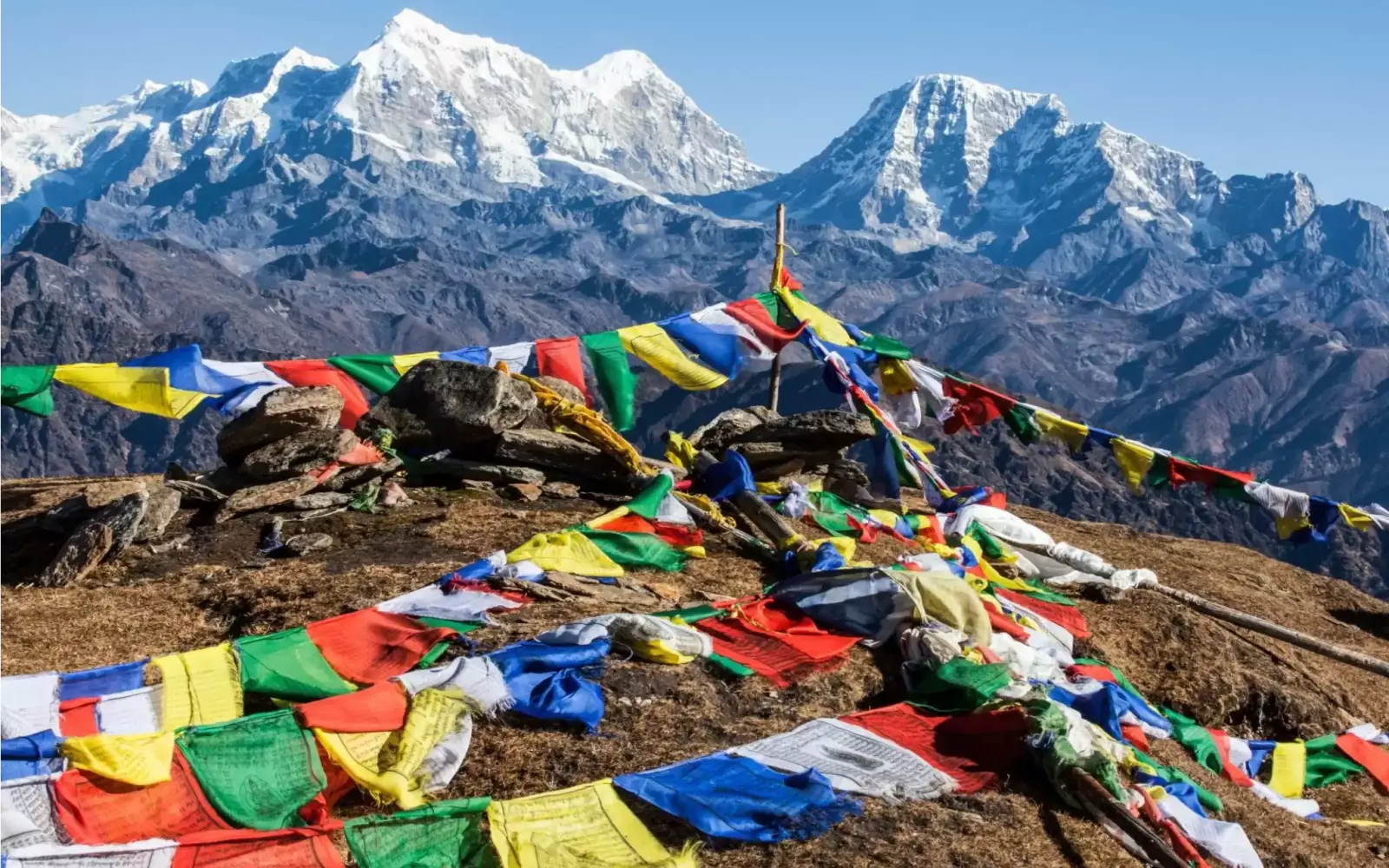
The Pikey Peak Trek is one of Nepal’s most enchanting and less-traveled trekking routes, offering breathtaking Himalayan views and an authentic cultural experience. Rising to an elevation of 4,065 meters, Pikey Peak provides panoramic vistas of iconic mountains like Mount Everest, Kanchenjunga, and Makalu. Unlike the crowded Everest Base Camp trek, Pikey Peak is serene and ideal for beginners who want to immerse themselves in Nepal’s natural beauty without the bustling tourist trail.
Organized by Himalayan Forever Treks, this trek combines adventure, culture, and scenic landscapes. The route passes through charming Sherpa villages, rhododendron forests, and rolling hills, making it a perfect introduction to Himalayan trekking for first-time trekkers. The trek’s moderate difficulty and flexible itinerary allow trekkers to enjoy the journey at a comfortable pace while acclimatizing to higher altitudes.
Key Highlights:
Pikey Peak remains a hidden gem in Nepal, often overlooked by mainstream trekking routes. Its secluded trails offer a peaceful escape, ideal for those seeking solitude in nature. The trek provides not only stunning mountain vistas but also encounters with traditional Himalayan lifestyles. From quaint tea houses to remote hamlets, Pikey Peak lets trekkers experience authentic Nepalese hospitality.
For beginners, the trek is an excellent stepping stone to more challenging routes in Nepal. The combination of manageable elevations, clear trails, and vibrant local culture makes it accessible while still rewarding. It’s the perfect choice for travelers who want a blend of adventure and cultural immersion without high-altitude extremes.
Why Pikey Peak Should Be on Every Beginner Trekker’s List:
Best Time to Visit Pikey Peak in 2026
The ideal months for the Pikey Peak Trek are March to May and September to November. During spring, rhododendrons bloom along the trails, painting the forests in vibrant colors. Autumn provides clear skies and breathtaking mountain panoramas. Monsoon season (June–August) is less recommended due to slippery trails and possible landslides.
Essential Gear for First-Time Trekkers
Packing the right gear ensures comfort and safety. Lightweight trekking boots, layered clothing, a good-quality sleeping bag, trekking poles, and a daypack are essential. Don’t forget sun protection, a first-aid kit, and reusable water bottles. For Himalayan Forever Treks clients, a detailed packing list is provided to avoid overpacking while covering all essentials.
Fitness Tips for a Comfortable Hike:
Mapping the Pikey Peak Trail: From Start to Summit
The Pikey Peak Trek begins in Kathmandu, where trekkers meet the Himalayan Forever Treks team for a briefing. From Kathmandu, the journey moves to Dhap via scenic roads, followed by village-to-village trekking through Jhapre, Pikey Base Camp, and finally reaching the Pikey Peak summit. Descending takes trekkers through Junbesi, Taksindu, and Phaplu, before returning to Kathmandu. Each day offers varied landscapes, from lush forests to alpine meadows.
Popular Villages and Rest Stops Along the Way
Understanding Elevation and Difficulty Levels
Pikey Peak is considered moderate in difficulty, suitable for beginners. The highest point is 4,065 meters, which allows for manageable acclimatization. Daily treks range from 4–7 hours, with gradual elevation gains to reduce the risk of altitude sickness. Trails are well-marked and passable, with occasional rocky sections that require attention.
Experiencing Sherpa Culture on Pikey Peak
The trek offers intimate access to Sherpa culture, from traditional homes to daily village life. Trekkers can observe farming, livestock care, and local crafts. Many villages have monasteries where travelers can learn about Tibetan Buddhist practices, participate in prayer ceremonies, or interact with monks.
Festivals, Traditions, and Local Life Along the Trek
Timing your trek with local festivals can enhance the experience. Villages celebrate various Buddhist and Hindu festivals, showcasing vibrant attire, dances, and rituals. These cultural experiences provide insight into community life and a deeper appreciation of Himalayan heritage.
Interacting Respectfully with Local Communities
When visiting villages, it’s important to respect local customs. Ask permission before taking photos, remove shoes before entering homes or monasteries, and support local businesses by buying handmade crafts or dining in local eateries. Himalayan Forever Treks emphasizes responsible tourism to ensure cultural preservation and meaningful connections between trekkers and villagers.
Cultural Highlights Summary:
Himalayan Panoramas You Can’t Miss
Pikey Peak offers some of the most breathtaking views in eastern Nepal, yet it remains off the beaten path. From the summit, trekkers are treated to sweeping panoramas of Mount Everest, Makalu, Kanchenjunga, and other snow-capped peaks stretching across the horizon. Sunrises and sunsets at the peak paint the mountains in golden and pink hues, creating unforgettable moments for nature lovers and photographers alike.
Beyond the summit, the trek itself passes through a diverse range of landscapes. Rolling hills, terraced farmlands, and deep valleys create a scenic journey that changes with every step. Lush rhododendron forests bloom in spring, while crisp alpine meadows offer solitude and vibrant wildflowers in autumn. The interplay of natural beauty and traditional villages gives trekkers an authentic Himalayan experience.
Key Natural Highlights:
Flora and Fauna of the Pikey Peak Region
The region around Pikey Peak is rich in biodiversity. Trekkers can spot Himalayan birds like the blood pheasant and satyr tragopan, as well as small mammals such as red pandas, Himalayan marmots, and monkeys in forested areas. Vegetation varies with altitude, from lush subtropical forests at lower elevations to alpine shrubs and hardy grasses near the summit. Seasonal changes bring colorful transformations, especially during spring when rhododendrons dominate the landscape.
Photography Tips for Stunning Mountain Shots
Capturing the beauty of Pikey Peak requires a few practical tips. Early mornings and late afternoons provide soft, golden light for dramatic shots. Wide-angle lenses help capture vast panoramas, while zoom lenses are ideal for wildlife photography. Remember to protect your equipment from dust and moisture, and consider using a tripod for stability on windy ridges. Himalayan Forever Treks often arranges optimal photo stops for clients, ensuring you don’t miss iconic views.
Tea Houses, Guesthouses, and Homestays: Where to Stay
The Pikey Peak trail is dotted with tea houses, guesthouses, and homestays, offering cozy overnight stays. Most accommodations provide basic amenities such as warm beds, blankets, and hot showers (where possible). Homestays are a unique way to immerse yourself in local culture, sharing meals and stories with Sherpa families. For first-time trekkers, staying in these establishments offers safety, comfort, and authentic experiences along the trail.
Local Cuisine to Try Along the Trek
Food on the Pikey Peak trek is both hearty and flavorful. Common dishes include dal bhat (rice with lentil soup), momos (dumplings), thukpa (noodle soup), and seasonal vegetables. Sherpa tea, often served with yak butter or milk, is a warming beverage for cold mornings. Meals are prepared fresh and reflect the agricultural lifestyle of the region, offering trekkers a taste of traditional Himalayan cuisine.
Budget vs Comfort: Choosing Your Style of Travel
Weather Precautions and Health Safety
The weather in the Pikey Peak region can change rapidly. Layered clothing is essential to adjust to temperature shifts, and waterproof jackets are recommended during rain or snow. Staying hydrated, eating regularly, and allowing time for acclimatization help prevent altitude sickness. Himalayan Forever Treks provides trained guides, medical kits, and emergency plans for all trekkers, ensuring safety is a top priority.
Navigational Tips for Beginners
While the trail is mostly well-marked, beginners should:
Common Mistakes to Avoid on Pikey Peak
Trekking Safety Summary:
Pikey Peak has earned its reputation as a hidden gem because it combines awe-inspiring Himalayan panoramas with authentic cultural experiences, all while remaining relatively undiscovered by mass tourism. Unlike more popular treks such as Everest Base Camp or Annapurna Circuit, Pikey Peak offers serenity and a slower pace, making it ideal for beginners or those seeking a peaceful Himalayan adventure. Its moderate difficulty, charming villages, and breathtaking summit views make it a perfect introduction to trekking in Nepal.
Himalayan Forever Treks ensures that every trekker enjoys a well-rounded experience—from carefully planned itineraries to expert local guides who share insights about the mountains, wildlife, and Sherpa culture. For 2026, this trek represents an opportunity to explore a pristine region of Nepal before it becomes crowded, creating memories that are both adventurous and intimate with nature.
Reasons Pikey Peak Stands Out:
Taking Memories Home: Responsible Trekking and Eco-Friendly Practices
Responsible trekking is central to preserving the beauty and culture of Pikey Peak. Travelers are encouraged to follow eco-friendly practices such as carrying reusable water bottles, minimizing plastic use, and disposing of waste responsibly. Supporting local businesses—buying handcrafted goods, staying in homestays, and eating locally grown food—helps sustain village economies while enhancing the authentic experience.
Himalayan Forever Treks emphasizes sustainable tourism, ensuring that trekking leaves minimal environmental impact. Guides educate trekkers on wildlife conservation, cultural respect, and trail preservation. By trekking responsibly, visitors not only create lasting memories but also contribute to the protection of Nepal’s hidden gems for future generations.
Responsible Trekking Tips:

Nepal, known as the “Land of the Himalayas,” is a paradise for trekkers and adventure enthusiasts. B...

The Annapurna Base Camp (ABC) Trek is one of the most popular trekking routes in Nepal, renowned for...

The Manaslu Circuit Trek is one of Nepal’s most breathtaking and challenging treks. Traditionally, t...



