Top 10 Trekking in Nepal
1 Jan 2023
Nepal is a trekker's paradise, with its majestic mountain ranges, diverse landscapes, and rich cultu...

The veteran guide looked at me like I'd suggested climbing Everest in flip-flops. "You want to trek in July?" he asked, eyebrows raised. "During monsoon?" I nodded, explaining that summer was my only available window. He paused, then his weathered face broke into a knowing smile. "Then I'll show you a Nepal most trekkers never see. The green Nepal. The quiet Nepal. The real Nepal."
That conversation transformed my understanding of Himalayan trekking. For years, I'd assumed peak season meant peak experience—that autumn's clear skies and spring's stable weather were non-negotiable. But monsoon trekking revealed something different: waterfalls thundering where trickles existed in autumn, rhododendron forests exploding in impossible greens, trails so empty you could walk for hours encountering only local villagers going about their daily lives.
Monsoon season in Nepal, running from June through early September, isn't trekking's forgotten season anymore. Smart travelers are discovering that certain routes not only survive the rains but thrive during them. From rain-shadow valleys that stay miraculously dry to lower-altitude treks that transform into botanical wonderlands, Nepal's monsoon opens doors that remain closed the rest of the year.
This comprehensive guide explores everything you need to know about monsoon trekking in 2026: which routes work and why, how to prepare for rainy-season challenges, what makes this period special, and how to trek safely when the skies open up.
Nepal's monsoon doesn't blanket the entire country uniformly. Understanding this geographical reality unlocks the secret to successful wet-season trekking. The Himalayan range creates dramatic climate zones within surprisingly short distances, offering trekkers genuine options even during the heaviest rainfall months.
The Indian monsoon arrives from the south, carrying moisture-laden clouds that hit Nepal's southern plains and lower hills first. These clouds rise along the southern flanks of the Himalayas, releasing torrential rain as they gain altitude. By the time these weather systems reach the highest ridges, they've dropped most of their moisture. The regions immediately north of these massive mountain barriers—what meteorologists call rain-shadow zones—receive dramatically less rainfall.
This phenomenon creates trekking paradises during months when most of Nepal drowns. The Upper Mustang trekexemplifies this perfectly. Shielded by the Annapurna and Dhaulagiri ranges, Upper Mustang receives less annual rainfall than many deserts. While Pokhara south of these mountains might experience daily downpours throughout July, Lo Manthang in Upper Mustang enjoys sunshine and dry winds.
The Manaslu Circuit trek demonstrates similar patterns. The northern portions of this route, particularly around Lho and Samagaon, sit in relative rain shadow. While the southern approach from Arughat experiences regular monsoon rainfall, the higher sections remain surprisingly dry. Trekkers often transition from humid forest environments to arid mountain landscapes within a single day of walking.
Even routes like the Annapurna Circuit trekbenefit from monsoon geography. The traditional circuit's northern sections—Manang, Thorong La, and the descent to Jomsom—experience far less rain than southern alternatives. The 10 days Annapurna Circuit trek variation often focuses on these drier sections specifically.
Lower elevation treks face different monsoon realities. These routes receive substantial rainfall, but this precipitation creates its own rewards. The Ghorepani Poon Hill trektransforms into a botanical showcase during monsoon. Rhododendron forests that appear ordinary in autumn explode with new growth. Waterfalls that barely exist in spring thunder impressively. The trails stay muddy, yes, but the visual rewards compensate for the extra care required.

Rain-shadow treks represent your best option for monsoon trekking that resembles conventional Himalayan experiences. These routes offer reliable weather, spectacular mountain views, and cultural immersion without the constant battle against precipitation.
Upper Mustang stands as the premium rain-shadow trek. This restricted area, requiring special permits, preserves Tibetan Buddhist culture largely unchanged for centuries. The landscape resembles Tibet more than Nepal—ochre cliffs, ancient caves, and whitewashed monasteries dot valleys that see perhaps fifty millimeters of rain during the entire monsoon season. The Upper Mustang overland tour provides an alternative for those preferring wheels over boots.
Trekking Upper Mustang in summer means temperatures that would feel oppressive at lower elevations become pleasantly warm at altitude. The dust that plagues this region in autumn and spring settles after occasional showers, improving air quality and photographic conditions. The walled city of Lo Manthang, the centuries-old monasteries, and the Tibetan lifestyle remain accessible when most of Nepal hides beneath clouds.
The northern Manaslu Circuit similarly exploits rain-shadow geography. The 10 days Manaslu trek condenses the experience while focusing on the driest sections. This route has gained popularity precisely because it offers monsoon-season trekking that doesn't require constant rain gear. The high valleys around Lho and Samagaon, with prayer flags snapping in dry winds and mountains rising into clear skies, feel nothing like the sodden forests encountered days earlier during the approach.
The Annapurna Circuit's northern sections create another reliable monsoon option. Starting the circuit from Manang rather than the traditional Bhulbhule beginning skips the wettest sections entirely. Trekkers fly into Manang, acclimatize in the dry valley, cross Thorong La pass, and descend through Muktinath and Jomsom—all areas receiving minimal monsoon rainfall. The Muktinath helicopter tour offers access to this sacred rain-shadow pilgrimage site for those with limited time.
The Tsum Valley and Manaslu Circuit trek combines cultural depth with monsoon viability. Tsum Valley, a sacred Himalayan pilgrimage valley, maintains traditional Tibetan Buddhist culture. The valley's orientation and altitude create microclimates that stay drier than surrounding areas. Ancient monasteries, mani walls stretching for kilometers, and villages unchanged for generations reward those willing to trek during the off-season.
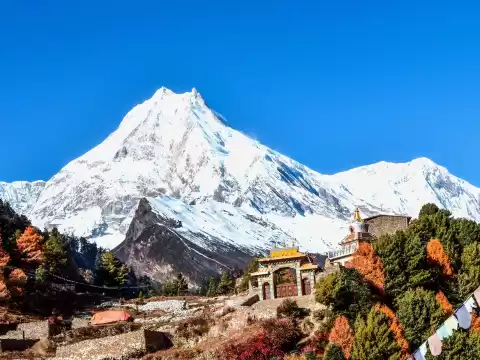
Not all monsoon treks avoid the rain. Some routes embrace it, trading dry trails for spectacular natural displays and cultural experiences impossible during other seasons. These lower-elevation treks require different expectations and preparation but offer rewards that peak-season trekking never delivers.
The Ghorepani Poon Hill trek becomes something entirely different during monsoon. This short trek, accomplishable in just four to five days, passes through forests that transform into botanical gardens. Rhododendrons, the national flower of Nepal, produce new growth in impossible shades of green. Orchids bloom along the trail. Waterfalls that barely register in spring thunder dramatically. The famous sunrise from Poon Hill requires luck with weather, but when clouds part to reveal Annapurna and Dhaulagiri ranges, the experience feels more earned than during guaranteed visibility of autumn.
Village life along the Ghorepani Poon Hill route reveals itself more authentically during monsoon. Tea houses operate at partial capacity, meaning trekkers receive personal attention from lodge families. Gurung and Magar villagers pursue seasonal farming activities—planting rice, tending crops—that peak-season visitors miss entirely. Cultural interactions deepen when you're one of five trekkers in a village rather than one of fifty.
The Langtang Valley trekoffers another lower-elevation monsoon option. Langtang National Park comes alive during the rainy season. The forests that appeared dry in spring explode with growth. Wildlife becomes more active, with better chances of spotting red pandas, Himalayan black bears, and diverse bird species. The approach through Langtang Valley itself receives substantial rain, but the destination villages of Langtang and Kyanjin Gompa sit high enough to experience more variable weather.
The Tamang Heritage Trail trek provides cultural immersion that rain can't diminish. This trek through Tamang villages north of Kathmandu focuses on homestays and cultural exchange rather than mountain views. Monsoon actually enhances this experience—you spend more time indoors with families, learning traditional cooking, witnessing daily life unmediated by tourism's usual barriers. The trail stays relatively low, meaning afternoon rains are predictable but manageable.
For those seeking the green experience without multi-day commitment, the Chisapani Nagarkot short trek and Day hike in Nagarkot near Kathmandu deliver concentrated monsoon magic. These routes traverse forests that glow with moss and ferns, with the Kathmandu Valley spread below and Himalayas occasionally visible through lifting clouds.

Certain mid-range treks occupy a sweet spot—high enough to escape the heaviest valley rainfall but low enough to avoid technical high-altitude challenges. These routes offer compromises that work well for monsoon trekking.
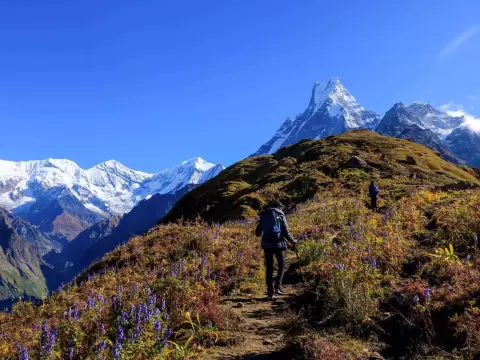
The Mardi Himal trekhas emerged as a monsoon favorite precisely because it balances altitude with accessibility. This relatively new route climbs through forests into alpine zones, topping out at Mardi Himal Base Camp at just over four thousand meters. The trek receives rain, certainly, but its east-west orientation and intermediate elevation mean weather patterns prove more variable than lower alternatives. The Mardi Himal short trek 5 days condenses the experience while maintaining the route's essential character.
Cloud behavior on Mardi Himal during monsoon follows predictable patterns. Mornings often start clear, with views of Machapuchare and Annapurna South dominating the northern skyline. Clouds build through midday, bringing afternoon rain that clears again by evening. Trekkers who adjust schedules to walk early and rest during afternoon storms maximize their experience. The Mardi Himal budget trek makes this accessible to price-conscious travelers.
The Annapurna Base Camp trekremains viable during monsoon for determined trekkers. The southern approach through Modi Khola valley receives heavy rainfall, but the destination—the Annapurna Sanctuary at over four thousand meters—experiences more variable weather. The amphitheater of peaks surrounding the sanctuary creates its own microclimate. The Annapurna Base Camp short trek and Annapurna Base Camp trek - 6 daysvariations offer quicker alternatives.
Combining routes can enhance monsoon viability. The Annapurna Base Camp with Ghorepani Poonhill trek merges two experiences while diversifying your weather exposure. If clouds smother the sanctuary, you still have Poon Hill. If rain hammers the lower sections, the base camp might emerge clear. Route diversity hedges against monsoon unpredictability.
The Langtang Valley and Gosainkunda trek adds the sacred lakes to the standard valley experience. Gosaikunda sits above four thousand meters, meaning its weather differs from the approach. The lakes themselves hold particular significance during monsoon, when Hindu pilgrims visit during Janai Purnima festival in August. The Langtang Valley Gosainkunda and Helambu trek extends the journey through culturally rich Helambu region. For luxury seekers, the Langtang Valley luxury trek provides upgraded accommodation while maintaining the monsoon-viable route.
The Everest region receives more monsoon rainfall than rain-shadow areas but less than southern slopes of Annapurna. Monsoon trekking here requires accepting weather uncertainty while betting on the region's magnetic appeal.
The Everest Base Camp trek during monsoon means daily afternoon rain, occasional morning clarity, and the likelihood of weather-related delays. Lukla flights, notoriously unreliable even in good weather, become more problematic. Yet monsoon Everest offers rewards: empty trails, deeply discounted tea houses, and the satisfaction of experiencing the world's most famous trek without the carnival atmosphere of peak season.
Starting the trek with theEverest Base Camp trek by road eliminates flight dependency. This variation drives to Salleri or Phaplu, adding days but removing the Lukla flight variable. For those concerned about monsoon flight reliability, the road approach provides security. The Everest trek return by helicopter offers another contingency—trek up, fly down if weather permits.
The Everest short trek to Namche Bazaar and nearby viewpoints works well in monsoon. This abbreviated version focuses on the Sherpa heartland without committing to the full base camp journey. Tengboche Monastery, Everest View Hotel, and Namche's Saturday market all remain accessible and rewarding even when higher elevations hide in clouds.
The Gokyo Valley trekprovides an Everest-region alternative that many prefer during monsoon. The turquoise lakes of Gokyo gain even more dramatic coloring during the rainy season. The valley's orientation means slightly better weather than the traditional base camp route. The Gokyo with Everest base camp via Cho-La Pass treks combines both destinations for ambitious monsoon trekkers.
For ultimate comfort, the Everest Base Camp comfort trek and Everest Base Camp luxury trek upgrade accommodation and dining throughout the journey. When you're already dealing with rain and mud, returning each evening to superior lodges makes the entire experience more sustainable. The Annapurna Base Camp luxury trekoffers similar comfort in that region.
Advanced trekkers seeking genuine remoteness during monsoon can explore Nepal's wildest corners. These routes demand serious preparation, flexible schedules, and acceptance of significant challenges, but they reward with experiences bordering on exploration.
The Lower Dolpo trek enters one of Nepal's most isolated regions. Dolpo sits in Trans-Himalayan rain shadow, receiving minimal monsoon precipitation. The trek to Phoksundo Lake, Nepal's deepest body of water, reveals landscapes that feel more Tibetan than Nepali. Ancient Bon culture thrives in villages accessible only by foot. The seventeen-day journey requires logistical sophistication but delivers authenticity impossible elsewhere.
The Upper Dolpo trek extends into even more remote territory. This twenty-four-day adventure crosses high passes and visits villages that might see a dozen foreign visitors annually. The sheer remoteness buffers against monsoon's worst effects—you're so far from normal weather patterns that standard monsoon predictions barely apply. Only experienced trekkers with substantial time and budget should consider this during rainy season.
TheKanchenjunga Base Camp trek in far eastern Nepal presents different monsoon challenges. This region receives more rain than western Nepal, but the trek's remoteness and spectacular scenery attract monsoon adventurers anyway. The journey to Kanchenjunga, the world's third-highest mountain, sees perhaps fifty trekkers during the entire monsoon season. You'll likely have the trail entirely to yourself.
The Pikey Peak trek in the lower Everest region offers a shorter remote option. This trek provides spectacular sunrise views of Everest and surrounding peaks from Pikey Peak at just over four thousand meters. The route passes through traditional Sherpa villages seeing minimal tourism even in peak season. During monsoon, you might be the only foreign visitor for days at a time.
Mountaineering during monsoon requires expert-level skills and knowledge, but certain peaks remain accessible for experienced climbers willing to gamble on weather windows.
The Mera Peak climb, Nepal's highest trekking peak at just over six thousand four hundred meters, sees occasional monsoon attempts. Success requires patience for weather windows and acceptance that summit day might not arrive. Expedition companies sometimes offer discounted monsoon climbs with the understanding that success rates drop significantly.
The Island Peak climbing similarly attracts monsoon mountaineers. Located in the Everest region, Island Peak offers technical climbing that prepares mountaineers for bigger objectives. Monsoon attempts make sense primarily for training or when peak season isn't an option. The Lobuche East Peak climb presents similar considerations.
The Pisang Peak climbing in the Annapurna region benefits from relative rain-shadow protection. This peak sits far enough north that monsoon impacts lessen. Combined with the standard circuit trek, it offers summit possibilities even during rainy months. Success depends entirely on weather luck and willingness to wait for clearing conditions.
Monsoon trekking demands different preparation than peak-season adventures. Understanding these requirements separates enjoyable challenges from miserable disasters.
Gear becomes paramount. Waterproof everything—not water-resistant, truly waterproof. Your rain jacket and pants will see daily use. Pack covers for your backpack, dry bags inside your pack for essentials, and waterproof stuff sacks for sleeping bags and electronics. Trekking poles become essential on muddy trails where footing turns treacherous. Leech socks or gaiters protect against the bloodsuckers that emerge during wet conditions below three thousand meters.
Footwear requires careful thought. Completely waterproof boots sound ideal but often lack breathability, leaving feet swimming in sweat. Many experienced monsoon trekkers prefer water-resistant boots with good drainage, accepting that feet will get wet but prioritizing comfort and quick drying. Bring multiple pairs of socks and rotate them constantly. Sandals or camp shoes for evenings give boots time to dry.
Timing your daily walking optimizes weather patterns. Most monsoon rain arrives in afternoon. Starting at dawn and finishing by early afternoon means walking during clearest conditions. This schedule also aligns with tea house rhythms—arrive early, secure good rooms, dry gear, and relax while afternoon storms pass. Fighting weather by pushing late in the day creates unnecessary misery.
Flexibility becomes your greatest asset. Build extra days into itineraries for weather delays. Flight cancellations, trail blockages from landslides, and days when trekking in torrential rain makes no sense all happen during monsoon. The trekkers who enjoy monsoon season plan loose schedules with buffer days and maintain cheerful acceptance when plans change.
Health considerations intensify during monsoon. Gastrointestinal issues increase when water sources run cloudy with runoff. Water purification becomes absolutely critical—use both filters and chemical treatment for backup. Leeches, while not dangerous, prove psychologically challenging for some trekkers. Learn to remove them properly and don't panic. Minor cuts and scrapes become more prone to infection in constant moisture, so maintain meticulous wound care.
Beyond weather challenges, monsoon season offers genuine advantages that peak-season trekking can't match. Understanding these benefits helps appreciate what makes wet-season trekking special.
Trail traffic drops to a fraction of autumn levels. Where the Everest Base Camp trail might see thousands of trekkers daily in October, monsoon sees perhaps a hundred. You'll often walk for hours without encountering another foreign trekker. This solitude changes the entire experience—no jockeying for photos at viewpoints, no queuing at Thorong La, no competing for tea house rooms.
Local interactions deepen when you're among few tourists. Tea house families have time for actual conversation rather than rushed transactions. You'll likely be the only guests some evenings, creating intimate cultural exchanges impossible during busy seasons. Language barriers shrink when locals aren't exhausted from processing hundreds of trekkers.
Costs plummet during monsoon. Tea houses offer significant discounts—sometimes fifty percent or more—to attract the limited monsoon business. Food prices drop proportionally. Porter and guide costs negotiate downward. The total trek cost might run half of peak-season expenses for identical routes. The Manaslu Circuit budget trek exemplifies this value proposition.
Cultural festivals happen during monsoon that peak-season trekkers miss entirely. Janai Purnima at Gosaikunda in August brings thousands of Hindu and Buddhist pilgrims to the sacred lakes. Villages celebrate rice-planting festivals. The cultural calendar doesn't stop for monsoon—in many ways, it intensifies as agricultural seasons progress.
Photographic opportunities differ entirely from peak season. While you lose guaranteed mountain clarity, you gain dramatic cloudscapes, ethereal morning mists, rainbows arcing over valleys, and the impossibly saturated greens of monsoon vegetation. Monsoon photography requires different skills but offers equally rewarding results.
When trekking becomes impossible or impractical, helicopter tours provide monsoon-season mountain access. These flights exploit morning weather windows before afternoon clouds build.
The Everest base camp helicopter tour operates year-round, though monsoon success rates depend on daily weather. Early morning departures maximize clear conditions. The Annapurna Base Camp helicopter tour similarly schedules flights for optimal visibility. The Tilicho Lake helicopter tour reaches Nepal's largest lake in the Annapurna rain shadow, making it relatively reliable even during monsoon.
The Langtang Valley & Gosainkunda helicopter tour combines two destinations in a single flight. Helicopter operators maintain flexibility with monsoon bookings, often allowing last-minute rescheduling if weather prevents flying. This adaptability makes heli-tours viable even during the wettest months.
Not every Nepal adventure requires trekking. Monsoon season opens doors to experiences that peak-season crowds overwhelm.
The Chitwan Jungle Safari tour becomes premium during monsoon. Chitwan National Park's wildlife emerges more actively during rainy season. Rivers swell, making canoe safaris more dramatic. The Chitwan Wildlife Adventure tour and Chitwan National Park packages offer structured experiences. The Bardiya National Park tour in far western Nepal provides even wilder alternatives with better tiger viewing odds.
The Rara Lake tourvisits Nepal's largest lake in the remote northwest. This fifteen-day journey combines flying and trekking to reach a destination that sees minimal visitors even in peak season. Monsoon timing means you'll likely have the lake nearly to yourself.
Cultural tours thrive during monsoon. The Pokhara and Lumbini tour combines Nepal's adventure capital with Buddha's birthplace. The Kathmandu Valley Three cities sightseeing tour explores UNESCO World Heritage sites without peak-season crowds. The Kalinchowk tour and hike offers short mountain escapes from Kathmandu.
Adventure activities continue year-round. The Trishuli River rafting 1 day becomes more exciting as monsoon swells rivers. The Bungee jumping with Bhote Koshi River raftingcombines adrenaline activities regardless of season.
Monsoon trekking isn't for everyone, and that's perfectly fine. Some travelers require guaranteed mountain views and dry trails. Others find the challenges and rewards of wet-season trekking align perfectly with their adventure philosophy.
Consider monsoon trekking if you value solitude over certainty, if cultural immersion matters more than pristine mountain views, if budget constraints make peak-season costs prohibitive, or if your schedule simply doesn't align with Nepal's dry seasons. Choose rain-shadow routes if you want monsoon benefits without constant rain. Embrace lower-elevation green treks if botanical displays and waterfall-studded valleys appeal more than distant peaks.
Avoid monsoon trekking if you need guaranteed weather, if your schedule lacks flexibility for delays, if you're attempting your first Himalayan trek and want easier conditions, or if you find the idea of walking in rain fundamentally unacceptable. There's no shame in waiting for autumn or spring when conditions align better with your preferences.
The key is honest self-assessment matched to realistic expectations. Monsoon trekking in Nepal delivers extraordinary experiences, but those experiences differ fundamentally from peak-season adventures. Embrace those differences rather than fighting them, and monsoon reveals a Nepal that most trekkers never see—greener, quieter, and in many ways more authentic than the crowds and commercialism of peak season.
The mountains remain patient. They'll be there in October, in March, or in July. The question isn't whether monsoon trekking is objectively better or worse than peak season, but whether it aligns with what you seek from Nepal's Himalayas. For those ready to trade certainty for discovery, monsoon opens doors that stay closed the rest of the year.
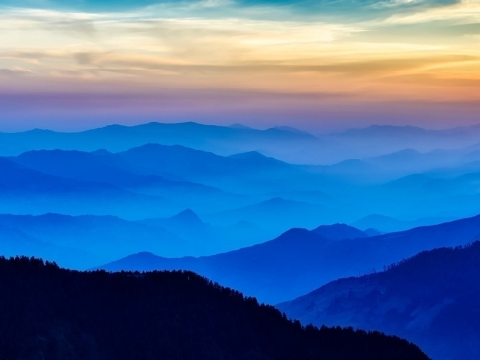
Nepal is a trekker's paradise, with its majestic mountain ranges, diverse landscapes, and rich cultu...
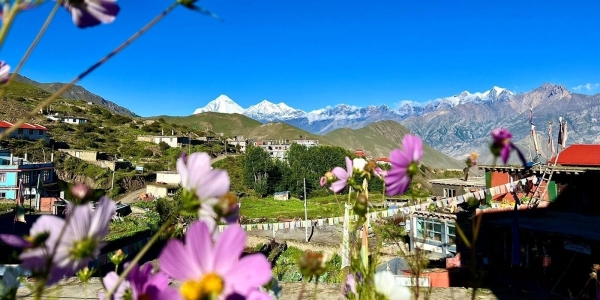
Nepal is a trekker's paradise, known for its majestic mountain ranges and diverse landscapes. Howeve...
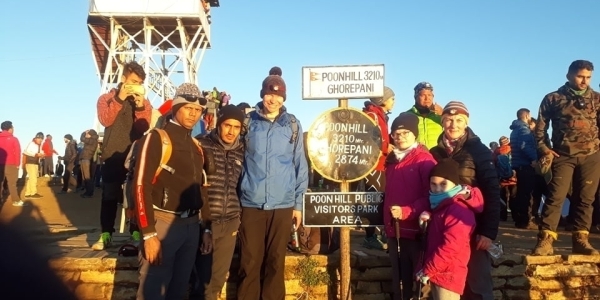
Nepal is a small landlocked country located in South Asia, between India and China. It is known for...
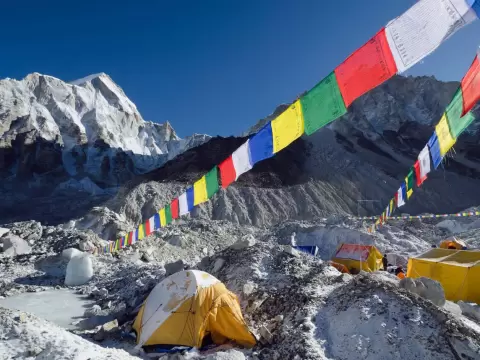
The Everest Base Camp (EBC) trek in April is one of the most sought-after treks in Nepal, as it is d...

The Everest Base Camp Trek is one of the most iconic and exhilarating treks in the world. Taking on...
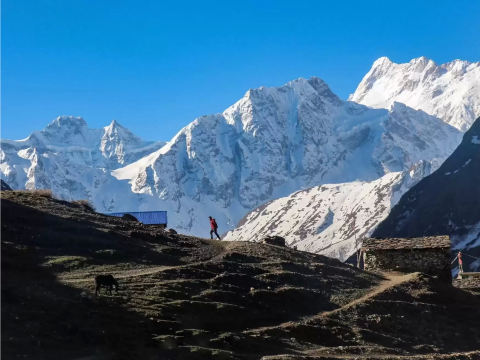
The Manaslu Circuit Trek is an off-the-beaten-path adventure that offers breathtaking views, rich cu...

Nepal, known for its rugged landscapes and breathtaking mountain scenery, has long been a top destin...
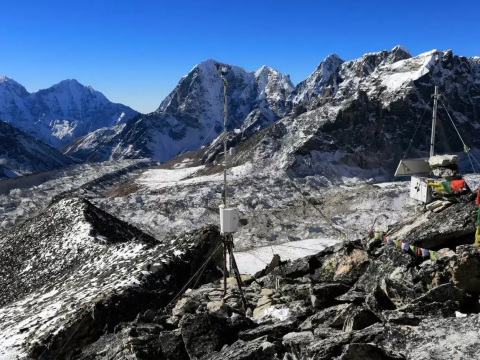
Trekking in Nepal is more than just a physical adventure—it's a spiritual journey through some of th...
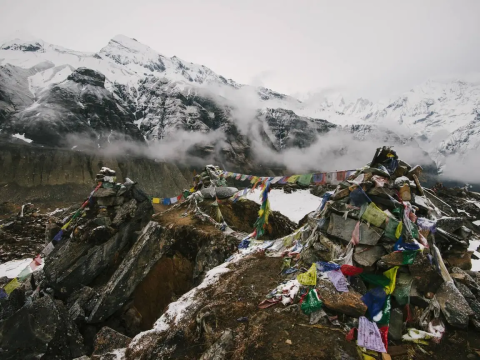
Mount Annapurna stands as one of the most iconic and awe-inspiring peaks in the world. At 8,091 mete...
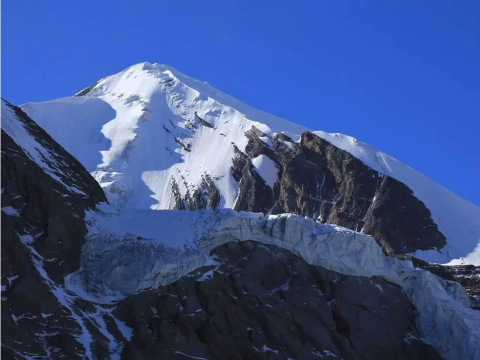
Trekking in Nepal is an experience like no other. As the gateway to the Himalayas, Nepal offers a ra...
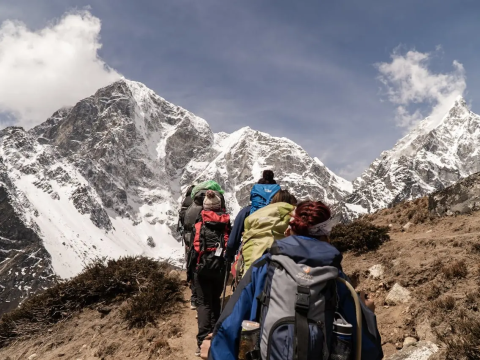
Autumn, spanning September to November, is widely regarded as Nepal’s prime trekking season. After t...
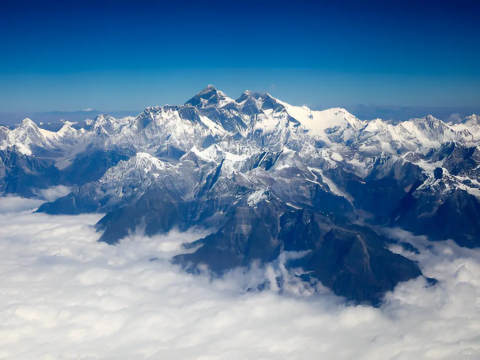
Mount Everest, known locally as Sagarmatha in Nepal and Chomolungma in Tibet, is more than just the...
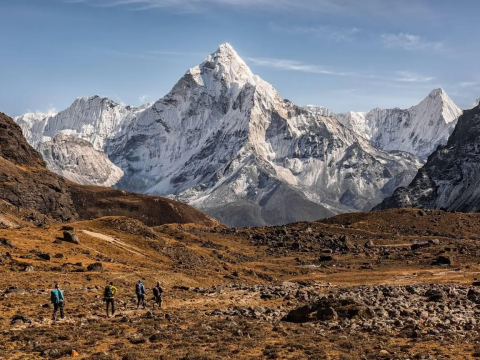
Trekking in Nepal is a transformative experience that blends physical challenge with unparalleled na...
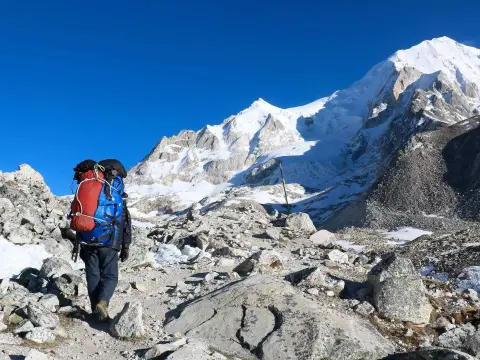
Top Seasons for Trekking and Tours in Nepal
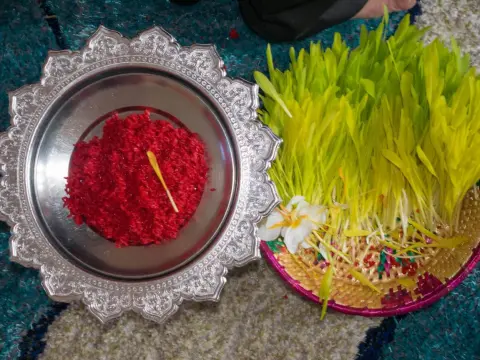
Dashain, Nepal’s most cherished and grandest festival, is more than just a time of celebration—it's...

The Langtang Valley, Gosainkunda & Helambu Trek is a mesmerizing blend of natural beauty, cultur...



