Which Lake is Better: Gokyo or Tilicho?
13 May 2025
Nepal is renowned for its majestic mountains, serene lakes, and rich cultural heritage. Among the ma...


The Gokyo Lakes and Everest Base Camp trek via Cho-La Pass is one of the most complete and challenging trekking experiences in the Everest region. Operated by reputable local companies such as Himalayan Forever Treks, this route combines two legendary destinations: the turquoise high-altitude lakes of Gokyo and the iconic base of the world’s highest peak, Mount Everest.
This itinerary is not just a trek; it is a high-altitude journey across glaciers, mountain passes, Sherpa villages, and Himalayan landscapes that change dramatically each day. The inclusion of the Cho-La Pass (5,420 m) makes it a true adventure for experienced trekkers seeking both scenic diversity and physical challenge.
Key Highlights:
The journey begins from the lower Khumbu region, gradually ascending through lush forests, suspension bridges, and traditional settlements. Early trekking days lead through iconic stops such as Lukla and Phakding, before reaching the famous trading hub of Namche Bazaar.
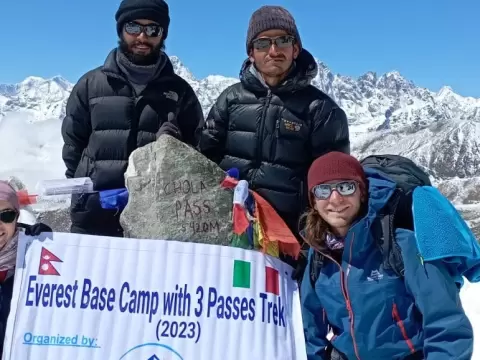
As altitude increases, the landscape transforms into alpine terrain with dramatic mountain views, glacial rivers, and barren valleys. The trek splits into two major highlights: the serene Gokyo Valley with its sacred lakes and the classic Everest Base Camp route.
This itinerary, designed by Himalayan Forever Treks, ensures proper acclimatization, safety, and a gradual ascent, which is crucial for high-altitude trekking.
Key Highlights:
The Cho-La Pass route is considered one of the most adventurous trekking circuits in Nepal. Unlike the standard Everest Base Camp trek, this route connects the Gokyo Valley with the Khumbu Valley through a challenging high pass.
The crossing of Cho-La Pass is physically demanding, often involving icy trails and steep ascents, but it rewards trekkers with unmatched panoramic views of Himalayan giants like Ama Dablam, Lhotse, and Everest.
Key Advantages:
Why trekkers choose it:
The Everest region lies in northeastern Nepal and is home to some of the world’s most dramatic landscapes. Dominated by the Sagarmatha National Park, this region includes glaciers, deep valleys, high passes, and legendary peaks.
At its heart stands Mount Everest (8,848.86 m), known locally as Sagarmatha. Surrounding it are iconic peaks such as Lhotse, Nuptse, Cho Oyu, and Ama Dablam. The region is also culturally rich, inhabited primarily by the Sherpa community known for its mountaineering heritage.
Key Features of the Region:
Why is it globally famous:
The best time to undertake the Gokyo Lakes and Everest Base Camp trek via Cho-La Pass is during the pre-monsoon (spring) and post-monsoon (autumn) seasons. These periods offer the most stable weather conditions, clear mountain views, and safer trail conditions—especially important for crossing the high-altitude Cho-La Pass.
Spring (March to May) is known for blooming rhododendron forests and warmer temperatures, while autumn (September to November) provides crystal-clear skies and excellent visibility of Himalayan peaks. The winter season is extremely cold with heavy snow at high passes, and the monsoon season brings rain, landslides, and poor visibility.
Key Points:
The Gokyo Lakes and Everest Base Camp via Cho-La Pass trek is considered a challenging high-altitude adventure. It involves long trekking days, steep ascents, glacier crossings, and the demanding Cho-La Pass at 5,420 meters. Proper physical preparation is essential for a safe and enjoyable experience.
Trekkers should have good cardiovascular fitness, stamina, and prior hiking experience at altitude. While technical climbing skills are not required, mental endurance and the ability to adapt to changing weather and terrain conditions are very important.
Key Points:
Tip from Himalayan Forever Treks:
We recommend at least 1–2 months of fitness preparation, including hiking, cardio training, and leg strengthening, before the trek.
To enter the Everest region and complete the Gokyo–EBC trek via Cho-La Pass, trekkers must obtain official trekking permits issued by the Nepal government. These permits help regulate tourism and support conservation efforts in the Himalayan region.
The main permits are required for entry into Sagarmatha National Park and the Khumbu region. These can be arranged easily in Kathmandu or through a registered trekking agency like Himalayan Forever Treks, ensuring a hassle-free process for trekkers.
Key Points:
This 18-day itinerary is carefully designed to balance adventure, acclimatization, and exploration. Starting from Lukla, the trail passes through Sherpa villages, alpine valleys, and high mountain terrain before connecting Gokyo Lakes and Everest Base Camp via Cho-La Pass.
The journey includes major highlights such as Namche Bazaar acclimatization, Gokyo Ri sunrise climb, crossing Cho-La Pass, reaching Everest Base Camp, and ascending Kala Patthar for panoramic Himalayan views. The descent follows a scenic route back through Tengboche and Namche before returning to Lukla.
Day-by-Day Highlights:
The journey to the Gokyo Lakes and Everest Base Camp via Cho-La Pass trek begins with an exciting flight from Kathmandu to Lukla, one of the most dramatic air routes in the world. Operated in coordination with experienced trekking partners like Himalayan Forever Treks, this short yet thrilling flight lands at the gateway to the Everest region, surrounded by towering Himalayan peaks.
From Lukla (2,846 m), the trek officially begins with a gentle descent toward the Dudh Koshi Valley. The trail passes through small Sherpa settlements, lush forests, and suspension bridges, eventually reaching Phakding. This initial section is important for gradually adjusting to altitude while enjoying the peaceful mountain environment.
Key Points:
Namche Bazaar is the most important trading and acclimatization hub in the Everest region. Located at 3,440 meters, this vibrant mountain town is surrounded by amphitheater-shaped hills and offers the first clear views of Himalayan giants like Everest, Lhotse, and Ama Dablam.
Trekkers typically spend a rest day here to acclimatize and explore the local culture. The town has bakeries, cafes, gear shops, and museums, making it both a cultural and logistical center for high-altitude expeditions. It is also where trekkers begin to feel the true altitude of the Himalayas.
Key Points:
Proper acclimatization is one of the most important factors for completing the Gokyo Lakes and Everest Base Camp trek via Cho-La Pass. As altitude increases, oxygen levels decrease, making it essential to follow a gradual ascent plan and listen to your body.
Trekkers are advised to follow the “climb high, sleep low” principle, stay hydrated, and avoid overexertion. Rest days, especially in places like Namche Bazaar, help the body adapt to reduced oxygen levels. Guides from Himalayan Forever Treks closely monitor trekkers for signs of altitude sickness to ensure safety.
Key Points:
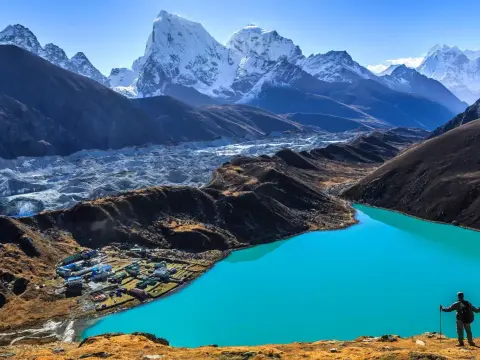
The Gokyo Lakes are one of the most breathtaking highlights of the entire Everest region trek. Located at an altitude of around 4,700–5,000 meters, these turquoise glacial lakes are considered sacred by both Hindus and Buddhists. Surrounded by snow-covered peaks and glaciers, the area offers a peaceful and less crowded alternative to the main Everest Base Camp route.
A major highlight here is the hike to Gokyo Ri, which provides one of the best panoramic views of Everest, Cho Oyu, and surrounding peaks. The reflection of mountains in the crystal-clear lakes creates a surreal Himalayan experience that is unforgettable for trekkers.
Key Points:
The hike to Gokyo Ri is one of the most rewarding highlights of the entire Gokyo Lakes and Everest Base Camp trek via Cho-La Pass. Rising to about 5,357 meters, this steep ascent above the village of Gokyo offers one of the widest panoramic viewpoints in the Everest region. From the summit, trekkers can witness an incredible sweep of Himalayan giants, glaciers, and turquoise lakes below.
This early morning climb is physically demanding due to the altitude, but the reward is unmatched. The view includes several of the world’s highest peaks, including Mount Everest, Cho Oyu, Lhotse, and Makalu. Organized by Himalayan Forever Treks, this climb is carefully scheduled for acclimatized trekkers to ensure safety and maximum enjoyment.
Key Points:
Crossing the Cho-La Pass is one of the most adventurous and physically demanding sections of the trek. At 5,420 meters, this high mountain pass connects the Gokyo Valley with the Everest Base Camp trail. The route often involves icy terrain, steep ascents, and rocky glacier crossings, making it a true test of endurance.
Despite its difficulty, the crossing is incredibly rewarding. Trekkers are surrounded by dramatic Himalayan landscapes, with glaciers, snowfields, and towering peaks in every direction. With proper guidance from Himalayan Forever Treks, the crossing is carefully planned for safety, weather conditions, and acclimatization.
Key Points:
Arriving at Everest Base Camp is a once-in-a-lifetime achievement for trekkers from around the world. Located at 5,364 meters, it sits at the foot of the world’s highest mountain and serves as the starting point for Everest climbing expeditions. Standing here gives a powerful sense of accomplishment and connection to mountaineering history.
The journey to the base camp passes through rocky glaciers and moraine landscapes, especially near Gorakshep and the Khumbu Icefall region. Although climbers cannot see the summit of Everest from base camp itself, the atmosphere, prayer flags, and expedition tents create an unforgettable Himalayan experience.
Key Points:
The sunrise climb to Kala Patthar is considered the ultimate viewpoint of the Everest region trek. Rising to 5,545 meters, it offers the closest and clearest view of Mount Everest without climbing it. The early morning hike is cold and challenging, but the reward is a golden sunrise illuminating Everest and the surrounding peaks.
From the summit, trekkers can see Everest, Nuptse, and the Khumbu Glacier glowing under the first light of day. This moment is often described as the emotional peak of the entire journey. With careful pacing and support from Himalayan Forever Treks, trekkers safely reach this viewpoint for an unforgettable experience.
Key Points:
The Gokyo Lakes and Everest Base Camp trek via Cho-La Pass is not only a natural adventure but also a deep cultural journey into the heart of the Sherpa homeland. Along the trail, trekkers pass through traditional villages such as Namche, Khumjung, and Pangboche, where the Sherpa people have lived for centuries in harmony with the harsh Himalayan environment.
The Sherpa community is known worldwide for its mountaineering expertise, hospitality, and strong Buddhist traditions. Monasteries, prayer wheels, mani walls, and colorful prayer flags are common sights along the route, reflecting the spiritual connection between people and mountains. With Himalayan Forever Treks, trekkers get meaningful cultural exposure while respecting local customs and traditions.
Key Points:
Accommodation during the trek is mainly in local tea houses, which provide basic but comfortable lodging for trekkers. These lodges are family-run and offer a warm atmosphere, often with shared dining halls where trekkers gather to eat and socialize after long trekking days.
Food options along the trail are surprisingly diverse, ranging from traditional Nepali dal bhat (rice, lentils, vegetables) to noodles, soups, pasta, and even bakery items in lower villages. As altitude increases, menu options become simpler, but meals are designed to provide energy for high-altitude trekking. Himalayan Forever Treks ensures trekkers are well accommodated throughout the journey.
Key Points:
Proper packing is essential for a safe and comfortable high-altitude trek like Gokyo Lakes and Everest Base Camp via Cho-La Pass. Weather conditions can change quickly, so layering clothing and carrying essential gear is highly recommended. Lightweight but warm and waterproof equipment is crucial.
Trekkers should focus on essentials only, as porters carry limited weight. Items such as warm jackets, trekking boots, sleeping bags, and personal medical supplies are must-haves. Himalayan Forever Treks guides to ensure every trekker is well-prepared before starting the journey.
Key Points:
Altitude sickness is one of the most important concerns during the Gokyo and Everest Base Camp trek due to elevations exceeding 5,000 meters. It can affect anyone regardless of fitness level, making prevention and awareness essential for a safe journey.
Proper acclimatization, slow ascent, hydration, and rest days are key strategies to reduce risk. Trekkers are advised to recognize early symptoms such as headaches, nausea, dizziness, or fatigue. The experienced team at Himalayan Forever Treks closely monitors trekkers and follows safety protocols throughout the journey.
Key Points:
The Gokyo Lakes and Everest Base Camp trek via Cho-La Pass is one of the most photogenic trekking routes in the world. Every section of the trail offers dramatic compositions—from turquoise glacial lakes and hanging bridges to snow-covered peaks and ancient Sherpa villages. The changing light conditions at different altitudes create endless opportunities for landscape photography.
Iconic viewpoints such as Gokyo Ri and Kala Patthar provide some of the most stunning Himalayan panoramas. Sunrise and sunset hours are especially magical, with golden light hitting peaks like Everest, Lhotse, and Ama Dablam. Trekkers supported by Himalayan Forever Treks are often guided to the best viewpoints at the right times for optimal photography.
Key Points:
The trek passes through the breathtaking ecosystem of Sagarmatha National Park, a UNESCO World Heritage Site known for its unique biodiversity. At lower elevations, trekkers walk through dense rhododendron, pine, and juniper forests, while higher regions transition into alpine meadows and glacial terrain.
Wildlife in the region includes Himalayan tahr, musk deer, snow pigeons, and even the elusive snow leopard in remote areas. The natural beauty changes dramatically with altitude, offering trekkers a rare chance to experience multiple ecological zones within a single journey.
Key Points:
The cost of the Gokyo Lakes and Everest Base Camp via Cho-La Pass trek varies depending on services, group size, and comfort level. A fully organized package with Himalayan Forever Treks typically includes permits, accommodation, meals, guide, porter services, and domestic flights.
Additional costs may include personal gear, travel insurance, tips, and extra snacks or drinks. Since the region is remote, prices increase gradually with altitude due to transportation limitations. Planning a clear budget ensures a stress-free trekking experience.
Key Points:
Choosing between a guided trek and independent trekking is an important decision for the Everest region. While experienced trekkers sometimes prefer independent travel, the challenging terrain, altitude risks, and remote conditions make guided trekking the safer and more reliable option.
A guided trek with Himalayan Forever Treks provides experienced local guides, logistical support, safety monitoring, and cultural insights. Independent trekking may offer more flexibility, but it requires strong navigation skills, preparation, and risk management.
Key Points:
First-time trekkers in the Everest region should focus on preparation, pacing, and awareness. The high altitude and long trekking days require patience and proper physical and mental readiness. Understanding the route and respecting mountain conditions greatly improves the experience.
It is also important to stay flexible, follow the guide instructions, and prioritize health over speed. Simple habits like drinking enough water, eating well, and resting properly can make a significant difference. Himalayan Forever Treks ensures first-time trekkers receive full guidance throughout the journey.
Key Points:
The Gokyo Lakes and Everest Base Camp trek via Cho-La Pass is considered one of the most challenging trekking routes in the Everest region. The main difficulty comes from high altitude, especially when crossing the Cho-La Pass at 5,420 meters. Thin air, cold temperatures, and unpredictable weather conditions make this section physically and mentally demanding.
Another challenge is the terrain itself. Trekkers often face steep ascents, rocky paths, icy sections, and glacier crossings. Long trekking days combined with altitude gain can lead to fatigue if pacing and acclimatization are not properly managed. With expert support from Himalayan Forever Treks, these challenges become manageable and safer.
Key Points:
Despite the challenges, the trek is filled with unforgettable experiences that make it one of the most rewarding adventures in the world. Watching sunrise over Everest from Kala Patthar, standing at Everest Base Camp, and seeing the turquoise waters of Gokyo Lakes are moments that stay with trekkers for life.
Cultural interactions with Sherpa communities, peaceful monastery visits, and nights in remote mountain villages add emotional depth to the journey. Every day brings a new landscape, from lush forests to icy glaciers, creating a constantly changing Himalayan experience guided by Himalayan Forever Treks.
Key Points:
Sustainable trekking is essential to protect the fragile Himalayan environment and support local communities. The Everest region is a high-altitude ecosystem where waste management, resource conservation, and respect for local culture are extremely important.
Trekkers are encouraged to minimize plastic use, carry reusable water bottles, and dispose of waste responsibly. Staying in local tea houses also supports the regional economy. Himalayan Forever Treks promotes eco-friendly trekking practices to preserve the natural beauty of the Himalayas for future generations.
Key Points:
The Gokyo Lakes and Everest Base Camp trek via Cho-La Pass is more than just a trekking route—it is a complete Himalayan adventure combining natural beauty, cultural richness, and personal achievement. From serene lakes to the base of the world’s highest peak, every step offers something extraordinary.
This trek is ideal for those seeking both challenge and reward. While it demands physical effort and mental endurance, the experience is deeply fulfilling. With professional support from Himalayan Forever Treks, trekkers can safely enjoy one of the most iconic journeys in the Himalayas.
Key Points:
Many trekkers have common questions before starting the Gokyo Lakes and Everest Base Camp via Cho-La Pass journey. These typically relate to difficulty, preparation, safety, and logistics. Understanding these answers helps trekkers prepare better and enjoy the experience more confidently.
With proper guidance from Himalayan Forever Treks, most concerns, such as altitude sickness, accommodation, and trekking permits,s are professionally managed. This ensures a smooth and well-supported Himalayan adventure.
Key Points:
Q: How difficult is the trek?
Moderate to strenuous due to altitude and Cho-La Pass crossing.
Q: Do I need prior trekking experience?
Recommended, but fit beginners can join with preparation.
Q: What is the highest point of the trek?
Kala Patthar at 5,545 meters.
Q: Is altitude sickness common?
Yes, but it can be prevented with proper acclimatization.
Q: Who organizes the trek?
Professionally managed by Himalayan Forever Treks.
Nepal is renowned for its majestic mountains, serene lakes, and rich cultural heritage. Among the ma...
The Gokyo Lakes Trek is one of the most breathtaking journeys in the Everest region, combining high-...
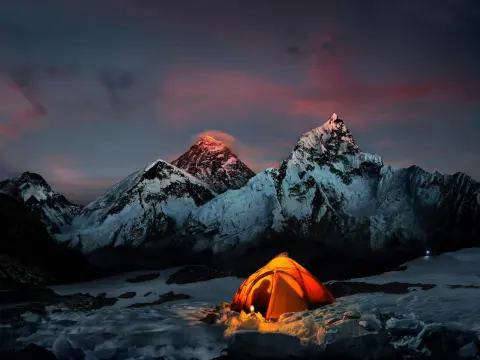
Perched high above Kala Patthar, the sunrise experience is widely regarded as the finest vantage poi...



