Top Tips for a Successful Langtang Valley Trek
9 Apr 2025
The Langtang Valley Trek is one of the most rewarding and scenic treks in Nepal, offering trekkers t...

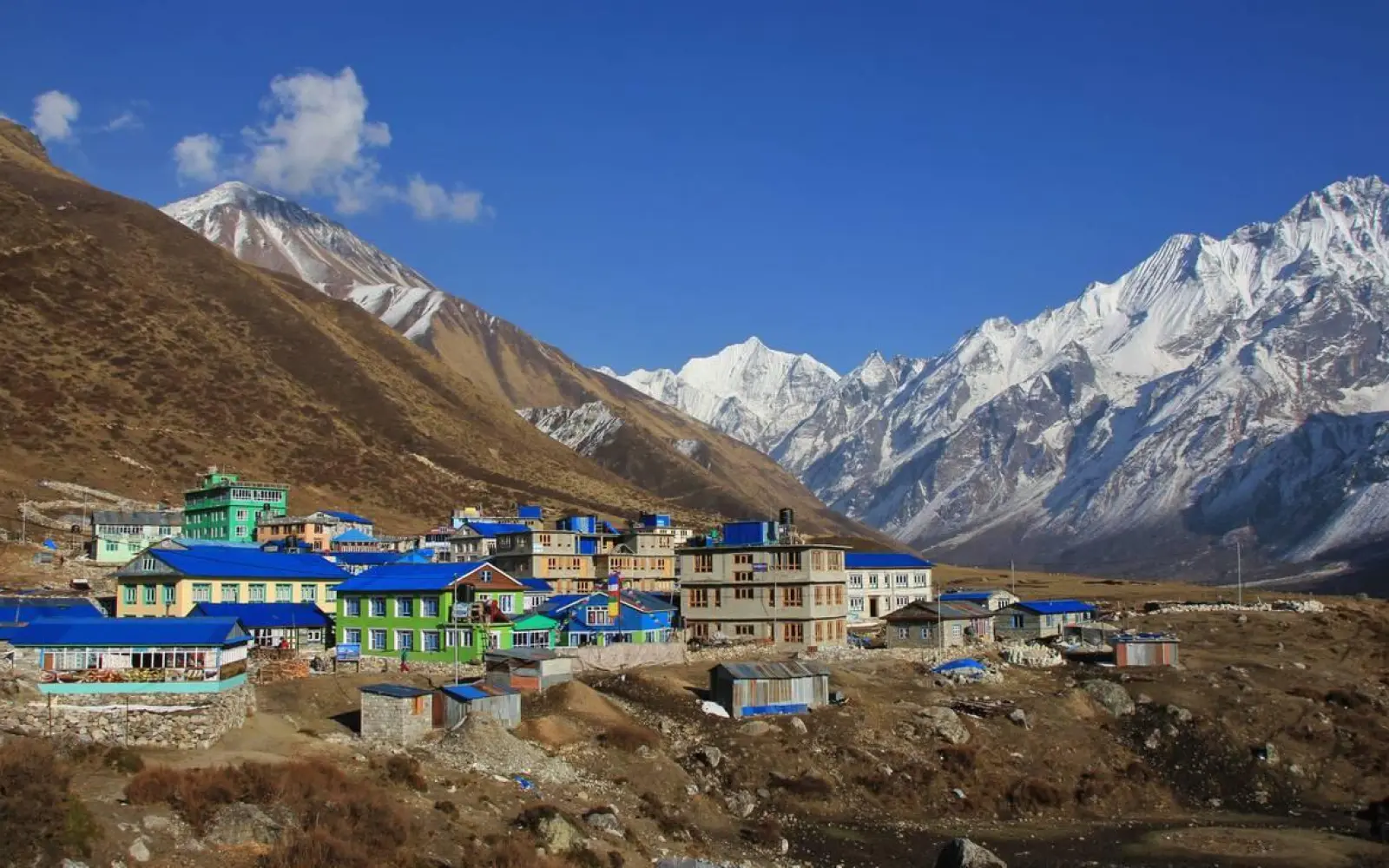
Kyanjin Gompa is widely considered the spiritual, cultural, and geographical heart of the Langtang Valley. Nestled at an altitude of around 3,870 meters, this small Himalayan settlement sits beneath towering snow peaks and glaciers, making it the final major stop for trekkers exploring the valley. Beyond its scenic beauty, it serves as a hub where local Tamang culture, Buddhist traditions, and high-mountain lifestyle come together.
The significance of Kyanjin Gompa goes beyond being just a trekking destination. It is a place where travelers pause, acclimatize, and deeply connect with the Himalayas. For many, it represents the emotional climax of the Langtang journey due to its breathtaking views of Langtang Lirung, its ancient monastery, and its peaceful mountain atmosphere.
Kyanjin Gompa is often called the hidden jewel of the Langtang region because it combines natural grandeur with deep spiritual heritage. The village is small, yet it offers an unforgettable Himalayan experience—ranging from yak pastures and traditional stone houses to centuries-old Buddhist monasteries.
With the support of trekking experts like Himalayan Forever Treks, many travelers discover this remote destination safely and meaningfully. The journey to Kyanjin Gompa is not only about reaching a place, but about experiencing the gradual transformation of landscapes, culture, and altitude.
Key highlights:
Kyanjin Gompa is located in the northern part of Nepal within the Langtang National Park, close to the Tibetan border. It lies at the end of the main Langtang trekking trail, approximately 6–7 days of walking from Syabrubesi, the starting point of the trek.
Geographically, the village sits in a wide glacial valley surrounded by dramatic peaks such as Langtang Lirung and Dorje Lakpa. This strategic location makes it a natural gateway for high-altitude exploration, including climbs to Kyanjin Ri and Tserko Ri.
Key highlights:
The name “Gompa” refers to a Buddhist monastery, and at the center of Kyanjin Gompa stands an ancient monastery that reflects centuries of Tibetan-influenced Buddhist tradition. Prayer flags flutter across the valley, and mani walls carved with sacred mantras line the trails, creating a deeply spiritual atmosphere.
This spiritual energy is one of the reasons trekkers feel an emotional connection to the place. It is not just a stop for rest—it is a place for reflection, meditation, and understanding the Himalayan way of life, where nature and spirituality are closely intertwined.
Key highlights:
The entire trekking experience in the Langtang Valley naturally leads toward Kyanjin Gompa, making it the cultural and experiential center of the region. Most trekkers spend multiple days here to acclimatize, explore nearby peaks, and absorb the valley’s beauty.
From Kyanjin Gompa, travelers can explore glaciers, hike to panoramic viewpoints, and interact with local communities. It acts as the final destination where all elements of the trek—nature, culture, and adventure—come together.
Key highlights:
The cultural life of Kyanjin Gompa is deeply rooted in Tibetan Buddhist traditions, shaped by centuries of interaction between Himalayan communities and Tibetan heritage. The village is mainly inhabited by the Tamang people, whose lifestyle, rituals, and festivals reflect a strong spiritual connection with nature and Buddhism. Prayer flags, mani stones, and chortens are common sights, symbolizing blessings and protection across the valley.
Daily life in Kyanjin Gompa is simple yet spiritually rich. Monks chanting prayers, villagers spinning prayer wheels, and the smell of butter lamps in homes and monasteries create a peaceful cultural atmosphere. With guidance from Himalayan Forever Treks, travelers often gain a deeper understanding of these traditions through cultural interaction and storytelling from local communities.
Key highlights:
At the center of Kyanjin Gompa lies its historic monastery, which gives the village its name and spiritual identity. This sacred space is a place of meditation, chanting, and daily rituals performed by resident monks. The monastery is surrounded by towering Himalayan peaks, making it one of the most peaceful and scenic spiritual sites in Nepal.
Visitors often describe the experience as deeply calming. Sitting inside the monastery or simply observing the prayer ceremonies allows trekkers to disconnect from modern life and reconnect with inner peace. Himalayan Forever Treks ensures respectful cultural visits, helping trekkers understand the meaning behind rituals and the monastery’s importance to local life.
Key highlights:
Kyanjin Gompa is surrounded by some of the most dramatic natural landscapes in the entire Langtang National Park. Snow-covered peaks like Langtang Lirung rise sharply above the valley, while massive glaciers flow down toward yak pastures and alpine meadows. The scenery constantly shifts with light, weather, and season, making it a paradise for photographers and nature lovers.
The village itself sits in a wide open valley that offers 360-degree mountain views. Nearby hikes to Kyanjin Ri and Tserko Ri reveal breathtaking panoramas of the Langtang range. According to Himalayan Forever Treks, this natural setting is one of the main reasons trekkers describe Kyanjin Gompa as the emotional peak of the entire journey.
Key highlights:
The trek to Kyanjin Gompa is one of the most rewarding Himalayan journeys in Nepal. Starting from Syabrubesi, trekkers pass through dense forests, suspension bridges, rivers, and traditional Tamang villages before gradually ascending into alpine terrain. Each day reveals a new landscape, building anticipation for the final destination.
As trekkers move higher, the air becomes thinner and the scenery more dramatic. The journey is both physical and emotional, often described as a transformation from lowland life to high-mountain wilderness. Himalayan Forever Treks carefully designs this route to ensure proper acclimatization, safety, and cultural immersion, making the experience both comfortable and meaningful.
Key highlights:
The peaks of Kyanjin Ri and Tserko Ri are two of the most rewarding viewpoints above Kyanjin Gompa. These hikes take trekkers high above the village, offering sweeping 360-degree views of the entire Langtang range, including glaciers, deep valleys, and snow-covered Himalayan giants like Langtang Lirung. The climb is challenging but short compared to major expeditions, making it accessible for most trekkers with proper acclimatization.
From the summit, the valley unfolds like a vast Himalayan amphitheater. The morning light over the glaciers and the golden glow of sunset make these viewpoints unforgettable. According to Himalayan Forever Treks, these hikes are often considered the emotional highlight of the entire Langtang journey because they provide the clearest understanding of the region’s scale and beauty.
Key highlights:
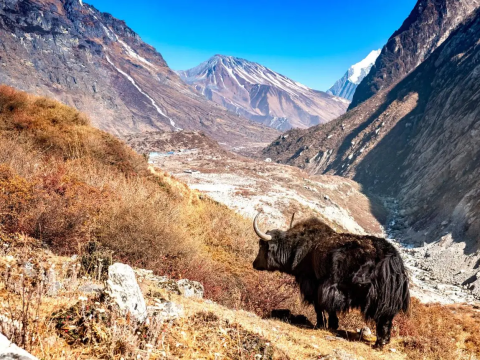
Life in Kyanjin Gompa is simple, traditional, and deeply connected to nature. One of the most famous local products is yak cheese, made in a small cheese factory established with Swiss support decades ago. Yaks are central to daily life, providing milk, transportation, and income for local families. The rhythm of life follows the seasons, with villagers moving between grazing fields and settlement areas.
The lifestyle here reflects resilience and harmony with harsh mountain conditions. There are no luxuries or fast-paced routines—only nature, community, and survival shaped by altitude. With guidance from Himalayan Forever Treks, visitors often learn how locals sustain their livelihoods in such extreme environments while maintaining cultural identity.
Key highlights:
The 2015 earthquake had a devastating impact on Kyanjin Gompa and the wider Langtang Valley. Entire settlements were destroyed, and the landscape was reshaped by landslides and avalanches. However, what followed was an inspiring story of resilience, as the local community slowly rebuilt homes, lodges, and infrastructure with determination and support from national and international organizations.
Today, Kyanjin Gompa stands as a symbol of strength and recovery. The rebuilt village not only welcomes trekkers again but also honors the memory of those lost. Himalayan Forever Treks actively supports responsible tourism in the region, helping local communities regain economic stability through sustainable trekking activities.
Key highlights:
Trekkers call Kyanjin Gompa the “heart” of the Langtang Valley because it represents the perfect blend of nature, culture, and emotional connection. It is the final destination of the trek, where all the elements of the journey—forests, villages, rivers, and mountains—come together in one breathtaking location. From here, every direction opens into extraordinary Himalayan scenery.
Beyond its geography, Kyanjin Gompa holds emotional significance for trekkers. It is where people pause, reflect, and truly feel the Himalayas. The combination of spiritual calm, dramatic landscapes, and cultural richness makes it unforgettable. Himalayan Forever Treks often describes it as the point where trekkers stop being travelers and start becoming part of the mountain experience.
Key highlights:
The best time to visit Kyanjin Gompa largely depends on weather conditions, visibility, and trekking comfort. The most favorable seasons are spring (March to May) and autumn (September to November), when the skies are clear, temperatures are moderate, and the Himalayan views are at their best. During these months, trekkers can enjoy blooming rhododendrons, stable trails, and stunning visibility of the Langtang range.
Winter (December to February) brings heavy snowfall and extreme cold, making the region quieter but more challenging. Monsoon season (June to August) brings lush greenery but also slippery trails and limited mountain views. According to Himalayan Forever Treks, spring and autumn remain ideal for first-time trekkers seeking both safety and the most rewarding Himalayan experience.
Key highlights:
Visiting Kyanjin Gompa for the first time is an unforgettable experience, but proper preparation is essential. The trek involves high altitude, so gradual acclimatization is important to avoid altitude sickness. Packing warm layers, sturdy trekking boots, and hydration essentials is crucial, as weather conditions can change rapidly in the Himalayas.
First-time trekkers should also respect local culture and travel responsibly. Hiring experienced guides, such as those from Himalayan Forever Treks, ensures safety, cultural understanding, and better navigation through remote terrain. Learning basic altitude awareness and trekking etiquette helps create a safer and more meaningful journey.
Key highlights:
Kyanjin Gompa is more than just a destination—it is the emotional and spiritual heart of the Langtang Valley. Surrounded by towering peaks, ancient monasteries, glaciers, and rich cultural traditions, it brings together everything that defines the Himalayan experience in one place. It is where nature, spirituality, and human resilience meet in perfect harmony.
For many trekkers, reaching Kyanjin Gompa feels like reaching the soul of the Himalayas itself. Whether it is the sunrise over snow-covered peaks or the peaceful sound of prayer flags in the wind, the experience leaves a lasting impression. Himalayan Forever Treks believes that this village represents not just the end of a trek, but the beginning of a lifelong connection with the mountains.
Key highlights:
The Langtang Valley Trek is one of the most rewarding and scenic treks in Nepal, offering trekkers t...
The Langtang Valley Trek is one of Nepal’s most scenic and accessible trekking routes, located just...

The Langtang Valley, Gosainkunda & Helambu Trek is a mesmerizing blend of natural beauty, cultur...



