Island Peak Climbing Adventure in the Heart of the Himalayas
20 Nov 2023
Nepal, a land synonymous with towering peaks and rich cultural tapestries, offers a unique adventure...

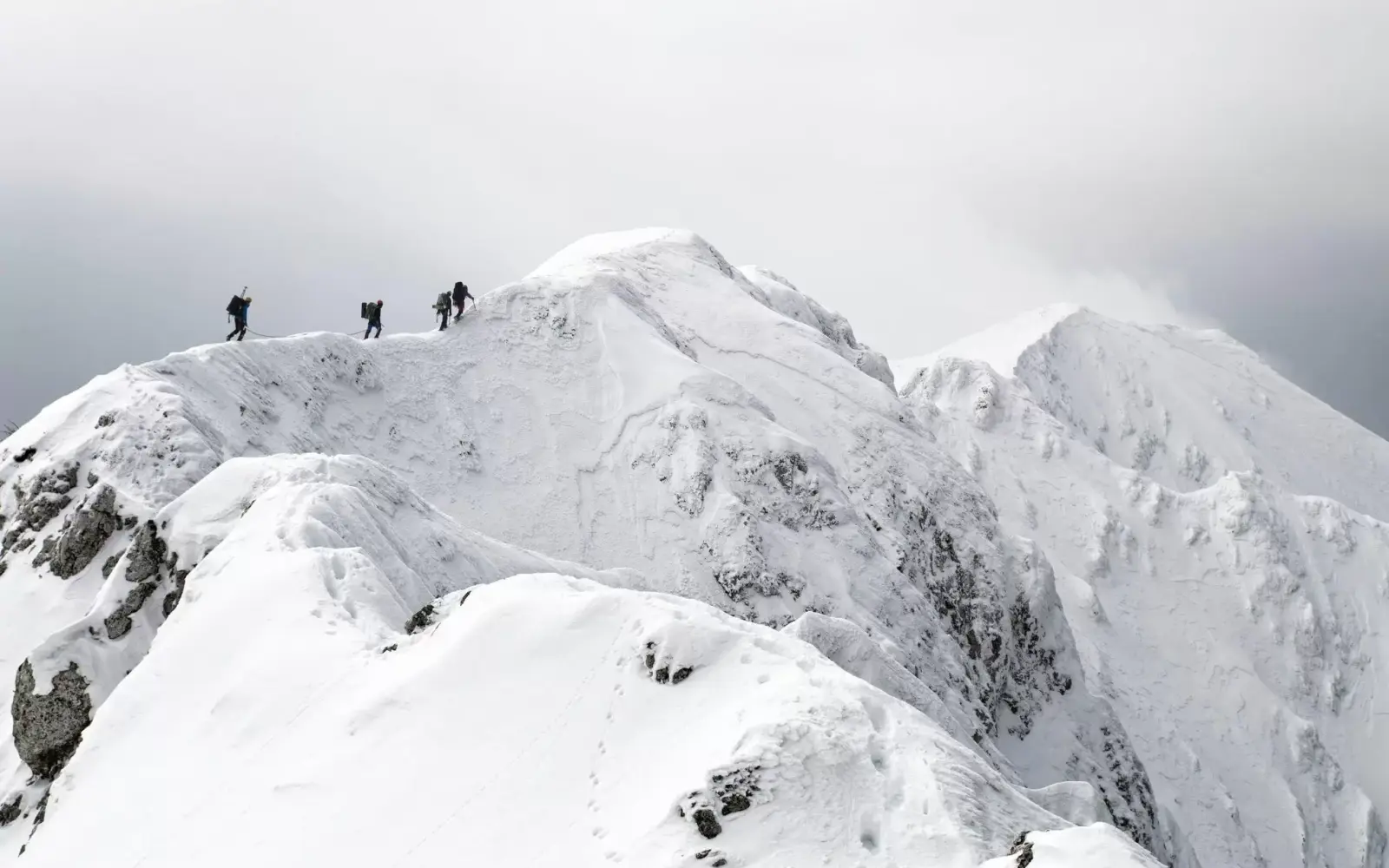
Pisang Peak Climbing is an exciting Himalayan adventure that combines the classic Annapurna Circuit with the challenge of ascending Pisang Peak, reaching approximately 6,091 meters. Organized by Himalayan Forever Treks, the journey allows climbers to experience diverse landscapes, traditional mountain villages, high-altitude terrain, and the dramatic scenery of the Annapurna region. The itinerary includes gradual acclimatization, rest days, and preparation before the summit attempt, helping climbers adapt to increasing elevations.
A successful Pisang Peak ascent requires more than physical strength. Proper acclimatization, appropriate equipment, experienced guides, weather awareness, and disciplined pacing are essential for safety. Climbers should listen to their guides, stay hydrated, maintain a steady pace, and communicate immediately if they experience symptoms of altitude sickness.
Key tips for a safe and successful climb:
Pisang Peak is one of the popular trekking peaks in Nepal's Annapurna region, offering an excellent introduction to Himalayan peak climbing for experienced trekkers who want to progress toward technical mountaineering. The route begins with a scenic drive from Kathmandu toward Besisahar and continues through Dharapani, Chame, and Upper Pisang before entering the peak-climbing section. The journey also provides an opportunity to experience the natural and cultural diversity of the Annapurna region.
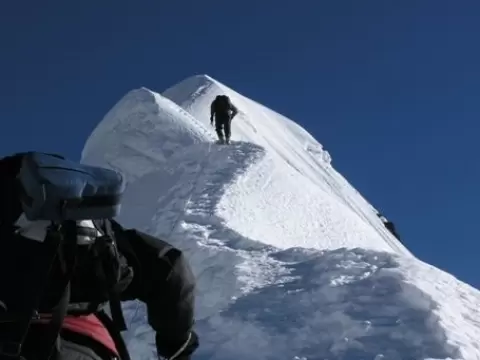
The climbing itinerary is designed to provide progressive acclimatization before reaching the higher camps. From Upper Pisang, climbers proceed toward Pisang Peak Base Camp and then High Camp before making the summit attempt. After descending, the itinerary continues toward Manang and eventually crosses the famous Thorong La Pass at 5,416 meters before reaching Muktinath and Jomsom.
Highlights of the journey:
Pisang Peak is an attractive choice for climbers looking for a Himalayan peak that combines trekking with a genuine mountaineering experience. Its location within the Annapurna region means the expedition is not limited to a single climbing objective; the journey also passes through spectacular valleys, forests, alpine landscapes, and culturally rich settlements. The route provides a memorable combination of trekking, acclimatization, and peak climbing.
Another major advantage is the opportunity to experience high-altitude climbing while traveling through one of Nepal's most celebrated trekking regions. With Himalayan Forever Treks, climbers can follow a structured itinerary that includes acclimatization and preparation days before the summit attempt. This approach helps participants understand the mountain environment and prepare physically and mentally for the challenges of higher elevation.
Reasons to choose Pisang Peak:
The best seasons for Pisang Peak Climbing are generally spring and autumn. Spring, particularly from March to May, usually provides favorable trekking and climbing conditions, with comparatively stable weather and good visibility. Autumn, especially from September to November, is another excellent period because the monsoon season has generally cleared, creating clearer mountain views and suitable conditions for trekking and climbing.
Although these seasons are generally preferred, mountain weather can change rapidly, particularly at higher elevations. Climbers should therefore avoid relying only on seasonal averages and should follow current weather forecasts and the advice of their expedition guides. Winter can bring extreme cold and snow, while the monsoon season may result in wet trails, cloud cover, and less favorable conditions in parts of the region.
Recommended seasons:
Pisang Peak reaches approximately 6,091 meters (19,984 feet) and should be approached as a serious high-altitude climbing objective rather than an ordinary trekking destination. The itinerary involves long trekking days, significant elevation gain, cold conditions, and a summit day that can require considerable physical and mental endurance. Previous high-altitude trekking or climbing experience is highly beneficial.
The planned acclimatization periods at Upper Pisang, Manang, and the higher camps are important parts of the expedition. Climbers should not rush the ascent and should allow their bodies sufficient time to adjust to decreasing oxygen levels. Physical preparation before the trip should include cardiovascular endurance, strength training, hiking with a loaded backpack, and practice with appropriate climbing equipment.
Important difficulty and elevation points:
Before starting the Pisang Peak expedition, climbers need to ensure that the necessary trekking and peak-climbing permissions are arranged. The exact permits and fees can depend on current Nepalese regulations, the season, and the route. Himalayan Forever Treks can assist with the required administrative arrangements so that climbers can concentrate on preparation and the journey itself.
Preparation should begin well before arriving in Nepal. Climbers should develop cardiovascular fitness, leg strength, balance, and endurance through hiking, running, stair climbing, and strength exercises. Equipment should also be checked carefully before departure, particularly mountaineering boots, warm layers, gloves, head protection, sleeping gear, and technical climbing equipment. A professional guide should determine the technical equipment required according to the current route and climbing conditions.
Essential preparation points:
Himalayan Forever Treks focuses on providing a carefully organized trekking and peak-climbing experience, with emphasis on acclimatization, experienced guidance, logistics, and responsible decision-making in the mountain environment. Climbers should remember that summit success is secondary to safety, and the final decision to proceed or turn back should always be based on weather, route conditions, health, and professional mountain guidance.
Pisang Peak Climbing is a demanding high-altitude adventure that requires good physical fitness, endurance, and mental preparation. The journey involves several hours of trekking each day, significant elevation gain, steep mountain terrain, and a challenging summit attempt. Climbers should begin preparing several months before the trip, focusing on cardiovascular endurance, leg strength, core stability, and overall stamina.
Regular hiking, stair climbing, running, cycling, and strength exercises can help prepare the body for long days in the mountains. Training with a backpack similar to the expected trekking load is also useful. Himalayan Forever Treks recommends building fitness gradually rather than attempting intense training immediately before departure, while allowing sufficient rest and recovery between workouts.
Training priorities:
Having the right equipment is essential for comfort and safety on Pisang Peak. Conditions can change quickly as the route moves from lower valleys into colder alpine environments, so climbers need layered clothing and appropriate protection against wind, cold, snow, and strong sunlight. Equipment should be tested and organized before leaving Kathmandu.
The climbing section also requires appropriate mountaineering equipment depending on current route conditions and the guidance of the climbing team. Himalayan Forever Treks can advise climbers about the equipment required for the planned ascent. Technical gear should be familiar to the climber before reaching the higher camps, rather than being used for the first time during the summit attempt.
Essential gear includes:
Acclimatization is one of the most important elements of a safe Pisang Peak expedition. The itinerary gradually moves from the lower elevations around Besisahar and Dharapani toward Chame, Upper Pisang, Manang, and the higher climbing camps. Rest and acclimatization days give the body valuable time to adapt to reduced oxygen levels before moving toward the summit.
The planned rest days at Upper Pisang, Manang, and Pisang Peak High Camp should be treated as essential parts of the expedition rather than unnecessary breaks. During acclimatization periods, climbers should remain active with short walks when appropriate, drink enough fluids, eat properly, and avoid rushing to higher elevations. Himalayan Forever Treks guides can monitor the group's condition and adjust the pace when necessary.
Good acclimatization practices:
The Pisang Peak adventure begins with the journey from Kathmandu toward Besisahar and Dharapani before continuing through Chame and Upper Pisang. The route provides a gradual transition from subtropical valleys to alpine landscapes, with changing vegetation, dramatic mountain scenery, and traditional Himalayan settlements. From Upper Pisang, the itinerary moves toward Pisang Peak Base Camp at approximately 4,380 meters.
After preparation and acclimatization at Base Camp, climbers progress to High Camp at approximately 5,400 meters. The summit attempt begins from the high camp, followed by descent toward Base Camp after completing the climb. The wider itinerary then continues toward Manang, Yak Kharka, and Thorong La before reaching Muktinath and Jomsom. Himalayan Forever Treks coordinates the trekking and climbing logistics throughout this progression.
Major route stages include:
Altitude sickness is a serious concern during any expedition above approximately 2,500 meters, and the risk increases as climbers ascend toward Pisang Peak. Common symptoms can include headache, dizziness, unusual tiredness, nausea, loss of appetite, and disturbed sleep. More severe altitude-related illness can become life-threatening, so symptoms should never be ignored or hidden from the climbing team.
The best prevention strategy is gradual acclimatization combined with sensible pacing and adequate hydration. If symptoms become worse, continuing higher can be dangerous. Climbers should immediately inform their guide and follow professional advice. Himalayan Forever Treks guides can help monitor the group, but each climber must take responsibility for communicating how they feel throughout the expedition.
Altitude-safety practices:
Pisang Peak involves more than ordinary trekking, particularly during the higher sections and summit attempt. Depending on the current route and conditions, climbers may need to use equipment such as crampons, harnesses, ropes, helmets, and an ice axe. Familiarity with basic mountaineering techniques can make the ascent safer and more efficient.
Climbers should ideally have previous experience with high-altitude trekking and basic climbing techniques. Before the summit attempt, the climbing team should provide appropriate instruction and equipment practice where required. Himalayan Forever Treks can help participants understand the techniques and procedures needed for the expedition, but climbers should arrive physically prepared and willing to follow the instructions of experienced guides.
Useful technical skills include:
Proper nutrition and hydration are important throughout the Pisang Peak climbing journey because trekking and climbing at high altitude require considerable energy. As the route progresses from the lower valleys toward Base Camp and High Camp, appetite can decrease while energy requirements increase. Climbers should eat regular meals containing carbohydrates, protein, healthy fats, and other essential nutrients to maintain strength and support recovery.
Drinking enough fluids is equally important, particularly during long trekking and climbing days. Himalayan Forever Treks helps coordinate meals and accommodation along the route, while climbers should carry a personal water bottle or hydration system and maintain regular fluid intake. Warm drinks and easily digestible snacks can also be useful during colder and more demanding sections of the climb.
Nutrition and hydration tips:
Experienced guides and climbing support can make a significant difference during a Pisang Peak expedition. The route involves high-altitude trekking, changing weather, technical sections, and a summit attempt where route conditions may vary. A knowledgeable climbing team can help with route navigation, acclimatization, equipment use, weather assessment, and appropriate decision-making in challenging conditions.
Himalayan Forever Treks provides organized trekking and peak-climbing support, helping climbers manage logistics throughout the journey. Experienced mountain staff can also assist with pacing, camp arrangements, equipment preparation, and communication during the ascent. Climbers should cooperate closely with their guides and communicate openly about fatigue, altitude symptoms, or other concerns.
Benefits of experienced climbing support:
Weather is one of the most important factors affecting a Pisang Peak summit attempt. Conditions at high altitude can change rapidly, with strong winds, freezing temperatures, snowfall, cloud cover, and reduced visibility potentially developing within a short period. Even during normally favorable climbing seasons, mountain weather cannot be guaranteed.
Summit day can be particularly demanding because climbers start early, spend several hours at high altitude, and may encounter cold, wind, snow, and steep terrain. Himalayan Forever Treks guides assess conditions before and during the ascent and can recommend delaying or stopping the climb when circumstances become unsafe. Reaching the summit is never more important than returning safely.
Summit-weather considerations:
A successful summit is based on careful preparation, responsible pacing, good communication, and sound decision-making. Climbers should conserve energy during the ascent, remain aware of their surroundings, and follow the instructions of the climbing team. At high altitude, even experienced trekkers can become fatigued quickly, so maintaining a steady pace is more useful than attempting to climb too fast.
Safety should remain the priority from Base Camp through High Camp and during the summit attempt. Climbers should communicate immediately if they experience unusual fatigue, dizziness, headache, nausea, breathing difficulties, or other concerning symptoms. Himalayan Forever Treks can provide guidance and support, but climbers must honestly report their condition so that appropriate decisions can be made.
Essential summit-safety practices:
One of the most common mistakes is underestimating the physical and environmental challenges of high-altitude climbing. Some trekkers become focused on reaching the summit and attempt to move too quickly, skip acclimatization, or ignore early symptoms of altitude sickness. These decisions can increase fatigue and create unnecessary risks during the expedition.
Another mistake is arriving without adequate equipment preparation or technical familiarity. Climbers should know how to use their essential equipment before reaching the higher camps and should avoid carrying unnecessary weight. Working closely with Himalayan Forever Treks guides and following the planned itinerary can help reduce avoidable problems throughout the journey.
Mistakes to avoid:
Summit day on Pisang Peak is likely to be one of the most demanding and rewarding parts of the entire expedition. Climbers generally begin very early from High Camp to take advantage of favorable morning conditions and allow enough time for the ascent and descent. The day can involve several hours of climbing at high altitude, cold temperatures, strong winds, steep terrain, and changing snow or ice conditions. A slow, steady pace is essential because conserving energy is important for both the ascent and safe return.
The summit attempt requires concentration, patience, and close cooperation with the climbing team. Himalayan Forever Treks guides will help assess route conditions, weather, equipment, and the overall condition of the climbers before proceeding. After reaching the summit, climbers should not remain exposed for longer than necessary and should begin the descent according to the guide's instructions. The descent is also an important part of summit safety because fatigue can increase the risk of slips and mistakes.
Summit-day expectations:
Responsible climbing helps protect the fragile Himalayan environment and supports the communities along the trekking route. Climbers should avoid leaving waste on trails, campsites, or mountain slopes and should carry personal rubbish to designated disposal points whenever possible. Respecting local customs, cultural sites, wildlife, and traditional ways of life is equally important when traveling through mountain villages.
Himalayan Forever Treks encourages travelers to approach the Annapurna region responsibly by minimizing environmental impact and respecting local communities. Simple actions such as reducing single-use plastics, using established trails, conserving water, and avoiding unnecessary disturbance to natural surroundings can contribute to more sustainable mountain tourism.
Responsible climbing practices:
A safe Pisang Peak expedition begins with realistic preparation and continues with responsible decisions throughout the journey. Physical fitness, appropriate equipment, gradual acclimatization, good nutrition, hydration, and experienced climbing support all contribute to a stronger and more enjoyable experience. Climbers should remain flexible because weather, snow conditions, health, or other mountain circumstances may require changes to the planned schedule.
The most important principle is to treat safety as more important than reaching the summit. Himalayan Forever Treks can provide experienced guidance and logistical support, but every climber should actively participate in making safe decisions. Being prepared to rest, delay the summit attempt, or descend when conditions are unfavorable demonstrates good mountaineering judgment rather than failure.
Final safety tips:
Pisang Peak Climbing offers an exciting combination of Himalayan trekking, cultural discovery, high-altitude adventure, and peak climbing. The journey from the lower valleys through Upper Pisang and onward to Base Camp and High Camp provides a gradual introduction to the demanding mountain environment. With appropriate training, acclimatization, equipment, and preparation, climbers can approach the summit with greater confidence and awareness.
Choosing experienced support from Himalayan Forever Treks can help make the journey more organized and manageable, from trekking logistics and acclimatization to climbing preparation and summit-day decision-making. Ultimately, a successful expedition is not measured only by standing on the summit but also by completing the journey safely, responsibly, and with respect for the Himalayan environment and local communities.
Key preparation reminders:
Nepal, a land synonymous with towering peaks and rich cultural tapestries, offers a unique adventure...
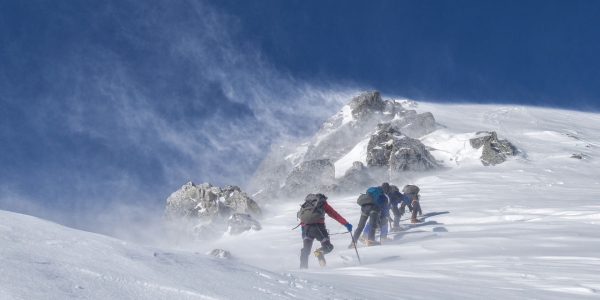
Nepal, a land of soaring peaks and rich cultural heritage, offers some of the most spectacular and c...
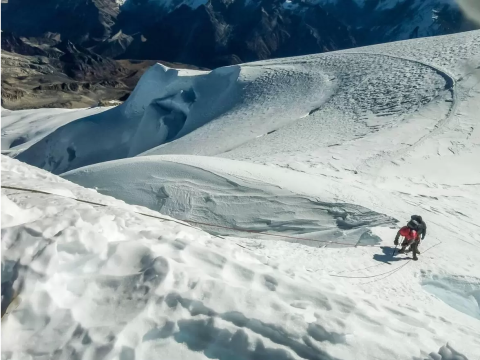
Peak climbing and expeditions in Nepal provide an unparalleled adventure experience, where trekkers...



