Island Peak Climbing Adventure in the Heart of the Himalayas
20 Nov 2023
Nepal, a land synonymous with towering peaks and rich cultural tapestries, offers a unique adventure...

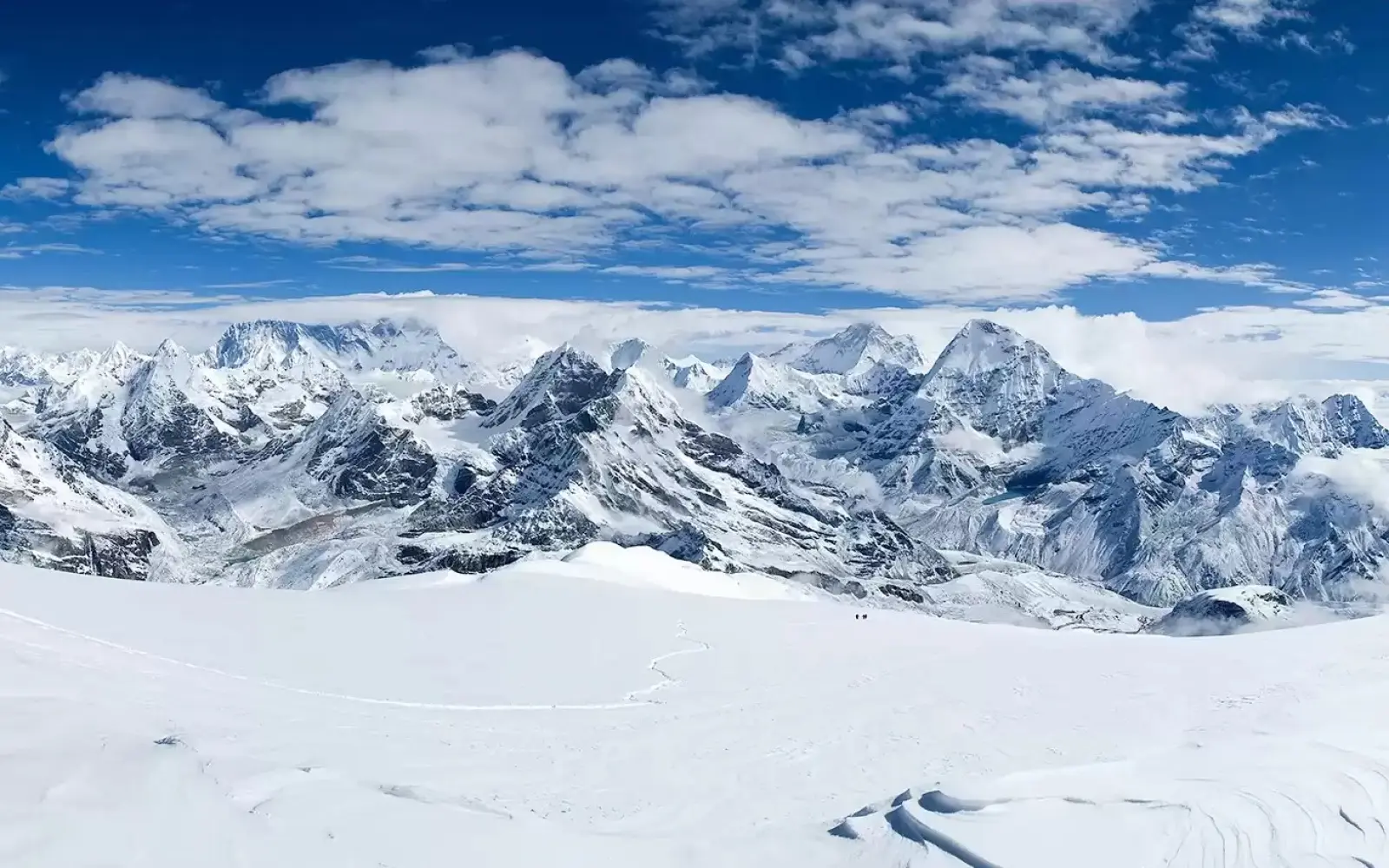
Mera Peak Climbing is one of the most rewarding high-altitude climbing adventures in Nepal, combining remote Himalayan trekking, cultural exploration, challenging mountain trails, and a spectacular summit experience. Organized by Himalayan Forever Treks, this 17-day itinerary takes you from the historic Kathmandu Valley into the remote Hinku Valley before reaching Mera Peak at an elevation of 6,654 meters (21,825 feet). The journey includes acclimatization days, glacier and high-altitude preparation, and a carefully planned summit attempt.
The adventure begins with sightseeing in Kathmandu and continues with a scenic journey toward Lukla and the remote trekking trails leading through Chutanga, Thuli-Kharka, Kothe, Thangnag, and Khare. After proper acclimatization and pre-climbing preparation, you ascend to Mera High Camp and make the summit attempt before descending through the same spectacular Himalayan region toward Lukla and Kathmandu.
Mera Peak is an excellent choice for adventurous trekkers who want to experience Himalayan peak climbing without committing to a highly technical expedition. However, the altitude, cold temperatures, long summit day, steep terrain, and glacier sections make proper preparation and responsible acclimatization essential.
Key highlights
Mera Peak Climbing is an exciting Himalayan adventure that combines trekking with mountaineering. Mera Peak is widely regarded as one of Nepal's most accessible trekking peaks, making it particularly attractive to experienced trekkers who want to progress toward high-altitude climbing. The route passes through beautiful forests, alpine valleys, rocky landscapes, high mountain passes, and glaciated terrain before reaching the summit.
The journey with Himalayan Forever Treks is designed to provide gradual altitude gain and adequate time for acclimatization. Rather than rushing directly toward the mountain, the itinerary includes a rest and acclimatization day at Thangnag, preparation at Khare, and a pre-summit acclimatization period before moving to High Camp. These stages help climbers become more comfortable with the increasingly thin air and demanding mountain environment.
The summit day is the main highlight of the expedition. From Mera High Camp, climbers begin early and continue toward the summit through high-altitude terrain. From the top, favorable weather conditions can reveal an extraordinary panorama of some of the highest mountains in the Himalayas. After reaching the summit, the route descends to Khare, then continues to Lukla via Thangnag, Thuli-Kharka, and Chutanga.
What makes the journey special?
Mera Peak is located in the Khumbu region of eastern Nepal, within the Himalayan mountain range. The mountain lies in the remote Hinku Valley area and is surrounded by some of the most impressive peaks of the Nepalese Himalayas. Unlike the more heavily traveled Everest Base Camp route, the Mera Peak approach takes climbers through quieter valleys and less-crowded trails.
The traditional approach begins from the Lukla region and passes through Chutanga, Thuli-Kharka, Kothe, Thangnag, and Khare. As the trail gains elevation, the scenery gradually changes from forested lower hills to alpine landscapes, rocky valleys, snow-covered slopes, and glacial terrain. Khare serves as an important staging point before the climb toward Mera High Camp and the summit.
Mera Peak's location provides an exceptional Himalayan experience because the climb combines remote trekking with expansive mountain scenery. From higher sections of the route and the summit area, climbers may encounter impressive views of several major Himalayan peaks, depending on weather and visibility.
Location and route highlights
Mera Peak is an excellent introduction to Himalayan peak climbing for adventurous trekkers who have good physical fitness and are prepared for high-altitude conditions. The mountain offers a genuine climbing experience while generally requiring less technical climbing ability than many of Nepal's more difficult expedition peaks. This makes it a popular objective for people seeking their first major Himalayan summit.
Another major attraction is the journey itself. The Mera Peak route is not simply about reaching the summit; it is an extended Himalayan experience through remote villages, forests, mountain valleys, high passes, and glacial landscapes. The itinerary also provides time for acclimatization, which is particularly important when climbing above 6,000 meters.
With Himalayan Forever Treks, climbers can focus on the adventure while receiving organized logistical support throughout the journey. The itinerary includes Kathmandu sightseeing, transportation arrangements, trekking support, acclimatization, climbing preparation, and the summit attempt. Proper preparation and cooperation with the climbing team remain essential for a safe and successful experience.
Top reasons to choose Mera Peak
Mera Peak is often considered a trekking peak, but that does not mean the climb is easy. The greatest challenges are high altitude, long trekking days, cold temperatures, steep sections, changing weather, and the physical demands of climbing above 6,000 meters. Summit day can be particularly demanding because climbers spend many hours ascending and descending in thin air.
The itinerary is designed with acclimatization in mind. The rest day at Thangnag provides an opportunity to adjust to the altitude, while the stay at Khare allows climbers to prepare for the higher sections of the mountain. Before the summit attempt, climbers move to Mera High Camp and spend the night at high altitude before beginning the summit climb.
Some basic mountaineering skills may be required, particularly for glacier travel and the use of climbing equipment. Climbers should be comfortable walking for several hours on consecutive days and should have strong endurance. Previous high-altitude trekking experience is beneficial, although appropriate training and preparation can help capable first-time peak climbers undertake the adventure.
Main challenges
Who should consider Mera Peak?
Mera Peak is best suited to people with good cardiovascular fitness, strong endurance, and a positive attitude toward challenging mountain conditions. Regular hiking, long-distance walking, uphill training, and previous trekking experience can be valuable preparation. Anyone attempting the climb should also understand that altitude affects people differently and that summit success can never be guaranteed.
The best seasons for Mera Peak Climbing are generally spring and autumn, when Nepal's Himalayan weather is usually more favorable for trekking and climbing. Spring, particularly from March to May, offers relatively stable conditions, good visibility, and beautiful mountain scenery. The lower trekking sections can also be particularly attractive during this period because of the changing landscapes and spring vegetation.
Autumn, especially from September to November, is another excellent period for the Mera Peak adventure. After the summer monsoon, the skies often become clearer, visibility improves, and the mountain landscapes can be spectacular. October and November are traditionally popular months for Himalayan trekking and climbing because of the combination of favorable weather and good mountain visibility.
Winter climbing is possible for experienced and well-equipped climbers, but temperatures can be significantly lower and snow conditions can make the route more challenging. The summer monsoon brings wetter conditions to many lower sections of the approach, while cloud, rain, and changing mountain conditions can affect travel and visibility. For most climbers, choosing a suitable season greatly improves the overall experience.
Recommended climbing seasons
Spring: March to May
Autumn: September to November
Winter: December to February
Monsoon: June to August
Why season matters
Choosing the right season is an important part of planning a Mera Peak expedition. Weather can influence flight schedules, trekking conditions, visibility, snow conditions, and the possibility of making a successful summit attempt. Himalayan Forever Treks recommends planning the climb around the most suitable seasonal conditions while maintaining flexibility because Himalayan weather can change rapidly at high altitude.
The Mera Peak climbing route is a spectacular Himalayan journey that combines remote trekking, gradual acclimatization, and a rewarding high-altitude summit attempt. Organized by Himalayan Forever Treks, the route begins with cultural exploration in Kathmandu before continuing toward Manthali and Lukla. From Lukla, the trail enters the quieter Hinku Valley, passing through Chutanga, Thuli-Kharka, Kothe, Thangnag, and Khare before reaching Mera High Camp and the summit.
The route is designed to allow climbers to progressively gain altitude while experiencing diverse Himalayan landscapes. Lower sections feature forests and mountain settlements, while higher sections lead into alpine valleys, rocky terrain, snow, and glacial landscapes. After the summit attempt, the itinerary follows a descending route back through Khare, Thangnag, Thuli-Kharka, Chutanga, and Lukla before returning to Kathmandu.
Route highlights
The Mera Peak climbing itinerary with Himalayan Forever Treks is planned over 17 days, including arrival, Kathmandu sightseeing, trekking, acclimatization, climbing, and departure. The journey begins in Kathmandu and gradually moves into the high Himalayas. The itinerary includes important acclimatization periods at Thangnag and Khare before the summit attempt, helping climbers adjust progressively to increasing elevation.
The main climbing phase starts after reaching Khare, located at approximately 5,045 meters. Following a pre-climbing and acclimatization day, climbers ascend to Mera High Camp at around 5,780 meters. The summit attempt takes place the following day, reaching Mera Peak at approximately 6,654 meters before descending to Khare. The final trekking days retrace the route toward Lukla and conclude with the flight back to Kathmandu.
Day-by-day highlights
Climbing Mera Peak requires the appropriate trekking and mountaineering permits because the mountain is located in Nepal's regulated Himalayan climbing area. The required permits and associated fees can vary depending on the season, route regulations, and government policies. Climbers should therefore confirm the current requirements before departure.
For travelers booking with Himalayan Forever Treks, the company can assist with the necessary permit arrangements and expedition documentation as part of the trip preparation. Climbers should carefully check their package's inclusion list to understand which permits, national park fees, local-area fees, and other government charges are covered by the climbing package.
Permit-related considerations
Because government regulations and climbing fees can change, Himalayan Forever Treks should be contacted for the current permit requirements and applicable fees when making a booking.
The Mera Peak climbing cost depends on several factors, including trip duration, group size, season, transportation arrangements, climbing support, permits, accommodation, meals, and the level of logistical services provided. A complete package from Himalayan Forever Treks is designed to organize the major components of the expedition so climbers can concentrate on trekking, acclimatization, and climbing.
Costs can differ between standard trekking packages and fully supported climbing expeditions. Flights to and from Lukla, permits, accommodation, meals, guides, porters, climbing equipment, and transportation can all influence the final price. Personal expenses and optional services may be separate from the package price.
Typical cost components
Usually not included
The exact inclusions should always be checked with Himalayan Forever Treks before booking, as package services and government charges can change.
A Mera Peak expedition requires considerably more time than simply reaching the mountain and climbing to the summit. The 17-day itinerary provided by Himalayan Forever Treks includes the approach trek, acclimatization, climbing preparation, summit attempt, descent, return to Lukla, and Kathmandu time. Allowing adequate time for these stages is important because rapid ascent can increase the risk of altitude-related problems and reduce the likelihood of a successful summit attempt.
The itinerary includes acclimatization at Thangnag and additional preparation at Khare before moving to High Camp. The summit day is followed by a descent, and the return trek takes several days before reaching Lukla. Travelers should also consider adding contingency days to their overall Nepal travel plan because weather can affect flights between Kathmandu, Manthali, and Lukla.
Duration at a glance
Altitude is one of the most important factors in Mera Peak climbing. The journey begins in Kathmandu at approximately 1,320 meters and gradually climbs through higher elevations before reaching Khare at around 5,045 meters and Mera High Camp at approximately 5,780 meters. The summit reaches about 6,654 meters (21,825 feet), where oxygen availability is considerably lower than at sea level.
To manage the challenges of high altitude, the itinerary includes an acclimatization day at Thangnag and a pre-climbing acclimatization and preparation day at Khare. These rest and acclimatization periods allow climbers to become accustomed to the altitude before moving higher. However, acclimatization varies from person to person, and no itinerary can eliminate the possibility of altitude-related illness.
Climbers should ascend responsibly, stay hydrated, maintain a manageable pace, and communicate immediately with their guide if they develop concerning symptoms. If a climber becomes seriously unwell at altitude, descending to a lower elevation is often an essential part of managing the situation.
Major altitude points
Acclimatization tips
Mera Peak Climbing is a demanding high-altitude adventure that requires good physical fitness, endurance, and mental preparation. Although Mera Peak is considered one of Nepal's more accessible trekking peaks, the combination of long trekking days, steep ascents, high altitude, cold temperatures, and the summit push makes proper preparation essential. Himalayan Forever Treks recommends that climbers prepare well in advance so they can manage the physical demands of the journey more comfortably.
Training should focus on cardiovascular endurance, leg strength, balance, and the ability to walk uphill for several hours. Regular hiking with a gradually increasing distance and elevation gain is one of the best ways to prepare. Strength exercises such as squats, lunges, step-ups, and core workouts can also help prepare the body for steep mountain trails and carrying a daypack.
Recommended training
Mera Peak does not generally require the same level of technical climbing ability as Nepal's more challenging expedition peaks, but climbers should still be prepared for high-altitude snow and glacier conditions. Depending on the route and current mountain conditions, basic skills involving crampons, harnesses, ropes, and an ice axe may be required. Climbers should be comfortable following the instructions of their climbing guide and using mountaineering equipment correctly.
Before the summit attempt, the climbing team can provide guidance and practical preparation for the equipment and techniques required on the mountain. Himalayan Forever Treks emphasizes preparation and responsible climbing practices so that participants understand how to move safely through snow, ice, and steep sections. Previous mountaineering experience is helpful but is not necessarily required for suitably prepared climbers.
Useful technical skills
Having the right equipment is essential for a successful Mera Peak expedition. Conditions can change dramatically as the route climbs from the relatively mild lower valleys to the freezing environment of High Camp and the summit. Climbers therefore need suitable trekking clothing as well as specialized mountaineering equipment for the higher sections.
Himalayan Forever Treks can advise climbers about the equipment required for the expedition and which items may be available through the climbing team or local rental services. Personal equipment should be tested before departure, particularly boots, clothing, gloves, backpacks, and other items that will be used repeatedly during the trek.
Essential personal equipment
Clothing strategy
Layering is particularly important on Mera Peak because temperatures can vary significantly between the lower trekking sections and the high-altitude climbing environment. A practical layering system allows climbers to add or remove clothing according to weather and activity levels. Waterproof and windproof protection is especially important in exposed areas.
Food and accommodation are important parts of maintaining energy during a long Himalayan expedition. During the trekking portion of the Mera Peak route, climbers generally stay in local teahouses or lodges where available. These accommodations provide a simple place to sleep, rest, and eat after each day's trek. As the route moves into more remote and higher areas, facilities become increasingly basic.
Meals on the trekking route typically focus on filling and familiar foods that provide carbohydrates and energy for long walking days. Common options can include rice, noodles, pasta, potatoes, soup, vegetables, eggs, bread, and other local or simple international dishes. At higher elevations and during the climbing phase, food options may be more limited because of the remote environment.
Himalayan Forever Treks organizes the trekking and climbing logistics so that climbers have access to meals and accommodation according to the selected package. Climbers should remember that food choices become more limited at higher elevations and should make good use of the available meals to maintain their energy.
Food highlights
Accommodation highlights
Altitude sickness is one of the most important safety considerations during Mera Peak Climbing because the route reaches more than 6,600 meters. As elevation increases, the amount of available oxygen decreases, and the human body needs time to adjust. Even physically fit climbers can experience altitude-related problems, so fitness alone does not guarantee protection from altitude sickness.
The itinerary operated by Himalayan Forever Treks includes acclimatization time at Thangnag and Khare before the summit attempt. Climbers should maintain a steady pace, stay hydrated, eat regularly, and avoid unnecessary exertion. Most importantly, any concerning symptoms should be reported promptly to the guide. Severe symptoms should never be ignored simply because the summit is close.
Altitude safety practices
Common warning symptoms
Possible altitude-related symptoms can include headache, unusual tiredness, dizziness, nausea, loss of appetite, and difficulty sleeping. More serious symptoms require immediate attention and descent. Climbers should discuss altitude illness with a qualified medical professional before the expedition and understand the risks before traveling to high altitude.
A professional support team plays an important role in the success and safety of a Mera Peak expedition. The route passes through remote and demanding terrain, and climbers benefit from experienced guides who understand the trails, altitude, weather, local conditions, and climbing requirements. Himalayan Forever Treks provides organized trekking and climbing support to help participants manage the logistical and practical challenges of the journey.
Guides are particularly important during acclimatization and the summit phase. They can help monitor the group's condition, manage the pace, provide guidance on mountain safety, and assist with climbing procedures. Porters also reduce the amount of equipment individual trekkers need to carry, allowing climbers to conserve energy for the long trekking and climbing days.
The exact guide-to-client ratio, porter arrangements, climbing staff, and included services can vary depending on the group size and package. Travelers should confirm these details with Himalayan Forever Treks before booking their expedition.
Support services may include
Why professional support matters
A reliable support team provides more than logistical assistance. Experienced mountain staff understand the changing conditions of the Himalayas and can help climbers make sensible decisions when weather, altitude, or physical condition affects the itinerary. Working closely with the guide and support team is therefore an important part of a responsible and enjoyable Mera Peak climbing experience.
Weather and temperature are important factors to consider when planning a Mera Peak Climbing adventure. Conditions can change rapidly as the route gains elevation, with relatively comfortable temperatures in the lower valleys becoming much colder around Khare, High Camp, and the summit. Strong winds, snowfall, cloud, and freezing temperatures can make the upper sections particularly demanding.
The spring and autumn seasons are generally preferred for Mera Peak climbing because they often provide more favorable trekking and climbing conditions. However, Himalayan weather is unpredictable, and even during the best seasons, climbers should be prepared for sudden changes. Himalayan Forever Treks recommends carrying appropriate layered clothing and maintaining flexibility in the itinerary when weather conditions affect flights, trekking, or the summit attempt.
Weather considerations
Packing properly is essential for a comfortable and safe Mera Peak expedition. The trip involves trekking through different climatic zones, from the lower Himalayan valleys to an environment above 6,000 meters. Your packing list therefore needs to include both normal trekking clothing and specialized mountaineering equipment.
Himalayan Forever Treks can provide guidance about the equipment required for the trip and which climbing items may be included, provided, or available for rental. Personal gear should be selected carefully and tested before departure. Comfortable trekking boots, warm clothing, a suitable sleeping bag, reliable headlamp, and proper eye protection are particularly important.
Clothing and personal gear
Climbing equipment
Pack as efficiently as possible because unnecessary weight can make long trekking days more difficult. It is also useful to keep important personal items, documents, medications, and valuables accessible rather than buried deep inside your luggage.
Mera Peak Climbing offers an exciting Himalayan adventure, but it also involves genuine high-altitude risks. The main challenges include altitude, cold weather, long trekking days, steep terrain, changing weather, glacier conditions, and the physical demands of the summit attempt. Proper preparation and responsible decision-making are essential throughout the journey.
Himalayan Forever Treks structures the itinerary with acclimatization and preparation periods to help climbers adjust to the increasing elevation. Nevertheless, every climber reacts differently to altitude. Following your guide's instructions, maintaining a sensible pace, staying hydrated, and communicating any health concerns early are important parts of mountain safety.
Important safety tips
Main challenges
Safety should always take priority over reaching the summit. A successful expedition means returning safely, whether or not the summit is reached.
The summit day is the most challenging and exciting part of the Mera Peak expedition. After spending the night at Mera High Camp at approximately 5,780 meters, climbers normally begin the summit push very early. Starting early helps maximize available daylight and may provide better conditions before weather changes later in the day.
The climb toward the summit involves sustained effort at very high altitude. Climbers need to maintain a steady pace, manage their energy carefully, and follow the instructions of their climbing guide. Reaching the summit of Mera Peak at approximately 6,654 meters (21,825 feet) can provide spectacular views across the Himalayan landscape when weather and visibility are favorable.
After spending limited time at the summit, the team begins the descent. Descending safely is just as important as reaching the top because fatigue can increase after many hours of climbing. According to the itinerary from Himalayan Forever Treks, the summit day includes the descent back toward Khare.
Summit-day highlights
What makes summit day difficult?
The combination of altitude, cold, darkness during the early start, steep terrain, and prolonged physical effort makes summit day demanding. Climbers should conserve energy, stay focused, drink regularly, and follow the pace established by the climbing team.
Mera Peak is an attractive option for trekkers who want to experience Himalayan peak climbing without immediately committing to one of Nepal's more technically demanding mountaineering objectives. Its altitude is impressive, reaching approximately 6,654 meters, while the overall expedition combines a trekking approach with a high-altitude climbing experience.
Compared with more technical Himalayan peaks, Mera Peak can be a suitable stepping stone for climbers who want to develop confidence in high-altitude environments. However, its relatively accessible reputation should not be confused with an easy climb. The altitude and summit-day demands remain significant.
Himalayan Forever Treks can help travelers choose an expedition based on their previous trekking experience, fitness, technical ability, preferred duration, and climbing objectives.
Mera Peak advantages
Compared with more technical peaks
Mera Peak is suitable for adventurous travelers with good physical fitness, strong endurance, and a willingness to prepare for high-altitude conditions. Previous trekking or mountaineering experience is beneficial, but the mountain can be considered by capable trekkers who are prepared to learn the necessary climbing skills and follow professional guidance.
The most important consideration is not simply age or previous climbing experience but the individual's overall fitness, health, altitude experience, and ability to cope with demanding mountain conditions. Anyone considering Mera Peak should undertake appropriate physical preparation and discuss high-altitude travel with a qualified medical professional when appropriate.
Himalayan Forever Treks recommends that climbers honestly assess their fitness and experience before joining the expedition. The mountain should be approached with respect, preparation, and realistic expectations.
Good candidates generally have
Mera Peak can be an achievable objective for a well-prepared beginner with strong fitness and appropriate professional support. It is often considered an accessible introduction to Himalayan peak climbing because the technical requirements are generally less demanding than those of many advanced expedition peaks. However, beginners should not underestimate the altitude or physical demands involved.
A first-time climber should ideally have some experience with trekking, long-distance hiking, or high-altitude walking before attempting Mera Peak. Building endurance through regular uphill hikes and practicing with a backpack can make the experience considerably more manageable. Basic climbing skills can be learned with the guidance of an experienced climbing team.
Himalayan Forever Treks can provide support throughout the trekking and climbing process, but each participant remains responsible for preparing physically and following safety instructions. Beginner climbers should focus on preparation rather than treating Mera Peak as an easy mountain.
Tips for first-time climbers
How high is Mera Peak?
Mera Peak reaches approximately 6,654 meters (21,825 feet) above sea level. This makes it a serious high-altitude climbing objective despite its reputation as one of Nepal's more accessible trekking peaks.
How long does Mera Peak Climbing take?
The itinerary presented by Himalayan Forever Treks takes 17 days, including Kathmandu sightseeing, the approach trek, acclimatization, climbing, descent, return to Lukla, and departure.
Do I need previous climbing experience?
Previous climbing experience is helpful but may not be essential for a well-prepared participant. Basic mountaineering techniques and equipment use should be learned with professional guidance before the summit attempt.
What is the best season for Mera Peak?
Spring and autumn are generally the preferred seasons. March to May and September to November often provide more favorable conditions, although mountain weather can change unexpectedly at any time.
Is Mera Peak difficult?
Mera Peak is generally considered less technically demanding than many major Himalayan expedition peaks, but it remains physically challenging because of the altitude, cold, steep terrain, and long summit day.
What permits are required?
Climbers need the appropriate climbing and trekking permits for the route. Requirements and fees can change, so travelers should confirm the latest regulations with Himalayan Forever Treks before departure.
Is altitude sickness a risk?
Yes. The route reaches above 6,000 meters, so altitude sickness is a significant consideration. Gradual acclimatization, hydration, rest, sensible pacing, and immediate communication of symptoms are important safety measures.
Can beginners climb Mera Peak?
Well-prepared beginners with strong fitness and appropriate professional support may be able to attempt Mera Peak. Previous trekking experience is beneficial, and adequate preparation is strongly recommended.
What should I pack?
Climbers need normal trekking equipment as well as suitable high-altitude clothing and mountaineering equipment. The exact equipment list depends on the season, route conditions, and services included in the climbing package.
Why choose Himalayan Forever Treks?
Himalayan Forever Treks provides organized trekking and climbing support, including route planning, guides, permits, accommodation arrangements, transportation coordination, and assistance throughout the expedition. Travelers should confirm the current package inclusions and climbing services before booking.
Mera Peak Climbing is an excellent choice for travelers looking for a genuine Himalayan adventure that combines trekking, acclimatization, basic mountaineering, and a summit above 6,600 meters. The journey offers far more than the summit itself, taking climbers through remote valleys, alpine landscapes, mountain settlements, and spectacular Himalayan scenery.
However, Mera Peak should not be viewed as an easy trekking destination. High altitude, cold temperatures, long trekking days, changing weather, and the summit push require serious preparation. A good fitness base, appropriate equipment, professional guidance, and a responsible attitude toward mountain safety can significantly improve the experience.
With a carefully planned itinerary and experienced support from Himalayan Forever Treks, Mera Peak can become a memorable introduction to high-altitude Himalayan climbing. If you enjoy challenging trekking, want to develop mountaineering experience, and are prepared to respect the demands of the mountain, Mera Peak may be an excellent adventure for you.
Mera Peak is a good choice if you want
Prepare well, climb responsibly, and respect the mountain—Mera Peak can be one of the most rewarding adventures in the Nepal Himalayas.
Nepal, a land synonymous with towering peaks and rich cultural tapestries, offers a unique adventure...
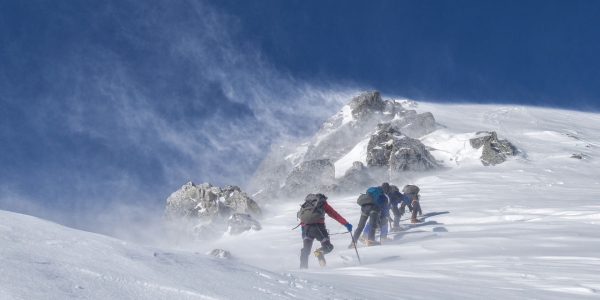
Nepal, a land of soaring peaks and rich cultural heritage, offers some of the most spectacular and c...
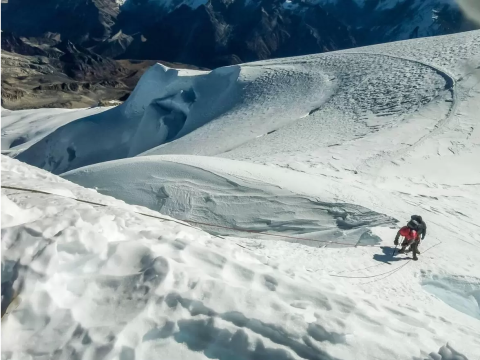
Peak climbing and expeditions in Nepal provide an unparalleled adventure experience, where trekkers...



