
Is Everest Base Camp Trekking Hard?
2 Aug 2024
The Everest Base Camp (EBC) trek is considered challenging but achievable for most trekkers with pro...

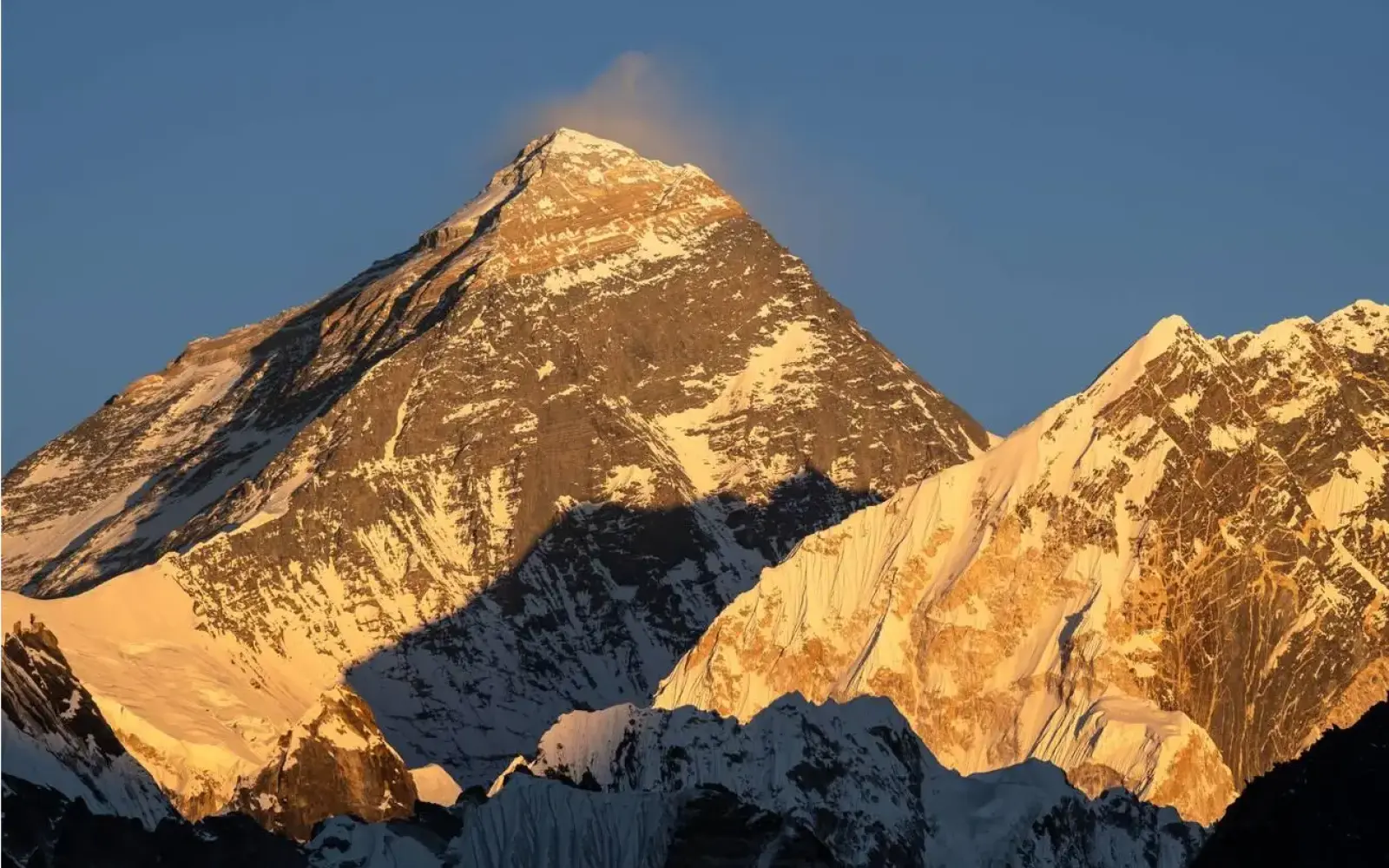
Yes, you can trek from Kathmandu to Everest Base Camp entirely on foot, although it takes considerably more time and stamina than the standard Everest Base Camp trekking route. A traditional overland journey begins around the Kathmandu Valley and gradually follows historic hill trails through Sundarijal, Chisopani, Nagarkot, Dhulikhel, Jiri, Shivalaya, Bhandar, Junbesi, and the Solukhumbu region before joining the classic route toward Namche Bazaar and Everest Base Camp.
For travelers who want a longer and more immersive Himalayan experience, this route offers the opportunity to experience Nepal beyond the usual Lukla flight. Himalayan Forever Trek can organize an extended itinerary that combines lower-hill villages, mountain landscapes, cultural encounters, acclimatization days, and the famous Everest Base Camp trail.
Everest Base Camp is one of Nepal's most famous trekking destinations, attracting trekkers from around the world. Most modern itineraries begin with a flight from Kathmandu to Lukla, followed by trekking through Phakding, Namche Bazaar, Tengboche, Dingboche, Lobuche, and Gorakshep before reaching Everest Base Camp. However, trekking from Kathmandu itself provides a very different experience.
Walking from the Kathmandu Valley toward Everest allows travelers to experience the gradual transition from populated valleys and terraced farmland to remote Himalayan settlements. It also follows sections of the historic approach used by early Everest expeditions before the Lukla airstrip became the principal gateway for trekkers.
A Kathmandu-to-Everest Base Camp trek on foot is essentially a combination of two journeys. The first section crosses the lower hills and connects Kathmandu with the Jiri and Solukhumbu areas. The second section joins the established Everest Base Camp trekking trail at or around Surke and continues toward Phakding, Namche Bazaar, Tengboche, Dingboche, Lobuche, and Everest Base Camp.
The itinerary provided takes approximately 30 days, including arrival and departure days as well as acclimatization stops. After reaching Everest Base Camp, the route crosses Kala Patthar before descending through Pangboche and Namche Bazaar to Lukla, from where the itinerary returns to Kathmandu by air.
Yes. A trekker can travel from Kathmandu toward Everest Base Camp without using a vehicle for the main trekking journey. The route through Jiri is particularly significant because Jiri was historically an important starting point for expeditions heading toward Mount Everest before regular flights to Lukla became common.
The main consideration is time and physical preparation. Starting from Kathmandu adds many trekking days at lower and middle elevations before reaching the high Himalayas. This makes the journey substantially longer, but it also provides a gradual approach to altitude and allows trekkers to experience a wider variety of Nepal's landscapes and communities.
The exact distance depends on the trails and route variations selected. There is no single fixed trekking distance because mountain trails frequently follow ridges, valleys, passes, and village paths rather than direct lines between destinations.
The itinerary above covers a very substantial distance because it begins in the Kathmandu Valley, passes through Jiri, and then continues along the classic Everest trekking corridor. The distance should therefore be considered as a multi-stage Himalayan journey rather than simply the direct geographical distance between Kathmandu and Everest Base Camp.
For a complete Kathmandu-to-Everest Base Camp journey on foot, the Jiri–Everest Base Camp route is the most historically significant approach. The itinerary can begin with Kathmandu Valley trails through Sundarijal, Chisopani, Nagarkot and Dhulikhel, continue toward Jiri and Shivalaya, and then follow the traditional trail through Bhandar, Sete, Junbesi and the Solukhumbu region.
After reaching Surke, the route connects with the familiar Everest Base Camp trail. From there, trekkers continue toward Phakding and Namche Bazaar, followed by Tengboche, Dingboche, Lobuche and Gorakshep. Everest Base Camp and Kala Patthar are the major high-altitude objectives before descending through Pangboche and Namche Bazaar to Lukla.
The Kathmandu to Everest Base Camp Trek offers a long and rewarding approach to the world's highest mountain, combining the historic Jiri trail with the classic Everest Base Camp route. Rather than flying directly from Kathmandu to Lukla, trekkers travel overland and walk through the Kathmandu Valley, middle hills, traditional Sherpa settlements, and high Himalayan valleys before reaching Everest Base Camp.
Himalayan Forever Trek can arrange this extended itinerary for travelers who want to experience more of Nepal on foot. The route described takes around 30 days, including arrival, acclimatization, trekking, the Everest Base Camp and Kala Patthar sections, and the return to Kathmandu.
A Kathmandu-to-Everest Base Camp trek on foot generally requires significantly more time than the standard Lukla-to-Everest Base Camp itinerary. With the route provided, the complete journey is planned over 30 days, allowing sufficient time for the long approach from Kathmandu as well as acclimatization at higher elevations.
The itinerary includes two important acclimatization days, one in Namche Bazaar and another in Dingboche. These rest days are particularly valuable because the route eventually reaches elevations above 5,000 meters. The actual number of trekking days can vary depending on the route, weather, walking pace, acclimatization requirements, and conditions on the trail.
The best seasons for a Kathmandu-to-Everest Base Camp trek are generally spring and autumn. Spring, particularly March through May, brings relatively stable trekking conditions, pleasant daytime temperatures at lower elevations, and blooming rhododendrons in many parts of the hills. Autumn, especially October and November, is also popular because of generally clear mountain views and favorable trekking conditions.
Winter can bring very cold temperatures and snow at higher elevations, while the summer monsoon can produce rain, muddy trails, cloud cover, and occasional travel disruptions in the lower regions. However, the appropriate season can also depend on the trekker's priorities, tolerance for cold or rain, and the specific route conditions.
The Kathmandu-to-Everest Base Camp trek is a long-duration, high-altitude trekking journey. Its difficulty comes not only from the elevation but also from the cumulative number of walking days. Trekkers must be prepared for repeated ascents and descents, uneven mountain trails, changing weather, and increasingly thin air as the route approaches Everest Base Camp.
Good cardiovascular fitness, leg strength, endurance, and preparation for sustained walking are important. Previous multi-day trekking experience can be helpful, although a well-prepared trekker without extensive high-altitude experience may undertake the journey with appropriate pacing, acclimatization, and professional support.
Trekkers on the Kathmandu-to-Everest Base Camp route need the applicable permits and entry documentation for the areas they pass through. Requirements can vary according to the precise itinerary and current regulations, so Himalayan Forever Trek can help trekkers identify and arrange the permits required for their particular journey.
The Everest region includes controlled and protected areas, and permits or entry fees may apply at different points along the route. Trekkers should also carry their passport and any required travel documents throughout the trek. Because Nepal's permit procedures and fees can change, travelers should confirm the current requirements before departure.
Accommodation on the Kathmandu to Everest Base Camp trek varies according to the section of the route. In the lower hills around Chisopani, Nagarkot, Dhulikhel, Jiri, and the surrounding villages, trekkers can stay in local hotels, guesthouses, and trekking lodges. As the trail moves deeper into the Solukhumbu region, teahouses and mountain lodges become the primary accommodation option.
Meals are generally available at the lodges and teahouses throughout the trekking route. Dal bhat, noodles, soups, rice dishes, potatoes, vegetables, Tibetan-style breads, pasta, eggs, and other simple meals are commonly available. Himalayan Forever Trek can arrange meals and accommodation according to the itinerary, while trekkers should expect simpler facilities at higher elevations.
Altitude is one of the most important considerations on a Kathmandu-to-Everest Base Camp trek. The journey begins in the relatively low-elevation Kathmandu Valley and gradually progresses through the middle hills before reaching the high-altitude settlements of Namche Bazaar, Tengboche, Dingboche, Lobuche, and Gorakshep. Everest Base Camp itself is situated at approximately 5,364 meters above sea level.
The long walking approach provides a gradual transition toward higher elevations, but proper acclimatization remains essential. The itinerary includes an acclimatization day in Namche Bazaar and another in Dingboche. Trekkers should maintain a sensible pace, stay hydrated, avoid unnecessarily rapid ascents, and communicate promptly with their guide if they experience symptoms associated with altitude illness.
Packing for a Kathmandu-to-Everest Base Camp trek requires preparation for a wide range of environments. The lower sections can be relatively mild, while the upper Everest region can be extremely cold, particularly during early mornings and at night. Layering clothing is therefore more practical than relying on one heavy item of clothing.
A good pair of trekking boots, warm layers, rain protection, a sleeping bag suitable for cold conditions, and sun protection are among the important items. Since this is a long trek, trekkers should also consider keeping their overall backpack weight manageable and using a porter if porter support is included in their Himalayan Forever Trek package.
The cost of trekking from Kathmandu to Everest Base Camp on foot depends on the duration, group size, accommodation, guide and porter services, permits, transportation, meals, insurance, and services included in the trekking package. Because this itinerary is considerably longer than a standard Lukla-based Everest Base Camp trek, its overall cost can also differ.
A package organized by Himalayan Forever Trek may include services such as airport transfers, accommodation, trekking permits, an experienced guide, porter support, meals during the trek, domestic flights for the return from Lukla, and other logistical arrangements. Travelers should check exactly what is included and excluded before booking because personal expenses, travel insurance, beverages, tips, and some additional services may be separate.
Yes, trekking from Kathmandu to Everest Base Camp entirely on foot is possible, and it provides a longer alternative to the conventional flight-to-Lukla approach. The route combines the Kathmandu Valley, traditional hill settlements, the historic Jiri approach, Sherpa villages, and the classic Everest Base Camp trail, creating a journey that is as much about experiencing Nepal's landscapes and communities as reaching the base of Mount Everest.
With a 30-day itinerary, appropriate acclimatization, good physical preparation, suitable equipment, and experienced logistical support, travelers can undertake this extended Himalayan adventure. Himalayan Forever Trek can help organize the itinerary, accommodation, meals, permits, guides, porters, and transportation required for the journey, allowing trekkers to focus on the experience of walking from the lower hills toward Everest Base Camp.

The Everest Base Camp (EBC) trek is considered challenging but achievable for most trekkers with pro...
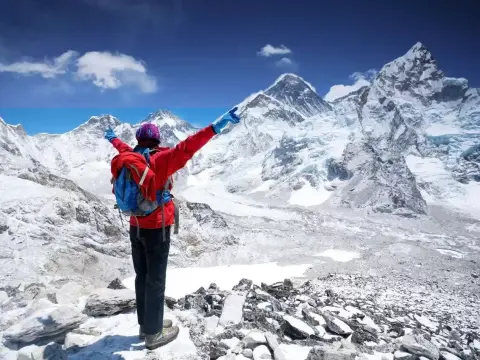
The Everest Base Camp trek is one of the most iconic trekking routes in the world, attracting advent...

Looking at your itinerary, it is clear how the journey is structured. The first two days involve arr...



