Top Breathtaking Viewpoints of Mount Everest
13 Aug 2025
Mount Everest is more than just the world’s highest peak—it’s a powerful symbol of human aspiration...

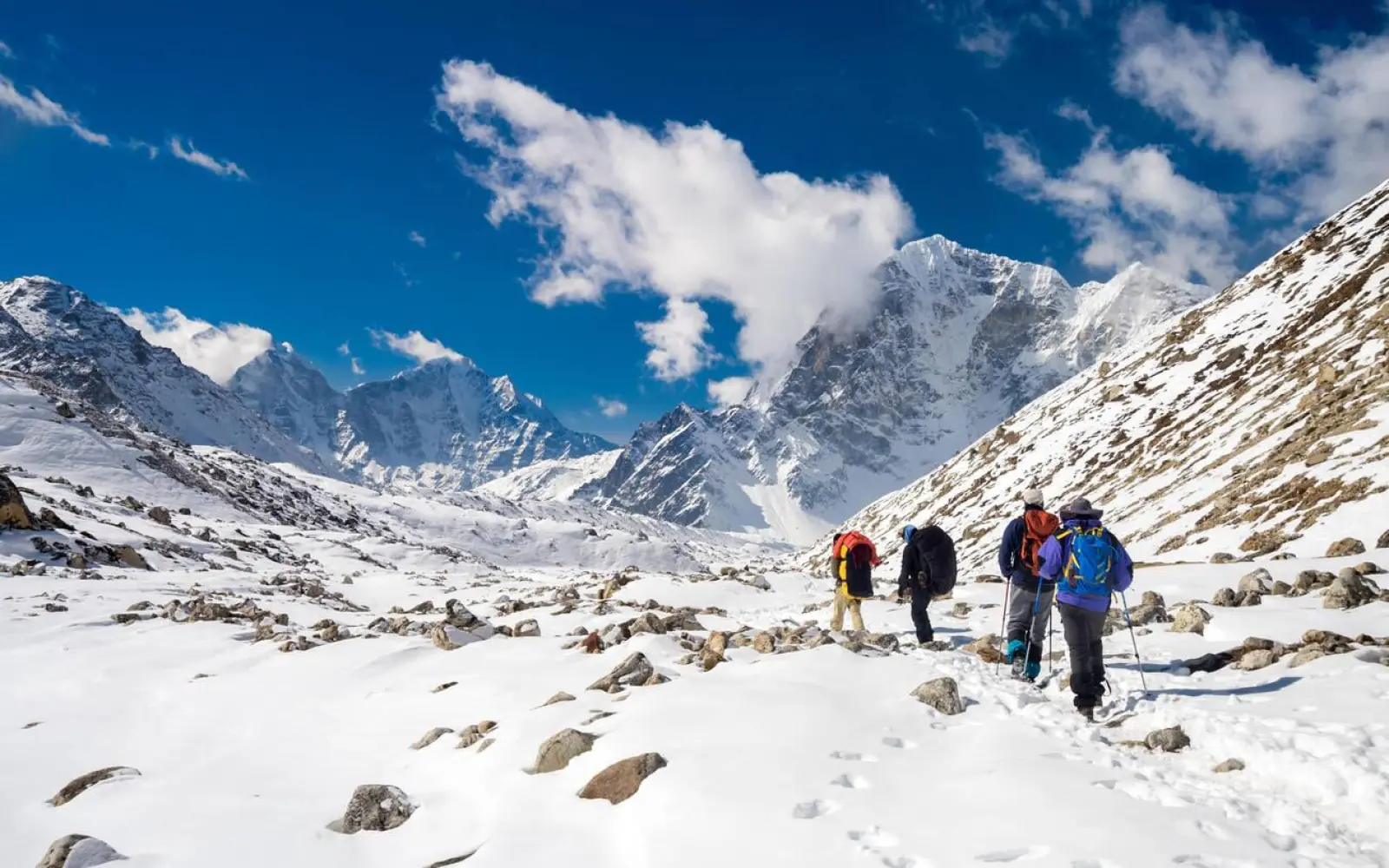
The Everest Base Camp (EBC) Trek is one of the most iconic trekking adventures in the world. Traditionally, trekkers start from Lukla, hiking through the breathtaking landscapes of the Khumbu region. However, for those seeking a more comfortable and flexible experience, traveling by road to Everest Base Camp is becoming increasingly popular. This approach allows travelers to access high-altitude areas with reduced trekking strain while still enjoying the stunning Himalayan scenery.
A road-based trek provides an alternative way to experience Everest without the intense physical demands of a long trek. With the road option, you can combine jeep rides with shorter treks to key villages and viewpoints, making the adventure accessible to a wider range of travelers, including families and older adventurers. Himalayan Forever Treks offers customized itineraries that balance road travel and trekking, ensuring safety, comfort, and unforgettable experiences.
Highlights of an EBC Road Trek
Everest Base Camp is located at an altitude of 5,364 meters (17,598 feet) and serves as the starting point for climbers attempting the world’s highest peak. The road route to EBC has improved over recent years, connecting the Solukhumbu region to various villages such as Thamdanda, Phakding, and Namche Bazaar. While the road does not reach the very summit of Base Camp, travelers can combine short treks from the nearest drivable points, creating a manageable yet immersive Himalayan adventure.
The journey by road provides an opportunity to witness breathtaking Himalayan landscapes, including terraced fields, rhododendron forests, and majestic peaks like Ama Dablam and Lhotse. The road option allows more time for acclimatization, which is critical for high-altitude travel, reducing the risk of Acute Mountain Sickness (AMS). Himalayan Forever Treks emphasizes responsible travel, combining road access with scenic treks to make EBC accessible, safe, and unforgettable.
Key Features
Why Choose the Road Trip Option?
Opting for the road trip to Everest Base Camp has several advantages. First, it reduces the physical strain associated with trekking long distances at high altitudes. For travelers with limited time, fitness constraints, or mobility concerns, the road option allows them to experience the beauty of the Himalayas without extensive trekking.
Second, the road trip provides greater flexibility in planning acclimatization stops. By driving to high-altitude villages such as Namche Bazaar or Dingboche, travelers can rest and gradually adapt to the thinner air. This reduces the chances of altitude sickness and makes the journey safer for first-time high-altitude visitors. Himalayan Forever Treks also arranges comfortable lodging and meals along the route, ensuring a smooth and hassle-free adventure.
Advantages
Differences Between Trekking and Driving
While both trekking and driving offer unique ways to experience Everest Base Camp, the two options differ significantly in terms of experience, effort, and adventure. Trekking provides a more immersive and physically challenging experience, allowing travelers to connect deeply with nature, local communities, and the terrain. It is ideal for adventure enthusiasts seeking a traditional Himalayan trekking experience.
Driving, on the other hand, provides comfort, safety, and efficiency. With the road option, you can cover longer distances in less time, making it easier to reach remote villages and viewpoints. You still get to enjoy short treks and cultural experiences along the way, but without the extreme physical demands of a full trek. Himalayan Forever Treks designs road-based itineraries to combine the best of both worlds: scenic drives, short treks, and ample opportunities for photography and exploration.
Planning a road trip to Everest Base Camp (EBC) requires careful preparation, as the journey combines high-altitude travel with rugged road conditions. Unlike traditional trekking, the road option allows you to reach villages closer to EBC by jeep or 4x4 vehicle, making the experience more accessible for travelers of all ages. A well-structured plan ensures you have time for acclimatization, sightseeing, and short treks to iconic viewpoints.
Himalayan Forever Treks customizes itineraries based on your schedule, fitness level, and preferences. From the drive from Kathmandu to Thamdanda, through scenic villages like Namche Bazaar and Dingboche, to short treks up to Gorakshep and Kalapatthar, every step is organized for comfort and safety. Planning ahead ensures lodging, permits, and jeep rentals are secured in advance, avoiding last-minute hassles in remote Himalayan regions.
Planning Checklist
Best Time to Visit
The timing of your Everest Base Camp road trip significantly affects both safety and experience. The best months are pre-monsoon (March–May) and post-monsoon (late September–November). During these periods, the weather is generally clear, offering breathtaking mountain views, stable road conditions, and manageable temperatures. Winter months (December–February) are colder, with snow making roads slippery and higher altitude areas less accessible.
Seasonal considerations also influence crowd levels and cultural experiences. Spring brings blooming rhododendrons and moderate trekking conditions, while autumn offers crisp skies and festive local events. Traveling during peak seasons ensures a combination of scenic beauty, cultural exposure, and comfortable road conditions.
Seasonal Highlights
Choosing the Right Vehicle and Route
Selecting the right vehicle is crucial for a safe and comfortable road trip to EBC. The route involves mountainous terrain, steep inclines, and sometimes unpaved roads. A 4x4 jeep is highly recommended to handle rugged paths and high-altitude conditions. Himalayan Forever Treks provides experienced drivers familiar with the Solukhumbu region, ensuring both safety and smooth travel.
There are multiple route options depending on weather, road conditions, and your preferred balance of driving and trekking. Commonly, the route passes through Thamdanda, Phakding, Namche Bazaar, Tengboche, and Dingboche before reaching Gorakshep and Base Camp. Short treks can be added from the nearest drivable points to maximize scenic views without overexertion.
Vehicle & Route Tips
Even though the road option reduces trekking effort, high-altitude travel demands preparation. Maintaining hydration, pacing yourself, and listening to your body are critical to prevent altitude sickness. Travel insurance covering high-altitude trekking and emergency evacuation is highly recommended. Communication in remote regions can be limited, so having local guides from Himalayan Forever Treks enhances safety and navigation.
Adapting to local customs, weather changes, and road conditions ensures a smooth journey. Keep track of weather forecasts, especially in spring and autumn, and schedule short walks at higher altitudes to aid acclimatization. Patience is key, as delays due to roadblocks or landslides can occur.
Essential Tips
Packing List for Road Travelers
Packing for an Everest Base Camp road trip requires careful planning for both high-altitude conditions and long vehicle journeys. Layers are essential, as temperatures vary widely from Kathmandu (1400m) to Kalapatthar (5555m). Pack lightweight, moisture-wicking clothing for daytime, and thermal layers for cold nights. Quality trekking boots, gloves, and a hat are essential for short treks from the vehicle.
Other important items include personal medications, sunscreen, sunglasses, and reusable water bottles. For photography enthusiasts, cameras and extra batteries are recommended, as electricity availability in remote villages may be limited. Himalayan Forever Treks provides advice on gear and can arrange some equipment rentals if needed.
Packing Essentials
Safety and Health Precautions
High-altitude travel involves health risks that must not be underestimated. Even with reduced trekking, altitude sickness can occur above 3000 meters. Gradual acclimatization, rest days, and monitoring symptoms are crucial. Himalayan Forever Treks ensures the itinerary includes acclimatization stops at Namche Bazaar and Dingboche to reduce risk.
Vehicle safety is equally important. Roads in the Solukhumbu region are narrow and winding, so using experienced local drivers is essential. Travel insurance covering high-altitude travel, emergency evacuation, and medical contingencies is highly recommended. Staying informed about weather and road conditions further enhances safety.
Safety & Health Tips
A road-based journey to Everest Base Camp is not just about reaching the destination; it’s about enjoying the incredible landscapes, culture, and experiences along the route. While driving from Kathmandu to Thamdanda and onwards through the Khumbu region, travelers have the opportunity to stop at scenic viewpoints, monasteries, and local villages. These stops break up long drives, help with acclimatization, and allow travelers to fully absorb the Himalayan environment.
Himalayan Forever Treks carefully plans these stops to ensure a balance of sightseeing, short treks, and cultural interaction. Each stop offers a unique perspective—whether it’s a panoramic view of snow-capped peaks, a bustling market in Namche Bazaar, or a peaceful monastery at Tengboche. These moments are perfect for photography, rest, and connecting with local life.
Recommended Stops
Key Towns and Villages
The road journey passes through several key towns and villages that are vital for rest, food, and acclimatization. Each location offers a glimpse of Sherpa culture, architecture, and everyday life in the high Himalayas. Spending time in these villages allows travelers to experience the local lifestyle while preparing for higher altitudes.
Namche Bazaar is the most famous Sherpa town, offering everything from local markets to cafes with Himalayan views. Villages like Dingboche and Lobuche provide essential stops for acclimatization, while smaller hamlets like Phakding and Chaurikharka allow travelers to experience quieter, traditional settings. Himalayan Forever Treks ensures your itinerary maximizes cultural exposure without overexertion.
Key Villages
Scenic Spots and Photo Opportunities
One of the biggest advantages of a road trip to Everest Base Camp is the abundance of scenic spots along the way. Travelers can capture panoramic views of the Himalayas, terraced fields, rivers, and snow-capped peaks without the strain of a long trek. Key photo opportunities are often located near monasteries, viewpoints, and local villages.
Himalayan Forever Treks guides ensure travelers stop at strategic points for photography and sightseeing. Early morning and late afternoon are ideal for golden-hour photography, capturing the interplay of sunlight on towering peaks. From iconic vistas like Ama Dablam from Tengboche to the distant silhouette of Mount Everest from Kalapatthar, every stop offers memorable visuals.
Must-See Spots
Even on a road-based journey, lodging and meals are essential considerations. Most villages along the route offer a variety of accommodations, ranging from cozy teahouses to more comfortable lodges and hotels. Planning stops at villages with reliable facilities ensures rest and recovery, especially at higher altitudes.
Himalayan Forever Treks arranges comfortable accommodations tailored to your preferences, with options for private rooms or shared stays. Many stops also provide hot meals, tea, and snacks to maintain energy levels during the journey. The combination of road travel and short treks allows travelers to enjoy comfort without sacrificing adventure.
Accommodation Tips
Hotels, Lodges, and Teahouses
The Khumbu region offers a range of lodging options, from traditional teahouses to modern lodges and hotels. Teahouses provide simple rooms and communal dining, ideal for an authentic local experience. Lodges and hotels offer more comfort, including private bathrooms, Wi-Fi, and heating—especially useful in villages like Namche Bazaar and Dingboche.
Himalayan Forever Treks carefully selects accommodations that meet safety, hygiene, and comfort standards. In smaller villages, teahouses may be the only option, but they often provide warm hospitality, local meals, and a chance to interact with Sherpa hosts. Higher-end lodges are available in Namche and Tengboche for travelers seeking more amenities.
Accommodation Highlights
Local Cuisine to Try
Nepali cuisine is hearty and nourishing, perfect for high-altitude adventures. Traditional meals include dal bhat (lentils with rice), momos (dumplings), and thukpa (noodle soup). High-altitude villages often serve freshly baked bread, tea, and simple vegetable or meat dishes. Trying local food is part of the cultural experience and helps maintain energy levels during the journey.
Himalayan Forever Treks ensures travelers have opportunities to enjoy authentic meals while also accommodating dietary preferences. Along the route, local cafes and lodges serve hot beverages, soups, and snacks to keep travelers warm and energized during the road journey and short treks.
Must-Try Foods
Budgeting for an Everest Base Camp (EBC) road trip requires careful planning to balance comfort, safety, and adventure. Unlike traditional trekking, the road option allows travelers to save time and reduce physical strain, but costs can vary depending on vehicle choice, accommodation, and permits. Planning your budget ahead ensures you have funds for essentials like jeep rentals, lodging, meals, guides, and contingency expenses.
Himalayan Forever Treks offers flexible packages that accommodate different budgets, from mid-range road trips with teahouse stays to more luxurious jeep tours with comfortable lodges. Budgeting also includes tips for daily expenses in local villages, photography permits, and optional activities such as cultural visits or short trekking excursions.
Budgeting Tips
Expected Costs
The cost of an EBC road trip varies depending on the level of comfort and services included. On average, a mid-range 14–16 day road trip with Himalayan Forever Treks can range from $1,500–$2,500 per person, covering transportation, accommodation, meals, guide services, and permits. Luxury options or private jeep tours may cost more, while budget travelers who opt for shared jeeps and teahouses may spend less.
Daily expenses in villages are generally moderate. Meals in teahouses range from $3–$10 per dish, while lodges in Namche Bazaar or Dingboche may charge $20–$40 per night for a private room. Including a contingency fund for emergencies or extra sightseeing is highly recommended to ensure a stress-free journey.
Expected Costs Breakdown
Money-Saving Tips
Traveling to Everest Base Camp by road doesn’t have to break the bank. Careful planning and smart choices can help reduce costs without compromising safety or experience. Booking packages through experienced operators like Himalayan Forever Treks often offers bundled services, including vehicles, accommodations, meals, and permits, which is cheaper than arranging each element separately.
Other money-saving tips include traveling in shoulder seasons (spring or autumn), choosing shared jeeps instead of private ones, and selecting mid-range lodges instead of luxury hotels. Being flexible with your schedule also allows you to avoid peak traffic and road delays that can increase costs.
Money-Saving Tips
An Everest Base Camp road trip offers a unique way to experience the Himalayas without the strenuous demands of long trekking. It’s ideal for families, older travelers, or anyone seeking a balance between adventure and comfort. With proper planning, budgeting, and acclimatization, the journey is safe, enjoyable, and unforgettable.
Himalayan Forever Treks emphasizes responsible travel, safety, and personalized service. From arranging vehicles, permits, and accommodation to recommending scenic stops and cultural experiences, their team ensures travelers make the most of every moment. The combination of road travel and short treks allows you to experience Everest, Sherpa culture, and the beauty of the Khumbu region with minimal stress.
Recommendations
Making the Most of Your Adventure
A successful EBC road trip is more than reaching the base camp—it’s about enjoying every stop along the way. Take short treks from drivable villages to experience mountains, rivers, monasteries, and Sherpa culture. Allocate time for photography, interacting with locals, and savoring authentic food. Staying present and pacing yourself enhances both safety and enjoyment.
Himalayan Forever Treks helps travelers make the most of their adventure by combining cultural experiences with scenic drives and short treks. The flexibility of road travel allows you to adjust daily schedules, rest when needed, and focus on key highlights such as Namche Bazaar, Tengboche Monastery, and Kalapatthar.
Tips for Maximizing Experience
Preparing for Altitude and Weather
Even with a road-based itinerary, high-altitude travel requires preparation for thin air, cold temperatures, and sudden weather changes. Gradual acclimatization is essential to avoid altitude sickness, especially in villages above 3,500 meters like Namche Bazaar and Dingboche. Dress in layers, stay hydrated, and take short walks at high altitudes to allow your body to adapt.
Weather in the Himalayas can change rapidly, with snow, rain, and strong winds possible even in spring and autumn. Himalayan Forever Treks provides advice on clothing, gear, and travel safety to ensure travelers are prepared. Checking weather forecasts daily and following local guidance is essential for a safe and comfortable journey.
Altitude & Weather Tips

Mount Everest is more than just the world’s highest peak—it’s a powerful symbol of human aspiration...
The Everest Base Camp trek is one of the most iconic trekking routes in the world, attracting advent...
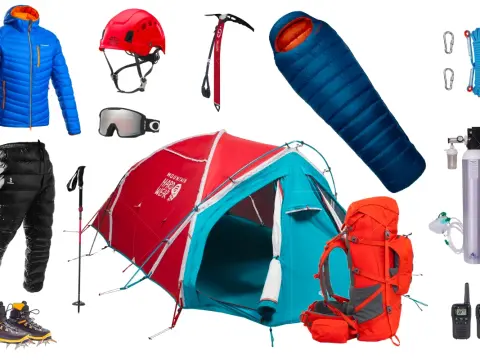
Himalayan Forever Treks understands that packing the right gear is crucial for a successful and enjo...



