Top 10 Trekking in Nepal
1 Jan 2023
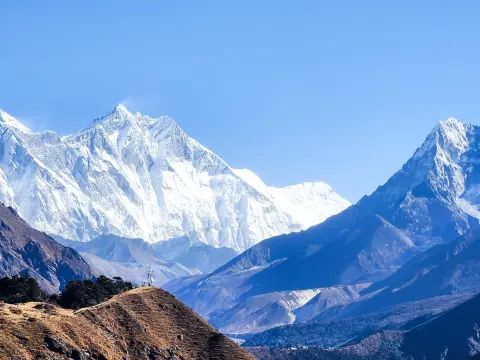
Nepal is a trekker's paradise, with its majestic mountain ranges, diverse landscapes, and rich cultu...

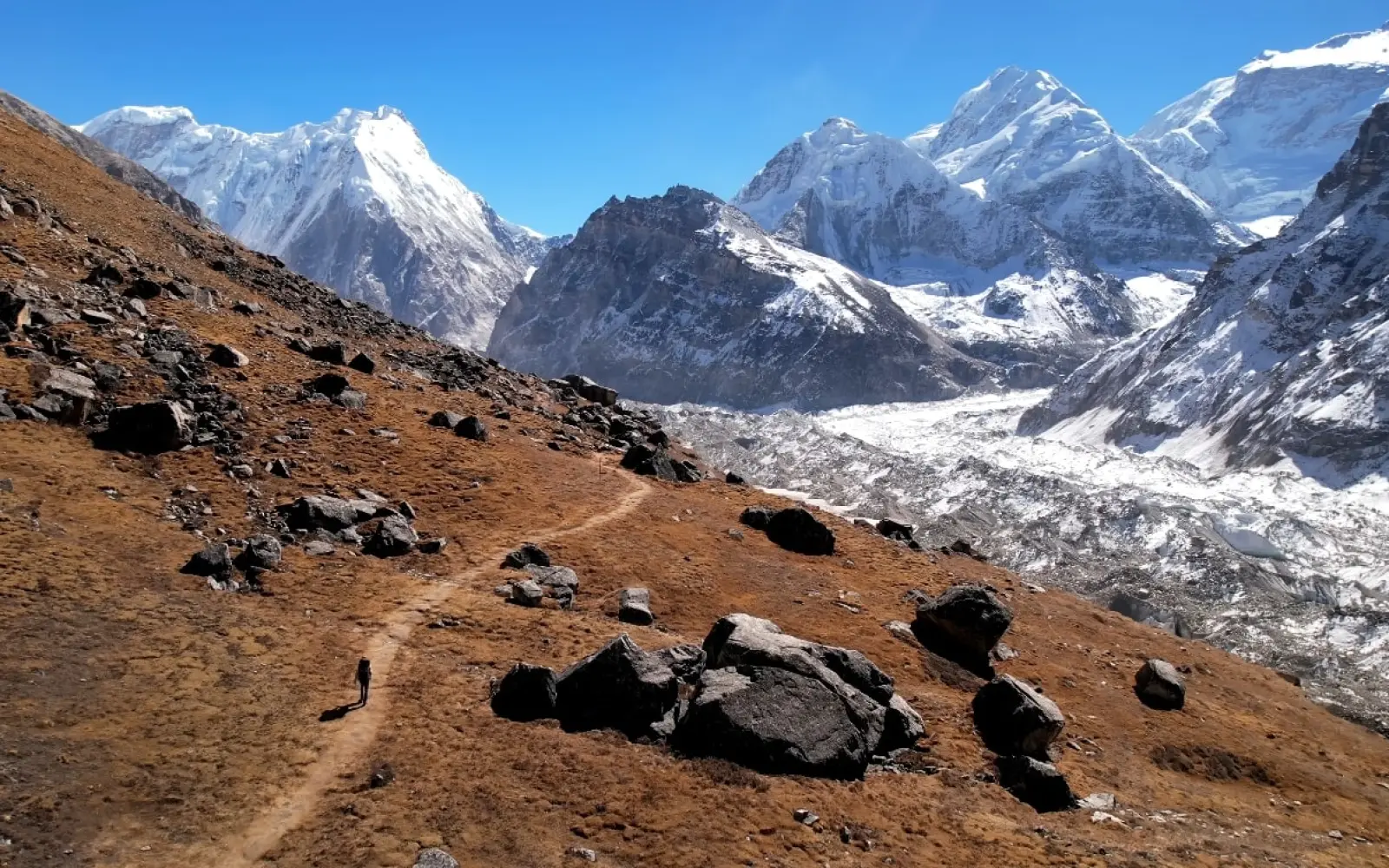
Last October, I stood alone at a mountain pass at 4,200 meters, watching the sunrise paint Ganesh Himal in shades of gold and crimson. Not another soul in sight. No queue for photos. No competing headlamps. Just me, the mountains, and a silence so profound I could hear my own heartbeat echoing in my ears.
Compare that to my first trek to Everest Base Camp three years earlier, where I'd waited 20 minutes just to take a photo at the iconic marker, surrounded by hundreds of other trekkers. Don't get me wrong—that trek was incredible. But there's something magical about discovering less-crowded trekking routes in Nepal that most travelers never experience.
Here's what surprises most people: while 150,000+ trekkers flock to Everest Base Camp and Annapurna Circuit each year, some of Nepal's most spectacular trails see fewer than 500 visitors annually. We're talking about routes with equally stunning mountain views, richer cultural experiences, and a fraction of the crowds. The kind of places where villagers still look genuinely surprised to see foreigners, where teahouse owners remember your name, and where you can trek for hours without seeing another backpack.
I've spent the last seven years guiding treks across Nepal, and I'm constantly amazed by how many breathtaking trails remain relatively unknown. These aren't just "alternative" routes—they're often better than their famous counterparts in terms of authentic cultural immersion and pristine natural beauty. The catch? They require a bit more planning, sometimes a special permit, and occasionally a willingness to rough it where facilities aren't quite as developed.
In this guide, I'll share seven hidden gem trekking routes that've stolen my heart over the years. These are trails where you can still feel like an explorer rather than a tourist, where the mountains reveal themselves slowly instead of being Instagram-filtered into oblivion. Whether you're a first-time trekker looking to avoid crowds or a veteran seeking your next undiscovered adventure, these less-crowded routes in Nepal offer something the popular trails simply can't—that rare combination of solitude and spectacular scenery that makes mountain trekking truly transformative.
In this comprehensive guide to Nepal's hidden trekking gems, you'll learn:
Let's dive into these incredible hidden treasures that most trekkers never discover.
The first time I trekked Upper Dolpo, I felt like I'd stepped through a portal into medieval Tibet. This remote region in northwestern Nepal remains one of the least visited trekking areas in the country—and honestly, that's exactly what makes it extraordinary.
Upper Dolpo is what I call "Nepal's last secret." While Everest Base Camp sees roughly 50,000 trekkers annually, Upper Dolpo welcomes fewer than 600. The reason? It requires special permits, is genuinely remote, and demands serious commitment—most itineraries run 20-25 days. But here's what you get in return: ancient Tibetan Buddhist monasteries that feel frozen in time, Shey Phoksundo Lake with water so impossibly turquoise it looks photoshopped, and villages where barley farming and yak herding follow rhythms unchanged for centuries.
The trek crosses multiple passes above 5,000 meters, including Kang La (5,360m) where I once watched a snow leopard's tracks disappear into the distance—a reminder that this landscape belongs to wildlife, not tourists. The people here practice Bon Buddhism, a pre-Buddhist shamanic tradition mixed with Tibetan Buddhism. I'll never forget drinking butter tea with a village elder who'd never traveled more than three valleys from his birthplace but spoke about the mountains with a wisdom that would humble any philosopher.
Key Stats:
The terrain is harsh—think high-altitude desert with barren landscapes punctuated by surprising green valleys. Accommodations are basic homestays and camping, which means you'll need to come prepared with the right gear and realistic expectations. But if you're seeking that feeling of genuine exploration, where each day brings landscapes and encounters that feel utterly unprecedented, Upper Dolpo delivers in ways the crowded trails simply cannot.
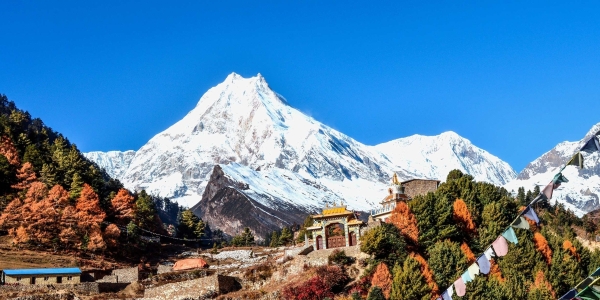
Tucked against the Tibetan border in the Manaslu region, Tsum Valley remained completely closed to outsiders until 2008. Even now, it sees about 2,000 trekkers per year compared to the main Manaslu Circuit's 6,000+. The locals call it "Beyul," which translates to "hidden valley" in Tibetan—and they're not kidding.
What makes Tsum Valley special isn't just the spectacular mountain scenery (though watching Ganesh Himal rise above ancient gompas is pretty spectacular). It's the living Buddhist culture that permeates every stone, every prayer flag, every interaction. The valley practices a form of Buddhism so devout that the entire region is essentially a beyul—a sacred sanctuary where animal slaughter is forbidden. I've guided this trek a dozen times, and I'm still moved every time we pass villagers completing their daily kora (circumambulation) around monasteries, prayer wheels spinning, mantras flowing naturally as breathing.
The trek follows the Shar Khola river through increasingly dramatic gorge scenery before opening into the U-shaped Tsum Valley itself. Villagers here speak their own dialect (Tsumba), distinct from standard Nepali, and maintain traditions that have largely disappeared elsewhere in the Himalayas. During one trek, we arrived during Lhosar (Tibetan New Year), and our group was swept into three days of ceremonies, butter sculpture competitions, and masked dances that felt like witnessing history unfold.
Key Stats:
The moderate difficulty makes this accessible for trekkers who aren't ready for Everest or Annapurna's extreme altitudes but want cultural depth and relative solitude. You can combine Tsum Valley with the Manaslu Circuit for an extended adventure, or trek it as a standalone loop. Either way, the ancient monasteries, mani walls that stretch for kilometers, and warm hospitality of the Tsumba people create an experience that sticks with you long after your boots are back in storage.
Here's a statistic that blows my mind: Makalu Base Camp receives roughly 300 trekkers per year. Three hundred. Meanwhile, Everest Base Camp hosts over 50,000. Yet Makalu(8,485m), the world's fifth-highest mountain, is arguably more dramatic than Everest when viewed from base camp—a perfect pyramid of rock and ice that dominates the skyline with almost aggressive beauty.
The Makalu Base Camp trek takes you through the Makalu-Barun National Park, which protects one of the world's most diverse ecosystems. In a single trek, you'll transition from subtropical forests where red pandas hide in rhododendron branches, through temperate zones thick with bamboo and orchids, into alpine terrain, and finally to the stark, glacial landscape surrounding base camp at 4,870 meters. The biodiversity here is staggering—the park contains 3,000+ species of flowering plants, 440 bird species, and 75 mammal species, including the elusive snow leopard.
But it's not just the wildlife. The physical journey itself feels more adventurous than the well-trodden Everest route. You'll cross multiple passes, including Shipton La (4,127m), traverse landslide-prone sections that keep you alert, and camp in locations where you're genuinely remote from any rescue infrastructure. This isn't a trek for first-timers or the unprepared. During one expedition, we were pinned down for three days by unseasonable October snowfall at Hillary Base Camp (named for Sir Edmund Hillary, who explored this area). But when the weather cleared andMakalu revealed itself—that perfect pyramid glowing in the morning sun—every uncomfortable moment evaporated.
Key Stats:
The logistics are genuinely challenging. Many sections require camping as teahouses are sparse. The trail was significantly damaged by the 2015 earthquake and subsequent monsoons, so some sections are genuinely rugged. You'll need to be comfortable with basic camping conditions and prepared for unpredictable weather. But for experienced trekkers seeking solitude in one of the Himalayas' most biodiverse and visually stunning corners, Makalu Base Camp delivers an experience that feels almost exploratory by modern trekking standards.
I accidentally discovered Ganesh Himal Trekfive years ago when bad weather forced us to cancel a Manaslu Circuit departure. Looking for an alternative, we found ourselves exploring what locals call the Ruby Valley—and I've been back eight times since.
Named after the elephant-headed Hindu deity Ganesh, the Ganesh Himal range rises dramatically north of Kathmandu but remains almost unknown to international trekkers. The Ruby Valley Trek, which explores the southern flanks of this range, sees maybe 500 trekkers annually despite being closer to Kathmandu than many popular routes. The area was only opened to tourism in 2012, which partly explains the lack of crowds, but the real reason it remains quiet is simple: nobody's heard of it.
What you find here is Nepal before mass tourism. Villages practicing traditional Tamang and Gurung cultures, terraced fields carved into impossible slopes, and mountain views that rival anything in the Annapurna or Everest regions.Ganesh I (7,422m) anchors the panorama, but the entire range—Ganesh II, III, and IV—creates a 100-kilometer wall of snowy peaks that glows pink during sunrise and sunset.
The community-based tourism model here means you'll stay in village homestays rather than commercial teahouses. My most memorable night was spent with a Gurung family in Gatlang village, where the grandmother taught our group traditional folk songs while we ate dal bhat around the kitchen fire. Her 12-year-old grandson translated—he was learning English from an app on his phone, preparing for the tourism opportunities he hoped would come. This combination of ancient culture and cautious modernization creates fascinating cultural dynamics you won't experience on more developed routes.
Key Stats:
The moderate difficulty and proximity to Kathmandu (just a day's drive to the trailhead) make this accessible for trekkers who want to experience Nepal's authentic village culture without committing to a month-long expedition. The Ruby Valley name comes from the region's geology—semi-precious stones including garnets are found here—but the real gems are the people who welcome you into their homes with a warmth that commercial teahouses can't replicate.
When Sir Edmund Hillary was asked about his favorite Himalayan viewpoint, he reportedly said it was Pikey Peak—notEverest Base Camp, not Kala Patthar, but this relatively unknown summit in the lower Solu region. After standing on Pikey Peak at sunrise and watching the entire eastern Himalayan chain illuminate—from Kanchenjunga to Everest to Makalu to Numbur—I understand exactly what he meant.
The Pikey Peak Trek offers something remarkably rare: spectacular 360-degree mountain panoramas at a manageable altitude (4,065m at the summit). You'll see eight of the world's fourteen 8,000-meter peaks from this vantage point, yet the trek sees fewer than 1,000 visitors annually. Compare that to Poon Hill, which offers similar (though inferior) views and welcomes 30,000+ trekkers each year.
The route passes through authentic Sherpa villages largely untouched by trekking tourism. In places like Junbesi and Thupten Choling, you'll find working monasteries where monks still outnumber tourists, traditional stone houses with carved wooden windows, and agricultural rhythms that follow the seasons rather than trekking calendars. The rhododendron forests here are magnificent—during April treks, we walk through tunnels of red, pink, and white blooms that rival anything in the Annapurna region.
Key Stats:
What makes Pikey Peak particularly special for those concerned about crowds is its flexibility. You can approach from either Jiri (the classic route) or Phaplu (shorter itinerary), combine it with visits to Thupten Choling Monastery, or even extend to nearby Numbur Cheese Circuit for additional cultural immersion. The lower altitude also means it's accessible to trekkers who might struggle with the extreme heights of Everest or Annapurna base camps.
I've guided families with teenagers on Pikey Peak who weren't ready for the commitment of longer treks but wanted authentic Sherpa culture and genuine mountain views. It works perfectly as an introduction to Nepal trekking or as a quieter alternative for veterans tired of crowded trails.
Kanchenjunga (8,586m) is the world's third-highest mountain, yet the Kanchenjunga Base Camp Trek in far eastern Nepal receives fewer than 800 visitors annually. To put that in perspective, that's about how many people trek toEverest Base Camp in a single week during peak season.
The remoteness of Kanchenjunga—it's a two-day drive from Kathmandu just to reach the trailhead—keeps crowds away. But that journey through rural Nepal, watching the landscape transform from subtropical valleys to high Himalayan terrain, becomes part of the adventure. The trek itself typically takes 20-25 days and can include both the north base camp (Pang Pema) and south base camp (Oktang), though many trekkers choose just one side to reduce the commitment.
What struck me most about Kanchenjunga wasn't just the massive scale of the mountain—though watching 3,000 vertical meters of its southwest face glow at sunrise was pretty overwhelming. It was the pristine condition of the trail, forests, and villages. This is what the Everest region probably looked like fifty years ago, before mass tourism. The Kanchenjunga Conservation Area protects 2,035 square kilometers of incredible biodiversity, from subtropical forests to glacial zones, and the relatively low visitor numbers mean wildlife sightings are common. Red pandas, musk deer, Himalayan black bears, and over 250 bird species inhabit these valleys.
Key Stats:
The cultural experience here differs from other regions. Many villages are inhabited by Limbu, Rai, and Sherpa communities whose traditions blend Buddhism, Hinduism, and indigenous beliefs. The Limbu people, in particular, maintain fascinating cultural practices including tungba (millet beer served in wooden vessels) ceremonies and distinctive architectural styles. During one trek, a Limbu family invited us for a tungba celebration marking a daughter's wedding—the entire village gathered, and we spent an evening learning traditional dances and attempting (mostly unsuccessfully) to keep pace with the locals' drinking stamina.
Not ready for Upper Dolpo's extreme remoteness and duration but still want to experience the region's otherworldly landscapes? Lower Dolpo offers a more accessible entry point into this fascinating area, though it remains far less crowded than popular trekking routes.
Lower Dolpo takes you to Shey Phoksundo Lake—that impossibly turquoise body of water that became famous after the movie "Caravan" featured its stunning beauty. At 3,611 meters deep and surrounded by barren cliffs and snow-capped peaks, Phoksundo is Nepal's deepest lake and arguably its most photogenic. But Lower Dolpo isn't just about the lake. The trek passes through villages where Bon Buddhism remains practiced, crosses Numa La Pass (5,190m) for spectacular mountain panoramas, and traverses landscapes that feel more Tibetan than Nepali.
The duration—typically 15-18 days—makes Lower Dolpo more manageable for trekkers without month-long vacation allowances. The route also has slightly better infrastructure than Upper Dolpo, with more teahouses and lodges available, though conditions remain basic by Annapurna or Everest standards. You'll still need to be comfortable with squat toilets, cold-water washing, and menu options limited to rice, dal, and noodle variations.
Key Stats:
I often recommend Lower Dolpo to experienced trekkers who want to test their readiness for even more remote areas. It offers genuine adventure and cultural immersion without requiring the month-long commitment or extensive camping logistics of its northern neighbor. The landscapes alone—all those barren, eroded cliffs in shades of red, brown, and ochre against impossibly blue skies—create one of Nepal's most photogenic trekking experiences.
Let's talk honestly about why most trekkers stick to Everest Base Camp and Annapurna Circuit despite these incredible alternatives. It's not because they don't know better—though awareness is certainly part of it. The main barriers are logistics, permit requirements, and the commitment these routes demand.
Take Upper Dolpo as an example. The restricted area permit alone represents a significant investment for the first 10 days, with additional per-day fees beyond that. Add camping equipment, guides, porters, food supplies (most needs to be carried in), and flights to remote airstrips, and you understand why this trek attracts primarily serious mountain enthusiasts with both time and resources.
Similarly, Makalu Base Camp requires extensive camping as teahouse infrastructure is minimal. This means hiring a larger support crew, carrying more equipment, and planning for longer durations—all of which increase organizational complexity. According to Nepal Tourism Board statistics from 2023, the average trekker in Nepal spends about two weeks on their journey. Remote routes typically require three weeks or more.
But here's the thing: these barriers actually protect these areas. When we guide Upper Dolpo or Kanchenjunga, we're careful to practice "leave no trace" principles, employ local guides and porters, and camp in designated areas. The limited number of visitors means fragile high-altitude ecosystems aren't being degraded by toilet paper, garbage, and campfire scars that plague more popular routes.
The relatively higher barriers to entry also allow for more sustainable tourism models where communities benefit directly without being overwhelmed by visitor numbers that strain local resources. In Tsum Valley, for instance, the restricted area permit system ensures tourism revenue flows into valley communities while limiting visitor numbers to levels that don't disrupt traditional ways of life.
Why Limited Crowds Enhance Your Experience:
When I guide groups on these hidden gem routes, the experience differs fundamentally from popular trails:
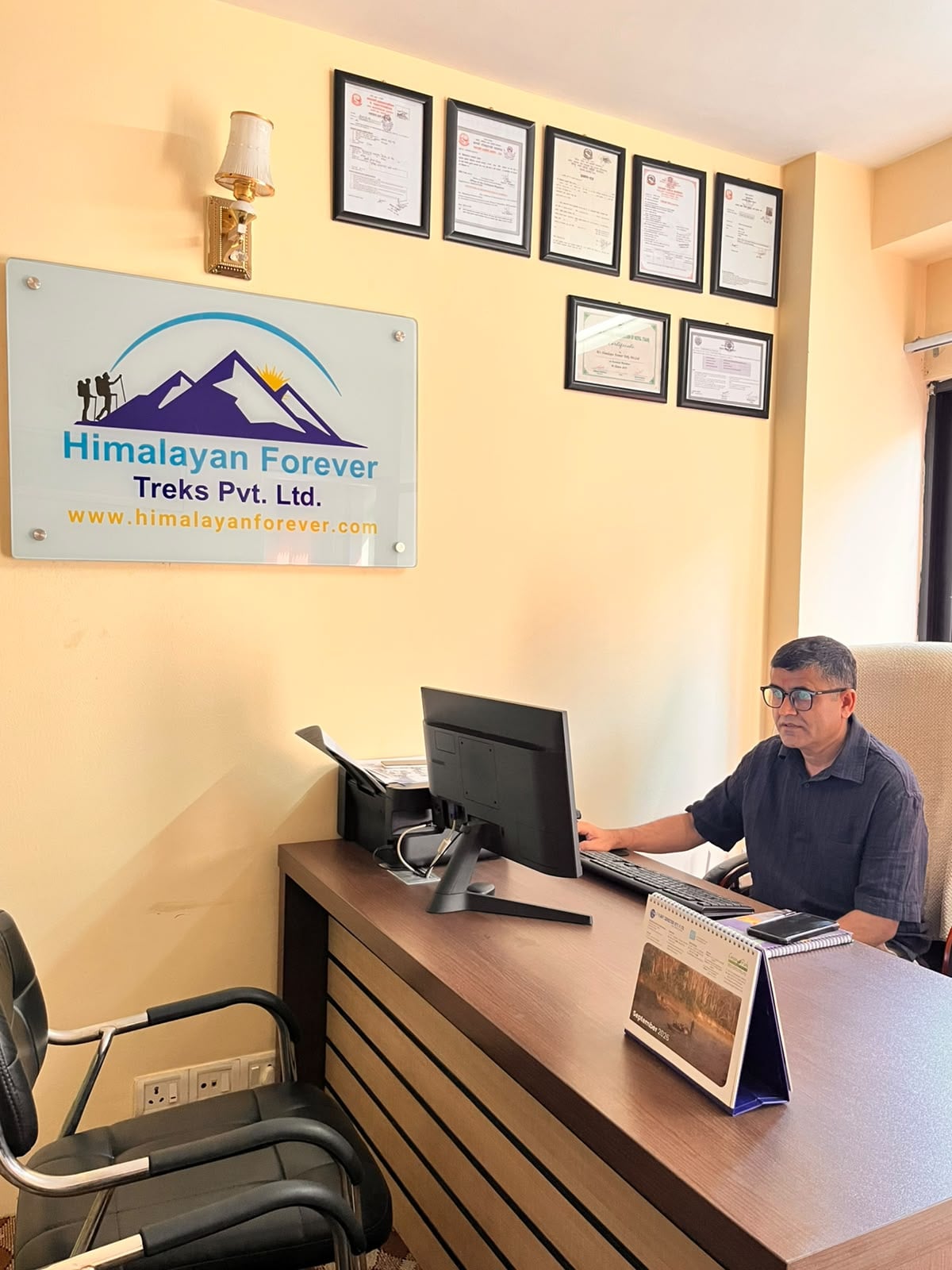
During trek planning consultations at Himalayan Forever Treks, I've noticed a pattern. When I ask people what they know about Nepal trekking, 95% mention Everest or Annapurna. Maybe 20% have heard of Langtang. Less than 5% know about Tsum Valley, Makalu, or Ganesh Himal.
This awareness gap exists for understandable reasons. Marketing budgets flow toward established routes where tour operators can fill departures and amortize costs. Guidebooks dedicate 200 pages to Everest region treks and maybe 10 pages to remote areas. Instagram influencers flock to places with hashtag recognition—#EverestBaseCamp has 1.2 million posts while #TsumValley has barely 8,000.
But this is changing, slowly. As popular routes become overcrowded—some Everest Base Camp teahouses now require advance bookings even in shoulder season—experienced trekkers are actively seeking alternatives. Online forums buzz with reports from people who've discovered these hidden gems. Travel writers are beginning to cover lesser-known areas more extensively. According to our booking data at Himalayan Forever Treks, inquiries about off-the-beaten-path treks have increased 40% in the past two years.
The challenge now is managing this growth responsibly. We don't want these areas to become the next overcrowded destination. That's why sustainable tourism practices—limiting group sizes, using local guides, respecting cultural norms, minimizing environmental impact—become crucial as awareness grows. At Himalayan Forever Treks, we're committed to developing these routes in ways that benefit local communities while preserving the authentic, uncrowded character that makes them special.
There's another reason these routes remain quiet: they're genuinely harder than the famous trails. Not always in terms of altitude (though some like Makalu definitely are), but in terms of logistics, duration, and comfort.
On the Everest Base Camp trek, you're never more than a few hours from the next village with wifi, hot showers, and multiple menu options. If you get sick, helicopter evacuation is relatively straightforward. If you forgot something, you can buy it (at inflated prices) in Namche Bazaar.
On Upper Dolpo or Makalu Base Camp, you might not see another trekker for days. If you forgot your water purification tablets, you're managing with what you brought for the next week. If weather closes in, you're stuck—helicopters can't fly into these remote areas in poor conditions. The level of self-sufficiency and mental preparation required is significantly higher.
I remember guiding a group on the Makalu trek when we encountered a river crossing where the bridge had washed out two days earlier. The alternative route added a full day to our itinerary and required scrambling over unstable terrain. One couple in the group struggled mentally with this unpredictability—they'd expected "Everest difficulty" which, despite the altitude, is actually quite predictable and well-supported. This experience taught me that remote treks require not just physical fitness but psychological flexibility and genuine comfort with uncertainty.
The Manaslu Circuit offers an excellent middle ground—more challenging and remote than Annapurna, but with better infrastructure than the truly isolated areas. It's become increasingly popular as trekkers discover this sweet spot between accessibility and adventure.
Let me be straight with you. If this is your first trek in Nepal, Upper Dolpo is not where you start. Neither is Makalu. These routes demand experience, fitness, and comfort with genuine wilderness conditions.
However, that doesn't mean you're stuck with the crowded trails. Two of our hidden gems—Ganesh Himal (Ruby Valley) and Pikey Peak—are absolutely suitable for first-timers who have reasonable fitness and proper guidance.
Ganesh Himal Trek works for beginners because the maximum altitude is manageable (4,200m at Pangsang Pass), the daily distances are reasonable (4-6 hours of walking), and the homestay network provides cultural immersion without the isolation. You're never far from villages, which means help is available if needed. The community tourism model also means locals are invested in ensuring positive experiences for visitors.
I guided a honeymoon couple last spring on Ganesh Himal—it was her first trek ever. She trained for three months beforehand (smart), invested in good boots (critical), and approached each day with realistic expectations. By the time we reached Pangsang Pass and she saw the full Ganesh Himal panorama, she was crying with joy. "This is better than our wedding day," she told me. (Her husband laughed but didn't disagree.)
Pikey Peak Trek is another excellent starter option. At 4,065m, it's lower than most major Himalayan treks but offers stunning panoramas including Everest, Makalu, Kanchenjunga, and more. The trail passes through Sherpa villages with comfortable lodges, yet sees a fraction of the Everest region's crowds. Sir Edmund Hillary allegedly said Pikey Peak offered the best Himalayan panorama—high praise from someone who knew the region intimately.
What makes a trek suitable for beginners?
If you're looking for something even more accessible as a first trek, the Ghorepani Poon Hill offers spectacular mountain views at lower altitudes, though it's considerably more crowded. For those wanting moderate difficulty with great cultural experiences, the Tamang Heritage Trail provides excellent preparation for more challenging hidden gem routes.
If you've successfully completed Annapurna Base Camp or Everest Base Camp and want to level up while avoiding crowds, Tsum Valley represents the perfect progression.
Tsum Valley combines moderate physical challenge with significant cultural rewards. The highest point (Mu Gompa at 3,700m) is actually lower than Annapurna Base Camp (4,130m), but the daily ups and downs provide solid workouts. The restricted area permit keeps numbers manageable, and the cultural immersion is unparalleled. This trek taught me that "easy" and "rewarding" aren't mutually exclusive—you don't need to suffer at 5,000+ meters to have a transformative mountain experience.
The valley's relative isolation has preserved Tibetan Buddhist culture to a remarkable degree. Every village has its gompa (monastery), and many families send at least one child to become a monk or nun. You'll see elaborate mani walls inscribed with millions of mantras, prayer flags strung across passes and river crossings, and butter lamps burning in monastery altars. The spiritual atmosphere is palpable, especially if you're fortunate enough to witness a puja (prayer ceremony) or festival.
During one Tsum Valley trek, we arrived in Chhokang Paro village to find a three-day Lama dance ceremony underway. The entire valley—maybe 500 people total—gathered for elaborate masked dances depicting Buddhist stories, communal feasts, and rituals I barely understood but found profoundly moving. Our group wasn't spectators; we were participants, roped into helping prepare food, attempting traditional dances, and sharing countless cups of butter tea. These spontaneous cultural encounters happen because visitor numbers remain low enough that foreigners are still welcomed novelties, not daily annoyances.
Intermediate trek characteristics:
The 10 days Manaslu Circuit Trek offers another excellent intermediate option for those with limited time, condensing the Manaslu experience into a shorter timeframe while still providing that off-the-beaten-path feeling.
You've trekked extensively. You've dealt with altitude, bad weather, equipment failures, and upset stomachs. You're ready for the big leagues—the treks that fewer than 1% of Nepal visitors attempt.
Upper Dolpo is Nepal's ultimate trekking challenge in terms of remoteness. You'll spend 20+ days crossing multiple passes above 5,000m, camping in landscapes so barren they resemble Mars, and navigating regions where you're genuinely on your own if things go wrong. The physical challenge is significant but manageable if you're properly acclimatized. The mental challenge—dealing with isolation, basic conditions, and unpredictability—separates those ready for this experience from those who should wait.
The landscape in Upper Dolpo is unlike anywhere else in Nepal. High-altitude desert dominates, with eroded cliffs in shades of red, ochre, and gray stretching endlessly. Vegetation is sparse—tough grasses and occasional juniper bushes at lower elevations, nothing but rock and ice higher up. The villages feel impossibly remote, their whitewashed stone houses and barley fields representing human resilience in one of Earth's harshest environments.
I'll never forget crossing Neng La Pass (5,368m) during one Upper Dolpo trek, looking back at the trail we'd climbed and forward to the valley we'd descend, and realizing we hadn't seen another trekking group in five days. That solitude—combined with the physical challenge, cultural encounters, and surreal landscapes—creates an experience that stays with you for life.
Makalu Base Camp combines physical difficulty with environmental grandeur. The trek through Makalu-Barun National Park is spectacularly beautiful but logistically complex. Camping is required for much of the route, trail conditions can be rough, and weather is notoriously unpredictable. But the reward—standing at the base of the world's fifth-highest mountain with perhaps five other people in sight—justifies every difficult moment.
Kanchenjunga Base Camp Trek takes you to the base of the world's third-highest mountain (8,586m) in far eastern Nepal. The north and south base camps can be combined into a 20-25 day adventure through pristine wilderness where you'll encounter more red pandas than tourists. Annual visitor numbers hover around 800, making it one of Nepal's least
Continue
2:39 PM
-visited major trekking destinations.
These advanced treks require:
For those building toward these extreme adventures, the Everest Three Passes Trek provides excellent preparation, combining high-altitude passes with the security of Everest region infrastructure.
Nepal's trekking permit system can feel unnecessarily complicated—because it is. But understanding it is crucial for remote treks where showing up without proper documentation can end your trip before it starts.
Open vs. Restricted Areas:
Open areas (like Ganesh Himal, Pikey Peak, Makalu) require only:
Restricted areas (like Tsum Valley, Upper Dolpo, Lower Dolpo, Kanchenjunga) require:
The permit fees vary dramatically. Upper Dolpo requires substantial permits for the first 10 days with additional daily fees beyond that. Tsum Valley permits are more moderate but still require restricted area documentation. Kanchenjunga falls somewhere in between.
Himalayan Forever Treks handles all permit arrangements as part of our service, navigating the bureaucracy so you don't have to stand in line at government offices. We also ensure permits are obtained properly—I've encountered trekkers on remote routes with improperly processed permits who faced significant problems at checkpoints.
Important Permit Considerations:
Timing is everything in the Himalayas. Choose wrong, and you'll encounter monsoon rains, blocked trails, closed lodges, or dangerous conditions. Choose right, and you'll experience these hidden gems at their absolute best.
Spring Season (March-May):
Monsoon Season (June-August):
Autumn Season (September-November):
Winter Season (December-February):
I've personally trekked Upper Dolpo in July (monsoon season) when the Annapurna region was getting hammered by rain, and we had sunshine 90% of the time. Meanwhile, I've also attempted Makalu Base Camp in early March and retreated due to excessive snow at high camps. Seasonal timing, combined with current weather patterns, makes a huge difference.
For those interested in maximum flexibility across seasons, shorter treks like Mardi Himal or Annapurna Base Camp Short Trek work nearly year-round due to moderate altitudes and well-developed infrastructure, though they're considerably more crowded than our hidden gems.
Packing for remote treks differs from popular route packing lists in one crucial way: you can't buy what you forgot. Namche Bazaar has gear shops. Upper Dolpo doesn't. Here's what I actually carry on remote treks versus what I'd skip on more developed routes:
Critical Items for Remote Treks:
Water and Purification:
Medical and Safety:
Technical Equipment:
Clothing Strategy:
Miscellaneous Essentials:
Common Mistakes I See:
The golden rule: if you'd be in serious trouble without it, bring a backup. If it's just nice to have, leave it behind. Remote trekking is about managing risk through preparation, and your packing list is the first line of defense.
I get asked this question constantly, and my answer is nuanced. Nepal is generally safe for female travelers, including on trekking routes. However, remote treks present different considerations than popular routes.
On crowded trails like Everest Base Camp or Annapurna Circuit, solo female trekkers are common and generally face minimal issues beyond normal trekking challenges. The sheer number of other trekkers provides inherent safety through visibility and community.
On hidden gem routes, you'll encounter far fewer people. This isolation cuts both ways—less crowd stress but also less immediate help if needed. However, I'd argue that these remote areas are often SAFER in terms of crime because:
That said, basic precautions apply everywhere:
I've guided dozens of solo female trekkers on routes from Tsum Valley to Upper Dolpo, and the overwhelming majority report feeling safe and respected throughout their journeys. The real dangers in remote trekking are environmental—altitude, weather, terrain—not human threats.
Physical preparation is crucial for remote treks where you can't simply helicopter out if you're struggling. Here's the training approach I recommend based on 15+ years guiding:
Cardiovascular Base Building (3-4 months before trek):
Strength Training (2-3 months before trek):
Trek-Specific Training (1-2 months before departure):
Mental Preparation:
The most important thing? Start training early. I can tell within the first day who trained seriously and who assumed "I'll be fine." The former enjoy the trek. The latter suffer through it.
Unfortunately, there's no way to train for altitude at sea level. The best altitude preparation is previous high-altitude experience. If you lack this, choose routes with proper acclimatization schedules (which Himalayan Forever Treks always provides) and consider medications like Diamox after consulting your doctor.
This is a legitimate concern and one we take seriously. Remote treks by definition put you farther from immediate medical care. Here's how we manage risk:
Prevention (Primary Strategy):
Response (If Issues Arise):
Evacuation Logistics:
Real Talk: Medical emergencies on remote treks are rare but possible. I've coordinated three helicopter evacuations in 15 years of guiding—one severe altitude sickness case (full recovery), one broken ankle from a slip (full recovery), and one appendicitis (caught early, full recovery). In all cases, our preparation and quick response made the difference.
This is why we require comprehensive travel insurance that covers high-altitude trekking and helicopter evacuation. The alternative—paying out of pocket for a helicopter rescue—can easily exceed $5,000-10,000.
Depends on the trek. Let me be specific:
Yes, with proper preparation:
These routes have moderate altitude, established infrastructure, and manageable daily distances. With proper training and realistic expectations, first-time Himalayan trekkers handle them successfully.
Maybe, if you're very fit and have trekking experience elsewhere:
These require better fitness, comfort with basic conditions, and mental flexibility. Previous multi-day trekking (even at lower altitudes) helps prepare you mentally for the challenges.
No, build experience first:
These demand previous high-altitude experience, excellent fitness, and comfort with genuine wilderness conditions. Attempting them as your first Himalayan trek is setting yourself up for disappointment or worse.
Recommended Progression:
This progression builds skills, confidence, and altitude experience systematically. Rushing into extreme remote treks without proper experience ruins the experience for you and creates rescue risks for guides and porters.
Great question with complex answers. "Difficulty" encompasses multiple factors:
Altitude:
Daily Distance/Elevation Gain:
Trail Conditions:
Infrastructure:
Isolation:
Support System:
The physical challenge of walking may not be dramatically different, but the overall experience demands more mental toughness, flexibility, and self-sufficiency. If you thrive on routine and predictability, stick to popular routes. If uncertainty excites you, hidden gems offer that explorer feeling.
Short answer: No, not reliably.
Longer answer: Cell coverage in Nepal has expanded significantly, but remote trekking areas remain largely disconnected. Here's what to expect:
Ganesh Himal/Ruby Valley:
Tsum Valley:
Upper/Lower Dolpo:
Makalu/Kanchenjunga:
My recommendation: Embrace the disconnect. These treks offer rare opportunities to completely unplug from digital life. Inform family/friends before departing that you'll be unreachable. Set expectations that they won't hear from you for 2-3 weeks.
For emergencies, Himalayan Forever Treks guides carry satellite phones or emergency communication devices on remote treks. You can send brief emergency messages if absolutely necessary, but regular updates aren't feasible or advisable (battery conservation matters).
Many trekkers report that the forced digital detox becomes one of their favorite aspects of remote trekking. Without constant connectivity, you're more present, more observant, and more connected to your physical surroundings and travel companions.
Both questions reflect legitimate concerns about the future of remote trekking in Nepal.
Permit costs: Yes, Nepal occasionally adjusts permit fees. Restricted area permits have increased over the past decade, though changes are gradual rather than sudden. The Nepal government balances tourism revenue against conservation and crowd management goals. Generally, areas at risk of over-tourism see bigger fee increases (like Manaslu in recent years), while truly remote areas like Upper Dolpo remain stable.
Crowd projections: This varies dramatically by area:
Likely to remain quiet:
Slowly increasing:
May get crowded eventually:
The good news? Even as these areas become more popular, they'll likely never approach Everest or Annapurna crowd levels. The inherent challenges—permit requirements, duration, remoteness, lack of infrastructure—create natural barriers that prevent mass tourism.
At Himalayan Forever Treks, we're committed to responsible tourism growth. This means:
If you're interested in experiencing these areas while they remain genuinely quiet, now is the time. But if you wait 5-10 years, they'll still offer far more solitude than today's popular routes.
If these seven treks have sparked your interest in Nepal's lesser-known routes, you'll find even more options that combine spectacular scenery with relative solitude. At Himalayan Forever Treks, we specialize in both classic routes and off-the-beaten-path adventures tailored to your interests and abilities.
For those drawn to the rich Buddhist and Tibetan cultural experiences in Tsum Valley, consider the Tamang Heritage Trail Trek. This route near Langtang explores Tamang villages with similar homestay-based tourism and authentic cultural encounters, plus it's accessible for trekkers with limited time (11 days typically).
The Langtang Valley and Gosainkunda Trek combines scenic mountain valleys with the sacred alpine lake of Gosainkunda, important to both Buddhist and Hindu pilgrims. You'll experience authentic Tamang and Sherpa cultures while trekking through landscapes recovering beautifully from the 2015 earthquake.
For those wanting to combine cultural depth with extended Manaslu region exploration, the Tsum Valley and Manaslu Circuit Trek offers 22 days of spectacular mountain scenery, cultural immersion, and the challenge of crossing Larkya La pass at 5,160 meters.
Time constrained but still want to escape the crowds? The Mardi Himal Trek typically takes just 12 days but offers spectacular Annapurna panoramas from high camps with far fewer trekkers than ABC or Poon Hill. The Mardi Himal Short Trek 5 Days condenses the experience further for those with very limited time.
The Annapurna Base Camp Short Trek (8 days) streamlines the ABC experience by driving further into the region and taking the most direct routes, saving time without sacrificing the core experience. While ABC itself isn't uncrowded, starting later in the season or choosing shoulder-season departures reduces the masses significantly.
For experienced trekkers ready to commit serious time to remote exploration, several extended routes rival Upper Dolpo for solitude and adventure:
The Kanchenjunga Base Camp Trek takes 24 days to explore both north and south base camps of the world's third-highest mountain in far eastern Nepal. The biodiversity, cultural encounters, and sheer remoteness create one of Nepal's most rewarding long-distance treks.
The Makalu Base Camp Trek (21 days) journeys through one of Nepal's most ecologically diverse national parks to the base of the perfect pyramid of Makalu. This trek demands serious fitness and comfort with basic camping conditions but rewards with spectacular scenery and almost guaranteed solitude.
Even popular areas have less-crowded alternatives. The Gokyo with Everest Base Camp via Cho-La Pass Trek (18 days) combines Everest region highlights while crossing the challenging Cho La pass, avoiding the crowds on the standard EBC route. The stunning turquoise Gokyo Lakes and the climb to Gokyo Ri (5,357m) provide perspectives on Everest and surrounding peaks that many EBC trekkers never see.
The Everest Three Passes Trek (21 days) represents the ultimate Everest region challenge, crossing Kongma La, Cho La, and Renjo La passes above 5,300m. This route sees a fraction of the traffic of the standard EBC trail while offering more comprehensive exploration of the Khumbu region.
For a completely different approach to the Annapurna region, the 10 Days Annapurna Circuit Trek takes the classic route but moves quickly, appealing to fit trekkers who want the full circuit experience without three weeks away from home.
Not everyone wants to rough it in remote regions. Himalayan Forever Treks also offers comfort-focused treks that maintain quality accommodation standards while exploring beautiful areas:
The Everest Base Camp Comfort Trek uses the best available lodges throughout the Khumbu, with upgraded rooms, better food, and more comfortable arrangements than standard packages.
The Annapurna Base Camp Luxury Trek similarly upgrades the ABC experience with premium lodges where available and enhanced services throughout.
For those wanting mountain views without extended trekking, our helicopter tour options provide spectacular aerial perspectives: Everest Base Camp Helicopter Tour, Annapurna Base Camp Helicopter Tour, and Langtang Valley & Gosainkunda Helicopter Tour offer same-day adventures perfect for time-limited visitors.
Nepal offers incredible experiences beyond multi-day trekking. Our cultural tour options include the UNESCO World Heritage sites of Kathmandu Valley, the peaceful lakeside city of Pokhara, wildlife safaris in Chitwan National Park, and spiritual journeys to Lumbini (Buddha's birthplace).
For those ready to progress from trekking to mountaineering, we offer climbing expeditions on Nepal's accessible peaks: Island Peak (6,189m), Mera Peak (6,476m), Lobuche East (6,119m), and Pisang Peak (6,091m). These "trekking peaks" require technical skills but remain accessible to fit trekkers with proper training and support.
Standing at Pangsang Pass on the Ganesh Himal trek last autumn, I watched our group of eight trekkers spread out along the ridge, each finding their own space to absorb the panorama. Prayer flags snapped in the wind. The Ganesh Himal range glowed in the afternoon light. And in that moment, I was reminded why these hidden gem treks matter.
It's not just about avoiding crowds, though that solitude is precious. It's about experiencing Nepal as it was before mass tourism, when every foreign visitor was a novelty rather than a daily occurrence. It's about villages where tourism provides opportunity without overwhelming traditional ways of life. It's about trails where your footsteps feel lighter because you're treading gently on landscapes that remain largely pristine.
The seven less-crowded trekking routes in Nepal we've explored—Upper Dolpo, Tsum Valley, Makalu Base Camp, Ganesh Himal, Pikey Peak, Kanchenjunga Base Camp, and Lower Dolpo—represent just a fraction of the spectacular alternatives to overcrowded trails. Each offers unique combinations of natural beauty, cultural richness, physical challenge, and that increasingly rare commodity in modern travel: genuine discovery.
Yes, these routes demand more from you. More planning. More flexibility. More physical and mental toughness. Sometimes significantly more investment of time and resources. But what you receive in return—the memories of sunrise over Shey Phoksundo Lake, the warmth of homestay hospitality in Tsum Valley villages, the satisfaction of standing at Makalu Base Camp with only your trekking group for company—these experiences stay with you forever.
The mountains are calling, and they're offering you a choice. You can follow the well-worn path where thousands have gone before, or you can venture onto trails where your journey feels more like exploration than tourism. Both options have merit. The crowded routes are popular for good reasons—they're spectacular, accessible, and well-supported.
But if you're reading this guide, I suspect you're drawn to something different. You want that feeling of discovering something special, of experiencing landscapes and cultures before everyone else finds them. You want to return home with stories that begin with "We were the only people there..." rather than "We waited in line to..."
At Himalayan Forever Treks, we've built our reputation on exactly these kinds of adventures. Our experienced guides know these hidden gem routes intimately—not just the trails themselves, but the communities, the cultures, and the countless small details that transform a trek from a physical challenge into a transformative journey. We handle the complex logistics, permit arrangements, and safety planning so you can focus on the experience itself.
Whether you're ready to tackle the extreme remoteness of Upper Dolpo, seeking the cultural immersion of Tsum Valley, or looking for your first Himalayan adventure on Pikey Peak or Ganesh Himal, we're here to make it happen. Every trek we organize prioritizes sustainable tourism, community benefits, and environmental protection—ensuring these hidden gems remain special for future generations.
Your next great adventure is waiting somewhere in Nepal's lesser-known valleys and passes. The only question is: which hidden gem will you discover first?
Contact Himalayan Forever Treks today to begin planning your journey into Nepal's most spectacular and least-crowded trekking destinations. The mountains are calling. Will you answer?
Rajesh Ghimire has been guiding treks throughout Nepal for over 15 years, specializing in off-the-beaten-path routes that showcase the Himalayas' hidden treasures. Originally from Kathmandu, Rajesh developed his passion for remote trekking while completing his mountaineering certification with the Nepal Mountaineering Association. He's successfully guided over 500 treks ranging from classic routes like Everest Base Camp to extreme adventures in Upper Dolpo and Kanchenjunga.
At Himalayan Forever Treks, Rajesh serves as senior trek coordinator, designing itineraries that balance adventure with safety, cultural immersion with comfort, and exploration with environmental responsibility. His deep relationships with communities throughout Nepal's trekking regions ensure that Himalayan Forever clients experience authentic hospitality while supporting local economies.
When not in the mountains, Rajesh can be found at Himalayan Forever Treks' Kathmandu office, helping adventurers plan their perfect Himalayan journey. His philosophy? "The best trek isn't necessarily the most famous one—it's the one that matches your dreams, abilities, and desire for genuine connection with Nepal's mountains and people."
Ready to explore Nepal's hidden gems?Contact Himalayan Forever Treks to start planning your adventure, or browse our complete trek offerings to find your perfect mountain experience.
Nepal is a trekker's paradise, with its majestic mountain ranges, diverse landscapes, and rich cultu...
Nepal is a trekker's paradise, known for its majestic mountain ranges and diverse landscapes. Howeve...

Nepal, nestled in the lap of the Himalayas, is a paradise for trekkers and adventure enthusiasts. Wi...
Nepal is renowned for its majestic Himalayan range, offering some of the world's most iconic trekkin...
Nepal, a land of soaring peaks and ancient traditions, offers more than just the well-known tourist...
Nepal, often referred to as the "Roof of the World," is a small yet diverse country nestled in the H...
Nepal, a land of breathtaking landscapes, ancient heritage, and vibrant culture, is home to some of...
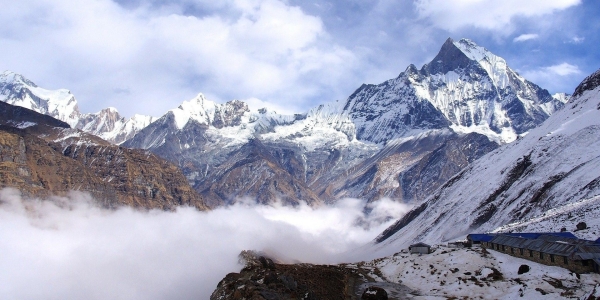
Nepal, a small yet immensely rich tapestry of culture, tradition and natural beauty, is a country th...
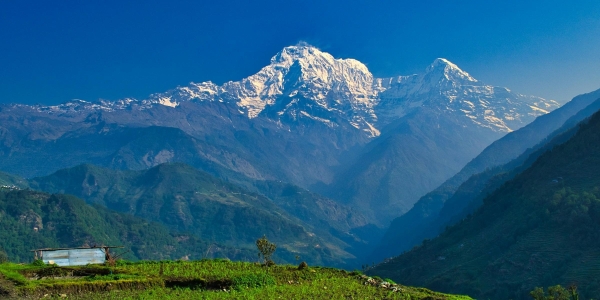
Nepal, a landlocked country in the south Asia, nestled in the Lap of the Himalayas, is renowned for...
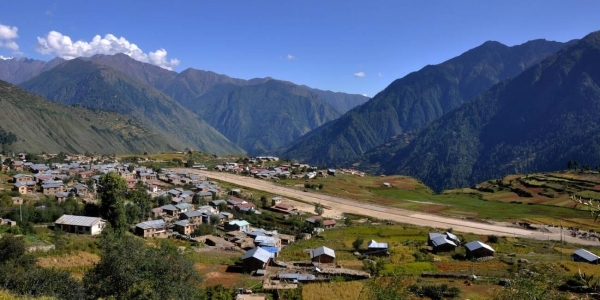
Nepal, renowned for its majestic peaks and trekking adventures, offers a plethora of trails that cat...
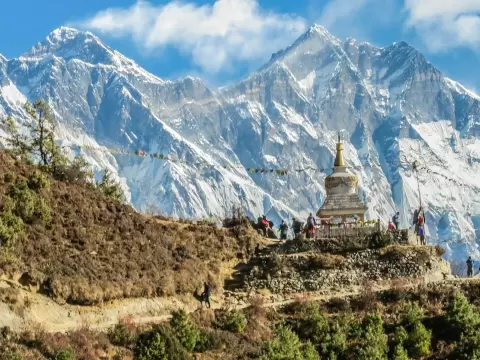
In this guide, we provide a comprehensive overview of these top 12 trekking routes, including expert...
Nepal, nestled in the heart of the Himalayas, is a captivating destination that offers a perfect ble...



