Top 10 Trekking in Nepal
1 Jan 2023
Nepal is a trekker's paradise, with its majestic mountain ranges, diverse landscapes, and rich cultu...


Standing at the crossroads between popular tourist trails and unexplored wilderness, the best less crowded treks in Nepal offer something extraordinary that mainstream routes cannot deliver. While thousands of trekkers crowd into Everest Base Camp and Annapurna Circuit teahouses, a select group of adventurers discovers Nepal's hidden valleys, remote villages, and pristine wilderness trails that showcase equally spectacular mountain views without the congestion. These less crowded treks in Nepal provide intimate encounters with authentic local cultures, undisturbed natural beauty, and the kind of profound solitude that makes mountain travel truly transformative. Whether you're drawn to the remote wilderness of Kanchenjunga, the spiritual depths of Tsum Valley, or the dramatic high-altitude landscapes of Nar Phu, Nepal's off-the-beaten-path adventures promise experiences that popular trails simply cannot match.
The growing interest in less crowded trekking routes stems from more than just avoiding tourist bottlenecks. These hidden trails preserve authentic Himalayan culture largely untouched by mass tourism's homogenizing effects. You'll encounter villages where traditional lifestyles continue unchanged for centuries, monasteries practicing ancient Buddhist rituals in their original forms, and landscapes unmarred by modern development's visual intrusions. Remote trekking in Nepal demands more preparation and often higher costs than mainstream routes, but the rewards include genuine cultural exchanges, pristine environments, and the profound satisfaction of true exploration.
The best less crowded treks in Nepal deliver advantages extending far beyond simply avoiding tourist bottlenecks at popular viewpoints. Remote trails provide opportunities for deeper cultural immersion since local communities haven't adapted primarily to serve commercial trekking operations. You'll experience genuine hospitality rooted in traditional mountain culture rather than commercialized interactions designed to maximize profits. Villages along these routes maintain traditional agricultural practices unchanged for generations, celebrate local festivals authentically without tourist performances, and welcome visitors as rare guests rather than expected income sources.
Environmental preservation represents another compelling reason to choose less crowded alternatives. Popular routes like the Annapurna Base Camp trek and Everest Base Camp trek suffer from severe overtourism impacts including trail erosion from thousands of boots, waste management challenges overwhelming local capacity, and stressed local resources unable to sustainably support visitor numbers. Less crowded alternatives distribute tourism's economic benefits more evenly across Nepal's mountain regions while reducing destructive pressure on overused trails.
Key benefits of choosing less crowded treks include:
Wildlife encounters increase dramatically on quieter trails where animals haven't learned to fear constant human presence. TheMakalu Base Camp trek traverses Makalu-Barun National Park where red pandas, Himalayan black bears, and elusive snow leopards roam relatively undisturbed by trekking traffic.
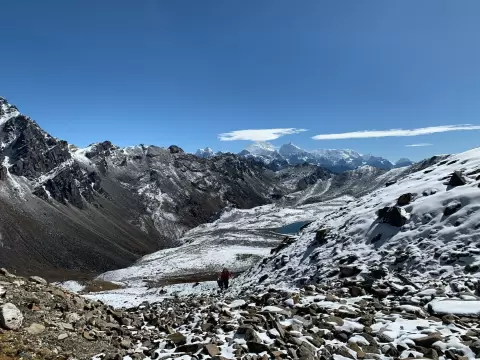
Remote valleys like Tsum and Nar Phu preserve centuries-old Tibetan Buddhist traditions barely touched by modern influences or commercial pressures. Monasteries here function as active spiritual centers where monks dedicate themselves to study and practice rather than posing for tourist photographs. These communities welcome visitors to observe prayer ceremonies, receive teachings from respected lamas, and participate in daily rituals that maintain unbroken lineages stretching back generations. The cultural authenticity creates powerful connections impossible on commercialized routes where cultural performances feel staged specifically for tourist consumption.
Traditional architecture remains intact in isolated villages where economic pressures haven't encouraged concrete construction or modern materials. Stone houses built using ancient techniques cluster around village squares where elders gather to discuss community matters. Massive mani walls stretching hundreds of meters testify to generations of Buddhist devotion, each carved stone added through family contributions spanning centuries.
Spreading trekkers across more routes reduces concentrated environmental degradation on overused trails where thousands walk the same paths. Popular routes suffer from severe erosion cutting deep scars into hillsides, deforestation for firewood to heat lodges, and water pollution from inadequate waste management systems overwhelmed by demand. Remote areas generally maintain better environmental conditions through lower visitor numbers and stronger traditional conservation practices rooted in Buddhist respect for nature.
Environmental advantages of less crowded treks:
Your choice to trek less crowded routes directly supports conservation efforts through higher permit fees that fund protection programs. Trekking permits for restricted areas like Upper Dolpo andKanchenjunga cost significantly more than standard permits, with revenues funding ranger patrols, community development projects, and wildlife conservation initiatives.
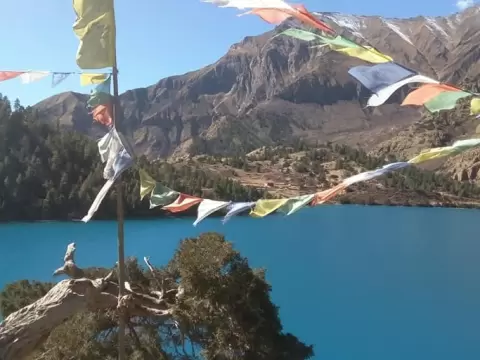
Nepal offers numerous off-the-beaten-path trekking routes that provide spectacular experiences without overwhelming crowds. Here are the top recommendations for adventurous trekkers seeking solitude:
3. Nar Phu Valley Trek
4. Khopra Danda (Ridge) Trek
10. Rolwaling Valley Trek
Highlights: Technical pass, glacier crossing, connects to Everest region
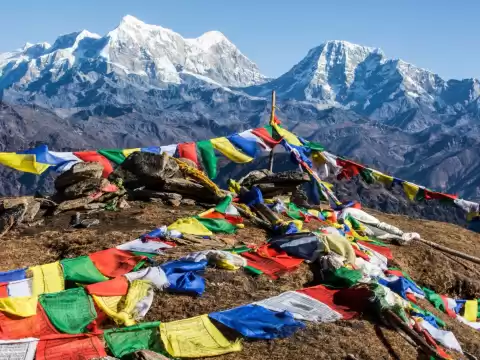
The Kanchenjunga Circuit trek ventures into Nepal's far eastern corner, circling the world's third-highest mountain through landscapes of stunning remoteness and raw natural beauty. This challenging expedition crosses high passes that test your physical limits, traverses deep valleys carved by ancient glaciers, and explores both north and south base camps of mighty Kanchenjunga. The route sees perhaps 500 trekkers annually compared to tens of thousands flooding the Everest Base Camp trek, ensuring genuine wilderness experiences where you might trek for days without encountering other groups.
Geography creates the Kanchenjunga region's profound isolation from mainstream Nepal. Located far from Kathmandu with extremely limited road access, reaching trailheads requires long drives on rough roads or domestic flights to remote airstrips weather frequently closes. This distance and difficulty filter out casual trekkers, attracting only committed adventurers willing to invest substantial time and resources. Cultural diversity enriches the trek beyond simple mountain scenery. You'll walk through villages of Limbu, Rai, and Sherpa people, each community maintaining distinct languages, customs, and spiritual practices that create Nepal's cultural richness.
The sheer scale of wilderness surrounding Kanchenjunga creates unmatched feelings of remoteness and insignificance before nature's grandeur. You'll trek for weeks through protected conservation areas where human settlement remains sparse and widely scattered. Wildlife including Himalayan black bears, red pandas, snow leopards, and musk deer inhabit these forests largely free from human disturbance.
Why experienced trekkers choose Kanchenjunga:
The Tsum Valley trek explores a sacred Himalayan pilgrimage valley only opened to trekkers in 2008 after centuries of complete isolation. Located in the Manaslu region behind formidable mountain barriers, this hidden valley remained cut off from outside influence, preserving unique Tibetan Buddhist culture and ancient traditions unchanged for generations. The valley's inhabitants practice polyandry where one woman marries multiple brothers, maintain strict Buddhist principles including absolute prohibitions against animal slaughter, and welcome visitors to participate in monastery life with genuine warmth.
Geographical isolation created Tsum Valley's distinct culture separate from mainstream Nepali society. Surrounded by towering Ganesh Himal, Sringi Himal, and Boudha Himal ranges with only one narrow gorge connecting to the outside world, the valley developed independently with minimal external contact. The trek typically requires 12-15 days, combining well with the Manaslu Circuit trek for extended adventures exploring this remarkable region.
Tsum Valley offers extraordinary opportunities for cultural exchange beyond superficial tourist interactions. Monasteries welcome visitors to observe elaborate prayer ceremonies, receive blessings from highly respected lamas, and learn about Tibetan Buddhist philosophy from monks eager to share teachings.
Cultural highlights of Tsum Valley:
The Nar Phu Valley trek ventures into restricted high-altitude valleys near the Tibetan border, combining dramatic landscapes with sections of the Annapurna Circuit. Opened to trekkers only in 2003 after decades as a restricted military zone, this route explores medieval villages perched impossibly on cliffsides, crosses dramatic gorges cutting through mountains, and traverses landscapes resembling the Tibetan plateau's stark beauty. The valley's long isolation preserved unique cultures and architectural styles found nowhere else in Nepal.
Ancient trade routes once connected these strategic valleys to Tibet, bringing prosperity to villages controlling critical mountain passes. Fortified villages like Nar and Phu feature distinctive flat-roofed stone houses stacked vertically up cliff faces, creating dramatic visual impact visible from miles away. The trek combines excellently with the main Annapurna Circuit, adding 4-5 days to explore the hidden valleys before rejoining the main trail near Manang.
The Nar Phu extension adds spectacular dimensions to Annapurna Circuit treks without requiring separate expeditions. Branching off the main circuit at Koto, the trail climbs steadily through Meta and Chyakhu before reaching Phu village at 4,080 meters.
Benefits of the Nar Phu extension:
The Khopra Danda trek provides stunning Annapurna views without the crushing crowds plaguing traditional routes to Poon Hilland Annapurna Base Camp. This innovative community-managed trek developed as a sustainable alternative that benefits local villages directly while offering panoramic vistas of Dhaulagiri, Annapurna South, Nilgiri, and other Himalayan giants. The ridge-top location creates sweeping 360-degree mountain views rivaling any in Nepal while maintaining peaceful atmosphere impossible on overcrowded viewpoints.
Community lodges established specifically along this route ensure tourism revenue stays in local villages rather than flowing to outside operators based in Kathmandu or Pokhara. The route typically requires 7-10 days, making it ideal for trekkers with limited time seeking less crowded alternatives to the standard ABC trek.
Khopra Ridge's strategic elevation and position create unobstructed mountain panoramas impossible from valley-bottom viewpoints. Dawn and dusk paint the peaks in spectacular colors as sun illuminates the giants surrounding you on all sides.
What makes Khopra Danda special:
The Upper Dolpo trek ventures into Nepal's most remote northwestern region, exploring otherworldly landscapes featured prominently in the film "Caravan." This extremely challenging 18-24 day camping trek crosses multiple high passes, visits ancient Bon monasteries practicing pre-Buddhist traditions, and traverses the Tibetan plateau's southern edge through landscapes of stark beauty. Dolpo remains Nepal's least visited trekking region, seeing fewer than 1,000 trekkers annually across its vast wilderness.
Upper Dolpo's profound isolation stems from geography and complete infrastructure absence. No roads penetrate this region, with the nearest airstrip at Juphal requiring long flights from Kathmandu or Nepalgunj followed by days of walking. Ancient Bon Buddhism flourishes here, predating Buddhism's introduction to Tibet by centuries. Monasteries like Shey Gompa house rare texts and practices barely surviving elsewhere after Buddhism's later dominance.
Upper Dolpo demands serious commitment beyond typical teahouse treks' requirements. Camping becomes absolutely necessary since villages exist days apart with essentially zero tourist infrastructure.
Upper Dolpo requirements:
Rewards include:
The Makalu Base Camp trek explores pristine wilderness in Makalu-Barun National Park, one of Nepal's most biodiverse and least visited protected areas. This challenging 18-20 day trek approaches the world's fifth-highest mountain through incredibly varied ecosystems from subtropical forests to high-altitude deserts. The route sees minimal trekker traffic compared to Everest region's popularity despite offering equally spectacular mountain scenery.
Makalu's geographical isolation creates the solitude defining this trek. Located east of the Everest region without convenient access, reaching trailheads requires long drives on rough roads. The national park protection ensures environmental quality remains exceptional. Dense rhododendron and oak forests transition to alpine meadows and finally barren moraine landscapes surrounding Makalu Base Camp.
Makalu-Barun National Park's relatively low trekker numbers and strong protection create exceptional wildlife watching opportunities.
Wildlife you might encounter:
The Pikey Peak trek offers accessible mountain views for trekkers with limited time or moderate fitness levels. This shorter 5-7 day trek in the Everest region's southern foothills provides panoramic views including Everest, Makalu, Kanchenjunga, and countless other peaks. Sir Edmund Hillary reportedly called Pikey Peak's Everest views the finest available, though the location remains largely unknown to mainstream trekkers.
The trek passes through traditional Sherpa and Rai villages rarely visited by foreigners, offering cultural experiences without tourism's corrupting influences. Lower elevations mean milder temperatures and more reliable weather than high-altitude routes. The trek remains accessible during winter when higher routes close, and monsoon impacts prove less severe.
Beginner-friendly features:
The Manaslu Circuit trek circles the world's eighth-highest mountain through remarkably diverse landscapes and cultures. Though gaining popularity as an Annapurna Circuitalternative, Manaslu retains rustic charm and manageable trekker numbers. The 14-18 day circuit crosses Larkya La pass at 5,160 meters, offering high-altitude challenges without Everest region's extreme elevations.
The trek passes through culturally diverse regions where Hindu lowland villages transition to Buddhist Tibetan-influenced communities. Restricted area regulations require trekkers hire licensed guides and travel in groups of at least two, preventing independent trekking. These requirements add costs but ensure proper support and limit environmental impact. The Manaslu regionoffers similar trekking experiences to the popular Annapurna region but with significantly fewer crowds.
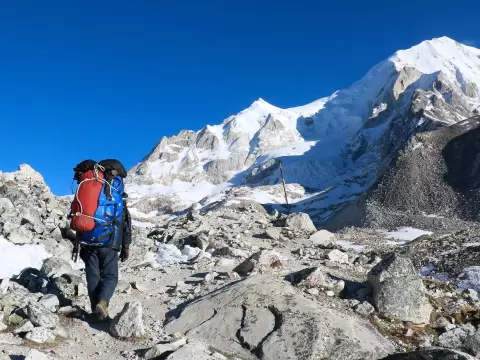
TheRara Lake trekexplores Nepal's largest and most pristine lake in the remote western region far from mainstream trekking areas. This 7-10 day trek reaches the spectacular 10-square-kilometer lake sitting at 2,990 meters surrounded by pine and juniper forests. The lake's deep blue waters and peaceful atmosphere create contemplative experiences far removed from crowded tourist destinations like Gokyo Lakes or theEverest Base Camp trek.
Wildlife including musk deer, Himalayan black bears, and numerous bird species inhabit Rara National Park's protected forests. Getting to Rara requires determination given the region's remoteness. Flights from Kathmandu to Nepalgunj followed by flights to Jumla or Talcha provide quickest access, though weather frequently delays or cancels mountain flights.
The Rolwaling Valley trek represents one of Nepal's most challenging routes, combining technical passes with remote wilderness. This demanding 16-20 day trek crosses Tashi Lapcha pass at 5,755 meters, requiring glacier travel and potentially technical climbing depending on conditions. The route connects the Rolwaling Valley with the Everest region, offering adventurous alternatives to standard treks like the Everest Base Camp trek or Three Passes trek.
The Rolwaling Valley itself features spectacular mountain scenery including Gauri Shankar, one of Nepal's most beautiful peaks. The valley remains sparsely populated with just a few villages supporting limited trekking infrastructure. Camping becomes necessary in upper sections where no lodges exist.
Planning less crowded treks requires more research and preparation than mainstream routes given limited infrastructure and information availability. Start by honestly assessing your fitness level, previous trekking experience, and tolerance for basic conditions. Consider working with experienced trekking companies like Himalayan Forever who specialize in off-the-beaten-path routes and can handle complex logistics including permits, transportation, and guide arrangements.
Beginner-friendly less crowded options:
Intermediate trekker options:
Advanced trekker expeditions:
Permit requirements and costs vary dramatically between routes. Standard trekking permits for areas like Manaslu cost around $70-100 USD during peak seasons. Restricted area permits for Upper Dolpo, Kanchenjunga, or Nar Phu range from $500-700 USD for 10 days with additional costs for extended stays.
Essential permits for trekking:
Physical preparation for remote treks should begin at least 2-3 months before departure with regular cardiovascular exercise building endurance. Include hill training with weighted packs simulating trek conditions. Don't neglect flexibility and balance training preventing injuries on uneven trails.
Training recommendations:
Critical gear for remote treks:
The best less crowded treks in Nepal offer extraordinary experiences for adventurous travelers willing to venture beyond mainstream tourist trails. These hidden routes provide spectacular mountain scenery, authentic cultural encounters, and wilderness solitude increasingly rare in today's interconnected world. Whether you choose the remote wilderness of Kanchenjunga, the spiritual depths of Tsum Valley, or the accessible beauty of Pikey Peak, less crowded treks reward with experiences impossible on popular routes like Everest Base Camp or Annapurna Circuit.
Your choice to trek less crowded routes supports sustainable tourism development benefiting remote communities while reducing pressure on overused trails. The economic opportunities your trek provides help maintain viable mountain communities preserving traditional cultures and environmental stewardship. The memories and personal growth from challenging yourself in remote wilderness settings last lifetimes, fundamentally changing perspectives on capability, nature, and what constitutes meaningful travel.
Ready to Explore Nepal's Hidden Trails?
Don't let the crowds diminish your Himalayan adventure. Himalayan Forever specializes in guiding trekkers through Nepal's most spectacular less crowded routes with experienced local guides, carefully planned itineraries, and comprehensive support services. Our expert team handles complex logistics including restricted area permits, transportation arrangements, and route planning so you can focus on experiencing Nepal's hidden treasures.
Contact Himalayan Forever:
📧 Email: [email protected]
📱 Phone: +9779841326613
🌐 Website: www.himalayanforever.com
Book your less crowded trek now and discover why Nepal's hidden trails offer the most rewarding Himalayan experiences!
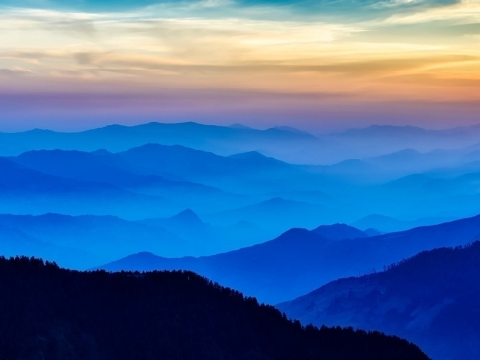
Nepal is a trekker's paradise, with its majestic mountain ranges, diverse landscapes, and rich cultu...
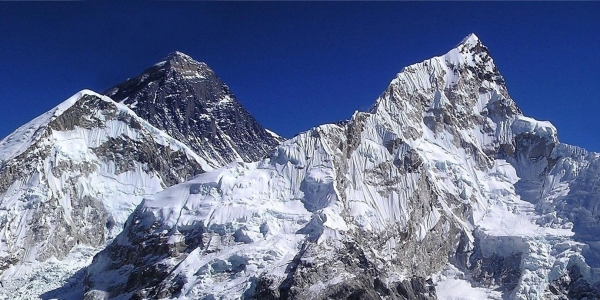
Thousands of enthusiastic hikers around the world have an ultimate dream to reach Everest Base Camp...

Nepal, nestled in the lap of the Himalayas, is a paradise for trekkers and adventure enthusiasts. Wi...
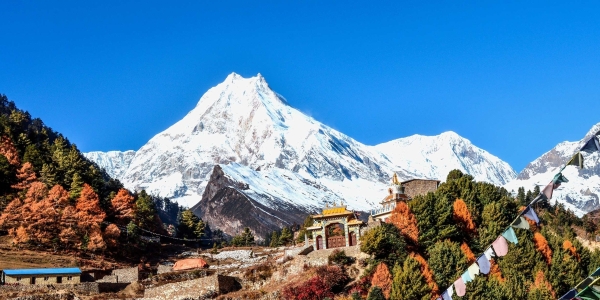
Nepal is renowned for its majestic Himalayan range, offering some of the world's most iconic trekkin...
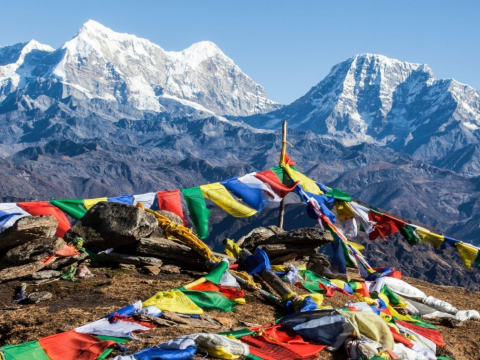
The Pikey Peak Trek is a relatively less-known but incredibly rewarding trekking route in the lower...

The Everest Base Camp (EBC) trek is considered challenging but achievable for most trekkers with pro...
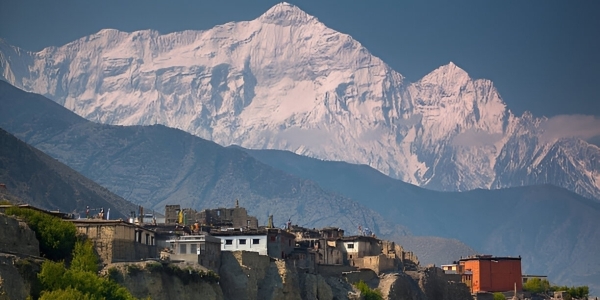
Upper Mustang, often described as Nepal's "Last Forbidden Kingdom," is a secluded region that lies w...
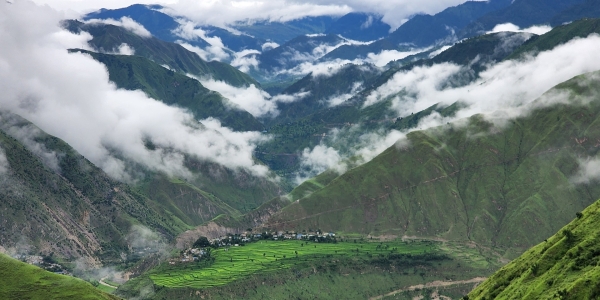
Trekking in Nepal is a transcendent experience that merges adventure with spirituality, offering an...



