What to Pack for Everest Base Camp Trek
19 Oct 2025
Himalayan Forever Treks understands that packing the right gear is crucial for a successful and enjo...

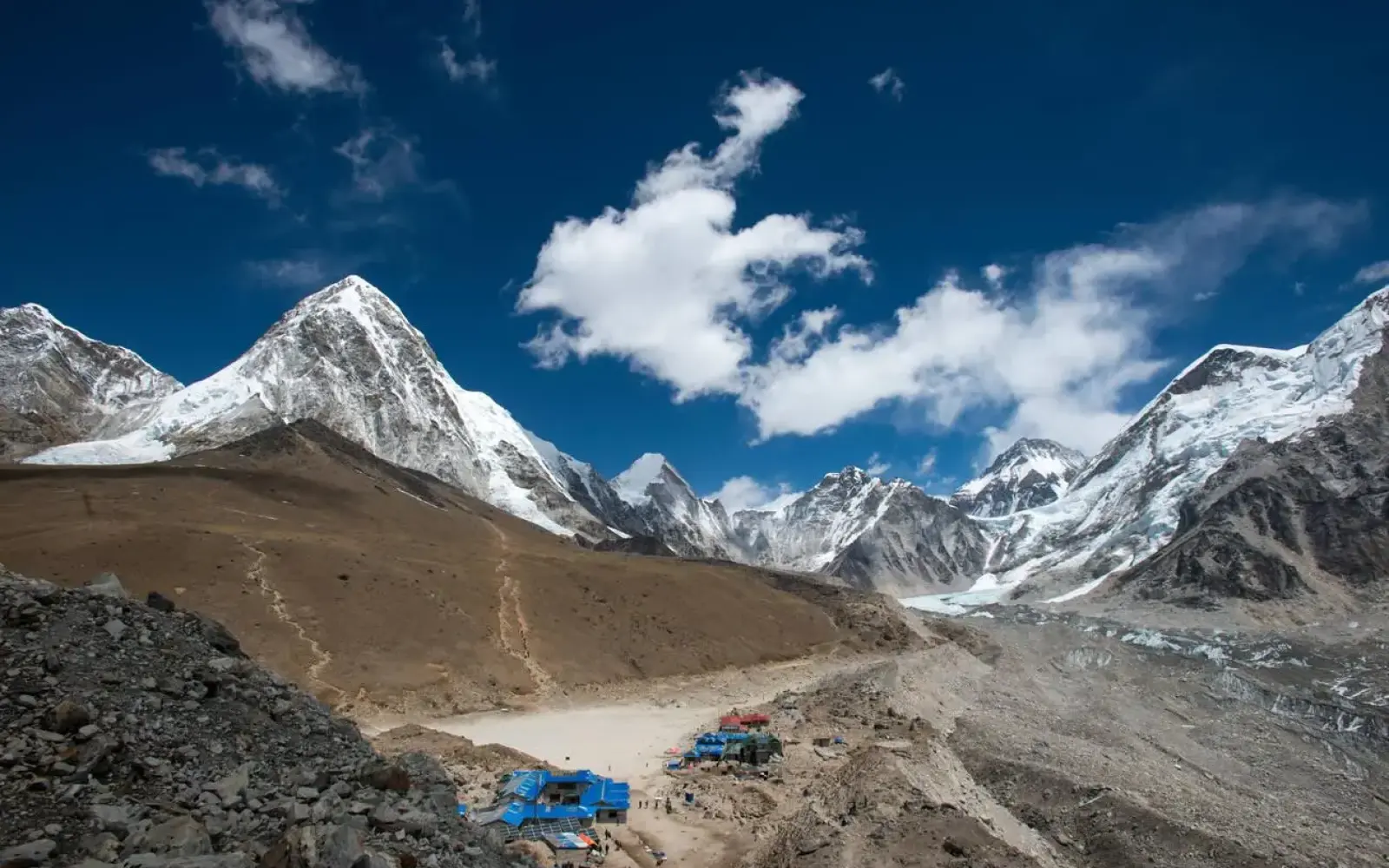
The question of whether it is possible to reach Everest Base Camp by road is very common among trekkers planning a Himalayan adventure. With the expansion of motorable roads in Nepal, especially in remote districts, many travelers assume that vehicles can now reach the base camp itself. However, this is not true.
Your itinerary clearly shows the real travel pattern: the journey begins with a jeep drive from Kathmandu to Thamdanda, and from there the trekking route starts toward Phakding and continues all the way up to Everest Base Camp. This combination of road and trekking is currently the most practical way to reach the region.
Reality Explained Through the Itinerary
Looking at your itinerary, it is clear how the journey is structured. The first two days involve arrival in Kathmandu and a long jeep drive to Thamdanda. From Day 3 onward, the actual trekking begins, passing through key Himalayan villages like Phakding, Namche Bazaar, Tengboche, Dingboche, Lobuche, and finally reaching Everest Base Camp on Day 10.
The return follows the same trekking route back down to Thamdanda, after which a jeep drive returns travelers to Kathmandu. This clearly shows that roads support the journey but do not replace trekking in any part of the high-altitude section.
Key points:
Why Roads Do Not Reach Everest Base Camp
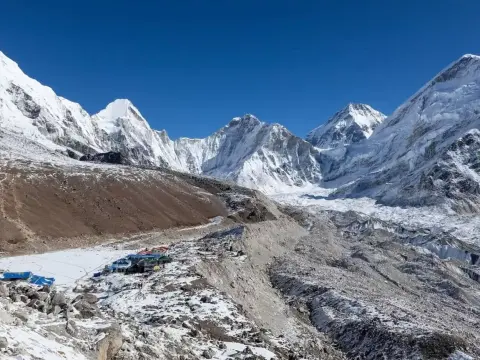
Even with modern development, roads cannot extend to Everest Base Camp due to extreme geographical and environmental conditions. The upper Khumbu region is dominated by glaciers, cliffs, and unstable moraine terrain, making road construction impossible and unsafe.
In addition, conservation policies protect the Himalayan ecosystem from heavy infrastructure development. This ensures that trekking remains the only sustainable way to experience the region.
Key points:
Himalayan Forever Treks Perspective
According to Himalayan Forever Treks, the best way to experience Everest Base Camp is through a combined approach of jeep travel and trekking, exactly as shown in your itinerary. The jeep ride to Thamdanda improves accessibility, while the trekking route provides the real Himalayan experience.
This structure allows trekkers to enjoy both comfort and adventure while safely acclimatizing and exploring the Khumbu region step by step.
Key points:
Many trekkers arriving in Nepal often wonder whether it is possible to reach Everest Base Camp directly by road. This question comes from the growing trend of motorable roads expanding into remote Himalayan regions. With jeep roads now reaching deeper into the Everest region, travelers naturally assume that the base camp itself might also be accessible by vehicle.
However, the reality is more complex. While roads have made the journey significantly easier in the lower Khumbu region, the final stretch to Everest Base Camp still requires trekking on foot. This blend of road access and trekking is what makes modern Everest expeditions more flexible but still authentically adventurous.
Key points:
Growing Interest in Road Access to High-Altitude Destinations
In recent years, improved infrastructure in Nepal has extended jeep tracks into remote mountain valleys. This has reduced trekking duration and made the Everest region more accessible for a wider range of travelers. Many trekkers now begin their journey by jeep from Kathmandu instead of flying to Lukla.
This shift has created the misconception that Everest Base Camp might be reachable by road. In reality, the terrain beyond certain villages becomes too steep, fragile, and environmentally sensitive for road construction. The final Himalayan section is intentionally preserved as a trekking route.
Key points:
What Everest Base Camp Actually Is
Everest Base Camp is not a village or settlement—it is a temporary expedition campsite used by climbers attempting to summit Mount Everest. It sits at the foot of the world’s highest peak and is only occupied seasonally during climbing periods.
For trekkers, reaching Everest Base Camp is a symbolic achievement rather than a mountaineering necessity. It represents the closest point accessible without climbing equipment, offering views of glaciers, icefalls, and towering Himalayan peaks.
Key points:
Its Role in Himalayan Expeditions
The base camp serves as the logistical hub for all Everest summit attempts. Climbers acclimatize here before moving to higher camps. It is also where supplies, medical teams, and communication systems are coordinated during climbing seasons.
For trekkers, it is the endpoint of the famous Everest Base Camp Trek, offering a once-in-a-lifetime experience of standing at the base of the highest mountain on Earth.
Key points:
Geographic Overview Inside Nepal
Everest Base Camp is located in the Khumbu region of northeastern Nepal inside Sagarmatha National Park. The journey typically begins from Kathmandu, followed by travel into the Solukhumbu district and further into the high Himalayas.
Your route follows iconic Sherpa settlements such as Phakding, Namche Bazaar, Tengboche, Dingboche, Lobuche, and Gorakshep before finally reaching the base camp.
Key points:
Altitude and Terrain Challenges
The Everest Base Camp region sits at an extreme altitude of about 5,364 meters. The terrain is rugged, glacial, and constantly changing due to snow movement and ice conditions. This makes road construction impossible and trekking physically demanding.
The journey also involves steep ascents, suspension bridges, moraine trails, and thin air conditions that require proper acclimatization. That is why itineraries like yours include acclimatization days in Namche Bazaar and Dingboche.
Key points:
This itinerary, organized by Himalayan Forever Treks, is a classic example of a modern Everest Base Camp journey combining road access and trekking.
Journey from Kathmandu to Thamdanda and Trek Start
The journey begins in Kathmandu and continues by jeep to Thamdanda. This road section replaces the traditional flight to Lukla, making the trek more flexible and less weather-dependent.
From Thamdanda, trekking officially begins toward the Everest region, passing through traditional villages and forested trails.
Key points:
Trek Through Classic Everest Villages
From Phakding to Namche Bazaar and onward to Tengboche, trekkers experience Sherpa culture, monasteries, and panoramic mountain views.
Acclimatization in Namche Bazaar is essential for adapting to altitude before moving higher into Dingboche and beyond.
Key points:
Direct Answer to the Main Question
Many travelers ask whether it is possible to reach Everest Base Camp directly by road. The simple and clear answer is no—you cannot reach Everest Base Camp by road. Even though modern jeep roads now extend deep into the lower Everest region, the final stretch to base camp remains accessible only on foot.
This means every Everest Base Camp journey still requires trekking, regardless of whether you start from a flight to Lukla or a jeep ride from Kathmandu. The road network only reduces the trekking distance—it does not replace the trekking experience itself.
Key points:
Why There Is No Complete Road Access
The idea of building a road all the way to Everest Base Camp has been discussed many times, but it is not practical. The terrain becomes extremely steep, icy, and unstable as you move higher into the Khumbu region. In addition, the area is environmentally sensitive and prone to landslides and glacier movement.
For these reasons, authorities and conservation bodies have restricted road expansion. The result is a carefully balanced system where roads support accessibility, but trekking preserves the natural and cultural integrity of the Himalayas.
Key points:
Road Access Up to Lower Solukhumbu Regions
While there is no road to Everest Base Camp, jeep roads have significantly improved access to the lower Solukhumbu region. Travelers can now drive from Kathmandu toward areas like Salleri and further toward Thamdanda, depending on road conditions.
This development has reduced reliance on flights and made the Everest trek more flexible. However, these roads only reach the lower trekking entry points, after which the trail becomes strictly pedestrian.
Key points:
Most overland Everest Base Camp journeys now begin from jeep-accessible points such as Thamdanda or nearby trailheads. From here, trekkers start walking toward traditional villages like Phakding.
These stopping points act as transition zones between road travel and mountain trekking. They also provide the first real immersion into rural Himalayan landscapes, rivers, and suspension bridge crossings.
Key points:
Lukla as the Main Gateway
Traditionally, the most popular route to Everest Base Camp begins with a flight to Lukla. Lukla is known as the “gateway to Everest” and connects trekkers directly to the Khumbu trekking network.
From Lukla, the trail passes through villages such as Phakding and continues upward to Namche Bazaar, which is the main trading and acclimatization hub of the region.
Key points:
Classic Trekking Itinerary Overview
The classic route follows a gradual ascent through the Khumbu Valley. After Lukla, trekkers pass through Namche Bazaar, Tengboche, Dingboche, Lobuche, and finally reach Everest Base Camp.
This route is designed for acclimatization, cultural experience, and gradual altitude gain, making it one of the safest high-altitude trekking routes in the world.
Key points:
Extreme Terrain and Altitude Challenges
The terrain near Everest Base Camp becomes extremely harsh as altitude increases. Glacial movement, cliffs, and unstable moraine landscapes make road construction technically impossible. Even small changes in ground stability can lead to landslides or ice collapses.
At this altitude, oxygen levels are also significantly lower, which adds to construction and maintenance difficulties. Heavy machinery cannot operate safely or effectively in such conditions.
Key points:
Environmental and Conservation Restrictions
The Everest region lies inside protected areas where conservation laws strictly regulate development. The ecosystem is fragile, and excessive infrastructure would permanently damage the natural balance of the Himalayas.
Organizations and local authorities prioritize sustainable tourism over road expansion. Trekking routes help minimize environmental impact while supporting local Sherpa communities economically.
Key points:
Protected Himalayan Ecosystem
The entire Everest region is part of a delicate ecosystem that includes glaciers, rare wildlife, and alpine vegetation. Road construction would disrupt natural water flow, increase erosion, and threaten local species.
For this reason, maintaining trekking-only access to higher regions ensures that tourism remains environmentally responsible while still allowing visitors to experience the Himalayas.
Key points:
Helicopter Options
One of the most modern alternatives to trekking to Everest Base Camp is a helicopter flight. Helicopters can fly from Kathmandu or Lukla and land near the base camp or at designated viewpoints, depending on weather conditions and regulations. This option is popular among travelers who want to experience Everest without a long trek.
However, helicopter access is weather-dependent and expensive. Flights are often short and mainly used for sightseeing or emergency evacuation rather than full trekking replacement.
Key points:
Combination of Flights + Trekking
Another popular option is combining a flight to Lukla with a trekking route to Everest Base Camp. This method significantly reduces travel time while still offering the full trekking experience through the Khumbu Valley.
Trekkers fly into Lukla and then follow the classic trail through villages like Phakding, Namche Bazaar, and beyond. This is considered the traditional Everest Base Camp trekking method.
Key points:
Seasonal Weather Conditions in the Himalayas
The best time to visit Everest Base Camp is during the pre-monsoon (spring) and post-monsoon (autumn) seasons. Spring (March–May) offers clear skies, blooming rhododendrons, and stable trekking conditions. Autumn (September–November) provides crisp air, excellent visibility, and dry trails.
Winter and monsoon seasons are less favorable due to extreme cold, heavy snowfall, and rainfall, which can make trails difficult or unsafe.
Key points:
Trekking Safety Considerations
The weather in the Everest region can change rapidly, especially at higher altitudes like Dingboche and Lobuche. Sudden snowfall or windstorms can affect visibility and trail safety.
Proper timing ensures safer acclimatization, better trail conditions, and reduced risk of altitude-related complications. Choosing the right season is essential for a successful trek.
Key points:
Fitness and Acclimatization
Preparing for the trek to Everest Base Camp requires good physical fitness and endurance. The journey involves long walking hours, steep ascents, and high-altitude conditions that can challenge even experienced trekkers.
Acclimatization is equally important. Rest days in places like Namche Bazaar and Dingboche help the body adjust to lower oxygen levels and reduce the risk of altitude sickness.
Key points:
Permits and Local Guidelines in Nepal
Trekkers must obtain official permits to enter the Everest region, including the Sagarmatha National Park permit and local Khumbu rural municipality permits. These are mandatory for all visitors heading toward Everest Base Camp.
Following local rules is equally important. Respect for Sherpa culture, environmental protection guidelines, and responsible trekking practices ensure a safe and sustainable journey.
Key points:
Final Takeaway on Accessibility
The reality of reaching Everest Base Camp is that it cannot be done entirely by road. While modern infrastructure has brought roads closer to the Himalayas, the final and most important section of the journey still requires trekking.
This combination of road and foot travel creates a balanced adventure where accessibility meets authenticity, allowing more people to experience the Everest region while preserving its natural beauty.
Key points:
Why Trekking Remains the Authentic Experience
For Himalayan Forever Treks, the Everest Base Camp journey is not just about reaching a destination—it is about experiencing the Himalayas step by step. Trekking allows travelers to connect with Sherpa culture, witness changing landscapes, and gradually adapt to high altitude.
Even with modern transport options, trekking remains the heart of the Everest experience. It preserves tradition, ensures safety through gradual ascent, and offers a sense of achievement that no road or helicopter can replace.
Key points:
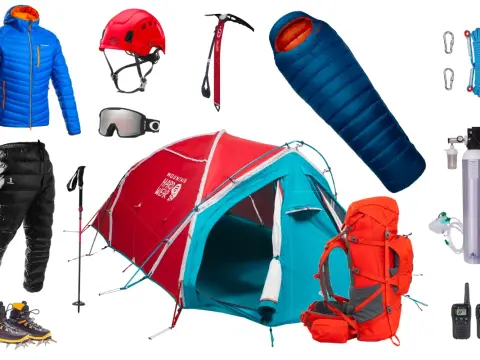
Himalayan Forever Treks understands that packing the right gear is crucial for a successful and enjo...
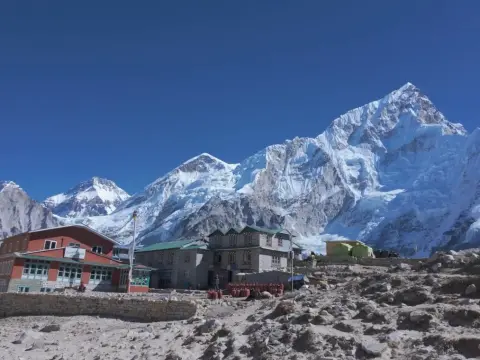
When I first mentioned to my trekking buddies that I was planning to trek to Everest Base Camp in Ja...
2026 presents an exceptional opportunity for adventurers to embark on the iconic Everest Base Camp (...


